For the average consumer, the modern credit card landscape is a minefield of complexity. With thousands of card products, rotating bonus categories, tiered merchant rewards, and cryptic redemption portals, the average person leaves thousands of dollars in potential value on the table every year. This isn’t a result of financial negligence; it is the natural byproduct of a system designed to be opaque.
Enter Kudos, an AI-powered smart wallet that aims to solve this friction by acting as an invisible financial assistant. By leveraging machine learning to analyze spending habits and real-time merchant data, Kudos informs users which card to use at the point of sale, recommends optimal new credit products, and layers additional rewards on top of existing card benefits.
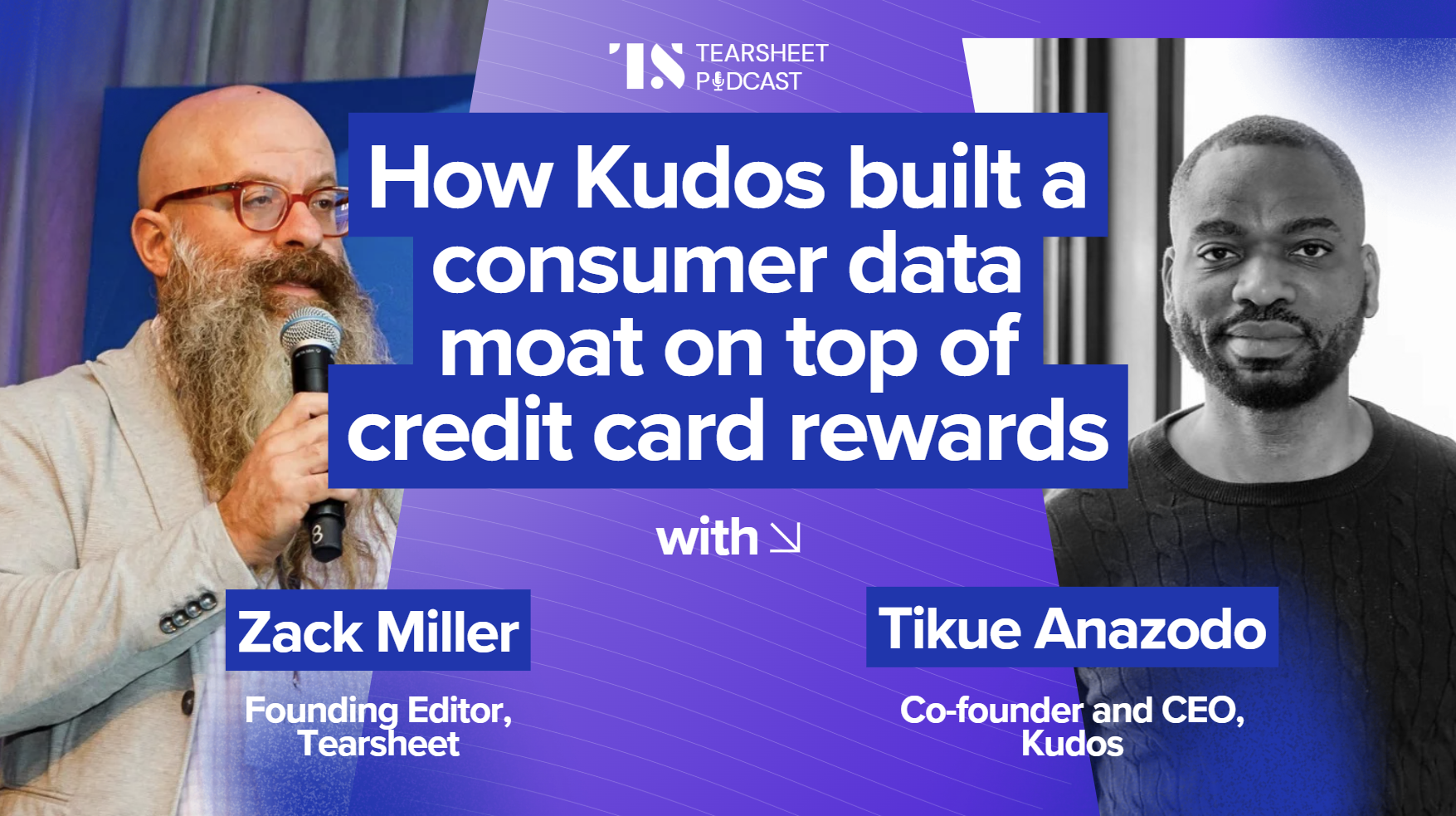
In this deep dive, we sit down with Tikue Anazodo, co-founder and CEO of Kudos, to discuss the architecture of the "smart wallet," the company’s recent $17 million funding milestone, and the future of consumer finance.
The Complexity Paradox: Why Rewards Go Unclaimed
The credit card industry thrives on the "Complexity Paradox." Banks design rewards programs that are intricate enough to provide high value to the hyper-diligent, but confusing enough that the average user fails to extract that value.
"Most people aren’t careless; they are overwhelmed," says Anazodo. "When you have a wallet full of plastic, each with different terms for travel, groceries, gas, and dining, it becomes cognitively impossible to calculate the optimal choice in a split-second checkout scenario."
Kudos functions as an algorithmic layer atop the consumer’s financial life. It tracks which cards a user holds, understands the current promotional landscape of the banking sector, and provides real-time guidance. The goal is to move beyond mere "spending tracking" toward "spending optimization."
Chronology: From Concept to Fintech 50
The trajectory of Kudos reflects the broader shift in fintech—moving from simple transaction monitoring to active, AI-driven wealth management.
- 2021: The Inception. Tikue Anazodo and his co-founders identified that while personal finance management (PFM) tools were tracking where money went, no one was effectively helping users optimize how they spent it to maximize rewards.
- 2022: Product-Market Fit. Kudos launched its browser extension and mobile wallet, focusing on an agnostic approach—serving the consumer, not the merchant or the bank.
- 2023: Scaling and Data Integration. The company deepened its data partnerships, allowing for more granular recommendations. This period saw the integration of real-time merchant classification, which is crucial for identifying which "bonus category" a transaction falls into.
- 2024: The $17 Million Milestone. Backed by industry heavyweights like QED Investors, Kudos secured a significant funding round to expand its AI capabilities. This capital injection validated the model, leading to their recognition in the prestigious Forbes Fintech 50.
- 2025: Maturity and Expansion. Today, Kudos is positioning itself as the "central nervous system" for credit card users, with a growing focus on integrating direct rewards-stacking functionality.
Supporting Data: The Magnitude of the Rewards Gap
The scale of the "rewards gap" is staggering. According to recent industry reports, U.S. consumers hold over $1 trillion in credit card debt, yet the rewards industry continues to grow at a compound annual growth rate (CAGR) of over 6%.
- The "Unclaimed" Value: Market analysts estimate that approximately $15–$20 billion in credit card points and cash back go unredeemed or are "lost" due to suboptimal card selection annually in the United States.
- Funding Strength: The $17 million raised by Kudos represents a shift in venture capital interest away from speculative crypto-finance and toward "utility-based" fintech—tools that provide measurable ROI to the end user.
- User Adoption: While Kudos has not disclosed total user counts, their presence in the Forbes Fintech 50 is predicated on high retention rates and significant "value-delivered" metrics, which track the total dollar amount saved for users.
Official Perspective: The CEO’s Vision
In our interview, Tikue Anazodo emphasized that the core philosophy of Kudos is to be an "advocate for the consumer."
"When we started building this, we had to make a choice," Anazodo explained. "Do we build for the banks, or do we build for the users? Building for the banks means pushing high-fee products. Building for the user means helping them extract the most value from the cards they already have, even if those cards aren’t the ones providing us with the highest affiliate revenue."
This "consumer-first" mantra is what distinguishes Kudos from traditional affiliate marketing sites. By layering AI on top of the transaction, Kudos doesn’t just suggest a card; it understands the user’s spending velocity and history to suggest a card that actually fits their unique lifestyle.
The Implications: A New Era of Financial Agency
The emergence of tools like Kudos suggests several broader implications for the future of consumer banking and the credit card industry.
1. The Disintermediation of Bank Apps
Banks have historically tried to keep users within their own ecosystems (e.g., Chase’s app, Amex’s portal). However, consumers are increasingly moving toward "aggregator" wallets that provide a holistic view of their financial life. By acting as a neutral layer, Kudos risks creating friction with banks that prefer proprietary control over their customers.
2. The AI-Driven "Smart Wallet"
The "Smart Wallet" is no longer just a digital storage space for credit card numbers. It is evolving into an autonomous agent. In the near future, we can expect this technology to move beyond "recommending" a card and toward "executing" the payment automatically. Imagine a world where your browser, via an AI wallet, selects the best card, applies the highest-value coupon, and processes the payment in one click.
3. Regulatory and Privacy Concerns
As Kudos gains access to deeper layers of transaction data, the question of privacy becomes paramount. Anazodo has addressed this by emphasizing that Kudos utilizes privacy-first data handling, ensuring that spending habits are not exploited for third-party marketing. As these tools grow, however, we can expect increased scrutiny from regulators regarding how AI agents prioritize financial products.
4. The End of "Lazy" Spending
The ultimate implication is that the "naive spender"—someone who uses the same debit card for everything—will become a relic of the past. As smart wallets become ubiquitous, the competitive advantage will shift from the banks (who design the rewards) to the AI agents (who help the consumer capture them).
Conclusion
The story of Kudos is a testament to the power of AI to bridge the gap between financial complexity and consumer benefit. By transforming the "hidden" value of rewards into a transparent, actionable stream of income, the company is effectively giving consumers a raise.
As we look toward the future, the integration of such AI-driven financial agents will likely become standard. For the consumer, the days of juggling cards and losing out on thousands in annual value are coming to a close. For the banks, it serves as a wake-up call: in the age of the algorithmic wallet, the best product wins, and the consumer is finally equipped with the tools to demand that value.
To watch the full interview with Tikue Anazodo, or to listen to the Tearsheet podcast, visit the official Tearsheet platform or subscribe via Apple Podcasts, SoundCloud, or Spotify.