By Alejandra Carranza | Published October 13, 2026
The global maritime trade landscape is undergoing a significant structural shift as shippers and carriers aggressively reroute cargo to avoid the persistent bottlenecks of the Panama Canal. Compounded by a volatile geopolitical climate and surging fuel costs, the traditional reliance on the waterway is being reassessed in favor of the San Pedro Bay port complex, which serves as a critical gateway for U.S.-bound Asian trade.
Main Facts: The Great Shift to San Pedro Bay
The logistics industry is currently grappling with a "confluence of events" that is forcing a major migration of shipping volumes. The primary driver is the ongoing uncertainty surrounding the Panama Canal, where drought conditions—exacerbated by El Niño—have constrained capacity and forced operators to implement stringent vessel-transit limits.
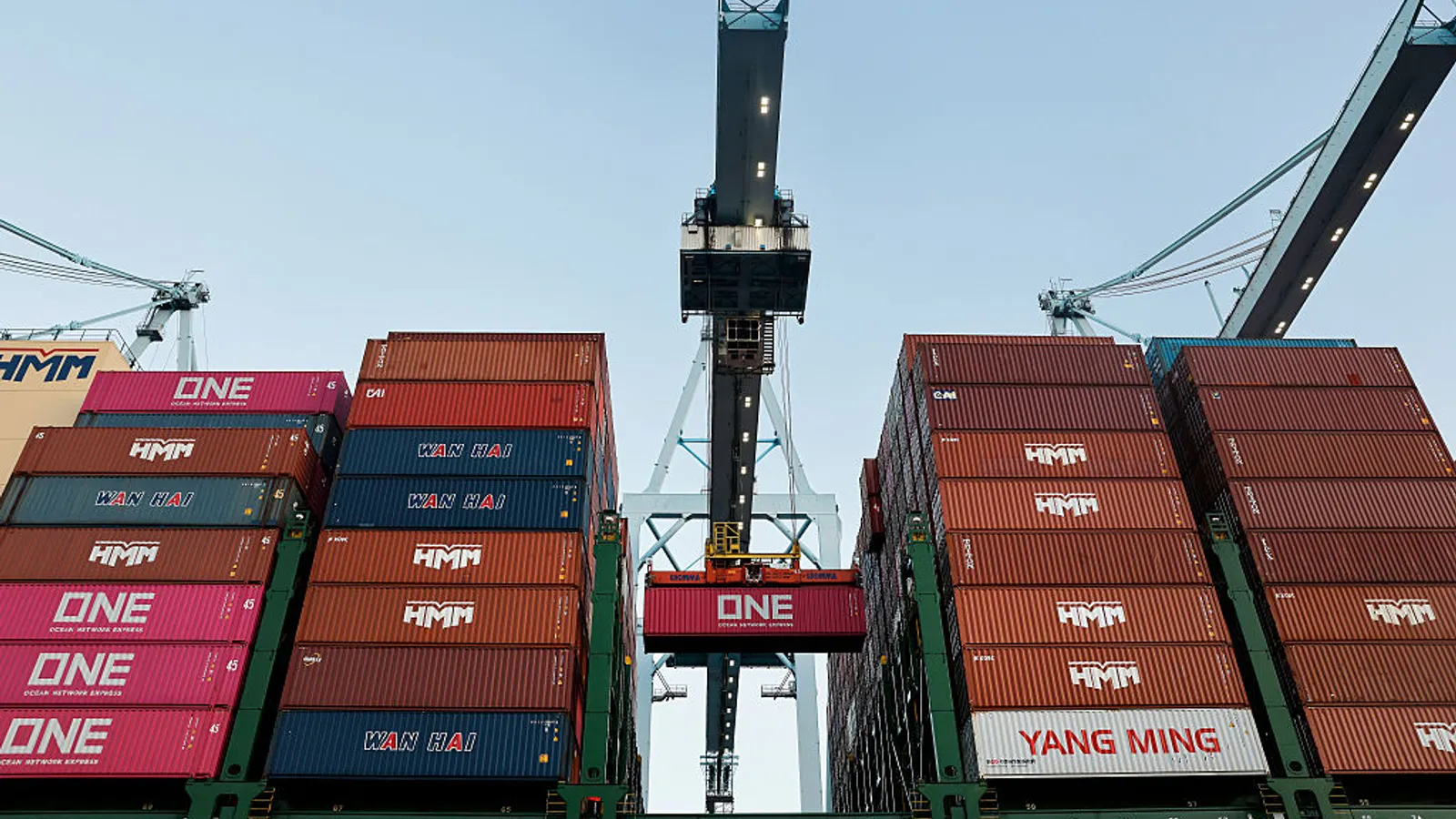
In response, the Port of Los Angeles has seen a notable surge in cargo volume, recently surpassing the 1 million TEU (twenty-foot equivalent unit) threshold in a single month. This uptick is not merely seasonal; it is a calculated reaction to the risk-mitigation strategies being adopted by major shipping lines, 3PLs (third-party logistics providers), and manufacturers. As transit reliability remains elusive in Central America, the "all-water" route to the U.S. East Coast is losing its competitive edge, prompting a pivot toward West Coast intermodal routes that provide faster, albeit more expensive, transit times to the U.S. interior.
Chronology of the Crisis: From Drought to Diversion
The instability of the Panama Canal has been a slow-burn crisis that reached a critical inflection point in 2026.
- Early 2026: The dry season began with record-low water levels in the canal’s watershed, leading to initial capacity warnings.
- April 2026: MarineTraffic data indicates a sharp spike in vessel wait times, marking the end of the traditional dry season and signaling that the canal’s operational resilience was failing.
- August 2026: The Panama Canal Authority (ACP) implemented severe restrictions, cutting daily transit slots at the Neopanamax locks to nine.
- September 3, 2026: The nine-slot limit became officially effective, sending shockwaves through global supply chains.
- October 9, 2026: Following a slight increase in precipitation, the ACP adjusted daily slots upward to 10. While this provided minor relief, it remained well below historical operational norms.
- October 13, 2026: Port of Los Angeles leadership confirmed that international stakeholders are now shifting "traditional allocations" away from canal-dependent routes to mitigate long-term exposure.
Supporting Data: The Cost of Waiting
The impact of these delays is quantified by the stark increase in vessel dwell times. According to data provided by MarineTraffic, the period between January and late September 2026 saw 69 container vessels waiting more than 100 hours to transit the Panama Canal. This represents 3.3% of all traffic, a staggering increase compared to the 0.6% (13 vessels) recorded during the same period in 2025.
The math for shippers is becoming increasingly difficult to justify. Fuel prices have doubled over the last eight months, a direct consequence of the ongoing war in Iran and its impact on global energy markets. When ships are forced to wait at anchor, they burn fuel, and when they are forced to take longer routes to avoid canal congestion, the fuel consumption per TEU increases exponentially. With shipping lines passing these surcharges onto importers and exporters, the cost-benefit analysis of the Panama Canal has fundamentally shifted.
Official Responses: Navigating the "Confluence of Events"
Gene Seroka, Executive Director of the Port of Los Angeles, highlighted the sentiment among global trade partners during a recent press briefing. Having returned from a diplomatic and commercial tour of South Korea and Singapore, Seroka noted that the frustration is palpable among industry titans.

"When I was in Korea and Singapore a couple of weeks ago, talking with not only shipping lines but 3PLs and manufacturers, they’re taking even more of their traditional allocations that normally go through the canals and shifting it to Los Angeles," Seroka said.
The port is not just reacting to current volume but is preparing for a "frontloading wave" expected to sustain elevated activity levels well into the first quarter of 2027. This anticipation is fueled by two primary factors: the timing of the Lunar New Year and the expiration of the U.S.-China trade truce.
"This confluence of events means that volume will probably stay a little bit more elevated than normal, and a couple of deadlines that may come to pass are in the minds of supply chain experts around the world," Seroka added.
Implications: A New Normal for Supply Chains
The long-term implications of these developments are profound. First, the dependency on the Panama Canal is being decoupled from the assumption of year-round reliability. Shippers are increasingly adopting a "multi-gateway" strategy, ensuring that they have operational capacity at West Coast ports to buffer against potential climate-related or geopolitical disruptions elsewhere.

Second, the volatility of fuel prices—driven by the Iran conflict—has essentially ended the era of "cheap" transit. Logistics managers are now prioritizing speed and predictability over the lower costs historically associated with all-water routes to the East Coast. If a vessel is stuck waiting for a transit slot in Panama, the capital tied up in that inventory is effectively "dead money," which, in a high-interest rate environment, is a luxury many companies can no longer afford.
Third, the upcoming expiration of the U.S.-China trade truce on January 10, 2027, combined with an early Lunar New Year in February, suggests that the "peak season" dynamic is being permanently altered. Rather than distinct peaks and valleys, the supply chain is shifting toward a cycle of constant, heightened volume as companies scramble to hedge against political deadlines and environmental uncertainty.
As the industry looks toward the 2027 dry season, the consensus is clear: the Panama Canal is no longer the predictable conveyor belt it once was. The infrastructure of global trade is being forced to adapt to a world where climate change and geopolitical strife are no longer peripheral concerns, but central variables in every logistics decision. For the Port of Los Angeles and its West Coast counterparts, this transition represents a massive operational challenge—and a potential long-term consolidation of their status as the primary gateway for trans-Pacific trade.
Shippers, meanwhile, are left to navigate a narrowing path of options, where the only certainty is that agility will be the most valuable commodity in the supply chain for the foreseeable future.