As the back-to-school season descends, parents and caregivers are often caught in a whirlwind of supply shopping, scheduling, and extracurricular logistics. Amidst this chaos, one persistent challenge remains at the forefront of the household to-do list: ensuring children receive the nutrition they need to thrive academically and physically. With an endless stream of conflicting diet trends, social media wellness influencers, and complex food labels, the task of feeding a child has become increasingly overwhelming.
However, a growing movement toward objective, science-backed nutrition guidance—anchored by programs like Guiding Stars—is providing a much-needed roadmap for families. By simplifying the grocery aisle, these tools are helping parents move past the confusion and toward more informed, healthier choices.
The Critical Role of Lunch in Child Development
Lunch is far more than a midday break; it is a fundamental pillar of a child’s health. Scientific consensus highlights that consistent, nutritious meals are directly linked to improved physical growth, cognitive development, and robust immune function. When a child arrives at their desk properly nourished, they are better equipped to focus, retain information, and manage the emotional stressors of the school day.
Yet, for many, the "buy or bring" dilemma is a source of genuine anxiety. Is a school-provided meal better than a home-packed lunch? Are store-bought snacks really as healthy as their packaging suggests? These questions often lead to "decision fatigue," a psychological phenomenon where the quality of choices deteriorates after a long session of decision-making.
School Lunches: A Foundation of Public Health
For millions of American families, the National School Lunch Program (NSLP) is a vital resource. Operating on a massive scale, the program serves approximately 22 million free or reduced-price meals every single day. Beyond its role in addressing food insecurity, the NSLP stands as one of the nation’s most important public health initiatives. In an era where food costs are rising, nine U.S. states have taken the progressive step of offering universal free breakfast and lunch to all students, ensuring that the ability to pay does not dictate a child’s access to fuel.
The Power of Standardized Nutrition
One of the most compelling arguments for utilizing school meal programs is the rigor of their standards. Unlike home-packed lunches, which are subject to individual constraints and varying nutritional knowledge, school meals are strictly governed by the U.S. Department of Agriculture (USDA). These standards, updated on a five-year cycle, mandate a balance of fruits, vegetables, whole grains, and lean proteins while strictly limiting sodium and added sugars.
The most recent federal updates have prioritized the reduction of "empty calories," placing a greater emphasis on nutrient-dense foods. This legislative commitment to child health makes school meals a reliable, affordable, and scientifically vetted option for families.
The "Home-Packed" Gap
Interestingly, recent academic research suggests that the nutritional quality of home-packed lunches often falls short of school-provided options. A comprehensive 2024 meta-analysis, which evaluated over a dozen studies spanning two decades, found that lunches prepared at home frequently lack the nutritional diversity and balance required by dietary guidelines. While this does not imply that home-packed lunches cannot be healthy, it serves as a stark reminder that parents, often pressed for time, may default to convenience foods that are lower in nutritional value.
The Philosophy of Flexibility: A Balanced Approach
Despite the data, nutrition experts emphasize that the choice is personal. "Ultimately, the decision about whether to bring lunch or eat the school lunch is a family decision," says registered dietitian Kitty Broihier, a prominent member of the Guiding Stars scientific advisory panel. "There are no right or wrong answers."
Broihier advocates for a collaborative approach. When her own children were in school, she involved them in the process by reviewing the monthly school menus together. They would designate certain days for school lunch and others for home-packed meals. This strategy serves a dual purpose: it grants children a sense of autonomy and prepares them for the reality of navigating different food environments throughout their lives.
Building Long-Term Self-Efficacy
Involving children in meal planning and preparation is not merely a logistical convenience; it is an educational tool. A seminal 2018 literature review of 15 studies demonstrated a strong positive correlation between home-cooking involvement and increased fruit and vegetable consumption. Furthermore, children who participate in the kitchen develop "self-efficacy"—the confidence in their own ability to make healthy choices. This foundational skill set often persists well into adulthood, fostering a lifelong habit of mindful eating.
Empowering Consumers: The Guiding Stars Model
For parents attempting to balance the "buy or bring" equation, the grocery store remains the primary battleground. This is where programs like Guiding Stars have become essential. Celebrating two decades of operation in 2026, Guiding Stars is the longest-running on-shelf rating program in the United States. Its mission is simple: to strip away the marketing jargon and provide a clear, evidence-based score for tens of thousands of products.
How the System Works
The Guiding Stars system is built upon a foundation of transparency. Its patented, independent algorithm calculates the nutrient density of products by evaluating ingredients based on two criteria:
- Attributes to Encourage: Ingredients such as fiber, whole grains, vitamins, minerals, and Omega-3 fatty acids.
- Attributes to Limit: Ingredients such as added sugars, artificial colors, chemical preservatives, and excessive sodium.
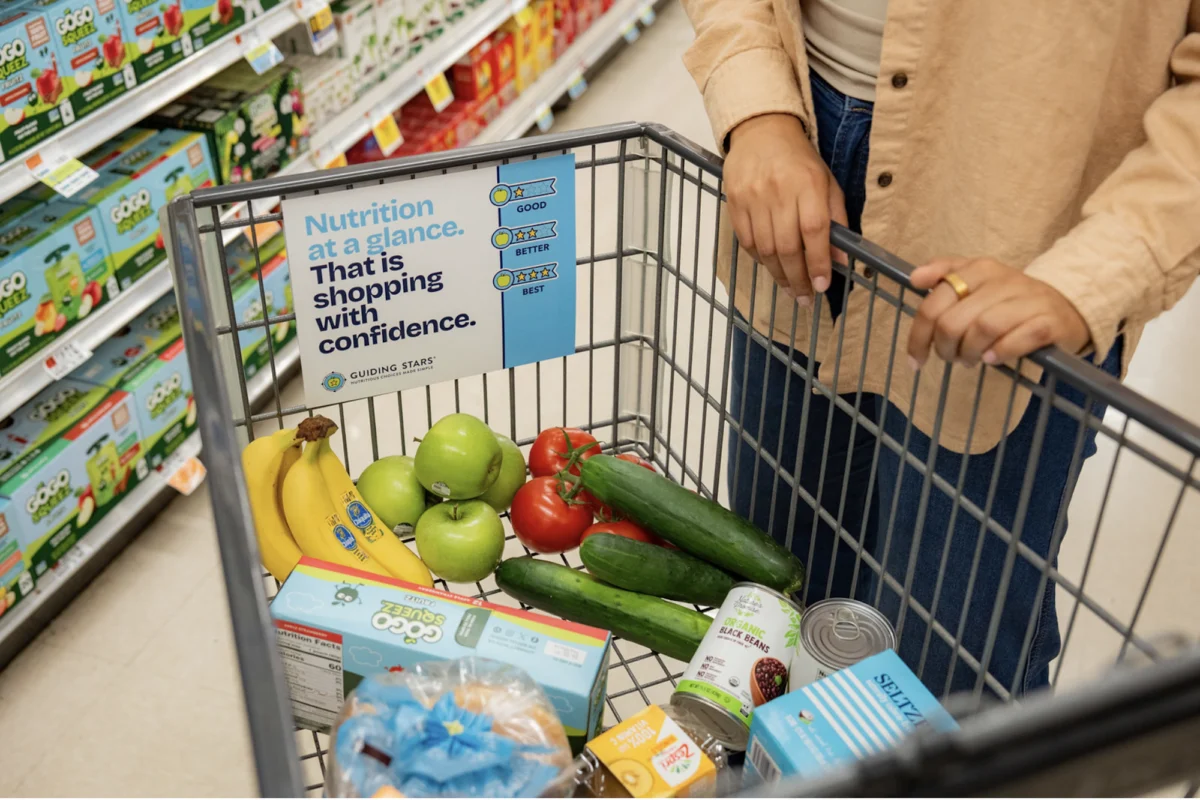
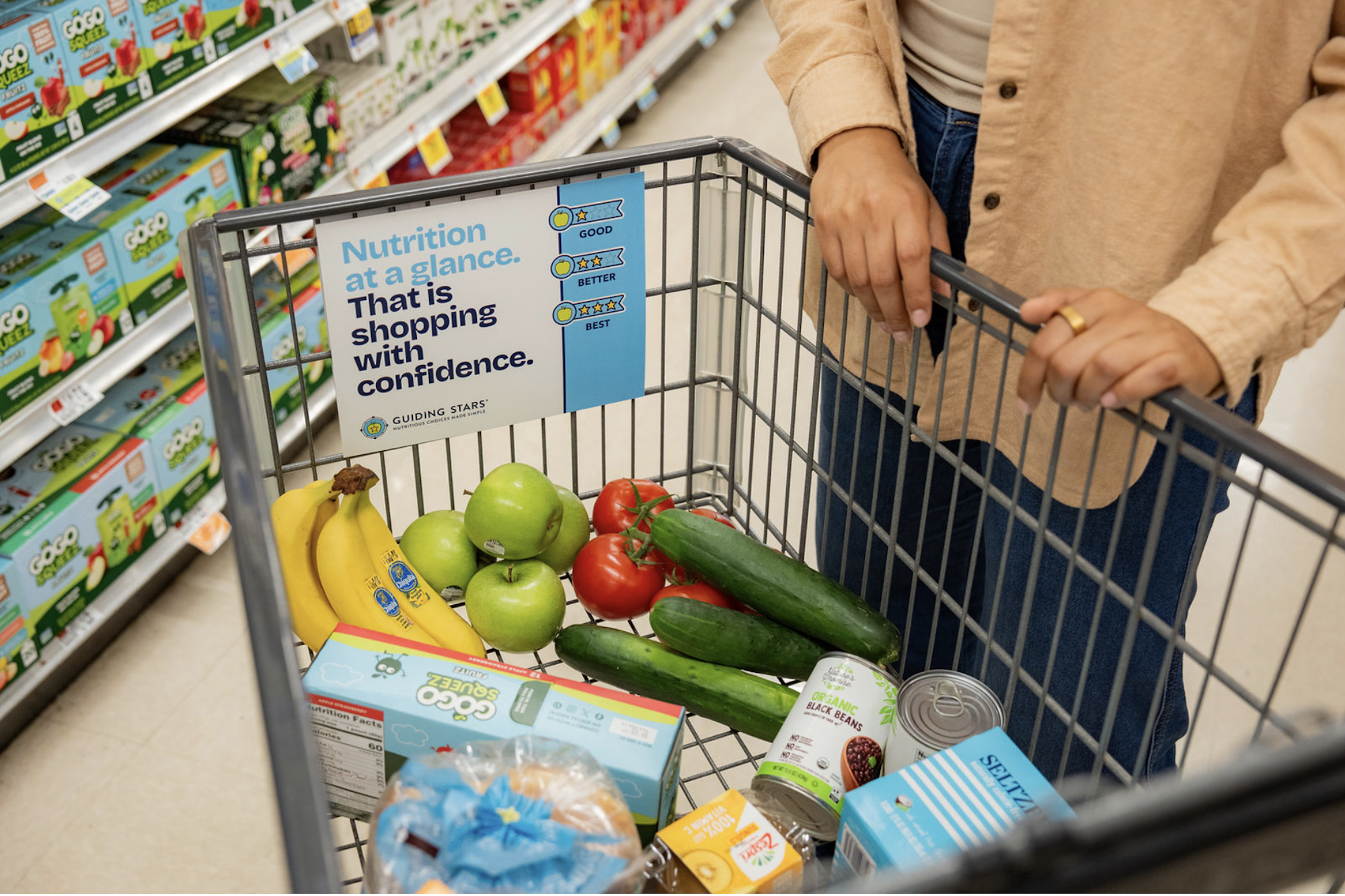
Once the algorithm processes the data, products are awarded zero to three stars. One star signifies "good" nutritional value, two stars signify "better," and three stars represent the "best" nutritional choice within that category. This color-coded, icon-based system is displayed directly on shelf tags, making it an ideal tool for busy parents navigating the aisles between work, school, and extracurriculars.
Scientific Integrity and Public Trust
The program is overseen by an independent scientific advisory panel, including experts like Broihier. This panel ensures that the criteria are not static; they are regularly updated to reflect the latest nutrition science and international health standards. Because the system is impartial—it does not favor specific brands or manufacturers—it has earned the trust of both retailers and consumers.
The Impact on Consumer Behavior
The efficacy of point-of-purchase labeling has been validated in both U.S. and Canadian markets. Studies indicate that when shoppers are presented with clear, star-based indicators, they are significantly more likely to shift their purchasing patterns toward products with higher nutritional profiles. By removing the mental burden of reading complex labels, these programs empower shoppers to make better decisions in a fraction of the time.
Implications for the Future of Public Health
As we look toward the next decade of public health, the integration of technology and nutrition guidance will only become more critical. Guiding Stars represents a holistic approach to wellness: it exists not only on the store shelf but also on product packaging, via a dedicated mobile app, and through a robust online portal.
This accessibility is key to tackling the broader issue of health inequality. By making nutritional information easy to interpret, these programs help level the playing field for families of all socioeconomic backgrounds. The goal is not to demand perfection or to force strict dietary adherence, but to provide the tools necessary to make "the healthy choice the easy choice."
Conclusion: Simplifying the Modern Diet
In the closing words of Kitty Broihier, the modern parent faces a barrage of contradictory opinions that can feel insurmountable. "We are bombarded with more information, more messages, and a wider variety of opinions than ever before," she notes. "But take heart, because you can simplify the role of nutrition in your life. It really is possible to eat well without too much stress, time, or mental energy."
By leaning on evidence-based resources, involving children in the decision-making process, and utilizing tools that clarify rather than complicate, families can successfully navigate the back-to-school season. Whether it is a school-provided lunch or a home-packed meal, the ultimate success lies in consistent, informed choices that prioritize the long-term well-being of the next generation. As we continue to refine our understanding of nutrition, these collaborative, transparent, and technology-driven systems will remain at the heart of a healthier society.