As the work week draws to a close, the pace of innovation in artificial intelligence shows no signs of decelerating. From the way we structure data to the cinematic quality of AI-generated video and the latest high-stakes releases from industry titans like Anthropic and OpenAI, the landscape of professional AI is undergoing a radical shift. This report synthesizes the most critical developments, offering actionable strategies for professionals looking to move beyond simple prompting and into the era of agentic workflows.
1. Moving Beyond Prompts: The Power of Structured Data
For many, the current AI paradigm is defined by the "prompt"—a chat-based interaction that often results in a wall of text requiring further human synthesis. However, a significant pivot is occurring. Industry experts are advocating for a shift toward structured data entry as the primary interface for AI operations.
The "Form" as an Execution Tool
The most effective way to force AI to "do" rather than "report" is to replace open-ended prompts with rigid forms. By utilizing specific fields and dropdown menus, users provide the AI with constraints that function as strict instructions. This eliminates ambiguity and transforms AI output from a summary into structured, actionable data.
Automation and the "Trigger" Effect
The true power of this method lies in integration. When a form is submitted, it acts as a digital trigger for automation platforms. Whether it is categorizing competitor intel, transcribing call notes into project management tasks, or populating CRM records from raw research, this approach removes the human "middleman." By building systems that trigger based on structured inputs, professionals can create autonomous loops where AI serves as the engine of production rather than merely a consultant.
2. The New Era of AI Video: Beyond "Spaghetti Limbs"
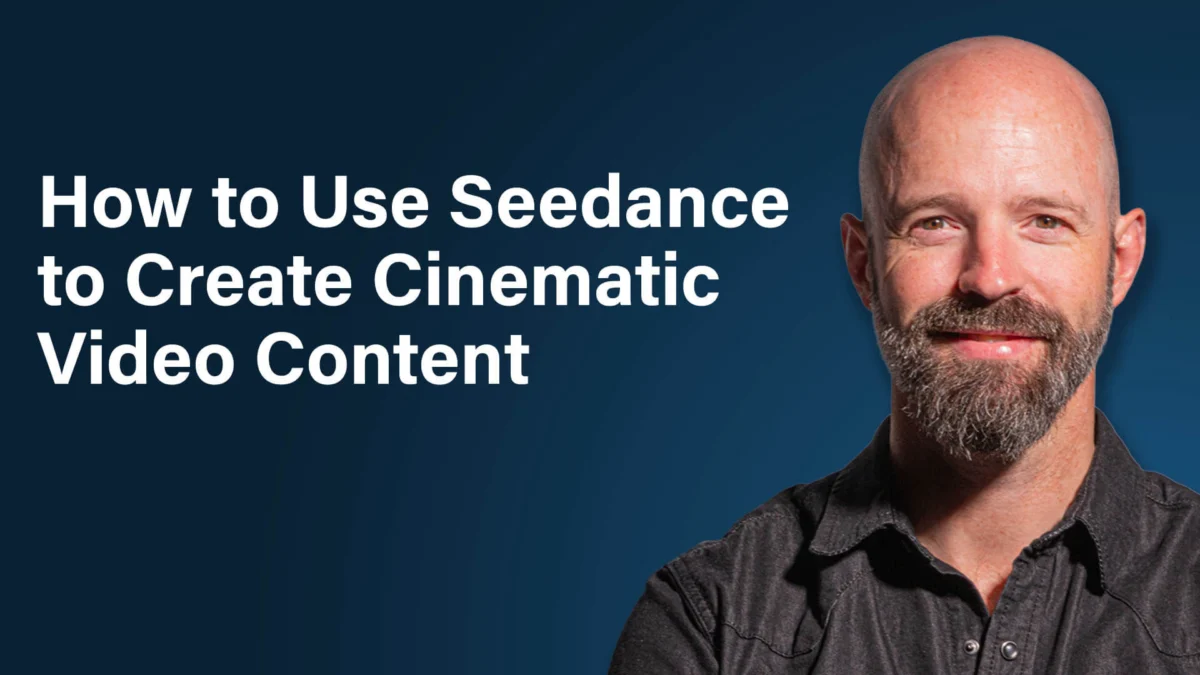
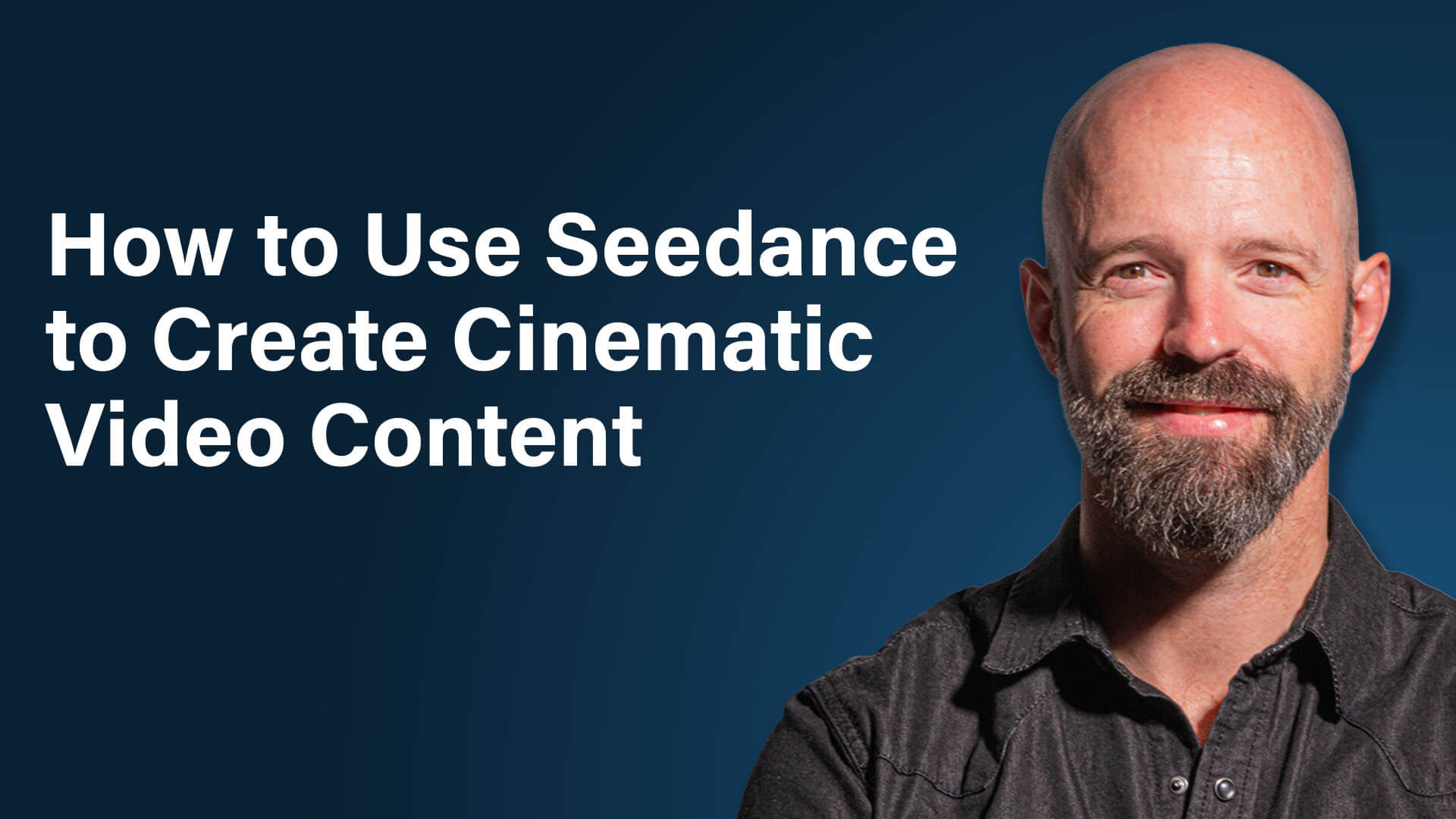
The perception of AI video has been marred by the viral, distorted clips of the early experimental phase. However, we have entered a period of professional-grade production. Ross Symons, Chief Creative Officer of Zen Robot, suggests that the gap between amateur output and cinematic quality is not found in the tools themselves, but in the creative methodology.
The Myth of "Easy" AI Video
The biggest misconception in the industry is that AI video is a "one-click" solution. Professional results require a departure from casual prompting. Success hinges on a deep understanding of the differences between large language models (LLMs) and diffusion models. While an LLM is excellent for narrative conceptualization, a diffusion model requires specific visual instructions—composition, lighting, and camera movement—to achieve professional parity.
The Workflow: Concept Before Code
Symons advocates for a "storyboard-first" approach. By defining the narrative framework before touching a video generation tool, creators can ensure that the AI output serves the story rather than dictating it.
- Key Visuals: Utilizing specific director names as creative shorthand allows for intentional, atmospheric framing.
- The Keyframe Method: To avoid the "spaghetti arms" and fluid-motion glitches common in long-form AI video, creators must master start-and-end frame anchoring. By stringing together individual clips through a structured sequence, one can produce a cohesive video that adheres to professional editing standards.
3. Chronology of Recent Industry Developments
The week of September 14–20, 2026, has been particularly transformative. Below is a timeline of the most significant announcements impacting the professional AI ecosystem:
- September 16, 2026: Anthropic announces the launch of Claude Opus 5.5, focusing on high-stakes tasks like coding and biology. Simultaneously, the company merges its Chat, Cowork, and Artifacts interfaces into a unified workspace.
- September 18, 2026: Meta rolls out Muse AI for macOS, granting the agentic assistant native control over desktop applications, including email, calendar, and file management.
- September 19, 2026: OpenAI unveils a massive expansion of its advertising ecosystem, integrating Sponsored Agents and deep HubSpot/Shopify compatibility to allow businesses to manage full-funnel marketing directly within ChatGPT.
4. Supporting Data: The Shift in Model Capabilities
The release of Claude Opus 5.5 signifies a broader trend: the convergence of high performance and low operational cost. Anthropic’s latest update highlights that "efficiency" is now as critical as "intelligence."
- Performance Metrics: The 5.5 series offers expanded safeguards for sensitive cybersecurity research and biological modeling, signaling a move toward enterprise-grade safety standards.
- Operational Integration: The unification of Claude’s interface suggests that "siloed" AI tools are becoming a liability. Modern workflows are increasingly requiring AI that can switch context—from document creation to slide-deck presentation—without requiring the user to move between browser tabs or standalone applications.
5. Official Responses and Strategic Implications
Industry leaders, including Michael Stelzner of Social Media Examiner, emphasize that the greatest threat to a professional’s productivity is "platform fragility."
The Resilience of Workflow
When a specific AI tool goes down, changes its pricing, or updates its UI, those who rely on "platform-specific" knowledge often see their productivity evaporate. The strategic recommendation is to build workflow-agnostic systems. By focusing on the method of information processing—such as the four-step agentic method—professionals can ensure that their operations remain intact even if the underlying AI model is swapped.
The Commercialization of Conversation
OpenAI’s push into advertising represents a paradigm shift in how businesses interact with leads. By moving from static ads to Sponsored Agents, OpenAI is effectively turning the chatbot into a salesperson. This implies that the future of digital marketing will not be about driving traffic to a landing page, but about driving users into a conversation where an AI agent can qualify, educate, and convert them in real-time.

6. Implications for the Future of Work
As these tools evolve, the role of the human operator is undergoing a fundamental transformation from "doer" to "architect."
- The Rise of the Agentic Architect: Professionals will spend less time writing content and more time building the "forms" and "triggers" that allow AI to execute complex, multi-step sequences.
- The Death of the Generic: As AI video and content generation become democratized, the competitive advantage will shift toward unique creative direction and narrative control. If anyone can generate a video, the value lies in the concept and the visual storytelling strategy.
- Cross-Platform Integration: The future of work is "native." With Meta’s Muse integrating directly into the Mac desktop and Anthropic merging its suite of tools, the boundary between "the computer" and "the AI" is disappearing. Users will soon expect their OS to be an AI-driven environment rather than a collection of disparate apps.
Conclusion: Preparing for the Next Phase
The velocity of these updates suggests that the "wait and see" approach is no longer viable. Whether it is mastering the use of forms for data collection, adopting a storyboard-first approach to AI video, or integrating agentic assistants into daily desktop workflows, the objective remains the same: momentum.

The tools we use today may be obsolete in six months, but the workflows we build—the logic, the structures, and the creative frameworks—will define the winners of the next phase of the AI revolution. Professionals should prioritize building systems that are modular, resilient, and, above all, capable of translating simple inputs into high-impact, autonomous action.