As the 2026 midterm elections approach, the rapid proliferation of hyperscale data centers has transformed from a quiet infrastructure issue into a flashpoint of political contention across the United States. While these facilities form the backbone of the global artificial intelligence revolution, their physical footprint is creating unintended—and often severe—consequences for the communities that host them. Among the most pressing concerns is the exacerbation of the “urban heat island” effect, a phenomenon now linked directly to the massive waste heat generated by server cooling systems.
In cities like Phoenix, Arizona, where extreme heat is already a public health crisis, new research from Arizona State University (ASU) suggests that these data centers can raise local ambient temperatures by as much as 4 degrees Fahrenheit. This discovery has catalyzed a wave of local policy interventions, legal battles, and grassroots activism that is forcing a long-overdue national conversation about the sustainability of the digital age.
The Policy Vacuum: A Modern Infrastructure Crisis
For decades, data centers were treated as benign, light-industrial additions to the urban landscape. They were largely invisible, quiet, and occupied by modest equipment. Local zoning boards often categorized them alongside warehouses or office parks, applying standard industrial regulations that failed to account for their unique environmental requirements.
However, the rise of "hyperscale" facilities—driven by the insatiable energy demands of AI computation—has rendered those legacy regulations obsolete. A single modern AI data center can consume as much electricity as a mid-sized American city. The Bipartisan Policy Center, in a 2026 report, noted that the speed and scale of this development have significantly outpaced existing utility planning frameworks and community engagement practices. Consequently, urban policymakers are now scrambling to draft ordinances for a technology that has already become deeply embedded in their municipal infrastructure.
Chronology of a Conflict: From Incentives to Moratoriums
The trajectory of data center development in the American Southwest serves as a case study in the risks of unchecked growth.
- 2010–2024: Arizona aggressively courts the tech industry, offering lucrative tax incentives to attract data center operators to the Phoenix metro area. This period sees the installation of over 100 facilities.
- 2025: Facing mounting public pressure regarding water usage and noise, the City of Phoenix formally adopts its first data center-specific zoning ordinance. This policy introduces stricter design standards and requires special permits for new builds.
- Early 2026: Following the adoption of the ordinance, 11 developers file lawsuits against the city, citing state law "Prop 207," which allows landowners to seek compensation if zoning changes diminish property value. Claims total over $750 million.
- June 2026: Arizona state officials pass a three-year moratorium on tax incentives. However, the policy triggers a "gold rush" effect; the state receives 113 applications for tax breaks in the weeks leading up to the moratorium, matching the volume of the previous 13 years combined.
- Present: As Phoenix tightens its grip, developers pivot to neighboring jurisdictions like Peoria, which are now forced to consider their own restrictive zoning measures in real-time.
The Physics of Heat: Supporting Data from ASU
The most alarming development in this saga is the emergence of precise data regarding "waste heat." While remote satellite imaging had previously hinted at the heat signature of data centers, researchers at ASU’s School of Geographical Sciences and Urban Planning have provided the first ground-level validation of the threat.

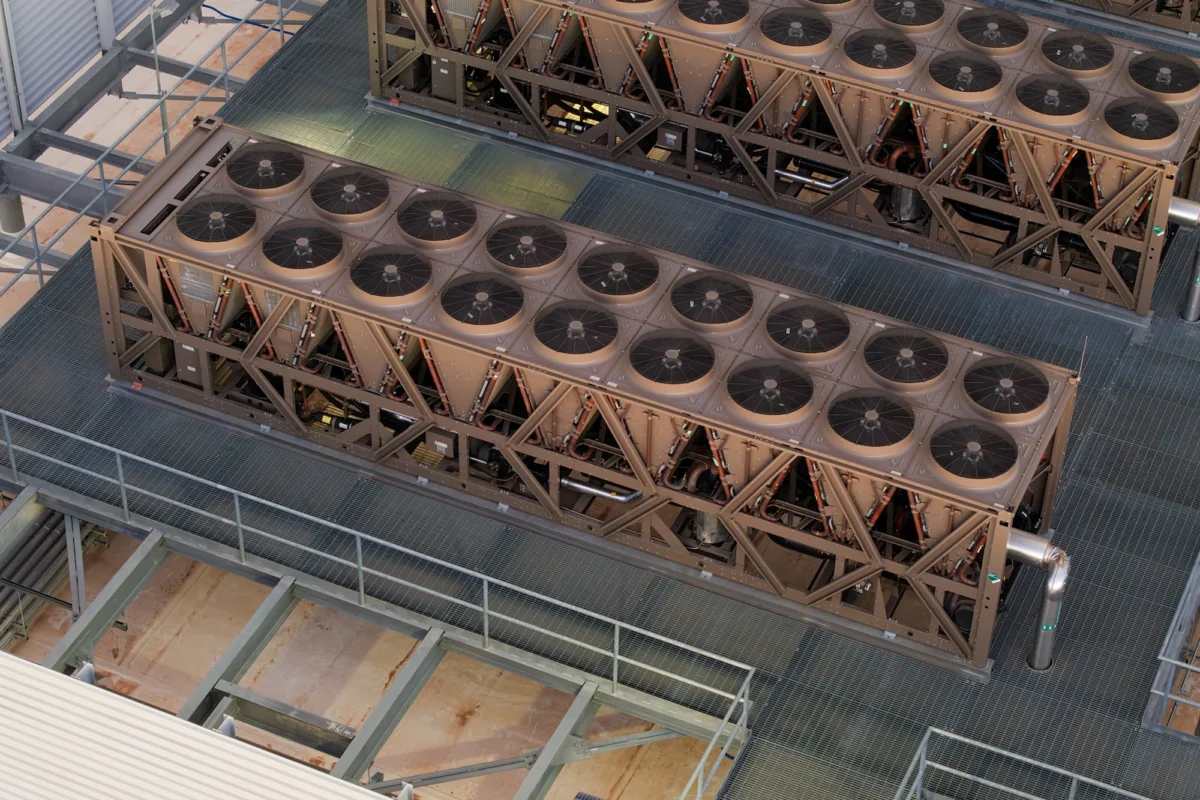
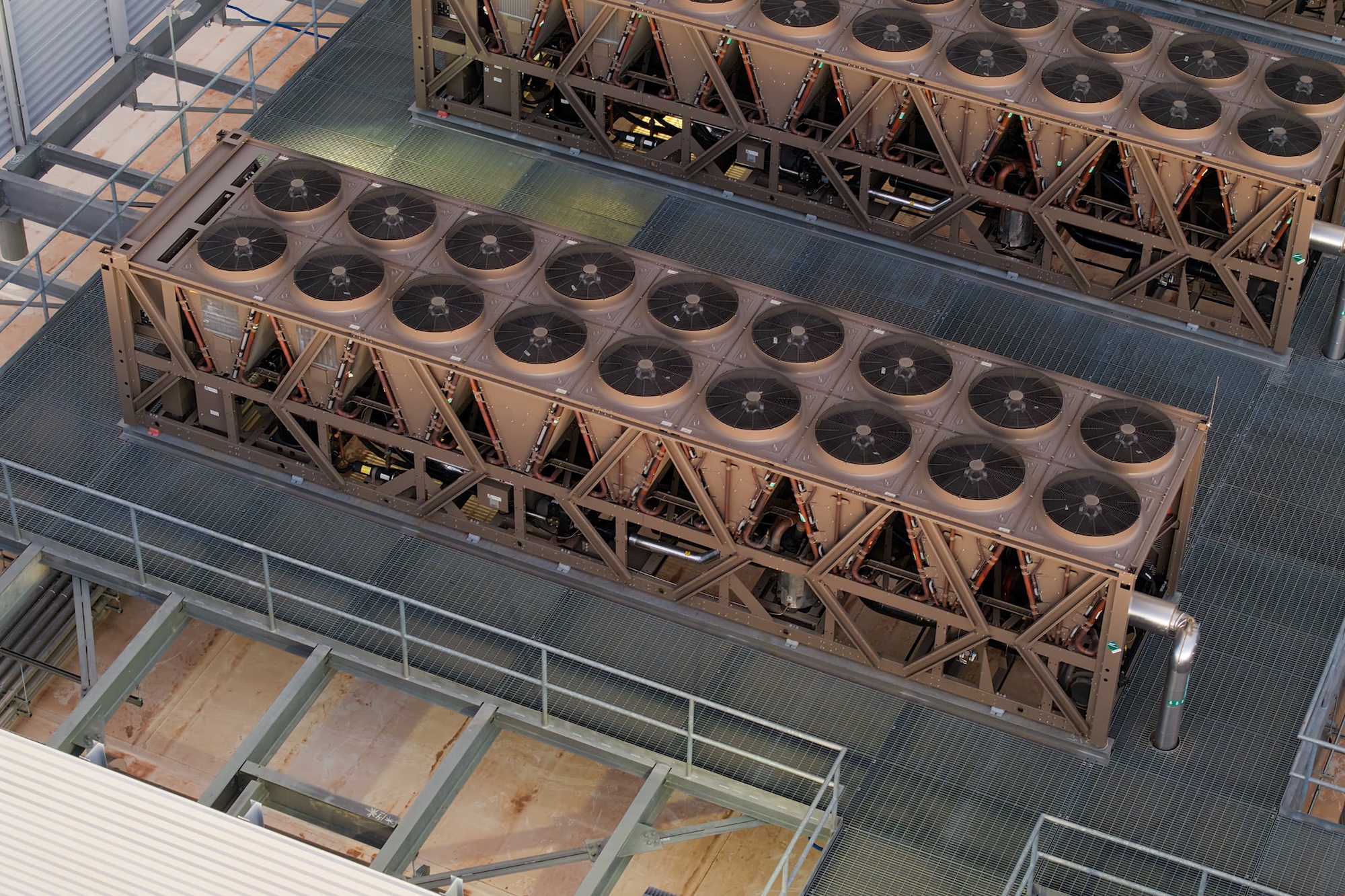
By placing air temperature sensors upwind and downwind of four typical hyperscale facilities in the Phoenix area, researchers found that the heat rejection process—necessary to keep servers from melting—creates a measurable thermal hazard. The heat, exhausted through massive cooling towers, is not contained within the property line; it travels up to five city blocks, effectively creating a localized micro-climate that is significantly hotter than the surrounding area.
"Even if these data centers only contribute to an additional heat island magnitude of one or two degrees, that can still have a very significant impact on our lives," explains David Sailor, director of the ASU school. Given that Phoenix already experiences UV indices exceeding 11 during the summer months, this additional heat is not merely an inconvenience; it is a direct threat to public health, increasing the risk of heat-related illnesses for residents in the immediate vicinity.
Official Responses and the Corporate Pivot
The response from the private sector has been a mix of defensiveness and strategic relocation. Companies like Aligned Data Centers, when faced with strict zoning in Phoenix, simply moved their operations 15 miles away to Peoria. This "regulatory arbitrage"—where developers seek the path of least resistance—highlights the limitations of city-level governance.
In response, municipalities are attempting to form regional alliances. The Global Urban Data Centres Pact, involving 42 cities including Phoenix and various international counterparts, represents a collaborative effort to establish global standards. Rather than advocating for a total halt to construction, the Pact promotes:
- Waste Heat Recovery: Mandating that data centers recycle excess heat for local district heating or industrial processes.
- Water Conservation: Moving away from water-intensive cooling towers toward closed-loop or dry-cooling systems.
- Clean Energy Integration: Requiring operators to offset their massive energy consumption with direct investments in local renewable infrastructure rather than just purchasing "green credits."
The Human Cost: Community Mobilization
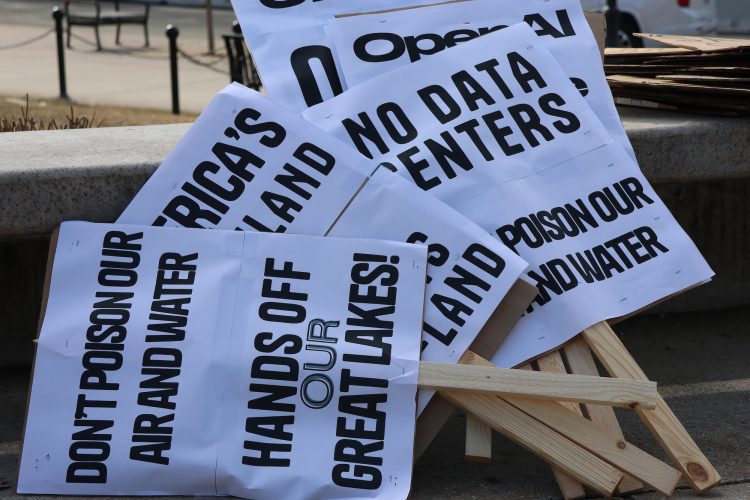
The political implications of this crisis have reached a fever pitch. In cities like Aurora, Colorado, the proposed "Trident" data center—complete with 28 diesel backup generators—has sparked intense public outrage. During a recent city council meeting, residents ranging from teenagers to senior citizens testified for hours against the project.
The testimony of Dan Bergander, a resident of a local senior living facility, captured the growing sentiment of betrayal: "You on city council will one day settle into retirement, and I certainly hope you’re not betrayed by developers and government officials." This level of public engagement is no longer an outlier; it is becoming the standard response to proposed facilities across the country.
Implications for the 2026 Midterms and Beyond
The "silicon heat" issue has effectively rippled into the 2026 midterm election cycle. With 399 local moratoriums and 32 pieces of state legislation currently active, the question of who manages the physical infrastructure of the internet has become a litmus test for candidates.
Voters are increasingly demanding that data centers be held to the same environmental and public health standards as any other heavy industrial neighbor. The implications are clear: the era of "invisible" data center growth is over. Future development will likely be contingent upon three factors:
- Transparency: Providing neighbors with clear, independent assessments of noise, air quality, and thermal impact.
- Accountability: Ensuring that developers contribute to the local grid and water infrastructure they utilize, rather than simply passing those costs onto residential ratepayers.
- Innovation: Moving toward "climate-positive" designs that mitigate, rather than exacerbate, the urban heat island effect.
As we head toward Election Day on November 3, 2026, the intersection of digital progress and physical sustainability will remain a critical issue. The ASU study serves as a warning that technology cannot exist in a vacuum. As the climate warms, the cooling of our servers cannot come at the expense of our cities’ livability. The challenge for the next generation of policymakers will be to ensure that the digital revolution does not turn our neighborhoods into urban furnaces.