Introduction: The Bond Market’s Cold Shoulder
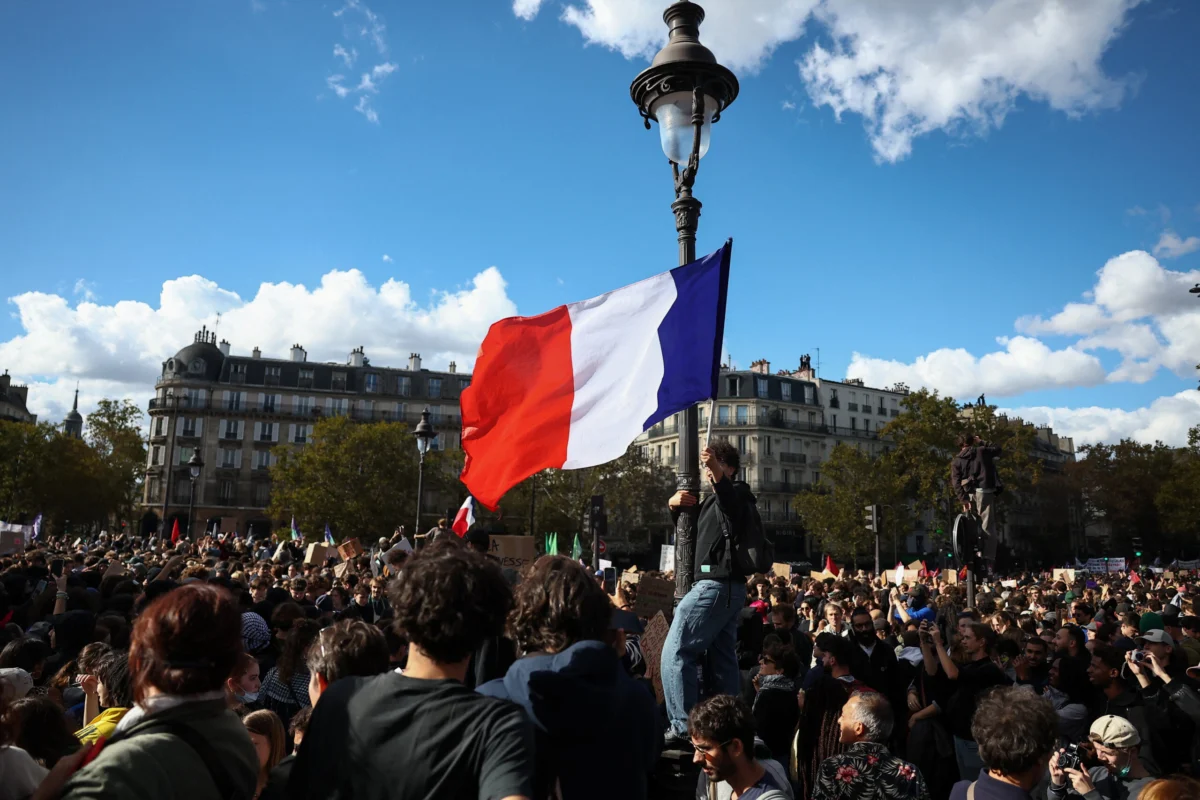
France, long considered the bedrock of eurozone stability, now finds itself at the epicenter of a harrowing bond market rout. As institutional investors rapidly divest from French government bonds (OATs), the narrative surrounding the Fifth Republic has shifted from one of European leadership to one of fiscal fragility. With public debt projected to reach a staggering 119% of GDP by 2026, a fractured parliament, and a surging wave of student protests, the "French model" is being stress-tested to its breaking point.
For international investors, the current turmoil is the culmination of years of fiscal indulgence and political paralysis. What was once viewed as the eurozone’s "safe asset"—a necessary alternative to the scarce supply of German Bunds—is now being repriced with a heavy risk premium.
Chronology of a Fiscal Decline
The roots of the current crisis are deep, but the acceleration has been marked by a series of political and economic miscalculations.
- 2020–2022: The "Whatever It Takes" Era: Following the onset of the COVID-19 pandemic and the subsequent energy crisis sparked by Russia’s 2022 invasion of Ukraine, the French government unleashed unprecedented fiscal stimulus. Programs ranging from furlough schemes to energy subsidies and niche consumer vouchers were initially seen as essential buffers. However, the failure to withdraw these measures as the crises abated left the structural deficit bloated.
- May 2022: The Default Reelection: President Emmanuel Macron secured a second term, but the victory was hollow. The lack of a parliamentary majority turned the legislative process into a theater of obstruction.
- 2023–2024: The Pension Standoff: The attempt to reform the unsustainable pension system—which consumes nearly 25% of all public spending—became a lightning rod for national discontent. The use of Article 49.3 to bypass the National Assembly deepened the chasm between the executive and the electorate.
- June 2024: The Strategic Gamble: Following a crushing defeat in the European elections, Macron dissolved the National Assembly, calling for snap elections that resulted in a three-way parliamentary gridlock.
- October 2026: The Resilience of Lecornu: Prime Minister Sébastien Lecornu, having survived a resignation crisis just 24 hours into his term, now leads a precarious government tasked with an impossible mission: a €54 billion budgetary adjustment.
The Anatomy of the Crisis: Supporting Data
The financial markets are not merely reacting to sentiment; they are responding to a hard, unyielding set of numbers.
The Debt-to-GDP Trap
France’s debt trajectory is no longer sustainable under current growth forecasts. With the Ministry of Finance expecting debt to hit 119% of GDP by 2026, the cost of servicing this mountain of debt is rising as interest rates remain elevated. Even as the government attempts to pivot toward austerity, exogenous shocks—such as the instability in the Strait of Hormuz—have kept growth forecasts in check and deficit projections hovering above 5% of GDP.
The Pension Squeeze
Perhaps the most significant structural barrier to fiscal health is the pension system. By allocating a quarter of the national budget to pensions, the state has effectively cannibalized its future. Investments in education, infrastructure, and green technology are being sacrificed to maintain the purchasing power of a demographic that remains the most potent voting bloc in the country. Recent student protests, fueled by the deterioration of school facilities and a shortage of teachers, serve as a visceral reminder of the opportunity cost of this fiscal prioritization.
Official Responses and Political Maneuvering
The current administration, led by Sébastien Lecornu, has signaled a fundamental shift in strategy: the breaking of the "pension taboo." The draft 2027 budget proposes a dual-pronged approach: capping the indexation of pensions above €1,260 per month and reducing tax rebates for retirees.
The Left-Wing Resistance
The political left, led by Jean-Luc Mélenchon, has responded with radical rhetoric. Mélenchon has called for the European Central Bank (ECB) to cancel its holdings of French debt, a move that would effectively destroy the credibility of the Eurozone. His threats to seek legal action against the Governor of the Banque de France for suggesting budget discipline underscore the volatile nature of the current parliamentary opposition.
The Far-Right Strategy
Marine Le Pen’s National Rally is adopting a more nuanced, if cynical, approach. Recognizing that the presidency is within reach, Le Pen is attempting to shed the party’s reputation for economic incompetence. By keeping the door open to supporting a "reversible" version of the government’s budget, she is positioning herself as a pragmatic leader who can restore order, even while criticizing the specific austerity measures that could hurt her core voter base.
Implications: The "Too Big to Fail" Dilemma
The gravity of the situation cannot be overstated. Unlike the smaller economies of the Eurozone, France is systemic. Its collapse would dwarf the rescue mechanisms established during the 2010s.
A European Crisis of Confidence
If France cannot stabilize its budget, the very architecture of the Eurozone is at risk. There is no existing European or IMF mechanism capable of underwriting a France-sized bailout. As ECB representatives have noted, while conditions have not yet triggered an emergency intervention, the window for a market-led correction is narrowing.
The Risk of Institutional Decay
The ongoing protests and the paralysis of the National Assembly suggest that the problem is not merely budgetary—it is institutional. When a government cannot pass a budget without risking its survival, and when the public rejects even moderate fiscal discipline, the state loses its ability to govern. The reliance on constitutional shortcuts like Article 49.3 has alienated a significant portion of the populace, making the "tough decisions" required to lower the deficit nearly impossible to implement without widespread civil unrest.
Conclusion: The Path Ahead
The path to fiscal redemption for France is narrow and fraught with political peril. It requires a rare alignment of interests: the government must deliver credible, structural spending cuts; the opposition must accept that the status quo is a recipe for national decline; and the public must confront the reality that the "coddled" status of its pension system is a luxury the country can no longer afford.
The bond market is sending a clear message: time is running out. Whether France chooses the path of painful reform or the path of continued gridlock will determine not just the future of the French economy, but the stability of the European project itself. As policymakers in Paris debate the minutiae of the 2027 budget, the shadow of a sovereign debt crisis looms ever larger. The question remains whether the French political class can prioritize the longevity of the state over the short-term satisfaction of its voters. Bonne chance.