By Adrianne Appel
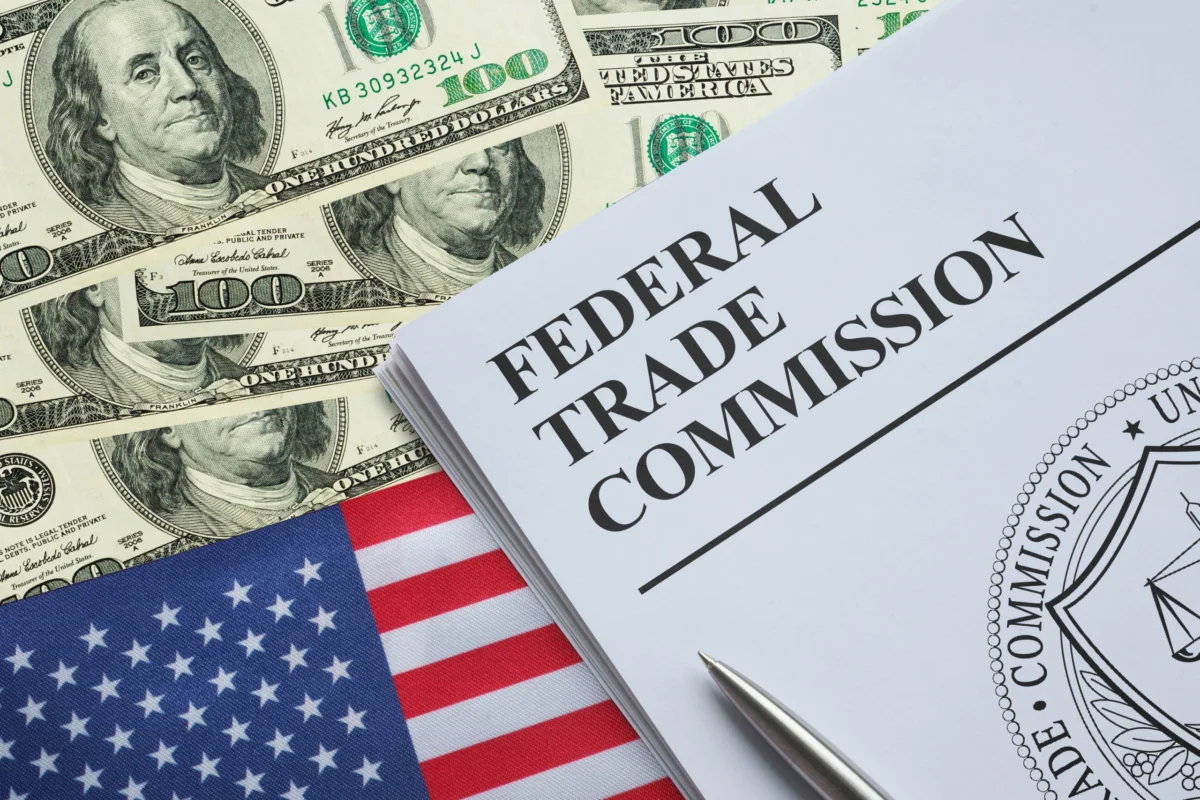
In a significant enforcement action aimed at the rapidly growing “fintech” sector, the U.S. Federal Trade Commission (FTC) has secured a $17 million settlement with Cleo AI, a popular cash advance application. The settlement, finalized following a complaint filed in the U.S. District Court for the Southern District of New York on March 27, 2025, mandates that the company overhaul its advertising and billing practices while submitting to a decade of rigorous federal compliance monitoring.
The case centers on allegations that Cleo AI misled over two million consumers regarding the accessibility of its financial services and the true cost of borrowing. For a company marketed as an “AI-powered” tool for financial health, the FTC’s findings suggest a stark disconnect between the platform’s brand promise and its operational reality.
Main Facts: The Allegations Against Cleo AI
The FTC’s complaint paints a picture of a company that leveraged the promise of immediate financial relief to attract cash-strapped users, only to subject them to a cycle of disappointment and hidden costs. According to federal regulators, Cleo AI’s marketing materials were fundamentally deceptive.
Misleading "Instant" Access
The core of the FTC’s grievance lies in the company’s advertising, which frequently promised users access to "hundreds of dollars" in cash advances. Regulators contend that these advertisements were misleading because the vast majority of users were never eligible for the advertised amounts. Instead, customers frequently found their borrowing limits to be significantly lower than what they were led to believe, often falling well short of the "hundreds" promised in promotional campaigns.
The "Surprise Fee" Ecosystem
Beyond the availability of funds, the FTC scrutinized the company’s fee structure. Cleo AI allegedly charged "surprise" fees for expedited cash advances—services marketed to arrive on the same day. In many instances, the funds failed to arrive within the promised timeframe, yet the company retained the expedited service fees. By failing to disclose the likelihood of delays or the precise conditions under which these fees were triggered, the FTC argues that Cleo AI engaged in unfair and deceptive trade practices that disproportionately affected vulnerable consumers living paycheck to paycheck.
Chronology: A Regulatory Timeline
The investigation into Cleo AI did not occur in a vacuum; it represents the culmination of a broader federal push to regulate the "Earned Wage Access" (EWA) and cash advance industry.
- 2020–2024: During this period of rapid expansion for the app, Cleo AI gained millions of users, positioning itself as a modern alternative to predatory payday lenders. However, consumer complaints began to surface on various forums and regulatory databases regarding unexpected charges and limited access to cash.
- Early 2025: The FTC intensified its scrutiny of non-bank financial institutions and AI-driven fintech apps. Investigators focused on whether Cleo AI’s proprietary algorithms were being used to obscure true borrowing costs.
- March 27, 2025: The FTC filed its formal complaint in the Southern District of New York, detailing the specific instances of deception.
- Late March 2025: Cleo AI entered into a stipulated order with the FTC to resolve the allegations.
- Current Status: The company is now entering a 10-year period of mandated oversight, requiring the implementation of new internal controls, mandatory disclosures, and third-party compliance audits.
Supporting Data: The Scale of the Fintech Crackdown
The $17 million penalty is reflective of the sheer volume of users impacted by Cleo AI’s operations. With more than two million customers, the impact of these "surprise fees" and limited access to funds amounts to a significant systemic issue.
The FTC has noted that the "payday-alternative" market has exploded in recent years. Data suggests that as traditional banks have tightened lending requirements, millions of Americans have turned to apps like Cleo. However, these apps often occupy a legal gray area. Unlike traditional banks, many cash advance apps have argued they are not "lenders" but rather "financial management tools," thereby attempting to bypass state-level usury laws and interest rate caps.
The FTC’s settlement with Cleo AI acts as a clear signal that the agency is no longer buying the "tech platform" defense. If a company provides cash based on future earnings, the FTC will hold it to the same transparency standards as traditional lenders.
Official Responses and Stakeholder Reactions
The FTC’s Perspective
In its official release, the FTC underscored the importance of protecting consumers from "algorithmic deception." An agency spokesperson noted, “When companies use AI or sophisticated marketing to lure customers with promises of instant financial relief, they must ensure that those promises are truthful. Cleo AI failed to do so, prioritizing rapid growth over the financial well-being of its users.”
Cleo AI’s Response
Cleo AI, while agreeing to the settlement, has maintained that it is committed to improving its user experience. In a brief statement following the announcement of the settlement, the company noted that it would be working closely with the FTC to ensure that all future advertising and fee disclosures meet the new, rigorous federal standards. The company stopped short of a full admission of wrongdoing, characterizing the settlement as a "mutually agreed-upon resolution to avoid protracted litigation."
Consumer Advocacy Groups
Advocacy groups, such as the Center for Responsible Lending, have lauded the move. Many such organizations have long argued that cash advance apps essentially function as high-interest payday loans disguised with "tip-based" or "subscription-based" models that circumvent traditional consumer protections.
Implications: The Future of Fintech Regulation
The settlement with Cleo AI carries profound implications for the future of the fintech industry.
1. Increased Scrutiny on "AI-Driven" Marketing
The use of AI in marketing is now a major target for federal regulators. If a company’s algorithm limits a user’s access to funds while the marketing implies universal eligibility, regulators are increasingly likely to view this as a form of "deceptive design" or "dark patterns." Companies will need to audit their marketing algorithms to ensure they reflect the actual experience of the average user.
2. A 10-Year Compliance Shadow
The requirement for Cleo AI to adhere to compliance obligations for a full decade is a severe penalty. It forces the company to allocate significant resources toward legal and compliance departments, potentially slowing down product innovation. This "compliance tax" is expected to become the new normal for fintech firms that reach a certain scale of operation.
3. The End of the "Wild West"
For years, the cash advance app industry has operated with limited federal oversight compared to traditional banking. The Cleo AI settlement marks a turning point. The FTC is signaling that it will harmonize the rules for digital lenders with the rules for traditional finance. Smaller apps in the sector are likely to face similar pressure in the coming months as the agency continues its broader review of the sector.
4. Re-evaluating Subscription and "Tip" Models
Cleo and its competitors have frequently used subscription fees or "tips" to avoid being classified as lenders. The FTC’s focus on the total cost of the transaction—including these hidden or mandatory fees—suggests that regulators are moving toward a "true APR" (Annual Percentage Rate) calculation for all cash advance products. This could fundamentally alter the business model for the entire industry.
Conclusion
The $17 million settlement between Cleo AI and the FTC is more than just a fine; it is a structural mandate that reshapes how the company must operate for the next decade. As the fintech sector matures, the era of unbridled growth at the expense of consumer transparency is drawing to a close. For the millions of users who rely on these apps for emergency cash, the FTC’s intervention provides a necessary layer of protection, ensuring that the services they use are as transparent as they are technologically advanced.
As this case moves into its implementation phase, industry observers will be watching closely to see how other players in the space respond. One thing is clear: the digital wallet of the future will be subject to the same oversight as the brick-and-mortar bank of the past. The "AI-powered" promise of financial freedom now comes with a very traditional, very federal requirement: honesty.