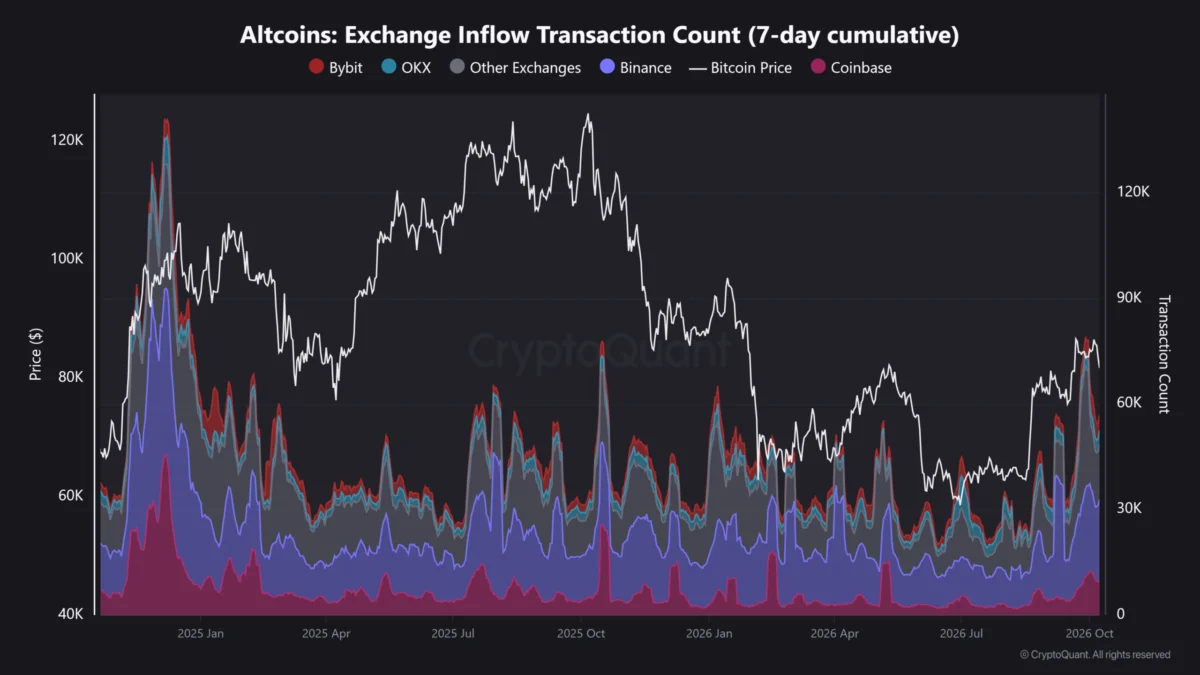
The cryptocurrency market is currently navigating a pivotal transition. After a vibrant, high-octane performance in the third quarter of 2026, the "altcoin season"—a period characterized by exponential growth in non-Bitcoin digital assets—appears to have hit a significant roadblock. Following a period of aggressive profit-taking and a cooling-off in investor sentiment, market participants are now left questioning whether the explosive rally of late Q3 was merely a temporary surge or the prelude to a more sustained, long-term market correction.
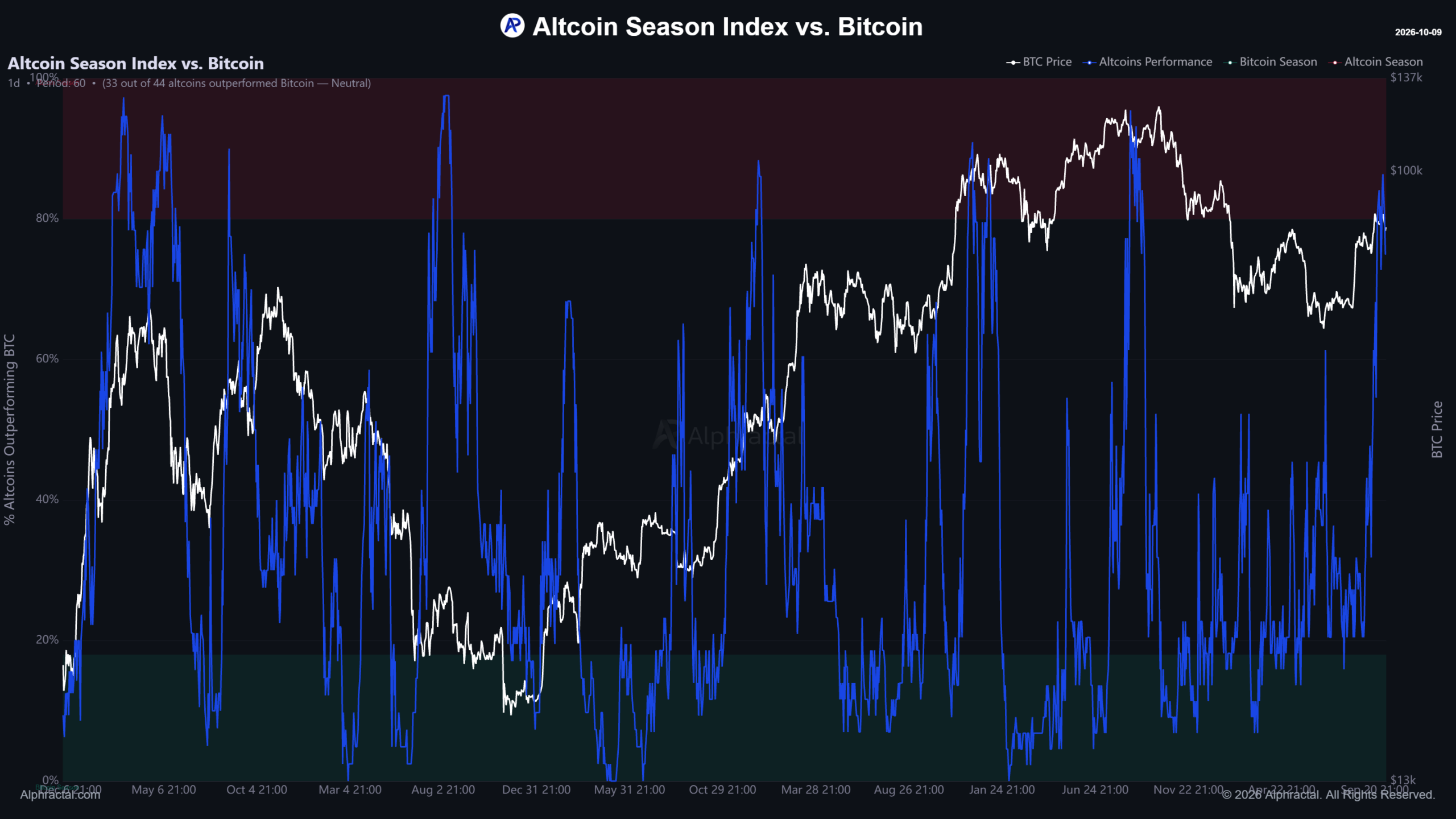
According to prominent on-chain analysts, the Altcoin Season Index has officially crossed into an "overheated" territory, signaling that the momentum that propelled assets like Ethereum, Solana, and XRP to double and triple-digit gains in Q3 is beginning to wane. As the market pivots, liquidity appears to be rotating back toward the safety of Bitcoin and stablecoins, prompting a widespread re-evaluation of portfolios.
Main Facts: The Shift in Market Dynamics
The core narrative currently dominating the crypto space is the transition from "risk-on" altcoin speculation to a more conservative defensive posture. On-chain analyst Joao Wedson has been vocal about this shift, noting that the metrics typically associated with an altcoin season have peaked. When the Altcoin Season Index enters these extreme zones, it historically precedes a reversal where capital exits speculative assets and flows into the "flight to safety" category, primarily Bitcoin (BTC) and Tether (USDT).
This is not merely a theoretical observation; it is evidenced by the price action observed since the beginning of October. Bitcoin, while experiencing its own volatility, has shown greater resilience compared to the broader altcoin market. Conversely, high-beta assets—those that tend to move more aggressively than the market—have faced sharp corrections. Ethereum (ETH) has retreated from the $2,800 level to below $2,500, while assets like XRP and Solana have seen double-digit percentage pullbacks. This phenomenon is a classic hallmark of a market that has become overextended and is now purging excess leverage.

A Chronology of the Q3 Rally and Recent Retracement
To understand the current state of the market, one must examine the timeline of the recent surge. The third quarter of 2026 was marked by an aggressive appetite for risk. Institutional interest and retail speculation converged, creating a perfect storm for altcoins.
- Early Q3: Markets began a steady climb, with capital flowing heavily into Layer-1 protocols and DeFi tokens.
- Late Q3 (September): The rally reached a fever pitch. Assets that had been dormant for months suddenly recorded triple-digit gains, pushing the Altcoin Season Index to its yearly maximum.
- October 2nd: The turning point. Bitcoin, which had been trading near $87,000, began to face resistance. As BTC price dipped toward $80,000, the "altcoin contagion" took hold.
- Mid-October: The current phase. We are seeing a consolidation period where the market is attempting to find a new floor. The aggressive inflows into exchanges, as highlighted by CryptoQuant, suggest that investors are moving assets to sell, cementing their Q3 profits rather than holding through the volatility.
Supporting Data: The Anatomy of Profit-Taking
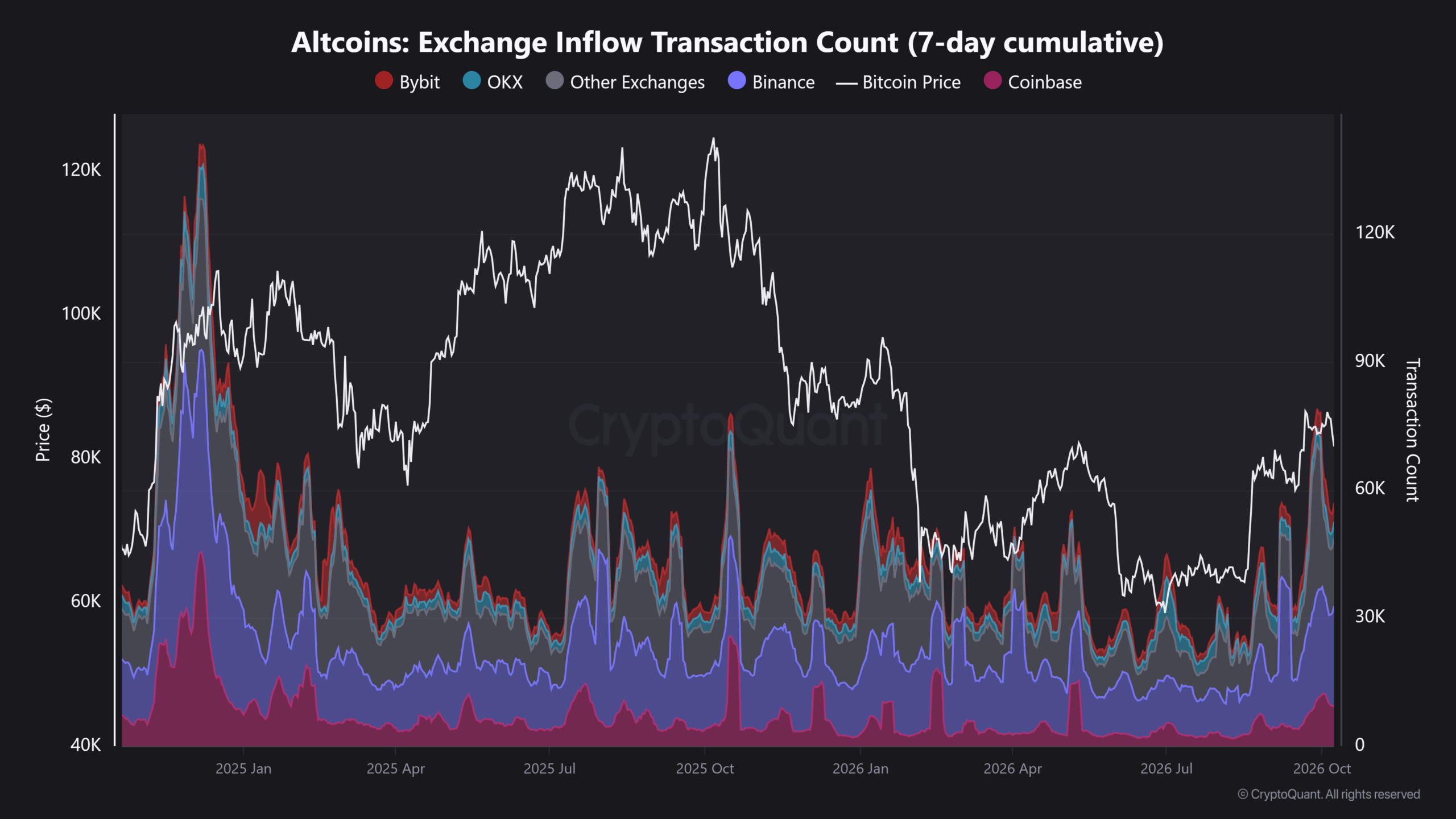
The data provided by industry-leading analytics firm CryptoQuant offers a clear window into the psychology of current market participants. A critical metric, "Altcoins Exchange Inflow," has reached a one-year high. This indicator, which measures the cumulative amount of altcoins being transferred to centralized exchanges, serves as a proxy for sell-side pressure.
When exchange inflows spike, it indicates that holders are liquidating their positions to realize gains. The fact that these levels are comparable to those seen during the market crash of October 2025 is a sobering signal. It suggests that the current correction is not just a minor dip but a systematic exit by institutional and retail whales alike who are seeking to de-risk their portfolios before the end of the year.
Furthermore, the behavior of USDT (Tether) dominance provides a compelling secondary data point. Tether acts as the "parking lot" of the crypto economy. When investors become uncertain, they convert their volatile altcoin holdings into USDT. The recent uptick in USDT market dominance—the percentage of total crypto market cap held in Tether—confirms this capital rotation. As USDT dominance rises, the "dry powder" available for altcoin purchases decreases, creating a mechanical drag on price action.
Implications for Investors: Is the Bull Run Over?
The critical question for investors is whether this is the end of the road or simply a mid-term pause. While the short-term outlook is undoubtedly bearish for altcoins, historical patterns offer a glimmer of hope for those with a longer time horizon.
If we look back at the early stages of the 2023 bull run, we see a striking precedent. During that period, USDT dominance saw a significant decline from 8% to 6%, and eventually to 3.7% in 2024. During that specific window of time, the altcoin market capitalization (excluding Bitcoin and Ethereum) grew from $400 billion to over $1 trillion.
The implication is clear: the current surge in USDT dominance may be a temporary hurdle. If the market mirrors the structural trends of 2023, the current "cool-off" could be the necessary foundation for the next leg of the bull cycle in 2027. The key, according to analysts, is not to panic but to monitor the USDT dominance charts. A reversal in this metric would signal that capital is leaving the safety of stablecoins and re-entering the altcoin market, likely signaling the start of a second, more sustainable wave of growth.
Expert Perspectives and Market Sentiment
Not all voices in the industry are bearish. While the technical data points to a cooling-off period, some analysts believe that the "crypto fiesta" has not been fully cancelled. Aaron Disher, a market commentator and analyst, recently suggested that the market might be more resilient than the indices suggest.
"I think the crypto fiesta can continue this weekend because smaller altcoins are already showing strength while Bitcoin consolidates," Disher noted. This perspective highlights a common market phenomenon: when the "big brothers" (Bitcoin and Ethereum) take a break, liquidity often rotates into smaller, micro-cap tokens that are decoupled from the broader market’s volatility. This "alt-season within a consolidation" is a strategy often used by veteran traders to capitalize on market inefficiencies during downtime.
Final Summary: Navigating the Uncertainty
The current state of the altcoin market is a study in transition. We are moving from a period of euphoric, high-volume growth to a period of institutional profit-taking and technical consolidation.
Key Takeaways:
- Index Overheating: The Altcoin Season Index has peaked, confirming that the initial speculative rush is over.
- Capital Rotation: The movement of funds from altcoins to Bitcoin and USDT is a classic defensive move that limits the immediate upside for smaller tokens.
- Historical Parallels: The current rise in USDT dominance, while bearish for the short term, is a necessary process that historically precedes major, sustainable market rallies.
- Strategic Patience: Investors should watch for a decline in USDT dominance as a primary indicator that the market is ready to resume its upward trajectory.
In conclusion, while the feverish pace of September has undoubtedly slowed, it is premature to declare the end of the broader bull cycle. The market is currently undergoing a healthy, albeit painful, period of recalibration. For those who view the market through a multi-year lens, these corrections are often seen as "buy zones" rather than reasons for abandonment. The path forward will likely be determined by how quickly the market can digest the current profit-taking and whether new capital inflows can outweigh the liquidation pressure currently being exerted on exchanges.