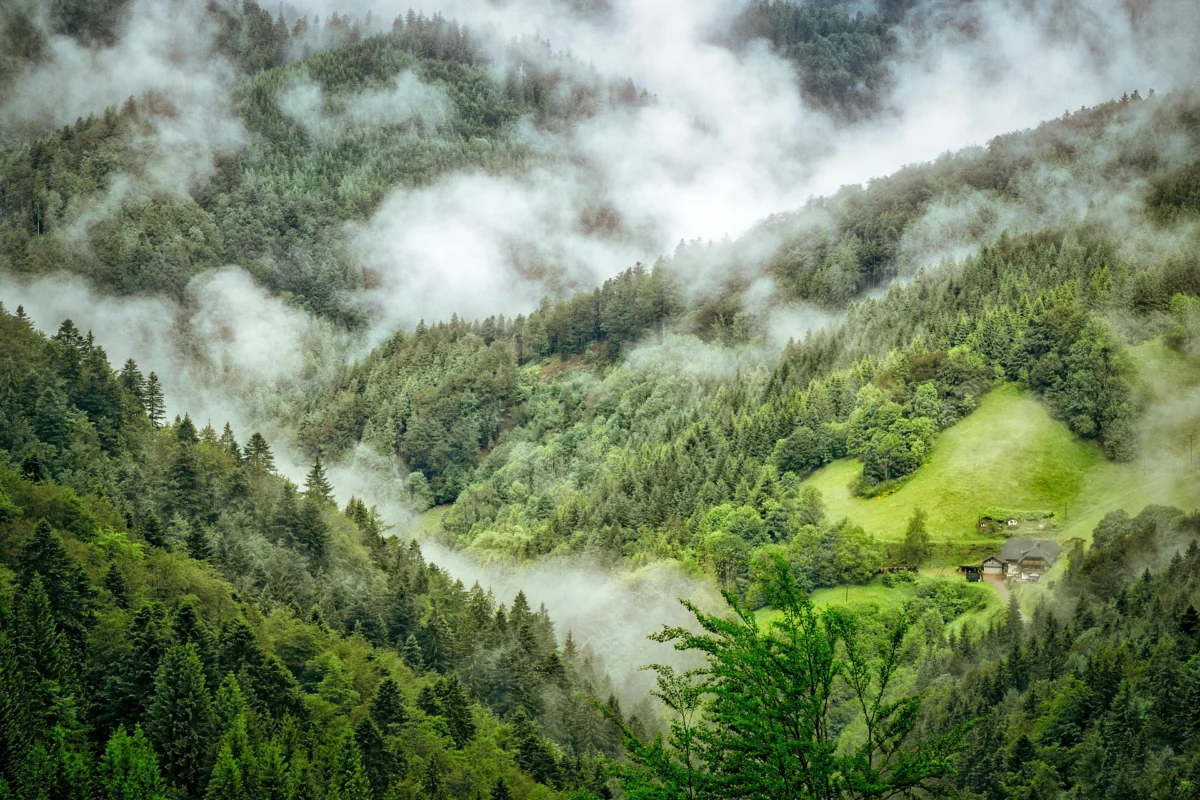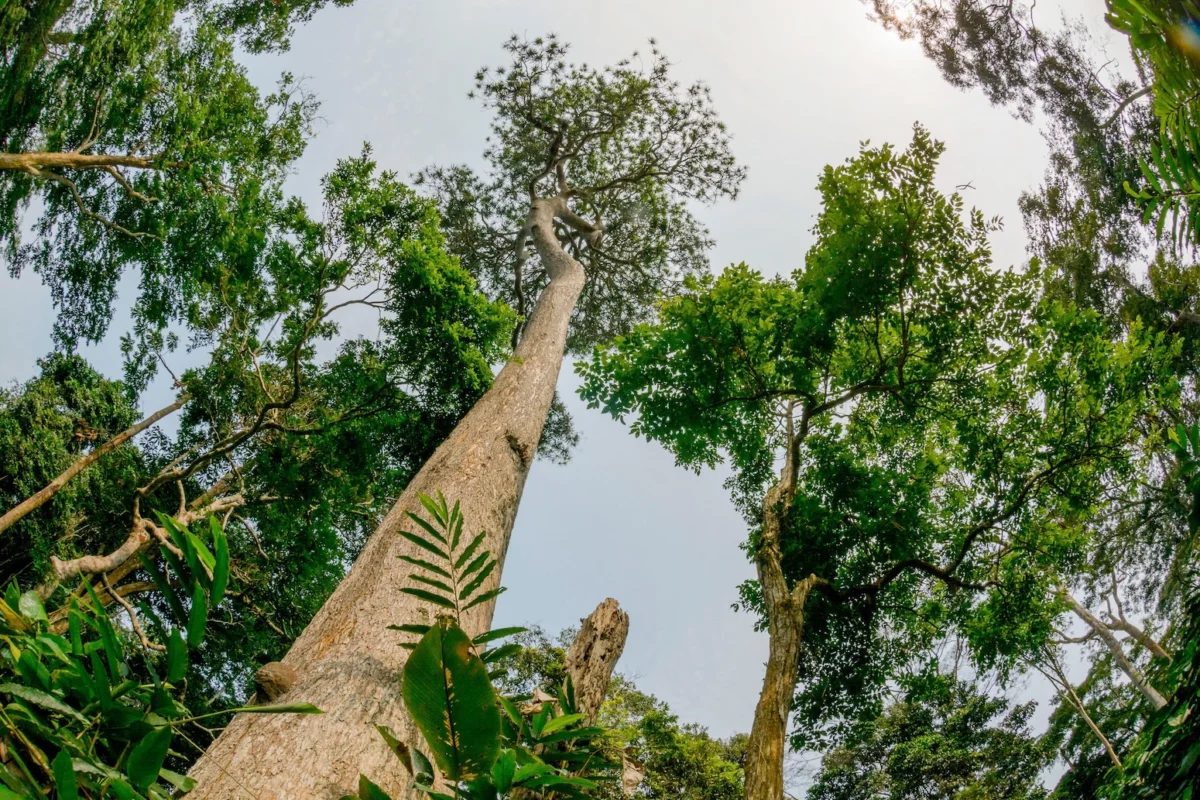
In 2025, the cost of standing between industrial interests and the Earth’s most vital ecosystems reached a devastating new milestone. A comprehensive report by Global Witness has revealed that 124 land and environmental defenders were verified as having been murdered last year while attempting to protect their communities, forests, and water sources from destruction.
While the 2025 figure marks a numerical decline from the 142 killings documented in 2024 and the 196 recorded in 2023, experts caution that these numbers represent only a fraction of the reality. The violence is systemic, pervasive, and increasingly obscured by a shrinking civic space. With over 2,375 killings verified globally since data collection began in 2012, the trend suggests that the struggle for environmental preservation has become one of the world’s most dangerous occupations.
The Geography of Violence: Latin America at the Epicenter
Latin America remains the most perilous region on the planet for those advocating for the environment, accounting for a staggering 85% of all global fatalities in 2025. The region is characterized by a "triple threat": deep-seated corruption, weak legal protections for land rights, and an aggressive, resource-extractive economy.

Colombia: A Persistent Crisis
For the fourth consecutive year, Colombia stands at the top of the global death toll with 39 recorded murders. The country’s ongoing struggles with organized crime groups and armed factions have created a climate of impunity where environmental activists are frequently targeted as impediments to illegal mining, logging, and drug trafficking routes.
Brazil and the Amazon
Brazil, despite hosting the COP30 climate summit last year, saw its number of murdered defenders more than double, rising from 12 in 2024 to 26 in 2025. As the steward of the world’s largest rainforest, Brazil’s internal struggle to protect the Amazon from deforestation and land-grabbing has reached a critical juncture. The surge in violence underscores the disparity between international climate rhetoric and the dangerous reality faced by local protectors on the ground.
The Rise of Organized Crime
The report identifies organized crime and hitmen as the primary perpetrators in over one-third of all global killings. These actors operate within a shadow economy, often colluding with local authorities to ensure that their extractive activities—whether illegal gold mining or large-scale land clearing—proceed without community resistance.

Chronology of a Mounting Crisis
The past decade has documented a steady, albeit fluctuating, tide of violence against defenders.
- 2012–2015: The Emergence of the Pattern. Global Witness began formal tracking, identifying a clear correlation between the expansion of mining and agribusiness and the rise in targeted violence against local leaders.
- 2019–2021: The Pandemic Effect. During the COVID-19 pandemic, lockdowns created a power vacuum in remote regions. Many states shifted their focus away from rural protection, allowing illegal loggers and miners to expand their operations, leading to a spike in targeted assassinations of Indigenous leaders.
- 2023: The Apex. A record-breaking 196 verified killings highlighted the global fragility of environmental governance.
- 2025: A Shift in Tactics. While the total number of physical killings has seen a marginal dip, the nature of the suppression has evolved. There is a marked rise in "soft" violence: legal harassment, the weaponization of surveillance, and the systematic defunding of NGOs, which often precedes the physical violence that continues to claim lives.
Indigenous Stewardship Under Fire
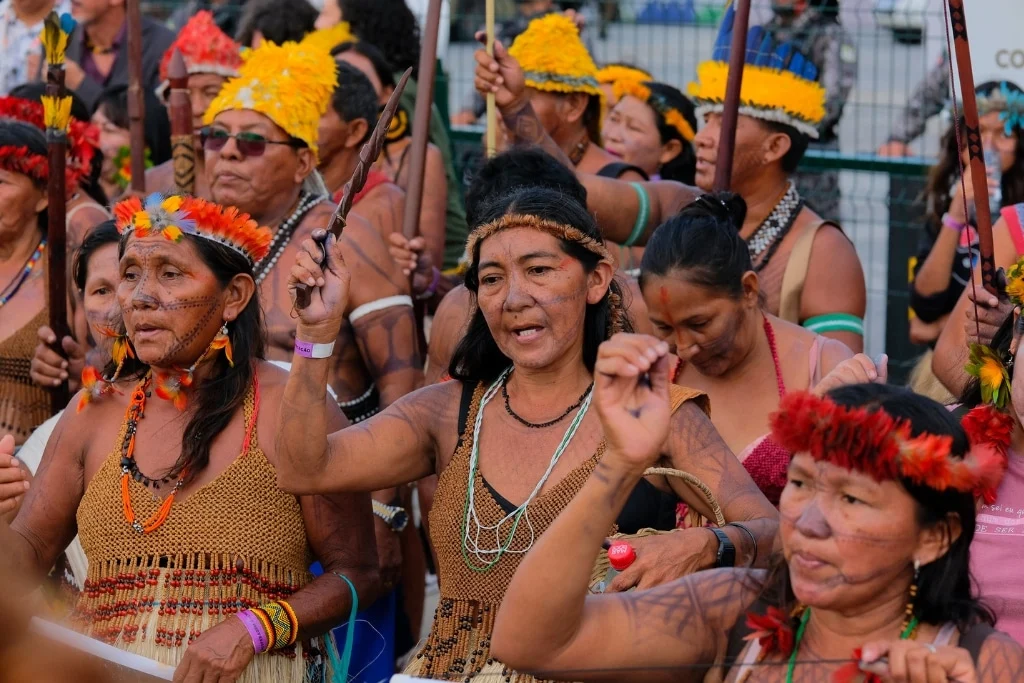
Indigenous peoples are the world’s most effective conservationists, stewarding approximately 20% of Earth’s land, which in turn holds 80% of the world’s remaining biodiversity. Yet, they are disproportionately the victims of the violence associated with this stewardship. In 2025, 43% of all murdered defenders were Indigenous.
The report highlights the specific plight of the Miskitu, Mayangna, and Rama peoples in Nicaragua. Operating under an authoritarian regime, these communities face a total absence of access to justice, leaving them vulnerable to dispossession and violence linked to agribusiness. When Indigenous rights to ancestral land are not legally recognized or enforced, these communities are effectively left unprotected, making them easy targets for corporations and illegal actors alike.

Mining, Logging, and the Engines of Destruction
The primary drivers of this violence are economic. Mining, as the most significant contributor to planet-warming emissions, stands as the biggest industry driver of conflict. In 2025, at least 11 murders were directly tied to opposition against mining operations.
Logging interests followed, accounting for eight killings, while agribusiness was linked to six. The mechanism of conflict is consistent: corporations or illegal actors seek to exploit resources on land that is either legally held or ancestrally occupied. When local communities resist, the response is often not dialogue or negotiation, but intimidation, physical assault, and, in the most extreme cases, targeted killing.
The Chilling Effect of Global Policy Shifts
A significant portion of the 2025 report focuses on the exacerbation of these risks due to shifting international political landscapes. Specifically, the report notes that the policies of the current U.S. administration have had a "ripple effect" of instability.
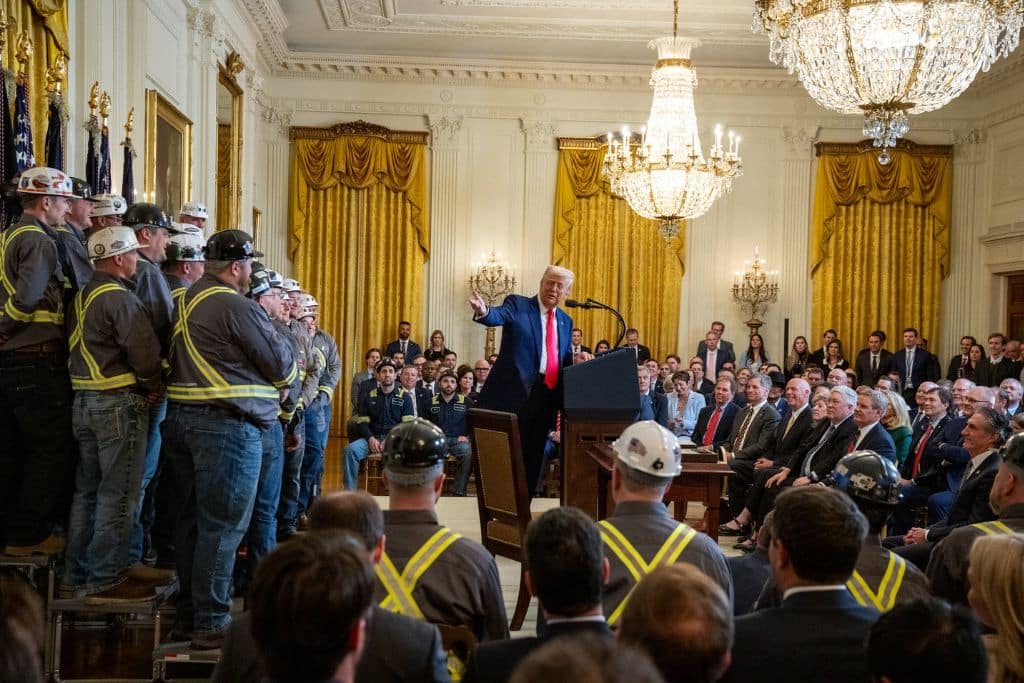
The withdrawal of U.S. funding from key international human rights and climate organizations has crippled local efforts. In Colombia, for instance, the Office of the High Commissioner for Human Rights was forced to dismiss nearly half its staff due to budget cuts. Furthermore, the dismantling of agencies like USAID—which previously supported Indigenous land-stewardship programs—has left a void that is rapidly being filled by entities with little to no regard for human rights.
This global retreat from international cooperation is mirrored by the rise of authoritarianism in Latin America, Central Europe, and elsewhere. By passing laws that restrict the rights and funding of NGOs, governments are effectively stripping defenders of their only protection: the ability to advocate, report, and seek legal redress.
The Peril of the Press: Environmental Journalism
The crisis is not limited to land defenders; it extends to those who document their struggle. UNESCO reports that at least 749 journalists reporting on environmental issues have been subjected to violence, detention, or harassment over the last 15 years. Environmental journalists often find themselves in the crosshairs of the same powerful actors as the activists they cover. By documenting illegal mining, poachers, or corporate pollution, these journalists become threats to lucrative economic interests. The suppression of these stories is essential to maintaining the "climate of impunity" that allows for the physical targeting of activists.

The Path Forward: Demanding Accountability
Global Witness concludes with a set of urgent recommendations for states, corporations, and international financial institutions.
Government Obligations
- Legislative Reform: Countries must adopt and implement the Escazú Agreement, which provides a framework for public participation, access to information, and environmental justice.
- Legal Recognition: States must move beyond rhetoric and formally recognize the ancestral land rights of Indigenous peoples.
- Protection Mechanisms: Governments must stop the weaponization of administrative tools (such as defamation lawsuits) to silence activists and instead invest in, and respect, autonomous protection initiatives like Indigenous guards.
Corporate Responsibility
- Mandatory Due Diligence: Corporations must be held legally accountable for human rights violations in their supply chains. This includes the requirement of "Free, Prior, and Informed Consent" (FPIC) before any land-intensive project begins.
- Grievance Mechanisms: Companies must establish independent and accessible channels for communities to report abuses, with a zero-tolerance policy for violence against those who raise concerns.
The Role of Civil Society
As funding streams from international bodies dry up, the role of independent, donor-supported media and watchdog organizations becomes more critical than ever. The report emphasizes that defenders are the "eyes and ears on the ground." Without their presence, the world would remain blind to the destruction of the very ecosystems upon which all life depends.
Conclusion
The 2025 data serves as a grim reminder that the global climate crisis is inseparable from the human rights crisis. We cannot save the planet while simultaneously silencing the people who are its most effective guardians. As the world faces the existential threat of climate change, the struggle for environmental justice is not just a regional issue—it is a global imperative. The survival of our forests, rivers, and biodiversity is inextricably linked to the safety of the activists who risk their lives to ensure that these resources remain for generations to come. Protecting them is not an act of charity; it is an act of survival.