In the high-stakes world of digital marketing, the "set it and forget it" approach to campaigns is rapidly becoming a relic of the past. Most marketers launch a campaign, monitor it with bated breath, and either celebrate a win or mourn a loss before moving on to the next task. However, this episodic approach to experimentation ignores a fundamental truth of the modern digital landscape: consumer behavior is fluid, and the most successful brands are those that treat optimization as a perpetual cycle rather than a one-time event.
This process is known as iterative testing—a methodology that prioritizes small, evidence-based improvements over the high-risk, high-reward strategy of complete campaign overhauls. By treating every marketing asset as a living project that can be refined through successive rounds of testing, teams can reduce wasted spend, adapt to shifting market trends, and compound small wins into massive long-term growth.
The Core Concept: What is Iterative Testing?
Iterative testing is rooted in the principles of Agile product development. Rather than aiming for a "perfect" launch, marketers release a version of an asset, gather performance data, and implement incremental changes based on those specific insights.
The primary difference between traditional A/B testing and iterative testing lies in the mindset. Traditional testing is often viewed as a project with a start and end date. Iterative testing, conversely, is a continuous loop. It is the practice of repeatedly testing, measuring, and refining, ensuring that each experiment informs the next. This creates a cumulative effect where every campaign benefits from the hard-earned lessons of its predecessors.
Why Marketers Are Shifting Focus
Marketing failures are rarely the result of a single, explosive catastrophe. Instead, they are usually "slow leaks"—underperforming headlines, friction-heavy forms, or misaligned messaging that drains budgets day after day. Iterative testing functions as a diagnostic tool that plugs these leaks by turning gut-feeling assumptions into data-backed certainties.

Chronology of an Iterative Campaign
Implementing an iterative strategy requires a disciplined, step-by-step approach. By following this framework, marketers can move from reactive troubleshooting to proactive optimization.
Phase 1: Defining the Hypothesis
The most common pitfall in testing is the "everything-at-once" approach. When a team changes a headline, a hero image, a button color, and a form field simultaneously, they lose the ability to attribute success or failure to any single element. A successful iterative test begins with a laser-focused hypothesis. Instead of "let’s redesign the page," a team should ask, "Does simplifying the value proposition in our hero section increase click-through rates?"
Phase 2: Prioritization via Impact and Effort
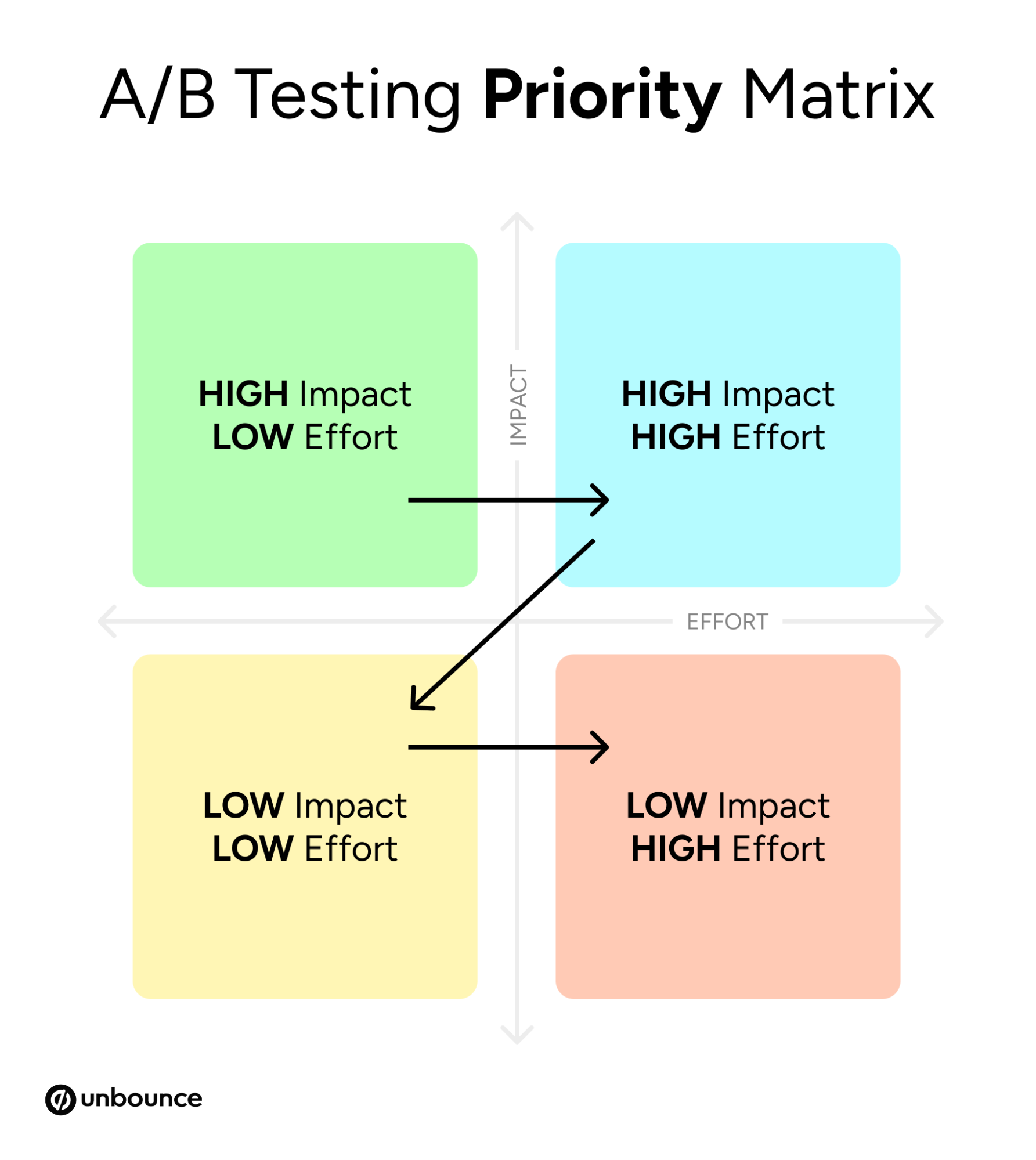
Not every test is worth the time required to build it. Marketers should utilize a 2×2 priority matrix to categorize tests based on their potential impact versus the technical effort required to implement them. Quick, high-impact wins should always take precedence to build momentum and prove the value of the testing program to stakeholders.
Phase 3: Building Minimal, Testable Variations
"Minimal" does not mean "insignificant." A test variant should be clean and isolated. Using modern conversion platforms, marketers can duplicate a control page and make a single, precise alteration. This allows for clean data collection, ensuring that when the test concludes, the results are attributable to the specific variable changed.
Phase 4: Launch and Statistical Validation
Patience is the marketer’s greatest virtue during the testing phase. Launching a test and drawing conclusions after only a few dozen clicks often leads to "false positives." Establishing statistical significance ensures that the observed results are not mere flukes. The duration of this phase depends on traffic volume, but the goal remains the same: gather enough data to make an informed decision rather than a reactive guess.

Supporting Data: The Case for Incrementalism
The shift toward iterative testing is supported by compelling industry benchmarks. According to recent data from the 2024 Conversion Benchmark Report, the content of a landing page is a critical lever for performance. For instance, pages written at a 5th-7th grade reading level convert at a rate of 11.1%—more than double the rate of professional-level, high-complexity copy.
Furthermore, data suggests that landing pages with higher word complexity show a -24.3% negative correlation with conversion rates. An iterative testing team would use this data as a starting point, testing simpler copy against complex copy on their specific audience to see if they can replicate or exceed these benchmarks.
Another critical insight involves the mobile-desktop divide. While 83% of landing page visits occur on mobile devices, desktop experiences continue to convert 8% better on average. This gap represents a significant opportunity for iterative testing: rather than choosing one platform to focus on, teams can run parallel, platform-specific iterations to optimize the unique user experience for each device.
Official Perspectives: The Role of Tools and Culture
Industry experts emphasize that iterative testing is as much about culture as it is about software. Josh Gallant, founder of Backstage SEO, notes that successful programs require breaking down silos. When support, sales, and product teams contribute their observations to the testing "backlog," the marketing team gains a holistic view of the customer.
"The best testing programs don’t happen in a vacuum," Gallant explains. "When your support team tells you that customers are constantly asking about pricing, you don’t just answer the emails—you turn that insight into a testable hypothesis by adding pricing clarity to your landing page."
Tools like Unbounce’s Smart Traffic are designed to accelerate this process. By utilizing machine learning to route visitors to the most promising variant, such tools allow for optimization to begin with as few as 50 visits. This removes the "wait time" barrier, allowing smaller brands to run rapid iterations that were previously reserved for high-traffic enterprises.
Implications: Building a Culture of Experimentation
The ultimate implication of adopting an iterative testing process is the transformation of the marketing department into a data-driven engine. This culture shift has several long-term benefits:
- Organizational Resilience: Because the team is constantly testing and learning, they are less vulnerable to sudden market shifts. If a specific ad channel stops performing, the team already has a repository of data on what messaging resonates with their audience, allowing them to pivot quickly.
- Increased Marketing ROI: By eliminating "dead weight"—campaigns or design elements that don’t convert—budgets can be reallocated to the high-performing variants that have been proven through iterative cycles.
- Enhanced Customer Satisfaction: When a website or campaign is constantly being refined, it becomes more intuitive and user-friendly. Users feel that the brand understands their needs, which fosters loyalty and trust.
- Institutional Knowledge: Perhaps the most valuable outcome is the documentation of "what doesn’t work." A failed test is not a loss; it is a piece of intelligence that prevents the team from repeating the same mistake in future campaigns.
The Path Forward
The journey toward a mature iterative testing program does not happen overnight. It begins with the decision to value progress over perfection. By starting small, focusing on clear hypotheses, and fostering a collaborative environment, marketers can stop "swinging for the fences" and start hitting the consistent base hits that drive sustainable, predictable growth.
In an era where attention is the scarcest resource, the ability to learn faster than your competitors is the ultimate competitive advantage. Whether you are a small startup or an established enterprise, the iterative cycle provides the framework to turn every visitor interaction into a roadmap for your next big win.