The global maritime industry, long viewed as the bedrock of international trade and a bastion of traditional operational practices, is standing on the precipice of a profound technological shift. With the International Maritime Organization (IMO) set to grant final approval to its comprehensive Digitalization Strategy next year, the shipping sector is preparing for a transition that promises to redefine everything from daily maintenance schedules to long-term fleet sustainability.
This strategy, which has already received the green light from the organization’s specialized committees, is not merely a suggestion for the industry; it is a structural mandate intended to weave digital solutions into the fabric of the global fleet. By prioritizing efficiency, safety, and decarbonization, the IMO aims to provide a unified framework for a sector that has historically grappled with fragmentation and inconsistent adoption of new technology.
The Architect of Change: Perspectives from the Field
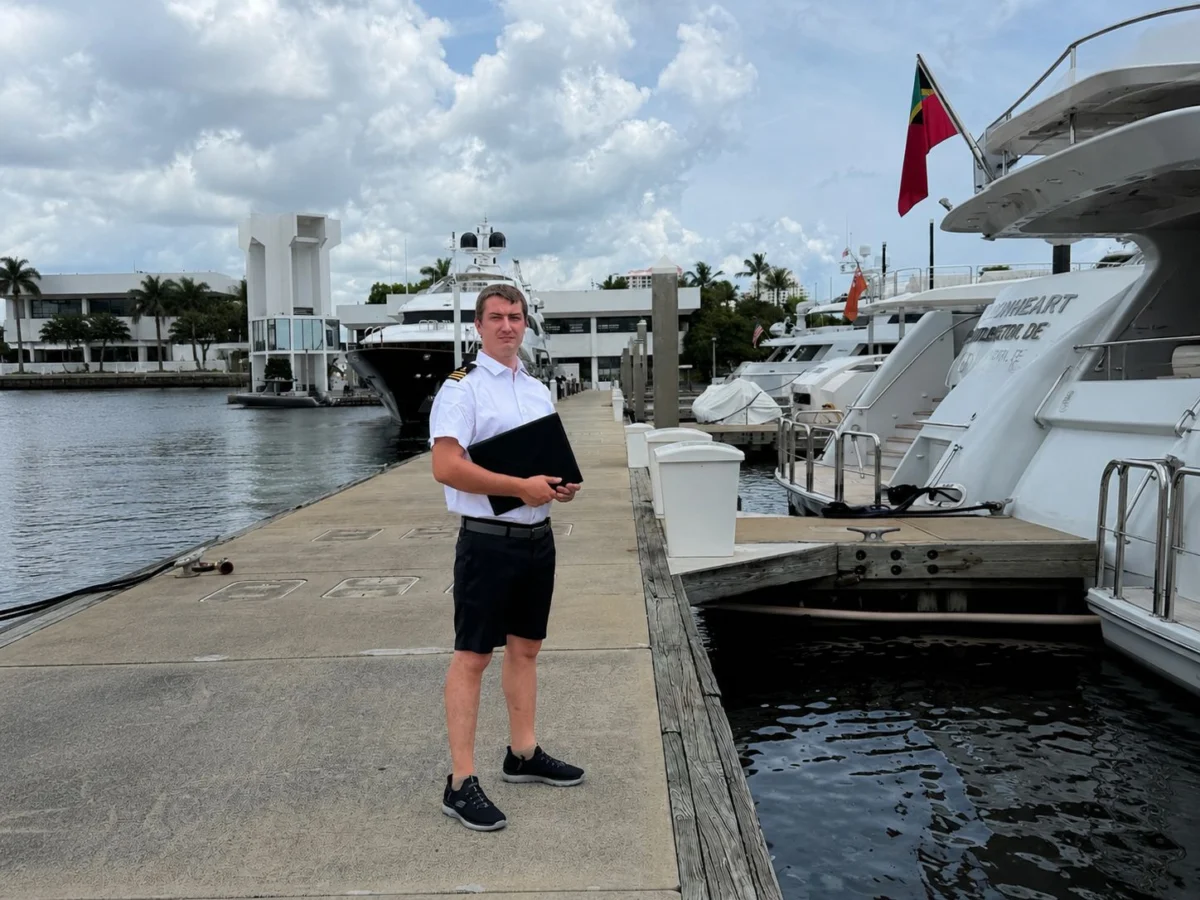
While institutional frameworks provide the "what," experts in the field are focused on the "how." Marine engineer Viktor Genkulov, a veteran of over a decade of worldwide voyages and an expert in technical management, emphasizes that the industry’s perception of digitalization is often too narrow.
"When people talk about digitalization, many of them picture the rollout of individual technologies," Genkulov notes. "But what’s really at stake is the transformation of the entire system of fleet technical operations—from document management and equipment maintenance to engineering decision-making."
Genkulov’s recent methodological guide, Digitalization of Technical Operations, serves as a blueprint for this transition. His work highlights a critical intersection: the convergence of the IMO’s institutional push and the objective reality that traditional manual processes are becoming unsustainable in an era of complex, high-stakes shipping requirements.
Chronology of a Digital Evolution
The journey toward this legislative milestone was not overnight. For years, the maritime industry operated on a "manual-first" paradigm. However, the last decade has seen a mounting pressure to digitize, driven by several distinct phases:
- The Analog Era (Pre-2010s): Heavy reliance on paper logs, physical checklists, and reactive maintenance. Human intervention was the primary point of control and, consequently, the primary point of failure.
- The Information Overload Phase (2010–2018): As shipboard systems became more complex and environmental regulations (such as those regarding sulfur emissions) tightened, the volume of data generated by ships grew exponentially. Manual processing became a bottleneck.
- The Emergence of IoT and Big Data (2018–2023): Early adopters began implementing sensor-based monitoring. However, these systems often existed in silos, lacking the integration required for a holistic fleet strategy.
- The Regulatory Harmonization Phase (2024–2025): The IMO’s Digitalization Strategy marks the shift from isolated experimentation to industry-wide standardization. By setting a common foundation, the IMO is enabling interoperability, which is essential for global trade.
Addressing the Human Factor and Operational Risks
One of the most compelling arguments for the rapid adoption of digital tools is the mitigation of human error. According to data from the European Maritime Safety Agency (EMSA), the "human element" remains a leading contributing factor in the vast majority of maritime casualties and incidents.
Genkulov argues that the transition to electronic checklists alone can reduce human-linked errors by 70% to 80%. "A paper checklist has clear limitations," he explains. "It can be lost, damaged, or entries can be skipped due to fatigue. Electronic systems force a level of discipline where the next step cannot be taken until the current one is verified."
This shift is not about replacing the human operator, but rather augmenting their capability. By automating routine documentation, the digital framework frees up engineers and captains to focus on high-level analysis and non-standard problem solving—areas where human intuition remains irreplaceable.
Shifting Paradigms: Condition-Based Maintenance
Perhaps the most significant change proposed by the new strategy is the transition from "planned preventive maintenance" to "condition-based maintenance."
Historically, shipowners replaced parts on a schedule, regardless of their actual state of wear. While this reduced the risk of sudden failure, it led to massive financial waste and operational inefficiency. Condition-based maintenance flips this model. By utilizing IoT sensors and machine learning, systems can now track vibration, temperature, and pressure in real time.
"We aren’t just waiting for equipment to fail," says Genkulov. "We are spotting early signs of a problem and stepping in before a failure occurs. This is the difference between a reactive approach and a proactive, data-driven strategy."
Economic Implications: The Cost of Modernization
For shipowners, the primary barrier to adoption is the perceived high cost of entry. However, when viewed through the lens of long-term operational expenditure (OPEX), the investment presents a clear ROI.
Project costs for system modernization generally fall between $55,000 and $105,000 per vessel, depending on the complexity of the ship’s architecture and the scope of integration. While this may seem steep, the alternative—carrying out similar work through traditional shipyard channels—can cost upwards of $250,000 to $450,000.
The savings are realized through several mechanisms:
- Fuel Accounting: Utilizing Mass Flow Meters (MFM) allows for a margin of error of less than 0.5%, significantly reducing the risks of "short deliveries" during bunkering.
- Operational Efficiency: By optimizing fuel consumption and preventing engine downtime, shipowners can recoup their initial investment within a few operating cycles.
- Avoidance of Fines: Precise monitoring ensures compliance with increasingly stringent environmental regulations, avoiding the massive legal and reputational costs associated with environmental non-compliance.
Supporting Data: Fuel Quality and Environmental Compliance
The digitalization strategy is also an environmental necessity. As the industry moves toward low-sulfur fuels (VLSFO) and biofuels, fuel quality has become more volatile. Modern digital monitoring systems can now calculate the Calculated Carbon Aromaticity Index (CCAI) in real time.
By monitoring viscosity and ignitability in real time, digital systems allow for:
- Engine Protection: Preventing detonation and thermal overload by identifying poor fuel characteristics before they enter the combustion chamber.
- Emission Reduction: Maintaining optimal fuel viscosity ensures more complete combustion, which directly lowers the Specific Fuel Oil Consumption (SFOC) and, consequently, the vessel’s carbon footprint.
The Resistance: Navigating a Conservative Industry
Despite the clear benefits, the maritime industry remains inherently conservative. Many in leadership positions, who have spent decades mastering traditional methods, view digitalization with a degree of skepticism.
"The question often comes up: ‘If a computer monitors processes and issues recommendations, doesn’t that make me replaceable?’" Genkulov explains. This fear of displacement is compounded by the high-stakes nature of the industry, where the cost of a single error can be catastrophic.
However, the industry is reaching a tipping point where the risks of not digitizing far outweigh the risks of change. As regulatory requirements grow more complex and fuel prices remain unpredictable, those who cling to analog processes risk being left behind in a competitive global market.
Future Implications and Conclusion
The IMO’s upcoming Digitalization Strategy is more than just a regulatory hurdle; it is the catalyst for a modern maritime renaissance. The integration of AI, real-time sensor data, and standardized electronic reporting is set to transform the global fleet into a safer, more efficient, and more environmentally sustainable enterprise.
For the modern shipowner, the decision is no longer about if they should adopt digital technologies, but how quickly they can transition. As Genkulov succinctly puts it: "We can’t run a modern ship the way we did 20 years ago; it’s inefficient and, more importantly, unsafe. It is better to start today than to be catching up tomorrow with those who started earlier."
The digital horizon is no longer a distant prospect—it is the next chapter of maritime history, and the industry is finally ready to set sail.