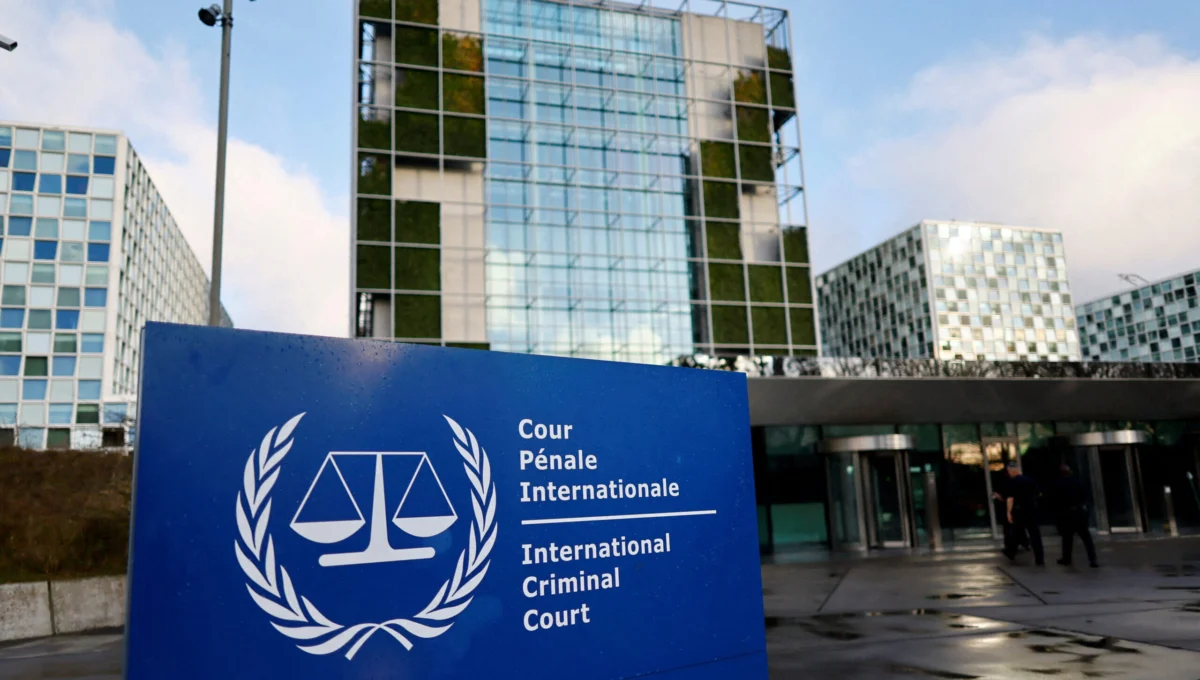
In a move that has sent shockwaves through the international legal community, the Trump administration has officially escalated its campaign against the International Criminal Court (ICC). On Friday, Washington imposed sweeping, entity-wide sanctions on the tribunal, marking a historic departure from previous policies that had largely focused on individual prosecutors and judges. This designation, which places the ICC on the US Department of the Treasury’s financial blacklist, represents an existential threat to the court, potentially severing its access to essential global banking, insurance, and technological infrastructure.
As the ICC faces its most perilous moment since its inception, the global community is left to grapple with a singular, urgent question: Can a court of last resort survive the full weight of American financial might?
Main Facts: A Financial Blacklist
The sanctions imposed by the US Department of State effectively label the ICC—an institution established by the Rome Statute to prosecute the world’s most heinous crimes—as a threat akin to global militant networks, drug cartels, and transnational criminal organizations. By placing the court on the Treasury’s Specially Designated Nationals (SDN) list, Washington has created a regulatory environment where any individual or entity providing "material support" to the ICC risks secondary sanctions.
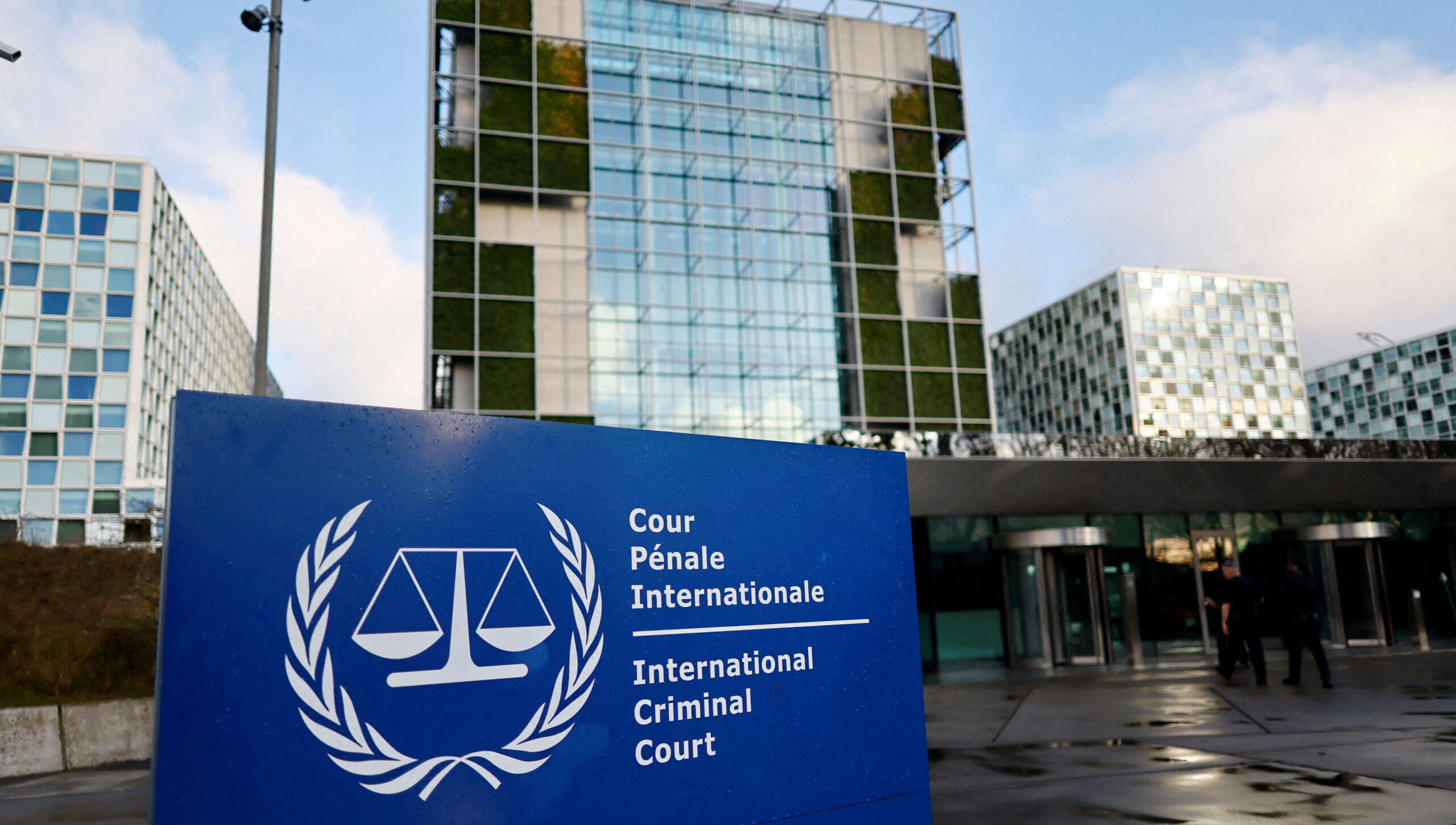
For the court, the practical consequences are immediate and paralyzing. The ICC relies on the global financial system to pay its staff, process witness protection funds, and settle the costs of complex, multi-year investigations. Without access to international banking, the court faces an inability to meet payroll or maintain its operational footprint in The Hague. Furthermore, the sanctions jeopardize the court’s access to vital technology and insurance services, effectively isolating it from the modern digital and service economy.
A Chronology of Escalation
The relationship between Washington and the ICC has been fraught since the court’s inception. The United States never ratified the Rome Statute, and throughout the decades, American policymakers have maintained a posture of skepticism, if not outright hostility.
- Pre-2020: Washington maintains a policy of "constructive ambiguity," occasionally cooperating with the ICC on an ad-hoc basis while refusing to join the treaty.
- Trump First Term (2017–2021): The administration first introduced aggressive rhetoric, with then-National Security Advisor John Bolton famously threatening sanctions if the court dared to investigate US personnel.
- The 2026 Shift: Following the ICC’s decision to issue arrest warrants for high-profile figures—most notably Israeli Prime Minister Benjamin Netanyahu and former Defense Minister Yoav Gallant—the administration of President Donald Trump escalated its rhetoric into concrete action.
- October 2026: The State Department formally announces the imposition of sweeping sanctions against the ICC as an entire entity, moving beyond the previous strategy of targeting individual staff members.
Supporting Data: The Scope of the ICC’s Work
Critics of the sanctions, including legal experts at the Atlantic Council, point to the vast discrepancy between the ICC’s actual docket and the rhetoric used by the Trump administration to justify the sanctions.

Since its establishment twenty-four years ago, the court has been a mechanism of accountability for victims of mass atrocities. As of 2023, the data paints a picture of a busy, if under-resourced, judicial body:
- 10,900 victims have participated directly in court proceedings.
- 2,500 victims have received court-ordered reparations.
- 130,000 survivors have been supported through the ICC’s Trust Fund for Victims.
- 68 arrest warrants have been issued since the court’s founding.
The court’s current workload is global in scope, spanning investigations into the situations in Ukraine, Sudan, Afghanistan, Myanmar, Venezuela, and the Philippines. In each of these cases, the ICC acts only under the principle of "complementarity"—stepping in only when national jurisdictions are unwilling or unable to prosecute crimes against humanity, genocide, or war crimes.
Official Responses and Geopolitical Tensions
The US Department of State has defended the move as a necessary measure to protect American sovereignty and prevent the overreach of an international body that, in their view, threatens the rights of US service members and allies. Secretary of State Marco Rubio has signaled that the administration views the ICC’s recent warrants as a direct challenge to the geopolitical interests of the United States and its partners.

Conversely, the international reaction has been one of alarm. The ICC presidency has described the court as "one of the most significant achievements of human civilization," warning that the destruction of this accountability framework would signal a return to an era where impunity for the powerful is the global norm.
The Role of the EU Blocking Statute
As the crisis deepens, the European Union has emerged as a potential bulwark against US pressure. The EU "blocking statute," a legal mechanism designed to counter the extraterritorial application of foreign sanctions, is currently being considered as a potential shield. If activated, the statute would prohibit EU entities from complying with the US sanctions, effectively insulating European banks and service providers from American penalties.
However, the efficacy of this move is debated. Lize de Kruijf, an expert in economic statecraft, notes that while the statute provides a legal framework, the "private sector’s tolerance for sanctions risk is typically very low." Many major financial institutions, particularly those with significant exposure to the US market, may choose to wind down their relationship with the ICC rather than risk the wrath of the US Treasury, regardless of EU legal protections.

Implications: A Future for International Justice?
The implications of this sanctioning campaign extend far beyond the immediate survival of the ICC. If the United States succeeds in isolating the court, it will effectively render the Rome Statute a dead letter in the eyes of many. The precedent of using economic warfare to dismantle an international judicial institution is one that authoritarian regimes worldwide are watching closely.
The Myth of Sovereignty
Critics of the administration’s policy, such as legal scholar Celeste Kmiotek, argue that the focus on "sovereignty" is a convenient rhetorical shield. "The Trump administration’s apparent fear of the ICC is telling," Kmiotek observes. "These sanctions and the broader campaign against the ICC appeal to the legal concept of ‘sovereignty,’ even as the US repeatedly carries out actions that seem to violate international law."
A Fork in the Road
The court is now at a crossroads. Supporters suggest that the crisis must "steel the determination" of member states to take bold, counter-measures. This includes not only the activation of blocking statutes but also increased financial and diplomatic support from countries that believe in a rules-based international order.

For the ICC to continue, it must demonstrate its independence and impartiality while weathering a storm that aims to prove that, in the modern world, power remains the only true currency. Whether the court can survive as a functional entity or be reduced to a symbolic relic of a more optimistic era will depend on the resolve of its supporters in the coming months.
As Mark Klamberg, a nonresident senior fellow with the Strategic Litigation Project, concludes: "The US should reconsider its current adversarial stance. Since the Nuremberg trials, the US has played a key role in advancing international justice. There may be legitimate disagreement over individual decisions, but the court operates on core principles of judicial independence, complementarity, and fair-trial guarantees—principles the US itself has long championed."
Whether Washington will return to those principles or continue its path of confrontation remains the defining question of international criminal law in the decade to come. For now, the ICC remains under siege, its survival in the balance, and the dream of universal accountability facing its greatest test.