The African continent finds itself at a unique intersection of global recognition and urgent public health challenges this week. From the corridors of Oslo, where a distinguished South African jurist has been honored with the world’s most prestigious accolade, to the streets of Nairobi, where authorities are mobilizing to contain a viral outbreak, the headlines underscore the dual reality of Africa’s influence and its persistent developmental hurdles. Furthermore, the cultural landscape continues to flourish, exemplified by the international acclaim surrounding Moroccan-British artistic visionaries.
1. Main Facts: A Nobel Laureate for Human Rights
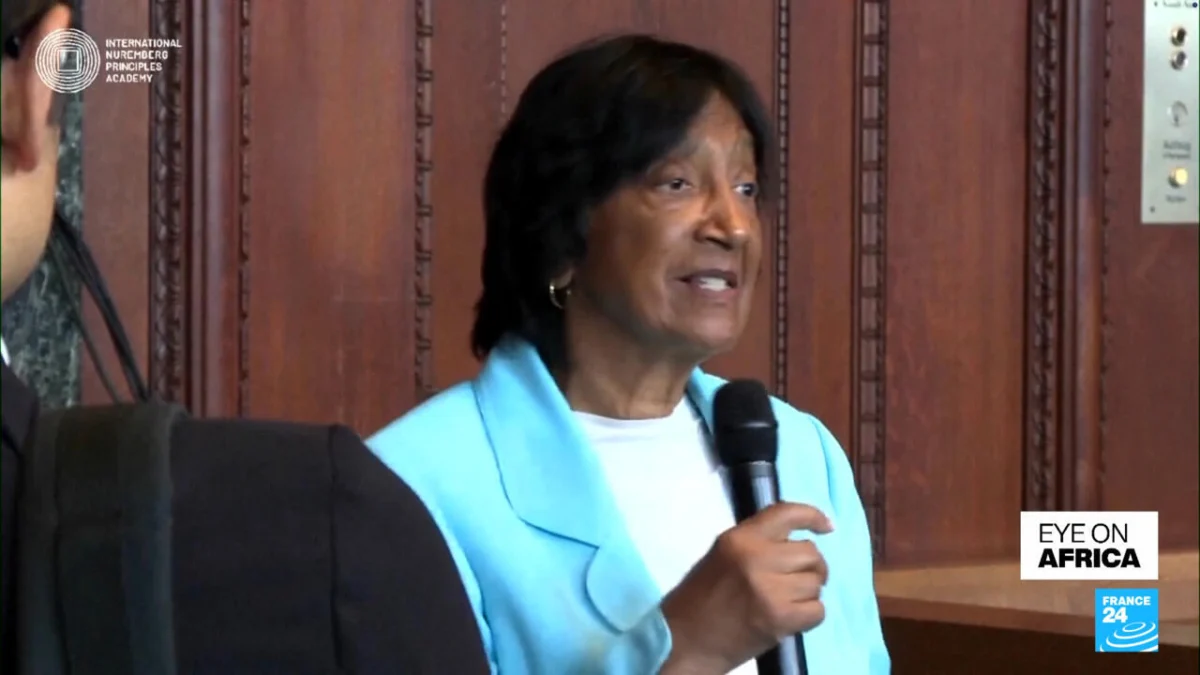
The 2026 Nobel Peace Prize has been awarded to Navi Pillay, the esteemed South African judge and human rights advocate, in recognition of her lifelong commitment to justice, the rule of law, and the protection of vulnerable populations.
Pillay, who previously served as the United Nations High Commissioner for Human Rights, has long been a formidable voice against impunity. Her career—which spans the era of apartheid in South Africa to the complex international legal landscape of the 21st century—has been defined by her unwavering pursuit of accountability for war crimes and systemic human rights abuses. The Nobel Committee’s decision highlights her pivotal role in international tribunals, particularly her work concerning the Rwandan genocide and her subsequent efforts to establish standards for human rights enforcement globally.
For South Africa, this honor serves as a poignant reminder of the country’s contribution to the global human rights framework. Pillay’s selection is viewed not only as a personal triumph but as a testament to the resilience of South African institutions in fostering leaders who operate on the world stage.
2. Chronology: Tracking the Nairobi Virus Outbreak
While the Nobel announcement brought cause for celebration, public health officials in Nairobi are currently engaged in a high-stakes race against time. Following the tragic death of a patient earlier this week due to an unidentified virus, the Kenyan Ministry of Health has launched an intensive contact-tracing operation.
- Day 1 (Early Week): A male patient is admitted to a central Nairobi hospital displaying severe symptoms of a viral infection. Despite the administration of emergency protocols, the patient succumbs to the illness shortly after admission.
- Day 2: Post-mortem analysis and preliminary laboratory screenings suggest a viral pathogen that requires heightened epidemiological scrutiny. The Ministry of Health triggers an emergency response protocol.
- Day 3: Health officials identify a primary cluster of individuals who had close physical contact with the deceased. Surveillance teams are deployed across the city to track these individuals, most of whom are currently asymptomatic but remain under mandatory observation.
- Day 4 (Today): The focus shifts to secondary contact tracing. Nairobi’s public health department has requested that citizens maintain calm while emphasizing the necessity of reporting any flu-like symptoms immediately.
The uncertainty surrounding the virus’s origin and transmission rate has necessitated a cautious approach, with health authorities working in collaboration with the World Health Organization (WHO) to verify clinical findings and prevent a wider outbreak.
3. Supporting Data: The Scale of Public Health Interventions
The situation in Nairobi is a microcosm of the broader challenges facing urban health infrastructure in Africa. Data from the African Centre for Disease Control (Africa CDC) indicates that while the continent has significantly improved its diagnostic capabilities since the 2020 pandemic, the speed of viral transmission in densely populated metropolitan areas remains a significant risk factor.
In Nairobi, the health department is currently monitoring over 80 individuals directly linked to the index case. Preliminary data suggests that the patient had traveled through transit hubs within the city shortly before their symptoms manifested, increasing the complexity of the contact-tracing map.
Regarding the international recognition of Navi Pillay, the data is equally compelling. Throughout her tenure as UN High Commissioner for Human Rights (2008–2014), Pillay oversaw a 40% increase in the UN’s active human rights investigations and interventions, according to internal UN documentation. Her legacy is supported by the thousands of case files she processed during the International Criminal Tribunal for Rwanda (ICTR), where she set legal precedents for the prosecution of sexual violence as a tool of war.

4. Official Responses: Pride and Prudence
The response to this week’s events has been polarized between national pride and administrative concern.
The Nobel Recognition
The South African presidency released a formal statement on Friday morning, congratulating Pillay. "Judge Pillay’s recognition is a victory for every citizen who believes in the supremacy of the law," the statement read. "She has been a beacon of hope for victims of injustice, and her work continues to inspire a new generation of jurists in Africa and across the globe."
International observers, including the UN Secretary-General, have lauded the Nobel Committee’s choice, noting that Pillay’s work remains "urgently relevant" in a world currently grappling with multiple armed conflicts and a regression in democratic norms.
The Nairobi Health Crisis
In contrast, the tone in Nairobi is one of intense focus. Cabinet Secretary for Health, Dr. Alice Muthoni, addressed the press yesterday, urging the public to avoid speculation. "We are in the containment phase," Dr. Muthoni stated. "We have the resources and the expertise to handle this. We are working around the clock to ensure that this remains an isolated incident. The cooperation of the public is our most valuable asset at this moment."
Local health experts have supported the Ministry’s transparency, noting that early, honest communication is vital to preventing the kind of social panic that can impede public health efforts.
5. Implications: Art, Justice, and Stability
The events of this week highlight the multi-faceted nature of African development.
Cultural Soft Power
While the health crisis and political accolades dominate the news, the soft power of African art continues to make waves internationally. The exhibition of 40 "Rock Stars" portraits by Moroccan-British photographer Hassan Hajjaj in Paris is more than just a gallery show—it is an assertion of African identity in the global cultural capital. Hajjaj’s work, which blends traditional North African aesthetics with contemporary street-style photography, challenges Western perceptions of African culture. Its presence in Paris signifies the growing influence of African artists in shaping global visual narratives.
Future Outlook
The implications for the continent are significant.
- Judicial Influence: Navi Pillay’s Nobel win is expected to increase pressure on international institutions to prioritize the appointment of African jurists to high-level positions, potentially shifting the focus of international law toward issues that disproportionately affect the Global South, such as post-colonial reparations and climate justice.
- Health Security: The situation in Nairobi serves as a litmus test for Kenya’s post-2020 health infrastructure. Success in containing this virus will bolster confidence in the region’s ability to manage future pandemics locally, without relying exclusively on international aid.
- Cultural Diplomacy: The success of artists like Hajjaj underscores the economic potential of Africa’s creative industries. As the continent continues to urbanize, the "creative economy" is being increasingly recognized by policymakers as a viable avenue for job creation and international brand building.
As the week draws to a close, the narrative emerging from Africa is one of profound complexity. It is a continent that is simultaneously producing the world’s most respected moral leaders and facing the gritty, day-to-day challenges of modern public health. Whether through the lens of a camera in a Paris gallery or the clinical precision of a contact-tracer in Nairobi, the events of this week demonstrate that Africa remains a central actor in the global story—one defined as much by its resilience as by its aspirations.