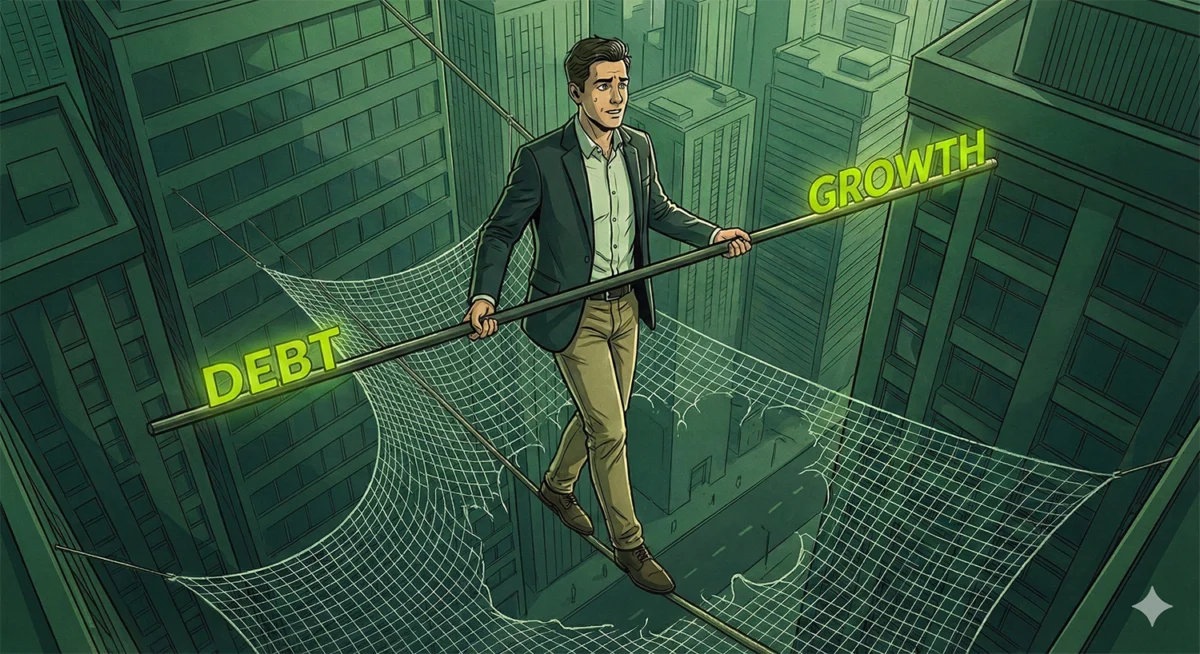
The advertising industry is currently undergoing one of its most significant structural shifts in decades. As economic headwinds, fragmented media consumption patterns, and the rapid evolution of generative AI converge, media agencies are being forced to rethink the very nature of their service models. A comprehensive new report from Modern Retail+ Research, synthesized with insights from Digiday, reveals that agencies are moving away from traditional playbooks, instead placing aggressive bets on the twin pillars of creator-led community building and artificial intelligence-driven search optimization.
The New Strategic Landscape: Main Facts
The 2026 media landscape is defined by a paradox: while brands have access to more data and sophisticated tools than ever before, the path to the consumer has become increasingly opaque. Traditional search traffic is declining as users shift toward LLM-powered interfaces, and the "mass media" model is being supplanted by hyper-personalized, community-centric creator content.
According to the research, which surveyed 30 senior agency professionals and included a focus group of executive-level media strategists, the primary mission for agencies has shifted from mere media buying to ecosystem management. Agencies are no longer just purchasing ad space; they are becoming partners in content creation, data integration, and technological infrastructure development.
The most striking trend is the formalization of creator marketing. Once considered a "nice-to-have" experiment, influencer and creator partnerships are now central to business strategy. Simultaneously, AI has moved from the research and development phase into the operational backbone of agencies, creating a complex financial and technical challenge that firms are still learning to monetize.
Chronology of Change: A Rapid Evolution
The current state of the industry is the result of a multi-year progression that accelerated in late 2025 and reached a tipping point in the third quarter of 2026.
- Early 2025: The initial "hype cycle" of generative AI saw agencies scrambling to adopt basic LLM tools for copywriting and simple data analysis.
- Late 2025: The first major data-sharing agreements between major holding companies (like Omnicom) and social platforms (like TikTok and Meta) began to bridge the gap between influencer "soft metrics" and bottom-line retail sales data.
- Q1 2026: Agencies began to standardize the use of creators within retail media networks, recognizing that the "walled gardens" of platforms like Walmart Connect were the next frontier for conversion.
- Q2–Q3 2026: The focus shifted toward operational efficiency and the financial realities of AI. As the costs of tokens and AI subscriptions mounted, agencies transitioned from experimentation to "operationalizing" AI, tracking costs by the penny and building internal, proprietary tools.
Supporting Data: By the Numbers
The data paints a picture of an industry in deep transition:
- Creator Marketing Dominance: 75% of agencies report that creator marketing has become "significantly" or "a little" more important to their clients over the last year.
- Performance Uplift: Agencies report a 40% to 60% uplift in performance when using creator-produced assets compared to traditional, agency-produced creative units on platforms like TikTok and YouTube.
- The AI Cost Burden: While 70% of agencies report cost savings through efficiency, 31% acknowledge that AI implementation has been more expensive than initially anticipated. Furthermore, 31% of firms now spend upwards of $10,000 monthly on AI-related costs.
- Budget Reallocation: 77% of agencies plan to increase their budget allocation for AI search and GEO (Generative Engine Optimization) in the coming year. Crucially, 20% of this new funding is being cannibalized directly from traditional paid search budgets.
- Monetization Strategies: 59% of agencies are currently monetizing AI through the creation of new products, while 34% are generating revenue through high-level AI consulting, roadmaps, and audits.
Official Perspectives: Agency Leadership Insights
The transition is being steered by senior executives who are balancing the promise of technology with the realities of client expectations.
Brian Dweck, a key voice from Go Fish Digital, emphasizes the shift in how agencies view "reach" versus "authenticity." He argues that modern campaigns should focus on the "down-funnel" impact of creators. "I look at influencers for reach versus creators for content creation," Dweck noted. He advocates for spreading budgets across a larger pool of mid-tier creators to drive genuine engagement, rather than relying on mass-appeal influencers who may fail to deliver bottom-line results.
From the perspective of major network agencies, the goal is to bridge the gap between creative and commerce. UM’s Greenberger highlights the human-centric value of these tools, noting that AI is being used to create "synthetic audiences" for simulated focus groups. This allows brands to test messaging and refine their strategies in real-time, providing a level of agility that was previously impossible.
However, the rapid proliferation of AI tools is not without its management headaches. Novus’s Pepin points to a "siloed development" problem: "Every small agency and team is building a tool… now somebody in central will have to unify and connect all of that." This highlights the emerging role of the "AI Integrator" within the modern agency, a position dedicated to distinguishing between "real" technological advancements and mere distractions.
Implications: The Road Ahead
The implications of these shifts are profound and will likely dictate the winners and losers of the next decade.
1. The Death of Traditional Search
The impending shift of budgets from traditional search to AI search is not merely a change in line items; it represents a fundamental change in consumer behavior. Brands that rely solely on classic SEO may find their traffic evaporating as LLMs synthesize answers rather than providing a list of links to click. Consequently, "Generative Engine Optimization" is set to become the most critical skill set for digital marketers in 2027.
2. The Professionalization of Creators
The days of the "influencer" as an independent, disconnected entity are ending. Brands are building in-house creator communities—like Aerie’s "Realmakers"—to ensure a steady, consistent flow of high-performing, authentic content. This move toward long-term, community-driven partnerships is designed to combat the rising cost of traditional digital advertising and the "ad-fatigue" prevalent among younger demographics.
3. The "Efficiency Ceiling"
Agencies are currently enjoying a "honeymoon period" of efficiency gains from AI. However, as the research suggests, this ceiling is approaching. Once the low-hanging fruit of administrative automation is picked, agencies will face the challenge of integrating AI into the core of their creative and strategic output. Those that can successfully build proprietary IP and maintain long-term client memory via AI will differentiate themselves from those that merely resell third-party tools.
4. Data Privacy and Trust
As agencies lean further into creator-led content and AI-driven insights, the reliance on data partnerships—such as the Omnicom-Walmart-Meta triad—will intensify. These agreements are essential for proving ROI in a landscape where organic reach is declining. However, they also place agencies in the center of a complex regulatory and ethical environment regarding consumer privacy and data usage.
Conclusion
The agency model of 2026 is one defined by agility, rigorous cost-management, and a deep, tactical integration of content and technology. The "AI Gold Rush" is clearly underway, but as the survey data shows, it is being met with a measured, analytical approach. The agencies that thrive will be those that manage to balance the efficiency of the machine with the human-centric, community-driven nature of creator marketing. The era of the "all-purpose" agency is over; the era of the specialized, data-driven, and content-integrated agency has arrived.