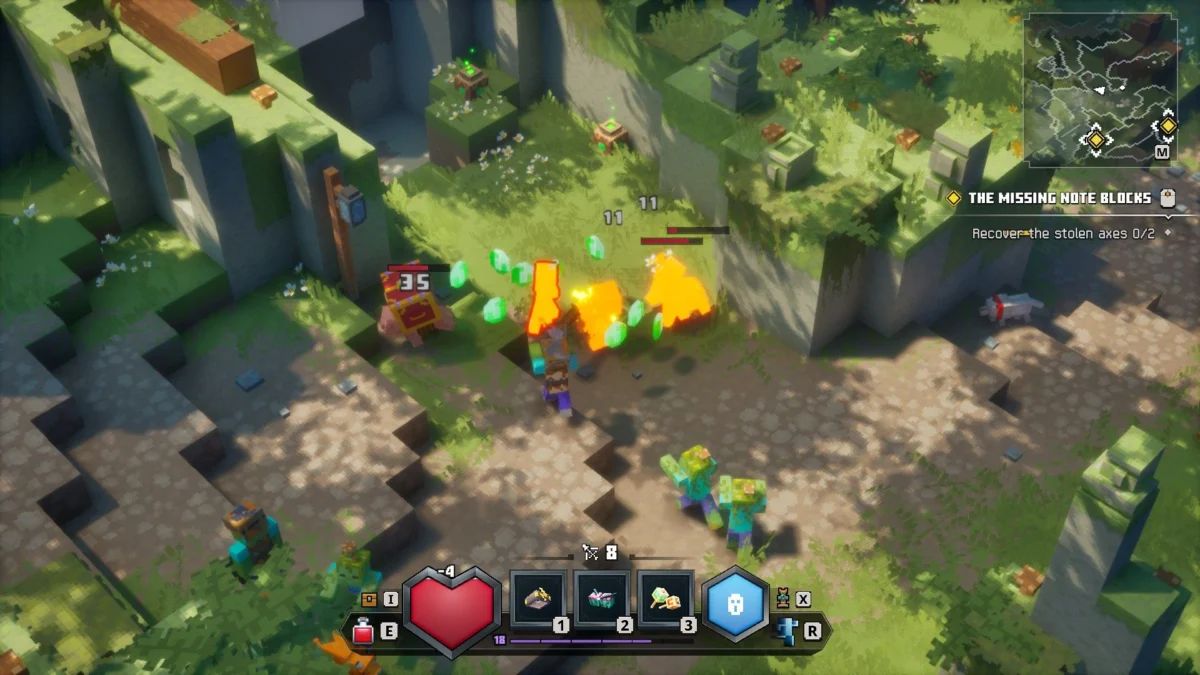
The verdict is in: While Mojang and Double Eleven have crafted a visually stunning follow-up, Minecraft Dungeons 2 struggles to justify its existence as a compelling action RPG, falling victim to shallow systems and a lack of meaningful player progression.
In the world of action role-playing games (ARPGs), the "loop" is everything. Whether you are navigating the demon-infested catacombs of Diablo 4 or traversing the mythological landscapes of Titan Quest, the core psychological hook remains the same: the tangible sensation of power. You start as a fragile neophyte, barely capable of swatting away low-level pests, and eventually ascend to the status of a legendary warrior, capable of trivializing entire armies with a single well-placed ability.
It is precisely this foundational pillar of the genre that Minecraft Dungeons 2 fails to support. After spending over 13 hours with the title—testing it across PC, console, and varied co-op scenarios—it has become clear that while the game is a feast for the eyes, it is a famine for the soul of an RPG fan.
The Core Problem: The Illusion of Progression
The most egregious design choice in Minecraft Dungeons 2 is its aggressive, omnipresent level scaling. In most ARPGs, your character level is a badge of honor; in Minecraft Dungeons 2, it is a hollow number.
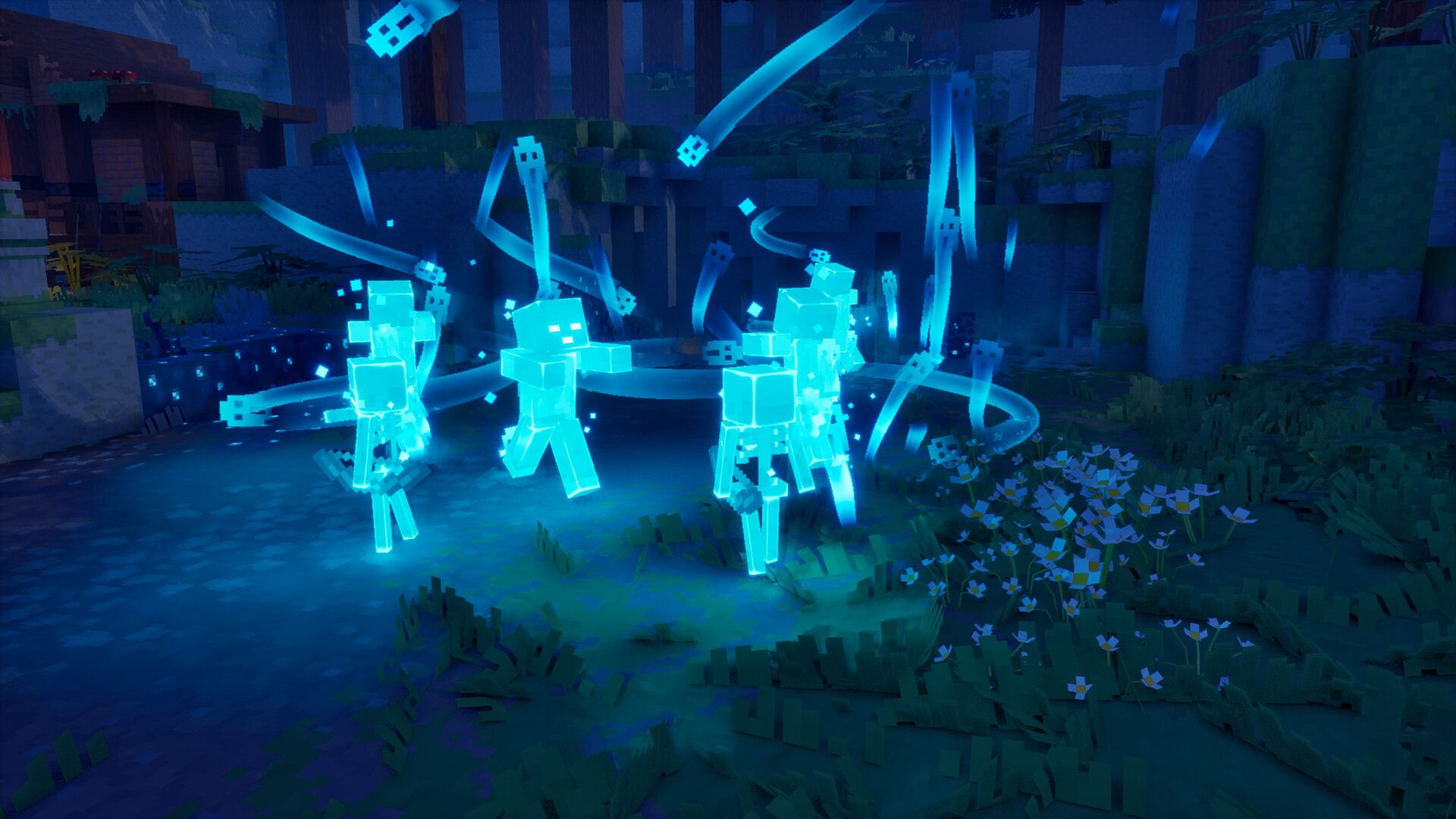
Throughout my 12-hour playthrough, I never once felt the intoxicating rush of becoming "overpowered." While the game provides a steady stream of new weapons—ranging from heavy, screen-clearing war hammers to nimble, high-speed double daggers—and allows for some light experimentation with enchantments, the enemy health bars scale so perfectly with your gear that the "time-to-kill" remains almost identical from the first level to the final boss.
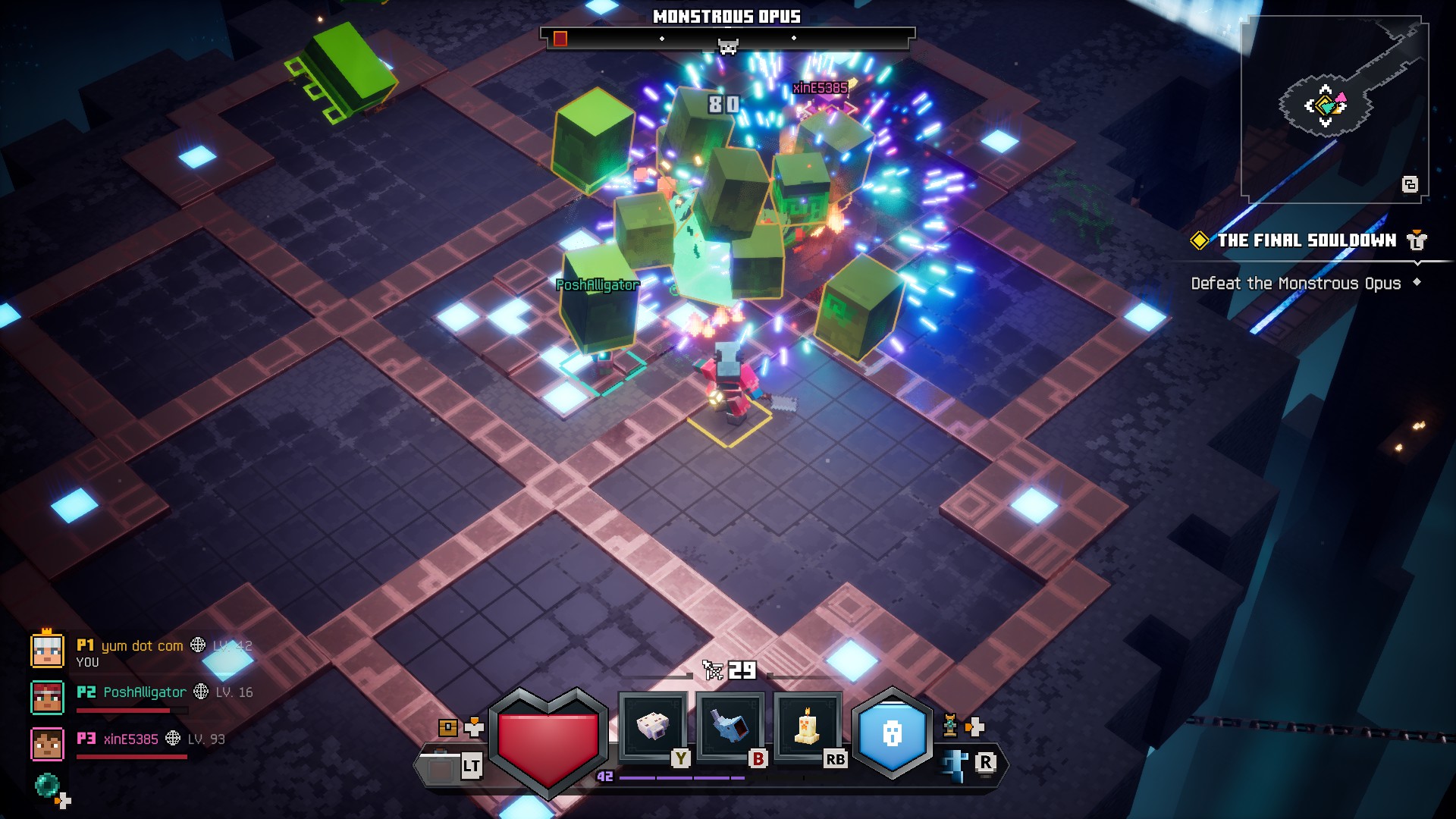
This issue is amplified when playing with others. During the final act, a friend joined my session with a brand-new, level-one character. They were able to stand alongside my level-40 hero and contribute almost equally to the fray. While Mojang clearly intended this to be a "frictionless" co-op experience, it inadvertently destroys the incentive to grind. If your level and gear don’t grant you a distinct advantage over the challenges of the world, the entire ARPG feedback loop collapses.
A Visual Triumph, A Mechanical Mismatch
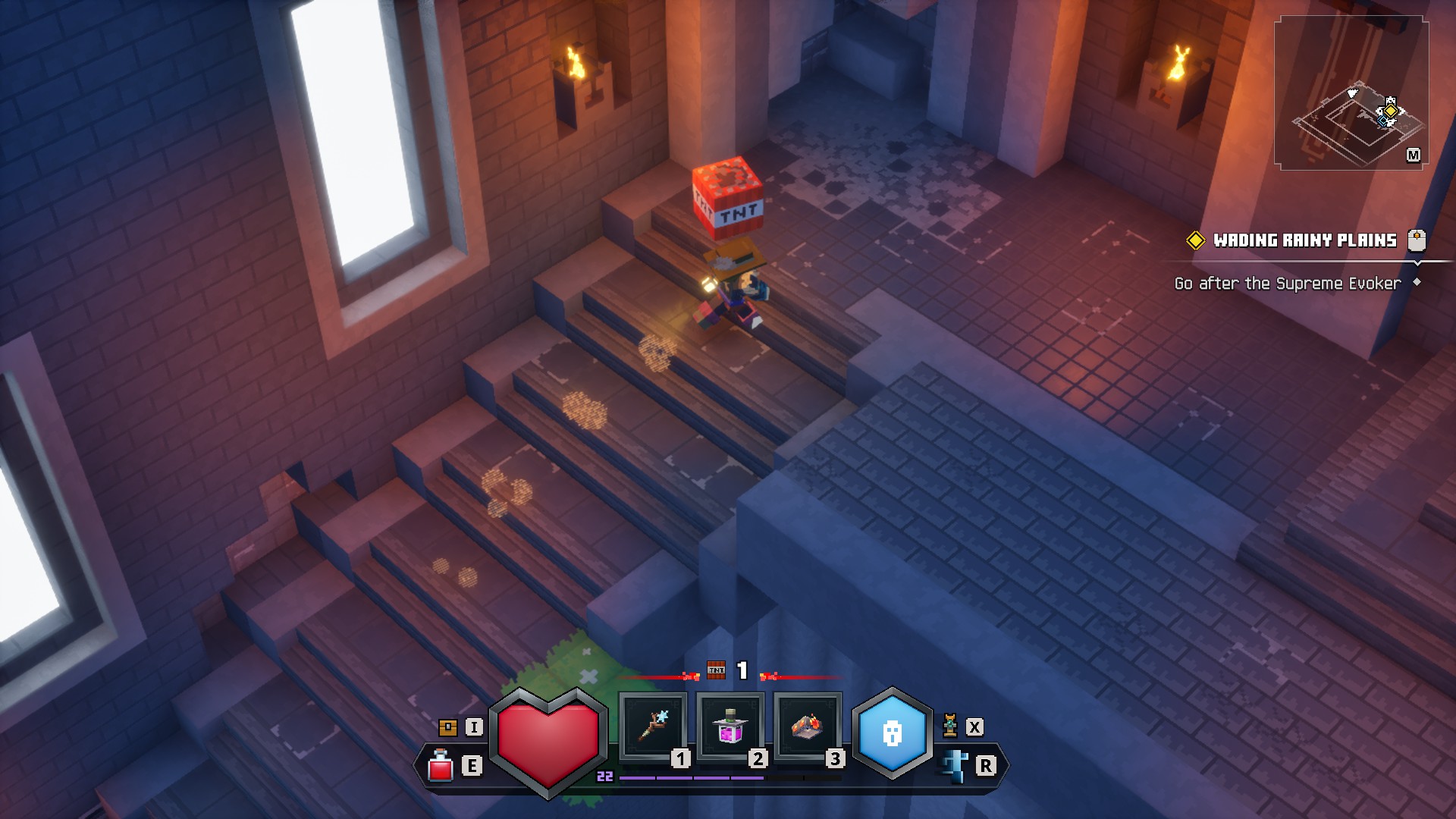
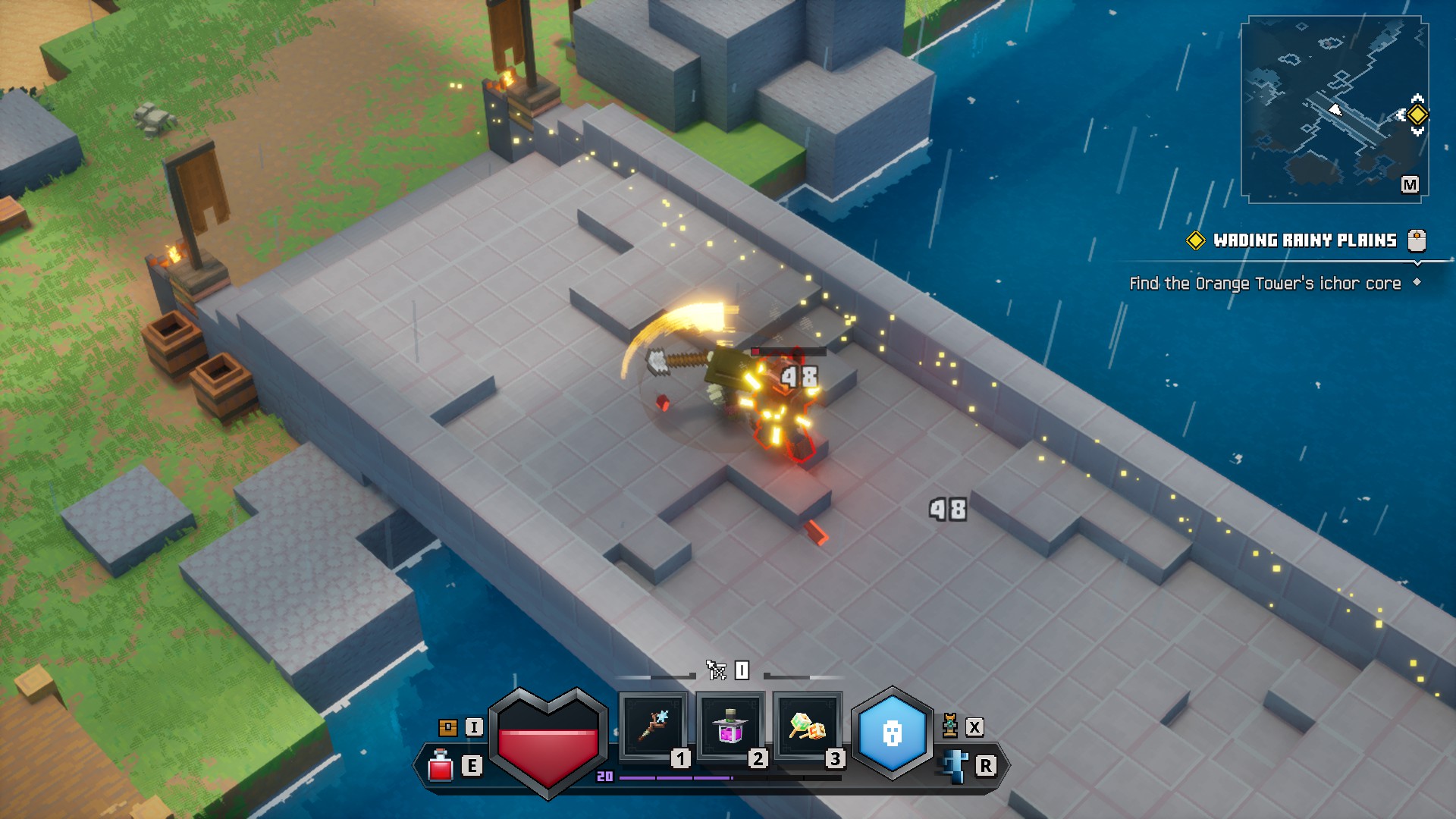
To give credit where it is due: Minecraft Dungeons 2 is a gorgeous title. The team at Mojang has managed to iterate on the iconic, blocky aesthetic of the base Minecraft game, elevating it with modern lighting engines and high-fidelity, Pixar-esque character animations. From the perspective of the isometric camera, the world truly "pops," with lush environments that feel both familiar and refreshingly vibrant.
The technical performance is equally commendable. The game supports seamless cross-platform play, and the inclusion of native couch co-op is a rarity in 2026 that deserves high praise. For younger audiences or families looking for a low-stakes weekend game, the ease of access is undeniably a win.
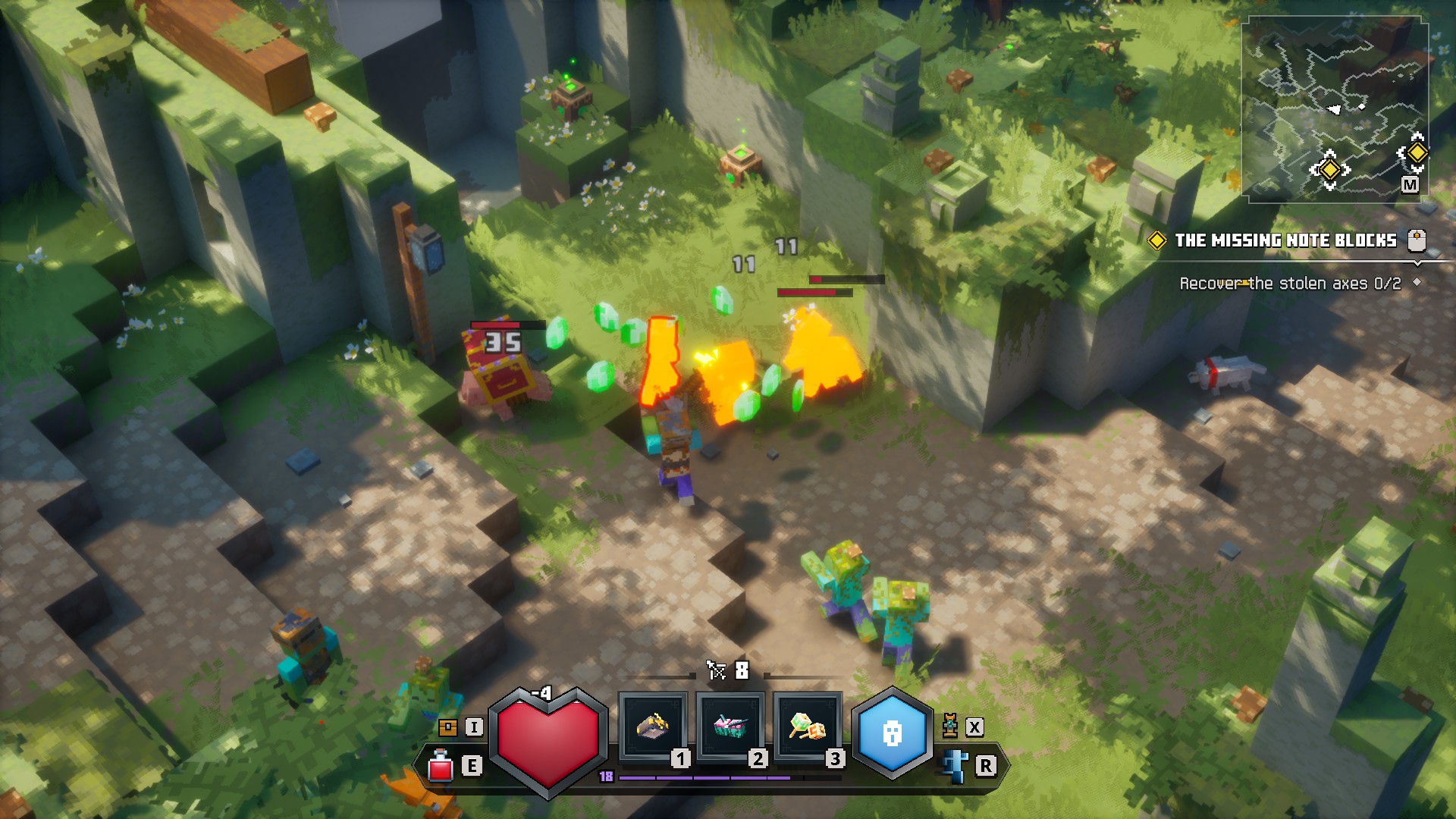
However, beneath this polished exterior lies a mechanical skeleton that is dangerously thin. The enemy variety is, frankly, disappointing. You will face the usual suspects: Creepers, Zombies, and Skeletons, alongside the Illagers introduced in the first installment. The issue is not their design, but their lack of tactical depth. Almost every encounter boils down to the same repetitive strategy: hold the attack button, weave in a dodge if necessary, and occasionally dump your three assigned ability slots. Even the "boss fights" feel like a chore, consisting of massive, spongy health bars that require you to simply survive waves of identical mobs until the boss reaches zero HP.
The "Sift" and the Missed Opportunity
One of the major marketing hooks for Minecraft Dungeons 2 was the introduction of "The Sift," a mysterious new dimension currently being integrated into the main Minecraft survival experience.
In the game, The Sift serves as a standout aesthetic experience. It possesses a distinct, otherworldly color palette and introduces a new suite of enemy models. Yet, once the initial visual novelty wears off, it becomes clear that The Sift is just another coat of paint on a familiar structure. It is mechanically indistinguishable from the Overworld. You move, you spam attacks, you occasionally use an ability, and you move on. It is a missed opportunity for the developers to introduce environmental mechanics or unique puzzle elements that would have broken the monotony of the corridor-style level design.
Implications for the Franchise
The existence of Minecraft Dungeons 2 raises an important question: who is this game for?
If the target demographic is the younger, casual Minecraft fan, the game is a success. It is "functional." It provides a clean, easy-to-pick-up experience that can be played with friends regardless of their skill level or progress. But if the goal was to capture the Diablo audience—or even the players who enjoyed the depth of the first Minecraft Dungeons—then the game falls short.
The lack of depth in the build-crafting system is particularly baffling. You can spend hours optimizing your character’s loadout with specific enchantments and synergistic gear, but because the enemy scaling is so rigid, that optimization feels like a hollow exercise. There is no "broken" build to discover, no way to min-max your character into a god-like state. For a genre built on the pursuit of power, this design philosophy is fundamentally antithetical to the fun.
Supporting Data: Testing Methodology
Our review process involved over 13 hours of gameplay on a high-end PC rig (RTX 4090), using the Turtle Beach Pacific Skyline Wireless Controller. We tested the game across multiple scenarios, including:
- Solo Campaign: Completing the main story and side quests to gauge the solo player’s power curve.
- Co-op Play: Utilizing the cross-platform functionality to test latency and matchmaking stability.
- Late-Game Scaling: Measuring time-to-kill against standard mobs at level 1 versus level 40.
The results consistently showed that the game’s difficulty curve remains flat. Whether solo or in a group, the game prioritizes accessibility over the satisfaction of progression.
Final Verdict: Is It Worth Your Time?
Minecraft Dungeons 2 is a game of contradictions. It is a polished, beautiful, and accessible title that is unfortunately hindered by a lack of ambition.
Play it if:
- You want an easy, stress-free co-op game to play with younger family members or friends.
- You prioritize visual style and a "pick-up-and-play" experience over complex systems.
- You are a massive fan of the Minecraft aesthetic and want to see it rendered in a new, high-fidelity light.
Avoid it if:
- You are a veteran of the action RPG genre looking for your next deep, rewarding fix.
- You enjoy the feeling of "becoming powerful" and character progression.
- You are looking for a long-term hobby game with complex endgame mechanics.
Ultimately, Minecraft Dungeons 2 feels like a product designed by committee—one that is so terrified of being "too difficult" that it forgot to be interesting. It is a serviceable, professional, and well-made game that unfortunately lacks the spark of creativity required to make it a classic. In a world of deep, engaging ARPGs, Minecraft Dungeons 2 is a charming but ultimately fleeting distraction.
Accessibility Features
It is worth noting that Mojang has included several accessibility features, including:
- Guidance Trail: An on-screen path-finding aid.
- Visual Customization: Extensive options for subtitles (sizing, color, background opacity).
- Font Options: A choice between the stylized default font and a simplified, high-readability font.
- Inclusive Display: High-contrast modes and comprehensive color-blind support.
These features ensure the game remains open to a wide range of players, which is perhaps the game’s greatest success. However, for those seeking a mechanical challenge, the barrier to entry isn’t the problem—the lack of a rewarding destination is.