In an era where organic search traffic is becoming increasingly volatile, businesses are pivoting toward multifaceted digital strategies. For years, social media has served as a cornerstone of brand awareness and customer acquisition, yet marketers have long been plagued by a "data silo" problem. While platforms like TikTok, Instagram, and X provide granular internal analytics, these metrics have historically failed to bridge the gap between social engagement and broader search engine visibility.
That limitation has officially come to an end. Google has rolled out a transformative update to Search Console, allowing users to track organic search performance for their social media profiles. By treating these profiles as "platform properties," Google is effectively integrating social media into the broader SEO ecosystem.
Main Facts: Integrating Social Media into Search Console
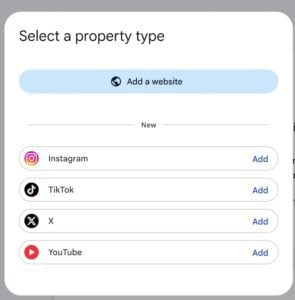
Google Search Console has introduced a long-awaited capability that allows account holders to add social media profiles as distinct properties. This feature, which follows a gradual rollout phase, is now available to all users and supports professional accounts on four major platforms: YouTube, TikTok, X (formerly Twitter), and Instagram.
Under this new framework, these social profiles are treated with the same analytical rigor as traditional websites. Once a profile is verified—a process initiated via the "Add property" menu in the Search Console dashboard—users gain access to a dedicated analytics suite. Data collection typically begins within 36 hours of verification, providing marketers with a unified view of how their social content performs within Google’s search ecosystem.
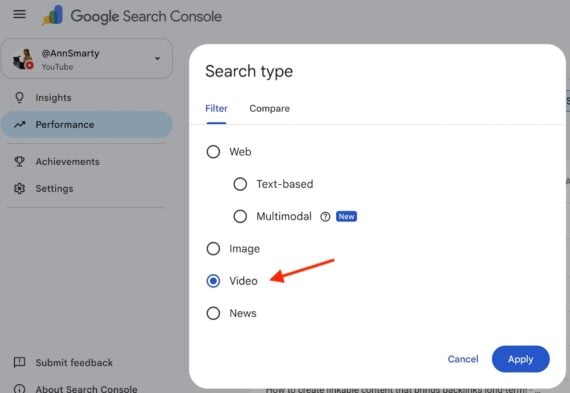
The dashboard for these "platform properties" focuses on two primary areas: the Insights tab and the Performance report. The Performance section is particularly robust, allowing users to filter data by specific search types—including web (text-based and multimodal), image, video, and news—as well as visibility within Google Discover.
The Chronology of the Update
The journey to this integration has been characterized by a quiet, strategic deployment. For several months, industry insiders observed intermittent testing of "platform property" types within Search Console. Initially limited to a small cohort of testers, the feature was refined based on feedback regarding the complexity of cross-platform authentication.
By late 2026, the rollout reached full maturity. Google moved away from the experimental phase, officially opening the doors for all professional accounts. This timeline aligns with Google’s broader strategy to prioritize video and multimodal search results in response to the rise of AI-driven search experiences. As Google continues to refine its "AI Overviews" and Gemini-integrated search results, the need for creators to understand how their social-hosted content interacts with these engines became a technical necessity rather than a luxury.
Supporting Data and Technical Nuances
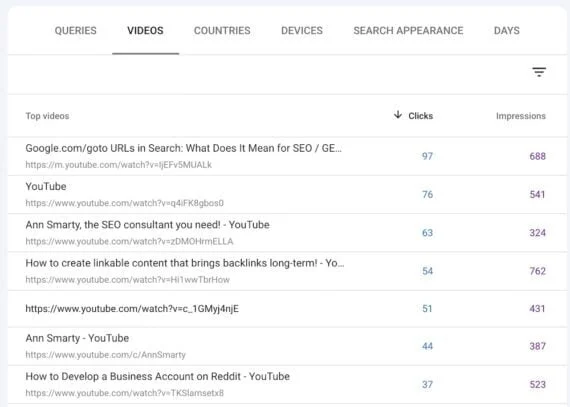
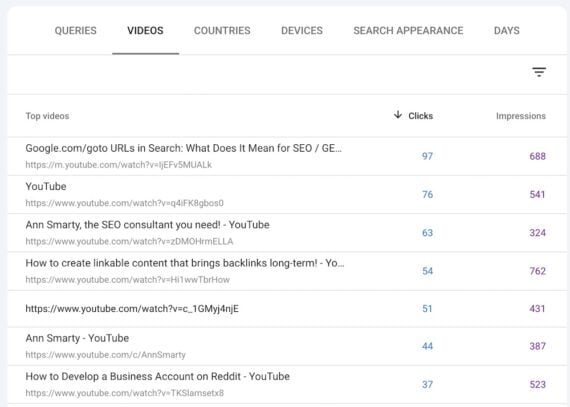
The utility of this update is best illustrated by the "Video" performance filter. For years, video SEO has been something of a "black box." Creators could see views on YouTube, but they lacked visibility into the specific search queries that led a user to a video from a Google Search results page.
Now, by navigating to the Performance dashboard of a linked YouTube property, users can select the "Videos" search type. This reveals a list of videos indexed by Google, along with the specific search queries that generated clicks. This level of granularity allows for a precise "SEO audit" of video content.
Key Performance Indicators (KPIs)
- Impression/Click Ratios: By analyzing which videos have high impressions but low click-through rates, creators can refine their video titles and thumbnails to better align with user intent.
- Query Mapping: Identifying the specific search terms that drive traffic to a video allows for data-backed keyword optimization in future descriptions and metadata.
- Multimodal Discovery: For retailers using Instagram, the "Multimodal search" filter is a game-changer. It identifies whether product images are successfully appearing in Google Image Search, providing a direct link between social content and potential product discovery.
Official Context and AI Implications
While Google has not released a singular, lengthy manifesto regarding this update, the implications are clear through the lens of their recent product roadmap. The integration of YouTube, in particular, is a direct response to the integration of video content into Google’s AI Overviews and Gemini-driven search summaries.
As AI models consume vast amounts of video content to answer user queries, having a direct line of sight into how those videos rank is critical. If a video is being cited in an AI Overview, it is no longer just a social media asset—it is a foundational component of the search engine’s knowledge base. By providing these analytics, Google is essentially inviting creators to "optimize for the machine," ensuring that the content feeding AI models is high-quality and relevant.
Implications for Modern Marketing
The ability to track social properties within Search Console fundamentally alters the landscape for ecommerce and digital marketing.
1. Unified Cross-Channel Strategy
Marketers can now harmonize their publishing schedules. For example, if a merchant publishes a blog post on their website, creates a supporting video for YouTube, and shares product imagery on Instagram, they can now track the organic search performance of all three assets in one interface. By annotating these dates in Search Console, a business can correlate traffic spikes with specific cross-channel campaigns.
2. Refining Keyword Strategy
One of the most significant, yet often overlooked, implications is the discovery of new target keywords. Queries that rank for YouTube videos often differ from those that rank for traditional web text. By uncovering these unique "video-first" keywords, businesses can inform their broader content strategy, ensuring that they are covering the full spectrum of user intent—from text-heavy informational queries to visual-heavy "how-to" searches.
3. Bridging the "Branded Search" Gap
While the new updates do not explicitly include a "Branded search filter," the manual filtering capabilities are robust enough to fill the void. Businesses can now filter for their brand name and its variations across their social properties, allowing them to see exactly how their social media presence ranks for their own identity. This is vital for reputation management and ensuring that when a user searches for a brand, they are presented with a cohesive set of assets—be it a website, a video, or an Instagram feed.
4. The Future of Video SEO
The traditional tactics of video SEO—optimizing titles, descriptions, and tags—are now backed by empirical evidence. If a creator identifies a query with a high volume of views but an average position lower than 4, they have an actionable pathway to improvement. Simply by integrating that specific query into the video title or description, the creator can leverage the data to climb the rankings. This transition from "creative guessing" to "data-driven optimization" is perhaps the most significant benefit for small to mid-sized businesses.
Conclusion: A New Era of Transparency
The integration of social media profiles into Google Search Console represents a maturing of the digital ecosystem. By breaking down the barriers between social platforms and search engines, Google is providing creators and businesses with the tools necessary to compete in a search environment that is increasingly visual and AI-driven.
For the modern marketer, this update is not merely a new reporting feature; it is a strategic imperative. As organic search traffic shifts, the ability to monitor, analyze, and optimize across both website and social properties will define the winners of the next generation of search. The data is now available—the question remains how effectively businesses will utilize it to capture the attention of an increasingly fragmented online audience.