As the climate crisis shifts from a distant threat to an immediate, daily reality, the way we consume information has undergone a parallel transformation. The rise of environmental podcasting has provided a vital lifeline for listeners, offering a blend of rigorous scientific analysis, political accountability, and much-needed climate optimism. Whether you are navigating the complexities of global carbon policy or seeking actionable ways to reduce your environmental footprint, the following 15 podcasts represent the gold standard in climate journalism and environmental advocacy today.
1. The Landscape of Climate Media: Why Podcasts Matter
The urgency of the current climate era requires more than just headlines; it requires deep-dive context. Podcasts have become the primary medium for this discourse, allowing for nuanced conversations that traditional news cycles often overlook. By centering the voices of scientists, activists, and policymakers, these programs bridge the gap between abstract climate data and the tangible, human-centric solutions needed to ensure a sustainable future.
Chronology of the Climate Conversation
The evolution of climate podcasts mirrors the evolution of the global climate movement itself.
- Early 2010s: Climate media was primarily academic or science-focused, often struggling to reach a mass audience.
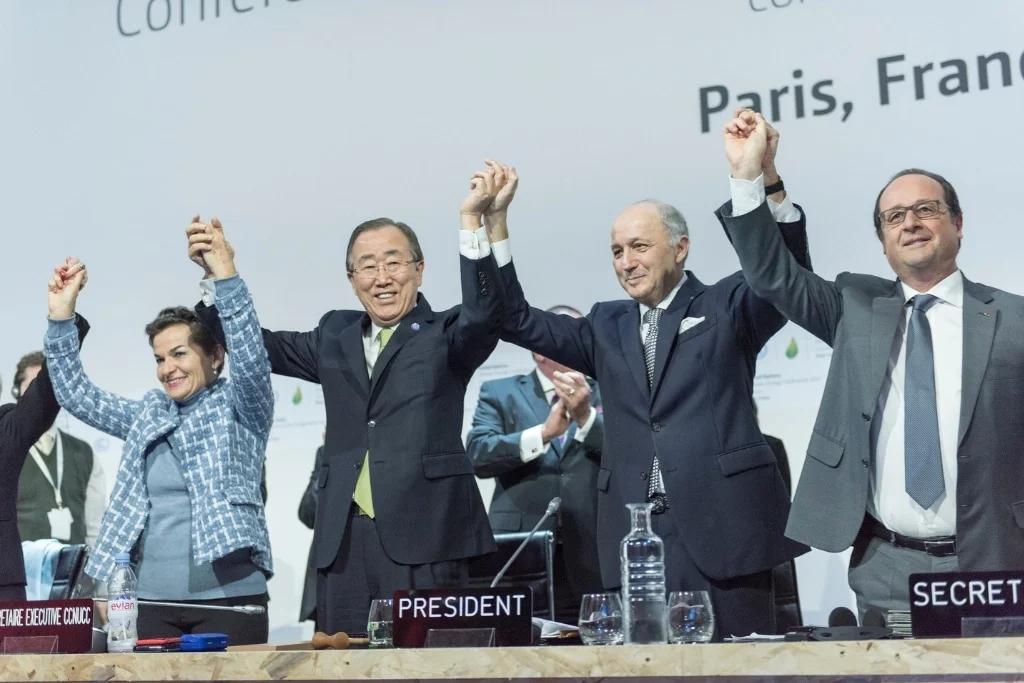
- 2015: The adoption of the Paris Agreement served as a catalyst, sparking a need for more accessible explainers on what international policy meant for individual citizens.
- 2020–Present: A surge in investigative and solution-oriented content, moving the narrative from "what is happening" to "what we can do about it."
2. Curated Recommendations: The Best of the Airwaves
I. The Frontline Reporters
Earth Radio
As a flagship offering from Earth.Org, Earth Radio cuts through the noise of the 24-hour news cycle. In five-minute, high-impact episodes, host Rebekah Hendricks provides a weekly roundup of critical climate stories. It is designed for the listener who needs to stay informed without being overwhelmed, bridging the gap between global policy halls and the frontlines of grassroots activism.
The Climate Pod
Hosted by brothers Brock and Ty Benefiel, The Climate Pod offers a comprehensive look at the intersection of climate science, politics, and social justice. By interviewing the architects of modern environmental policy, the show provides a masterclass in how economics and culture dictate the success or failure of climate initiatives.
II. Business, Policy, and Systemic Change
Climate Rising (Harvard Business School)
Climate change is not just an environmental issue; it is a business imperative. Climate Rising explores how global corporate leaders are grappling with the shifting landscape. By uniting HBS faculty with industry experts, the podcast dissects the strategic challenges—from supply chain resilience to ethical marketing—that modern managers must navigate in a warming world.
The Climate Briefing (Chatham House)
For those interested in the intricacies of international relations, this podcast—hosted by Anna Åberg and Bhargabi Bharadwaj—is essential. It focuses on the mechanics of UN climate negotiations, the vital role of climate finance, and the geopolitical tensions that underpin the global energy transition.
Outrage + Optimism
Co-hosted by the architects of the Paris Agreement, Christiana Figueres and Tom Rivett-Carnac, alongside CDP founder Paul Dickinson, this podcast is a masterclass in diplomacy and hope. It is one of the few shows that successfully balances the "outrage" of inaction with the "optimism" required to drive progress, frequently calling out greenwashing while highlighting scalable solutions.

III. Science and Discovery
NASA’s Curious Universe
Science is the bedrock of climate action. Curious Universe brings the vastness of space and the fragility of Earth into focus. Hosted by Padi Boyd and Jacob Pinter, the show provides an "astronaut’s eye view" of our planet, exploring how space exploration and Earth science are inextricably linked.
The Nature Podcast
Produced by the world-renowned Nature Journal, this weekly series is a rigorous dive into the latest scientific breakthroughs. From zoology to climatology, it provides a high-level look at the data driving our understanding of the changing biosphere, featuring the actual researchers behind the findings.
When Science Finds a Way
Hosted by Alisha Wainwright, this Wellcome-produced show humanizes the scientific process. Its focus on the human impact of extreme heat, mental health, and emerging tech like AI makes it a unique addition to the environmental canon.
IV. Solutions and Advocacy
A Matter of Degrees
Dr. Leah Stokes and Dr. Katharine Wilkinson guide listeners through the powerful forces influencing the climate. By highlighting both the "misdeeds" of corporate lobbyists and the groundbreaking campaigns of climate activists, the show serves as a blueprint for effective advocacy.
Yale Climate Connections
Dr. Anthony Leiserowitz’s daily, bite-sized episodes are a testament to the power of concise communication. Covering everything from public health to energy practices, this podcast serves as a daily dose of reality—and a daily reminder that solutions exist at every level of society.
Earth to Humans
Focusing on conservation and environmental justice, this series features in-depth interviews with those working to protect wildlife and promote equitable policy. It is an invaluable resource for those looking to turn their interest into active advocacy.
Climate Court Voices
Legal accountability is becoming a powerful tool in the fight against climate change. This podcast chronicles the landmark litigation cases occurring globally, from domestic constitutional challenges to international human rights battles. It is the premier resource for understanding how the courts are holding major polluters accountable.
The Food Fight
Food systems are a major contributor to global emissions. The Food Fight examines the innovation occurring in this sector, from the future of 3D-printed food to the circular economy of agricultural waste. It is a vital listen for anyone interested in the intersection of diet, technology, and planetary health.

Boiling Point (LA Times Studios)
A newer entrant to the field, Boiling Point brings the journalistic rigor of the Los Angeles Times to the airwaves. By interviewing energy leaders and activists, it tackles the difficult, granular reality of phasing out fossil fuels and managing public resources like water.
What Could Go Right?
While not exclusively about the climate, this podcast is a necessary antidote to fatalism. Founders Zachary Karabell and Emma Varvaloucas argue that, despite the overwhelming challenges of our era, progress is not only possible but happening. It encourages listeners to remain engaged by focusing on systemic successes.
3. Supporting Data and Environmental Context
The necessity of these podcasts is underscored by the current state of the climate. According to recent climate data:
- Emission Trajectories: Global greenhouse gas emissions have continued to rise, necessitating a rapid shift in public discourse from awareness to implementation.
- Economic Impact: Reports indicate that climate-related disasters cost the global economy hundreds of billions of dollars annually, a figure that is consistently reflected in the business-focused narratives of Climate Rising and The Climate Briefing.
- Public Sentiment: Surveys suggest that while public awareness of the climate crisis is at an all-time high, there is a significant "action gap." Podcasts like A Matter of Degrees and Yale Climate Connections are explicitly designed to close this gap by providing listeners with the tools for civic engagement.
4. Official Responses and Institutional Roles
International bodies, including the United Nations and various national environmental agencies, have increasingly embraced digital media to disseminate policy information. The involvement of experts from Chatham House, NASA, and Harvard Business School highlights a shift: climate information is no longer confined to the fringes of alternative media. It is now central to the institutional messaging of the world’s most influential organizations.
When asked about the importance of such platforms, environmental policymakers often emphasize the "democratization of expertise." By bringing complex data to the public in a conversational format, these podcasts empower voters to demand better policies and corporations to adopt more transparent practices.
5. Implications for the Future
The proliferation of environmental podcasts marks a turning point in the cultural response to the climate crisis. As these shows continue to evolve, their influence will likely manifest in three key ways:
- Increased Accountability: Through podcasts like Climate Court Voices, the public is better informed about how legal and political systems work, making it harder for institutions to hide behind bureaucratic opacity.
- Community Building: Many of these podcasts have fostered digital communities, where listeners share strategies for local activism, sustainable living, and professional development in green industries.
- Reframing the Narrative: Perhaps most importantly, these shows are moving the needle away from "apocalyptic framing" and toward "solution-based framing." By highlighting innovation, human ingenuity, and successful activism, they provide the psychological fuel necessary for sustained long-term commitment to the planet.
In conclusion, the climate audio revolution is not merely a trend; it is a critical infrastructure for the modern age. Whether you are a scientist, a business leader, or a concerned citizen, these 15 podcasts offer the depth, breadth, and inspiration required to navigate one of the most consequential periods in human history. By integrating these programs into our daily lives, we transform the way we interact with the climate crisis—from a source of anxiety into a call to action.