Executive Summary: The Industry at a Crossroads
As the global space industry accelerates, the competitive landscape is shifting from government-led monopolies to a dynamic, multi-polar ecosystem defined by rapid iteration and private sector agility. Edition 9.14 of the Rocket Report highlights a critical juncture for heavy-lift capabilities, the maturation of domestic space programs in Asia, and the growing complexities of commercial credit and launch-site security.
The most anticipated development of the current season remains the operational debut of United Launch Alliance’s (ULA) Vulcan rocket. After years of development and rigorous testing, ULA is poised to establish a sustainable launch cadence that could redefine the heavy-lift market. Simultaneously, international players like South Korea are solidifying their domestic launch capabilities, while European firms navigate the transition from government-funded research to commercial-scale viability.
The Vulcan Ascendant: ULA’s New Era
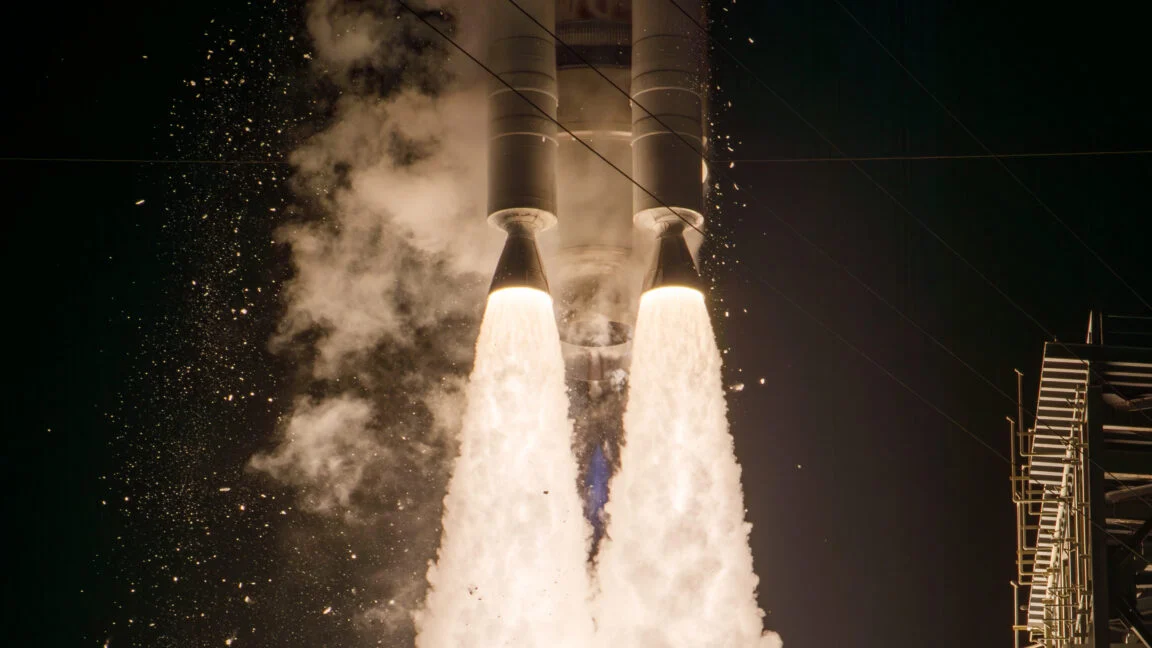
For years, the industry has looked toward the Vulcan Centaur as the spiritual successor to the storied Atlas V and Delta IV families. According to recent disclosures from Amazon’s Project Kuiper officials, the wait is effectively over. Amazon, which has contracted a diverse fleet of launch providers to build its massive Low Earth Orbit (LEO) broadband constellation, has confirmed that its integration facilities are now prepared to process two Vulcan rockets simultaneously.
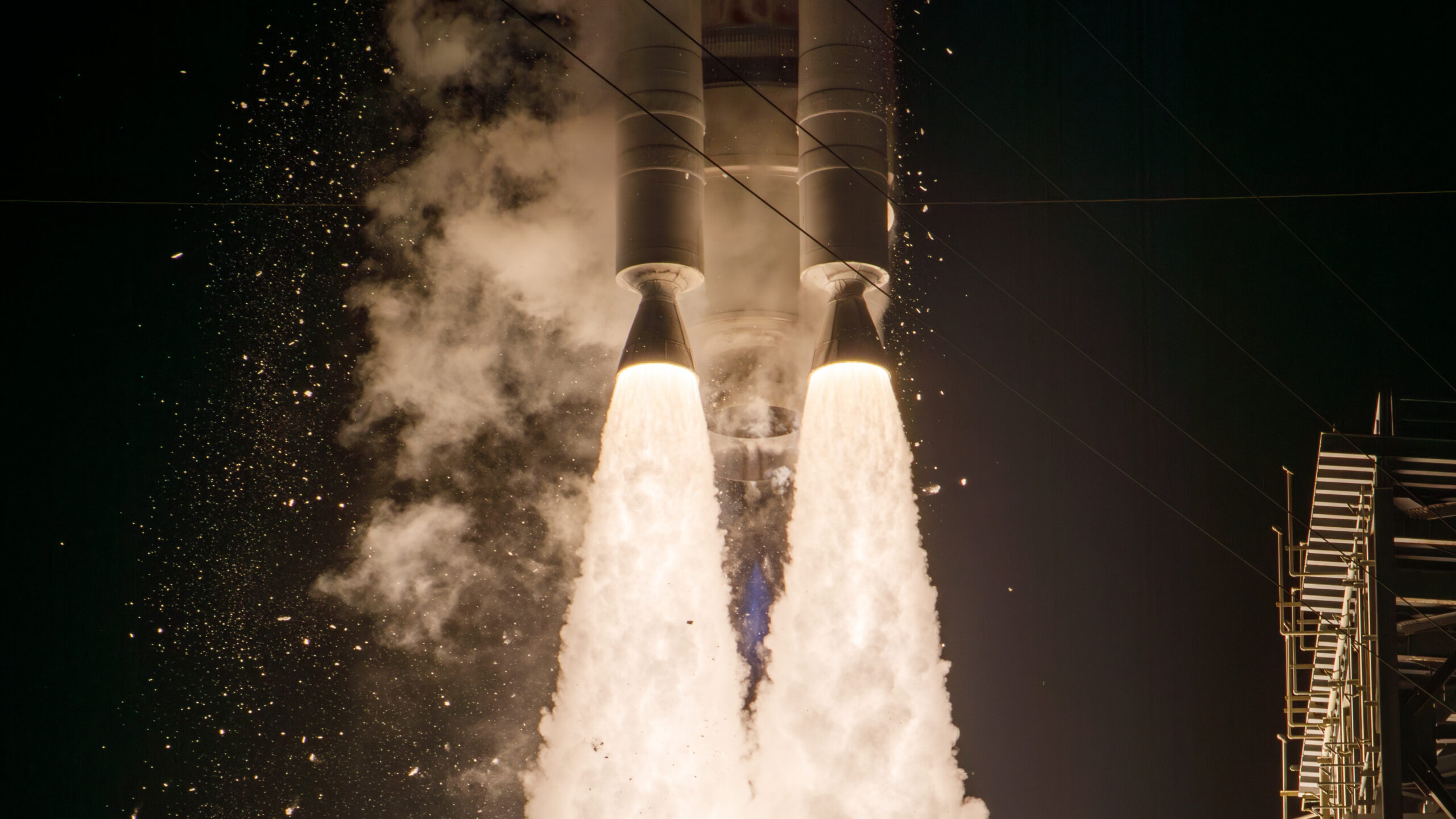
"From day one, we decided to go with a diverse set of partners," said Rajeev Badyal, Vice President of Amazon’s Leo division. "We knew there was risk, but we had to get heavy-lift vehicles."
The strategic significance of this cannot be overstated. By achieving a consistent launch cadence, ULA is not just fulfilling a contract for Amazon; it is validating a manufacturing and processing model that can sustain high-frequency launch demands. With at least two Vulcan launches targeted for the remainder of this year, the industry is closely watching to see if the solid rocket booster performance meets expectations. If successful, the Vulcan could become the workhorse of the next decade, providing a reliable alternative to the dominant SpaceX Falcon 9.
Chronology: Recent Developments in Global Launch
The past week has seen a series of successes, delays, and organizational shifts that underscore the volatility of the aerospace sector:

- October 2026 (Mid-Week): South Korea’s Nuri rocket successfully deployed five domestic microsatellites. While one secondary payload failed to separate, the mission was hailed as a success, marking the fourth consecutive victory for the program and bringing its historical success rate to 80 percent.
- October 2026 (Early Week): SpaceX experienced a rare, late-countdown abort for a Falcon 9 mission carrying data satellites for the U.S. Space Development Agency. The scrub, which occurred in the final minute, serves as a reminder that even the most reliable launch vehicles are subject to the complexities of automated safety systems.
- Recent Weeks: German startup HyImpulse announced a significant delay for its second SR75 suborbital flight. Originally slated for late 2026, the mission has been pushed to spring 2027 to accommodate licensing and seasonal weather constraints at the SaxaVord spaceport.
- Strategic Shift: Rocket Factory Augsburg (RFA) appointed Alexander Dahm as its new CEO. Bringing three decades of aerospace experience—including tenure on the Ariane 5 program—Dahm is tasked with guiding the company toward its maiden orbital flight following the loss of a stage during a static-fire test earlier this year.
Supporting Data: Infrastructure and Investment
The industry is currently defined by a massive infrastructure build-out. Blue Origin, in particular, is signaling an aggressive expansion. Founder Jeff Bezos recently confirmed that the company is constructing three additional launch pads in Florida to support the New Glenn vehicle, bringing the total number of pads under development to four.
"Our goal is to fly every day," Bezos stated in a recent interview. "And then once we’re flying every day, we want to fly every hour." While critics point out that the company has yet to establish a monthly launch cadence, the capital expenditure dedicated to pad infrastructure suggests a long-term commitment to high-volume operations that rivals the scale of SpaceX’s Starbase and Kennedy Space Center operations.
Furthermore, the European space sector continues to struggle with the "hop test" phase of the Themis reusable rocket demonstrator. The European Commission has extended the deadline for the SALTO project to the end of 2026, marking the latest in a series of delays. The project, which involves an investment of €42.8 million, is vital for Europe’s goal of achieving vertical takeoff and landing (VTVL) capabilities—a prerequisite for competing with the cost-efficiency of modern, partially reusable American launch vehicles.

Financial Implications: The SpaceX Credit Concern
Perhaps the most surprising development this week is the scrutiny surrounding SpaceX’s financial maneuvering. Reports from The Financial Times indicate that the company plans to raise $40 billion in debt to finance the purchase of Nvidia chips—a move that has spooked some market observers.
The spread on SpaceX’s five-year credit default swaps has risen to 194 basis points. This shift reflects a growing nervousness among lenders regarding the company’s massive debt load. Following its $86 billion IPO and a subsequent $25 billion debt issuance in June, this new $40 billion injection represents a massive bet by Elon Musk on the necessity of high-performance computing (HPC) for the future of space communications and AI-driven satellite operations. While SpaceX remains the undisputed leader in launch volume, the sheer scale of this debt indicates that the company is no longer just a rocket builder; it is positioning itself as a vertically integrated tech infrastructure giant.
Security: Protecting the Cape
As the frequency of launches at Cape Canaveral increases, so does the risk of unauthorized airspace incursions. The U.S. Space Force has begun implementing directed energy systems—specifically lasers—to neutralize drones that threaten launch safety.

Traditional electronic warfare methods, such as jamming, were deemed unsuitable because they risk interfering with the sensitive telemetry and command links of the rockets themselves. The laser-based defense system offers a surgical alternative, ensuring that the Cape remains a secure environment for both military assets and the growing parade of commercial vehicles from ULA, SpaceX, and Relativity Space.
Looking Ahead: The Next Three Launches
As we look toward the immediate future, the calendar remains packed:
- October 9, 2026: Long March 12 | Unknown Payload | Wenchang Space Launch Site, China.
- October 10, 2026: Falcon 9 | Tranche 1, Transport Layer A | Vandenberg Space Force Base, California.
- October 12, 2026: Falcon 9 | Starlink 15-25 | Vandenberg Space Force Base, California.
Conclusion: The Path Toward Routine Spaceflight
The industry is currently in a state of rapid transition. We are witnessing the end of the "experimentation era" for several major programs and the beginning of a "logistics era." Whether it is ULA finally establishing its Vulcan rhythm, South Korea proving the reliability of its Nuri rocket, or the European space sector attempting to bridge the gap in reusability, the common theme is the push toward higher frequency and greater reliability.

The challenges remain significant: credit risks, complex regulatory frameworks, and the constant threat of technical anomalies. However, the sheer volume of capital and infrastructure currently being deployed suggests that the industry is no longer aiming for the stars—it is aiming for a sustainable, daily presence in orbit. As Bezos noted, the dream is to reach a point where spaceflight is as mundane as commercial aviation. We are not there yet, but the infrastructure being built today—from pads in Florida to laser-protected launch sites—is laying the foundation for exactly that reality.