The Atlantic hurricane season, which has been defined by an uncharacteristic lull for much of the year, has suddenly pivoted to a state of high alert. Hurricane Isaias—the first hurricane of the 2026 season—is currently churning through the Gulf of Mexico, marking a rare and intense weather event that arrives just days shy of a 121-year-old record for the latest-forming hurricane in the region.
As the storm accelerates toward the U.S. Gulf Coast, state and local governments across Florida, Mississippi, and Alabama have declared states of emergency. With landfall projected for late Friday or early Saturday, the focus has shifted from meteorological tracking to massive, multi-state infrastructure preservation efforts as utility providers scramble to harden grids against what forecasters warn will be a dangerous combination of wind, rain, and life-threatening storm surges.
Chronology of a Late-Season Development
The emergence of Isaias is statistically significant. Having developed more than four months into the Atlantic hurricane season, the storm is nearing the record set on October 8, 1905, for the latest-forming hurricane in the basin. Meteorologists attribute the season’s previous quietness to a powerful El Niño event, which historically creates vertical wind shear across the Atlantic, effectively tearing apart budding tropical systems before they can organize.
However, the environment has shifted. As of Thursday afternoon, the National Hurricane Center reported that Isaias was positioned approximately 355 miles south of the mouth of the Mississippi River, packing maximum sustained winds of 85 mph. The storm is currently tracking east-northeast at 10 mph.
The trajectory of the storm suggests a rapid intensification phase. As it draws energy from the warm waters of the Gulf, coastal residents in the Florida Panhandle, southern Alabama, and southern Mississippi have been placed under mandatory evacuation orders. By the time the system makes landfall, it is expected to bring a surge of 5 to 7 feet, with rainfall totals in some areas reaching as high as 15 inches. While the storm is expected to dissipate rapidly once it moves inland, its path of destruction is projected to extend as far north as Tennessee and North Carolina, bringing with it the threat of localized flooding and isolated tornadoes.
Meteorological Data and Regional Impacts
The meteorological profile of Isaias is complex. While it is not categorized as a major hurricane by wind speed alone, its slow movement and potential for extreme precipitation make it a significant threat to infrastructure.
The Surge Factor
The storm surge remains the most concerning variable for coastal communities. In low-lying regions of Mississippi and Alabama, water levels are expected to rise significantly, complicating evacuation routes and damaging underground electrical infrastructure.
Tornado Risks
The National Weather Service has issued warnings regarding the potential for "spin-up" tornadoes. These short-lived but intense vortices are common in the right-front quadrant of landfalling tropical systems. Residents from the Florida Panhandle to southwestern Georgia are being urged to remain vigilant overnight Friday into Saturday, as these tornadoes can strike with little warning, even in areas well away from the eye of the storm.
The Pacific Contrast
While the Atlantic is finally seeing activity, the Pacific basin has been consistently active. Tropical Storm Simon, which formed off the coast of Mexico on Wednesday, and Tropical Storm Rachel, which is currently tracking toward the Baja California peninsula and Southern California, illustrate the broader atmospheric shifts currently occurring. Experts note that the interplay between Pacific storm systems and the cooling influence of El Niño has created a volatile, if delayed, end to the 2026 Atlantic season.
Utility Sector Mobilization: A Massive Response
The scale of the preparation by energy providers is indicative of the seriousness with which the industry views the threat. With millions of lives and critical infrastructure at stake, the regional power grid is currently undergoing a "stress-test" of its emergency mutual-aid protocols.
Florida Power & Light (FPL)
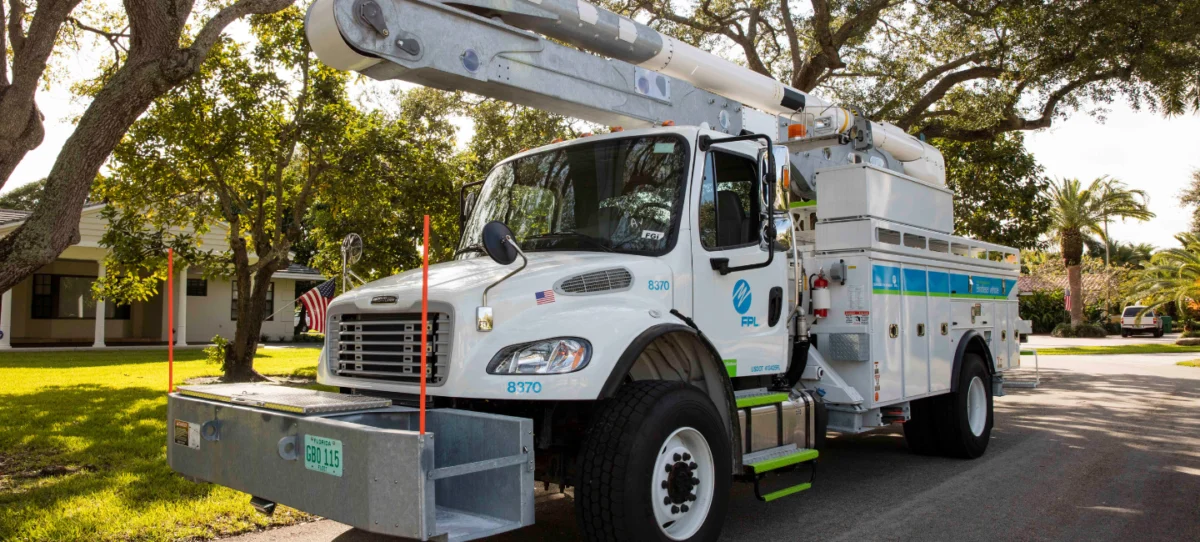
FPL has activated its comprehensive emergency response plan, positioning a workforce of approximately 12,000 personnel. The utility has established 16 staging and processing sites across the state to facilitate rapid deployment. "At FPL, we are moving crews and resources in advance of Tropical Storm Isaias so we can respond immediately," said Scott Bores, FPL President and CEO. The strategy is to pre-position resources as close to the expected impact zones as possible, minimizing the "lag time" between the storm’s passage and the commencement of restoration.

Georgia Power and Duke Energy
In Georgia, crews are proactively trimming vegetation—a primary cause of power outages during tropical events—near critical lines. Georgia Power has also leveraged digital infrastructure, ensuring all customers are enrolled in automated SMS alerts to receive real-time updates on grid status.
Meanwhile, Duke Energy Florida has issued a sobering notice to its customers. Officials warned that while restoration teams are on standby, the physical conditions—including flooding and debris-laden roads—will likely lead to "lengthy and difficult" repair times. Todd Fountain, the utility’s storm director, emphasized that safety remains the primary constraint on how quickly the lights can be turned back on.
The Cooperative and Municipal Response
The Florida Municipal Electric Association (FMEA) has triggered its mutual aid network. This coalition, representing 33 public power communities, acts as a force multiplier, allowing smaller municipalities to tap into the labor and equipment resources of larger entities. Amy Zubaly, Executive Director of FMEA, noted that while public power communities are currently outside the primary "cone of uncertainty," the mutual aid agreements are already in motion to assist neighbors in Alabama and Mississippi who are in the direct path of the storm.
Similarly, Baldwin EMC in Alabama has confirmed that it has moved to an "emergency storm alert" status. The cooperative has bolstered its inventory of poles, transformers, and electrical wire, ensuring that even if supply chain bottlenecks occur post-storm, they have the necessary hardware to rebuild local grids.
Strategic Implications and Future Resilience
The arrival of Hurricane Isaias serves as a stark reminder of the "new normal" for coastal utility management. The frequency of late-season storms, coupled with the increasing intensity of rainfall events, is forcing utilities to move beyond traditional storm hardening.
Grid Hardening
Utilities are increasingly investing in "smart grid" technologies that can reroute power automatically, reducing the number of customers affected by a single downed line. Furthermore, the systematic burying of distribution lines in vulnerable coastal areas is being debated at the state-legislative level as a long-term solution to the recurring costs of post-hurricane reconstruction.
Emergency Communication
The reliance on SMS alerts and social media updates has revolutionized how companies communicate with customers. During Isaias, the ability for a customer to receive a text message confirming the arrival of a repair crew in their neighborhood provides not only transparency but also helps manage public expectations during what could be a prolonged recovery period.
The "El Niño" Paradox
While this season was predicted to be quiet due to El Niño, Isaias demonstrates that historical patterns are not absolute. For energy companies, this means that "off-season" preparation can no longer be ignored. The industry is trending toward a 12-month readiness posture, where emergency operations centers are never fully stood down, but rather kept in a state of "low-level watch" throughout the year.
Conclusion: A Community Under Watch
As Friday night approaches, the Gulf Coast stands in a state of uneasy anticipation. The meteorological data paints a clear picture of the coming hours: high winds, excessive rainfall, and the risk of significant grid failure. However, the coordinated response from providers like FPL, Duke Energy, and Baldwin EMC—backed by the mutual aid of the FMEA—provides a robust framework for recovery.
For the residents in the path of Hurricane Isaias, the advice from utility officials is unanimous: finalize personal emergency plans, secure loose outdoor items, and prepare for the possibility of extended outages. As the hurricane makes its transition from the Gulf to the coast, the effectiveness of the region’s infrastructure will be tested, but the mobilization efforts currently underway demonstrate a profound commitment to public safety and regional resilience.