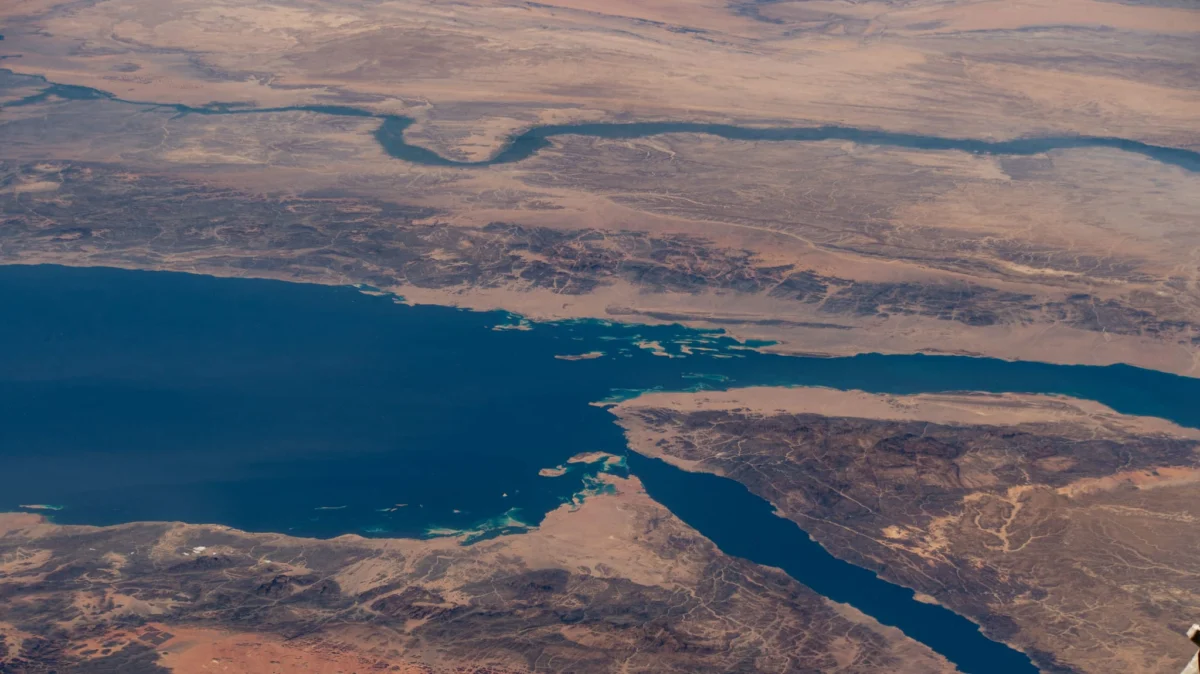
As the Nile Basin population hurtles toward a projected one billion people by 2050, the world’s longest river has become the stage for a high-stakes geopolitical drama. The full operation of Ethiopia’s Grand Ethiopian Renaissance Dam (GERD)—a $5 billion engineering marvel—has permanently dismantled Egypt’s century-old water hegemony. What was once a localized dispute over resource management has escalated into a complex, multi-dimensional confrontation involving national sovereignty, regional security, and the existential pressures of climate change.
The Context: A River Under Pressure
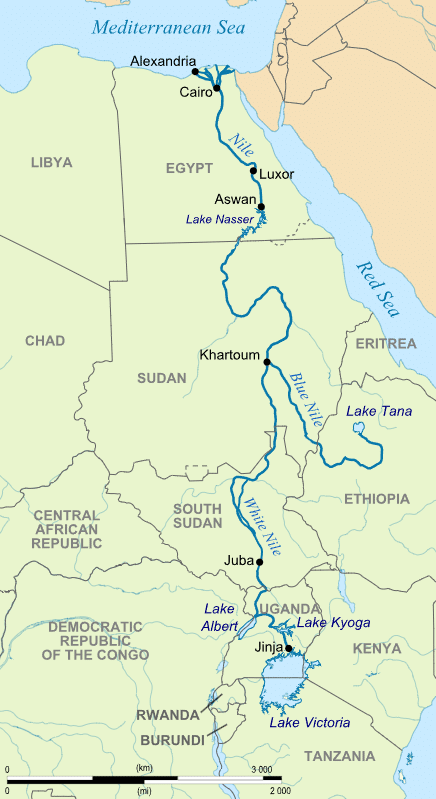
The Nile Basin serves as a lifeline for 257 million people, with over 500 million relying on its flow for agriculture, energy, and survival. For decades, the river’s governance was dictated by the colonial-era 1959 Nile Waters Agreement, which allocated the vast majority of the river’s flow to Egypt and Sudan, effectively ignoring the needs of upstream riparian states.
Ethiopia, a nation where 986 millimeters of rainfall annually masks the reality of extreme vulnerability to drought, has long sought to harness the Blue Nile for development. The completion of the 5,150-megawatt GERD in 2025 serves as the anchor of Ethiopia’s national energy strategy. By transforming the river into a source of renewable power, Addis Ababa is not only addressing its own domestic energy poverty but is also positioning itself as a regional energy hegemon, exporting electricity to Kenya, Djibouti, Sudan, and Tanzania.
A Chronology of the Conflict
The tension surrounding the Nile is not a sudden eruption but a culmination of years of diplomatic friction:
- 2011: Ethiopia announces the launch of the GERD project, sparking immediate alarm in Cairo regarding the potential reduction of downstream water flow.
- 2015: The "Declaration of Principles" is signed in Khartoum. Ethiopia promises to avoid "significant harm" to downstream neighbors, a term that has since become the central point of legal and diplomatic contention.
- 2020: The United States intervenes as a mediator; however, negotiations stall. The U.S. subsequently withholds $100 million in aid to Ethiopia, signaling the international stakes of the dispute.
- 2023: As diplomatic efforts falter, Egypt begins forging military alliances with Somalia and Eritrea, effectively attempting to encircle Ethiopia and regionalize the conflict.
- 2025 (September): The GERD is officially inaugurated, operating at full capacity. Egyptian authorities immediately denounce the action as "illegal."
- 2026 (March): Ethiopia announces plans for three additional hydropower projects, signaling that the GERD was only the beginning of a larger infrastructure build-out.
Supporting Data: The Arithmetic of Scarcity
The geopolitical tension is underscored by stark disparities in water reliance and climate vulnerability:
- Egypt’s Hyper-Dependence: Egypt receives less than 16 millimeters of annual rainfall and relies on the Nile for 88% of its water needs. With its population concentrated along the narrow Nile Delta, the country is currently facing a water deficit of nearly 34 billion cubic meters.
- The Threshold of Crisis: The World Bank warns that Egypt is approaching an "extreme water-scarcity" threshold of 500 cubic meters per person annually, expected to be reached by 2033.
- Ethiopian Growth: Ethiopia estimates that the GERD will contribute 2.1% to 3.5% to its annual GDP. Electricity export revenues have surged from $50 million in 2018 to nearly $476 million as of the most recent financial reporting.
- Flow Reductions: While no catastrophic downstream disruptions have occurred yet, technical assessments indicate that the GERD could reduce annual flows to Egypt by 13% to 32% during full operation.
Official Responses and Stances
The narrative from the two capitals remains diametrically opposed.
The Ethiopian Perspective:
Prime Minister Abiy Ahmed has framed the GERD as a symbol of "renewed sovereignty." For Ethiopia, the dam is an exercise in the principle of "equitable and reasonable use," as outlined in the 1997 UN Watercourses Convention. Addis Ababa rejects the legitimacy of the 1959 colonial-era treaty, arguing that no single nation should have a permanent veto over the developmental aspirations of upstream states.
The Egyptian Perspective:
Cairo views the Nile as a national security issue of the highest order. Article 44 of the Egyptian constitution explicitly mandates the protection of "historic rights" to the Nile. Foreign Minister Badr Abdelatty has repeatedly petitioned the UN Security Council, characterizing the dam as an "existential threat" to 150 million Egyptians and Sudanese citizens. The Egyptian government has explicitly stated it reserves the right to take "all appropriate measures" to defend its interests, a veiled reference to potential military action.
Geopolitical Implications: The "Nationalization of Sustainability"
The Nile conflict serves as a case study for the "nationalization of sustainability." As the European Parliament has warned, when countries pursue sustainability goals through the lens of narrow national threat assessments, they risk turning vital development projects into geopolitical weapons.

The Military Escalation
Ethiopia has begun bolstering its air defenses around the GERD, integrating Russian-made Pantsir systems and Israeli SPYDER missiles. This military buildup is a direct response to the rhetoric emanating from Cairo. While a full-scale war has been avoided, the threat of sabotage or tactical strikes remains a persistent fear for international observers. The International Crisis Group has noted that Egypt’s strategy appears designed to force Ethiopia into a corner, hoping for either an agreement or a domestic political collapse in Addis Ababa.
The Future of "Virtual Water"
Egypt faces a difficult trade-off. To survive its water deficit, it relies on "virtual water"—the import of water-intensive agricultural products to compensate for domestic shortfalls. However, this strategy requires a stable regional economic order. By engaging in a hostile posture toward upstream states, Egypt risks undermining the very trade relationships it needs to secure its food supply.
A New Regional Reality
The announcement in March 2026 of three additional dams in Ethiopia suggests that the "era of hegemony" is over. Egypt is now forced to confront a multipolar reality where it can no longer rely on 20th-century treaties to maintain control. The future of the Nile will likely depend on whether Egypt can shift from a posture of confrontation to one of integrated basin-wide cooperation.
Conclusion
The Grand Ethiopian Renaissance Dam is more than a concrete wall in the highlands of Ethiopia; it is a catalyst for a new era in African politics. As climate change continues to shrink the margin for error, the Nile Basin stands at a crossroads. The choice before the riparian states is stark: they can either perpetuate a cycle of existential fear and military posturing, or they can establish a framework of cooperative management that recognizes the equitable rights of all who rely on the river.
The "nationalization of sustainability" is a cautionary tale for the 21st century. If managed as a zero-sum game, the Nile will remain a source of conflict. If managed as a shared resource, it has the potential to power the industrialization of East Africa. As the population of the basin marches toward the billion-person mark, the time for diplomatic evolution is rapidly running out.