In the modern digital landscape, your website’s technical health and content quality are no longer sufficient to guarantee visibility. You may possess an aesthetically impressive site, host industry-leading long-form content, and offer a seamless user experience, yet still find your brand effectively invisible to both traditional search engines like Google and the emerging wave of AI-driven search tools.
The paradigm of online visibility has shifted. Search algorithms and Large Language Models (LLMs) do not exist in a vacuum; they function as massive, interconnected knowledge graphs. They evaluate your business not just by what you say about yourself on your own domain, but by what credible third-party sources say about you. Every time a trusted publication, an industry expert, or a vibrant community mentions your brand, they are casting a vote of confidence that bolsters your authority.
This guide explores why these brand mentions are more critical than ever, how they influence the way AI interprets your business, and four actionable strategies to earn them.
What Are Brand Mentions?
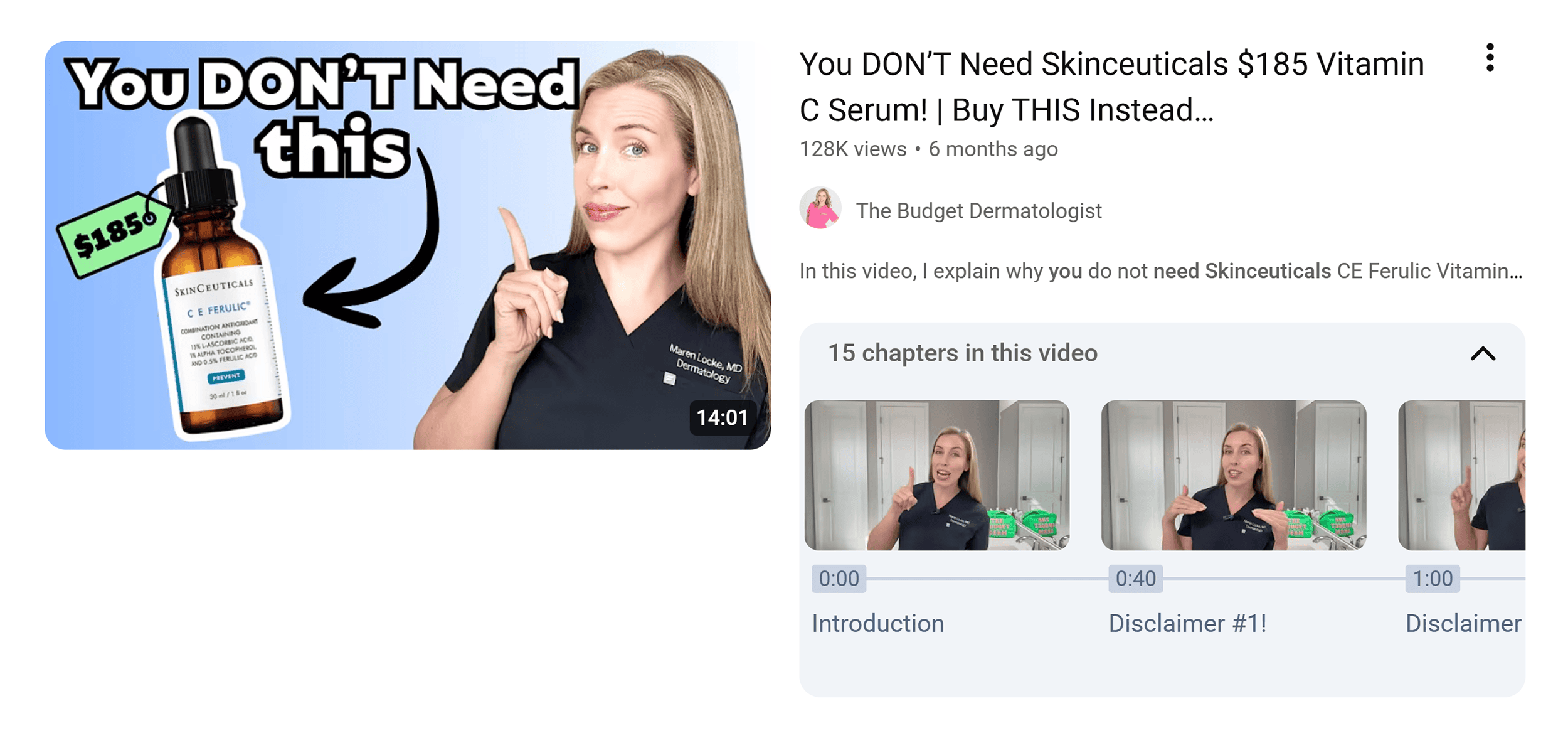
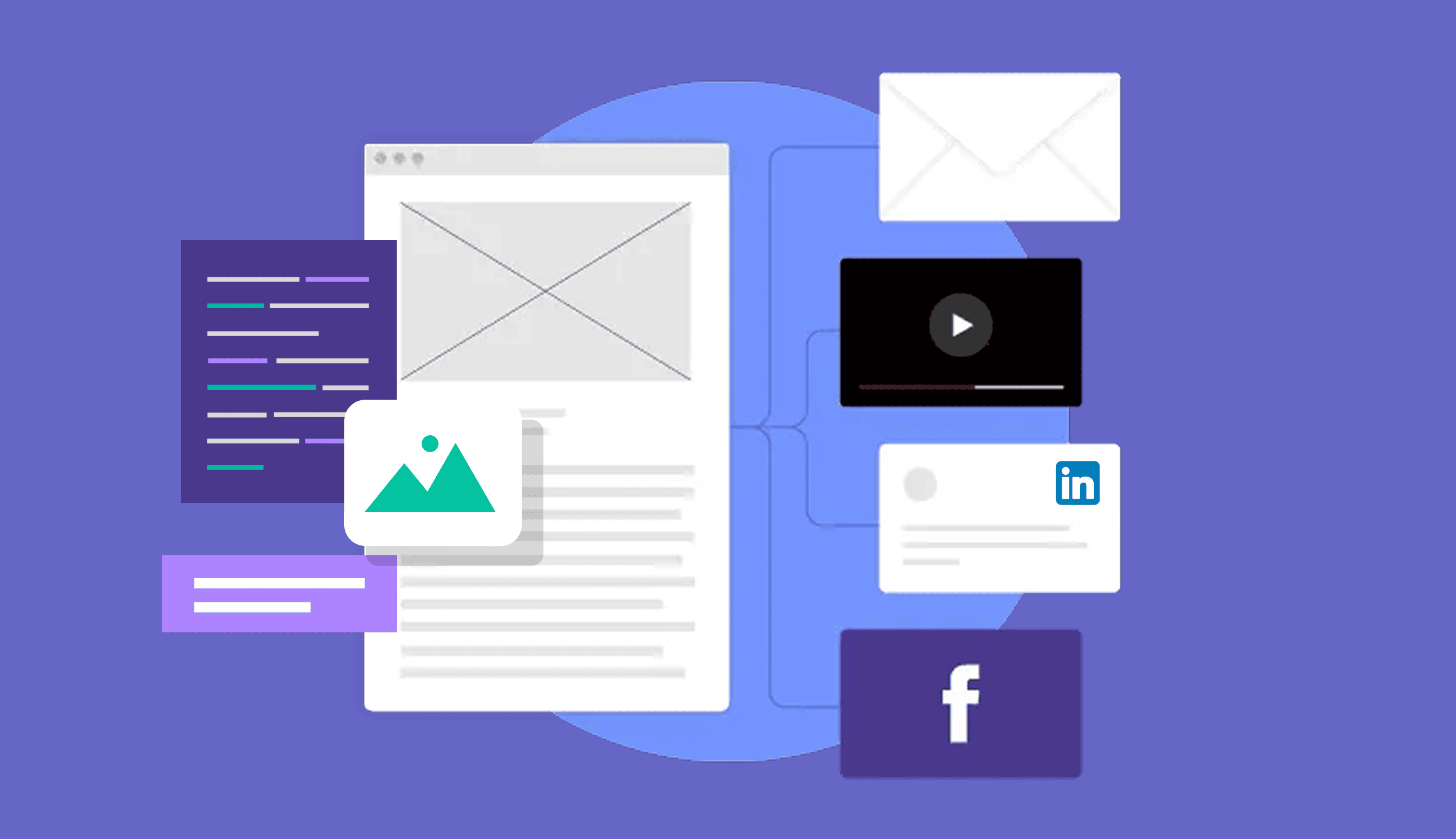
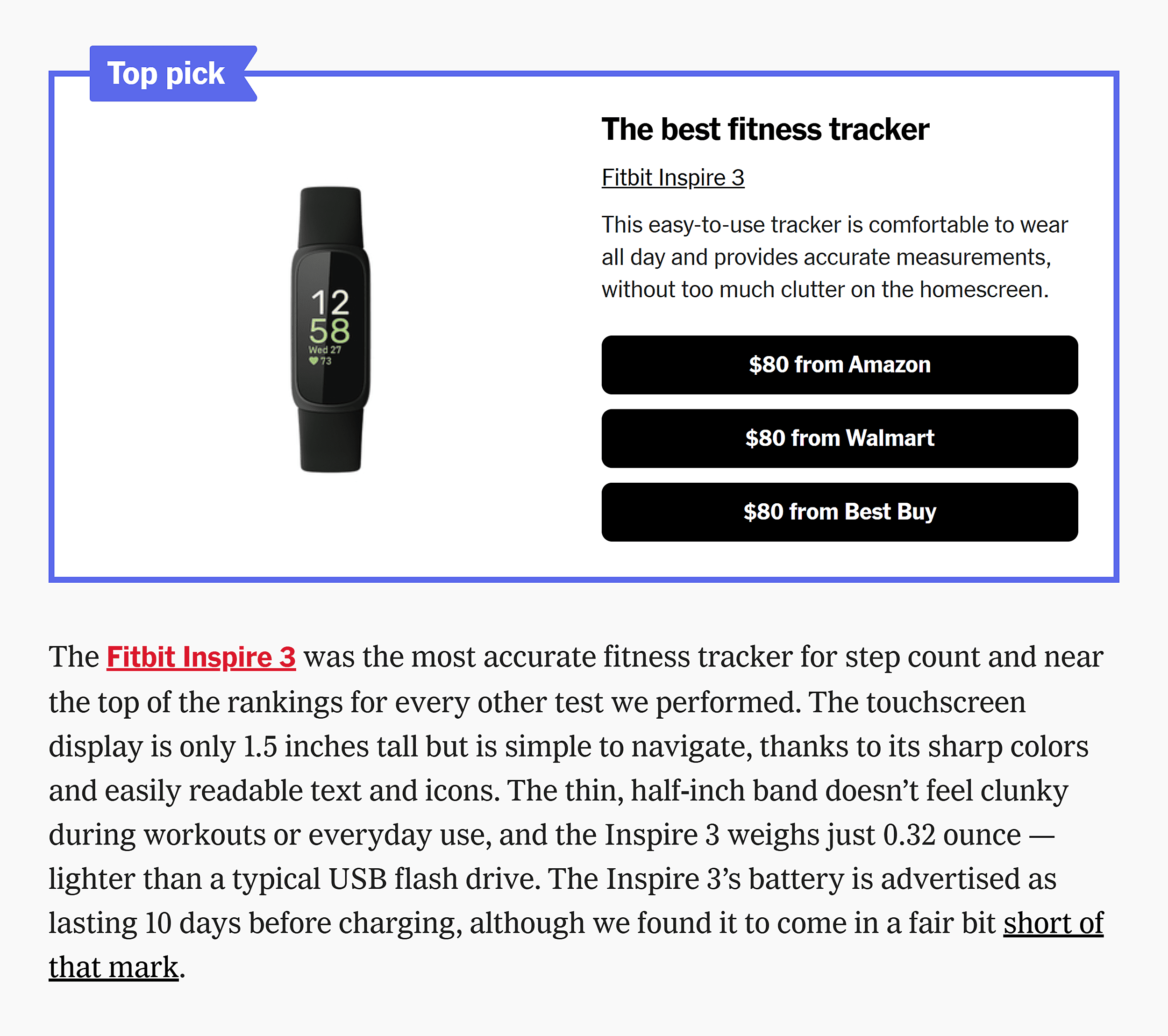
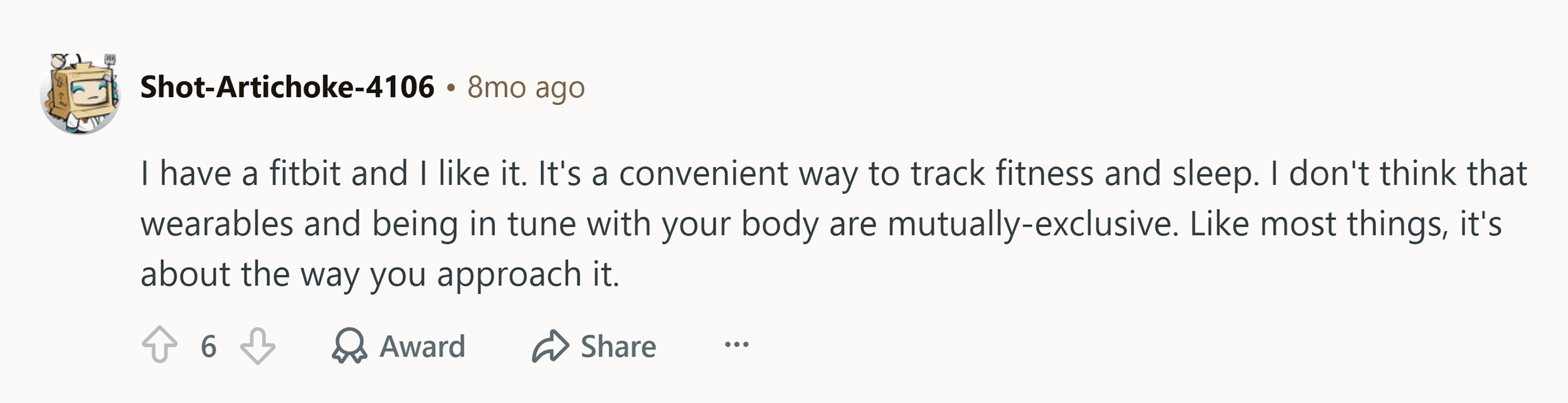
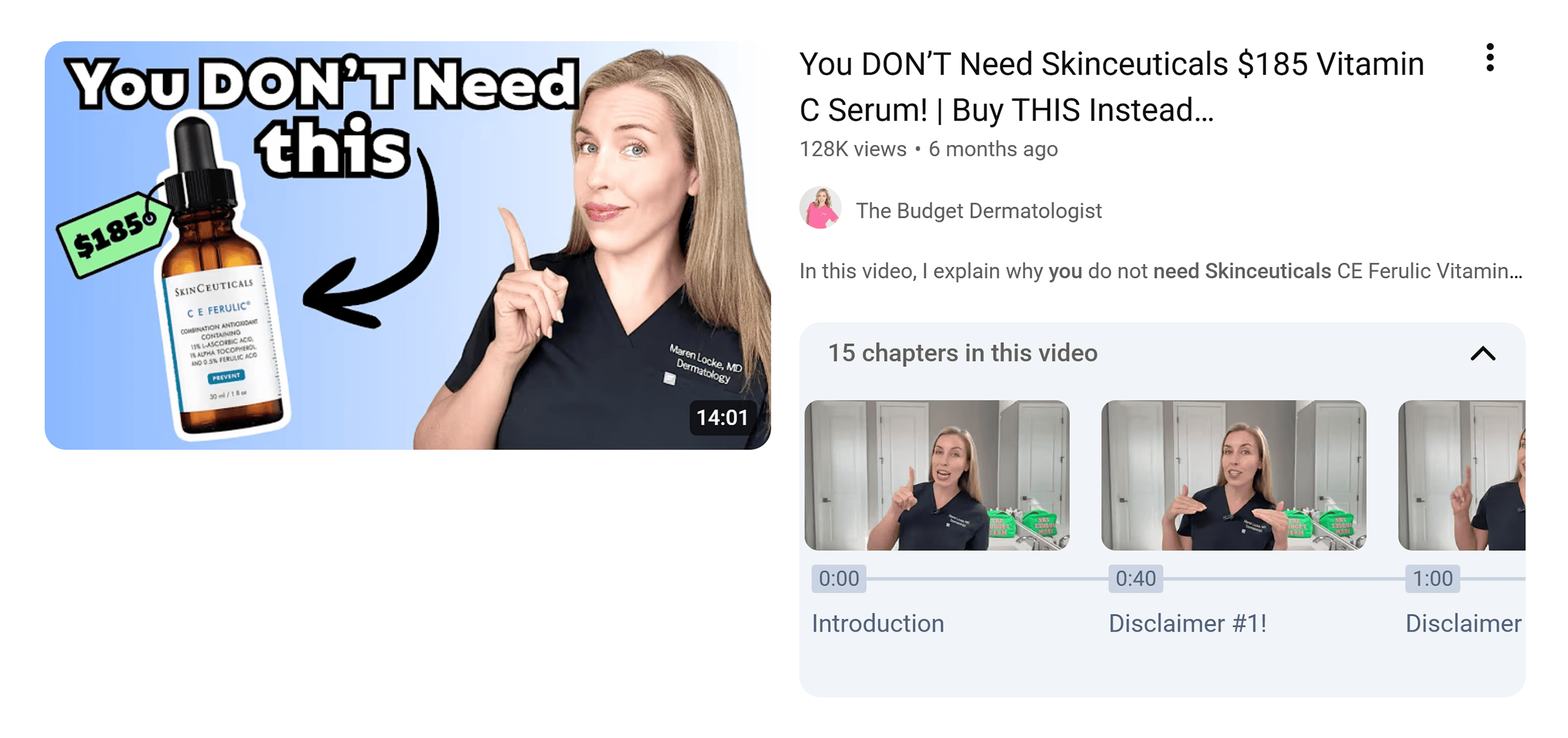
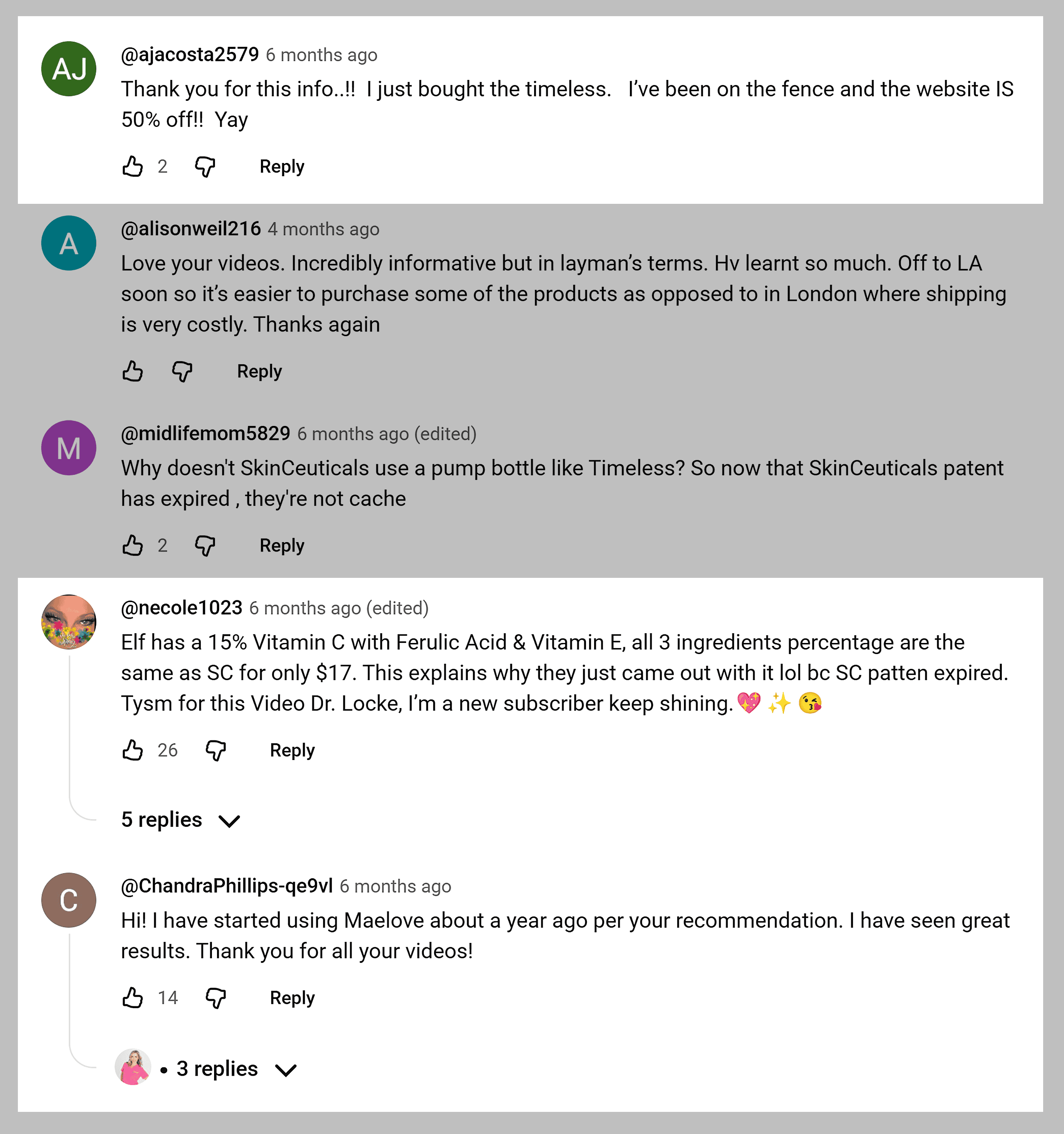
A brand mention is any instance where a third party references your company, product, or service. These can occur across a diverse digital ecosystem, including news articles, community forum threads (such as Reddit or Quora), YouTube video transcripts, podcast episodes, and social media discussions.
To understand their impact, it is helpful to categorize them into two distinct types:
- Linked Mentions: These include a clickable URL leading back to your website alongside your brand name. These are the "gold standard" because they provide both brand context for search engines and direct referral traffic for your site.
- Unlinked Mentions: These reference your brand name without a hyperlink. While they do not provide direct traffic, they are vital for building "brand context." They signal to search engines that your brand is an entity worth recognizing in a specific subject area.
Web Mentions vs. LLM Brand Mentions
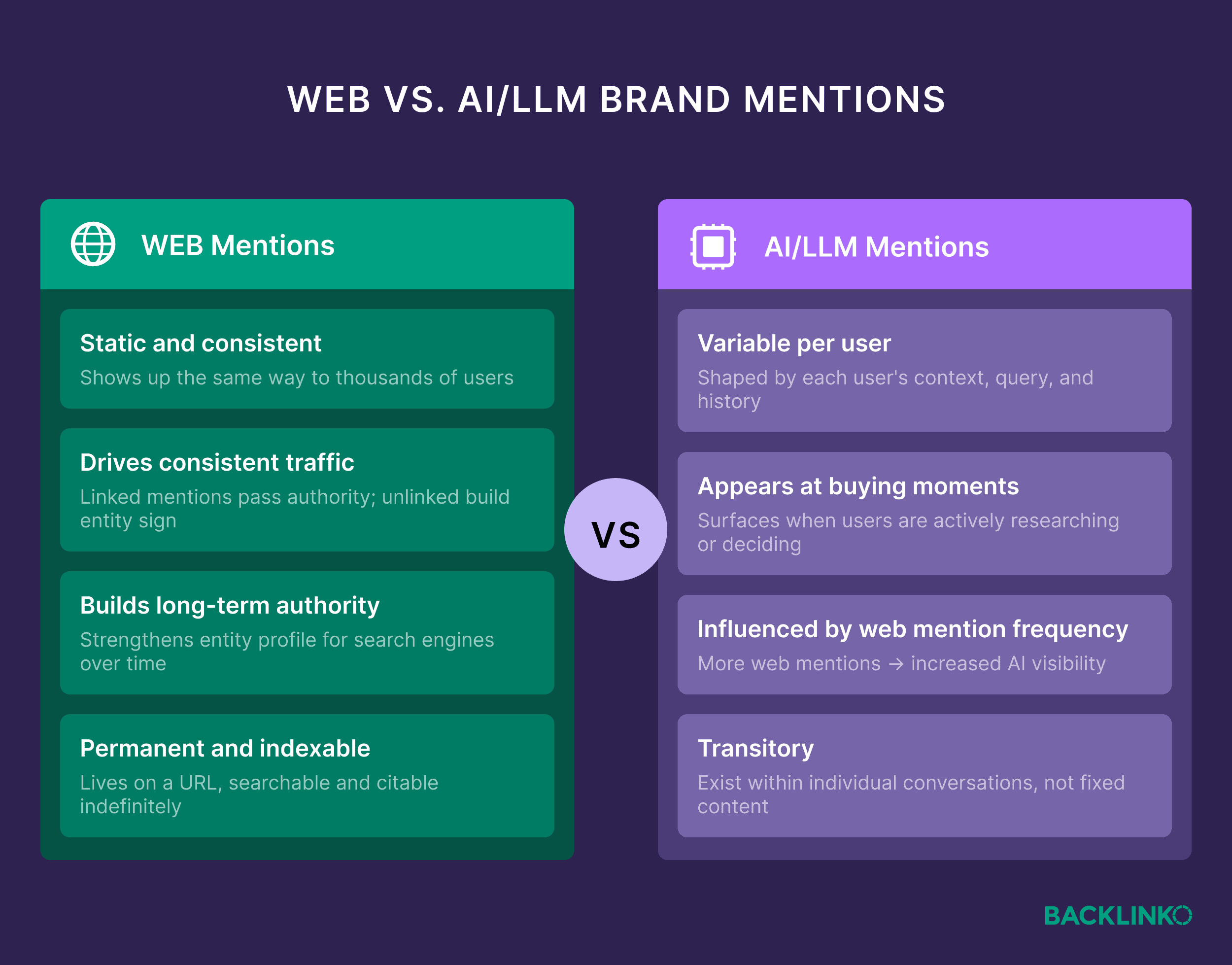
It is essential to distinguish between a standard web mention and an AI-generated brand mention. A web mention is static; it is a permanent piece of content indexed by a crawler and visible to anyone visiting that page.
Conversely, mentions within LLMs (like ChatGPT, Claude, or Perplexity) are dynamic and often personalized. An AI might mention your brand in a specific response based on a user’s intent, browsing history, and contextual needs. These mentions are ephemeral—they exist only within that specific conversation. However, the likelihood of being included in an AI response is directly tied to your footprint of static web mentions. The more consistently you appear in high-authority, relevant web sources, the more data the AI has to "learn" that your brand is the correct answer for a user’s query.
Why Brand Mentions Matter More Than Ever
The evolution of search toward "Answer Engines" has placed a premium on brand entity recognition. Here is why your mention profile is now a critical business asset.
1. Signaling Authority to Search Engines
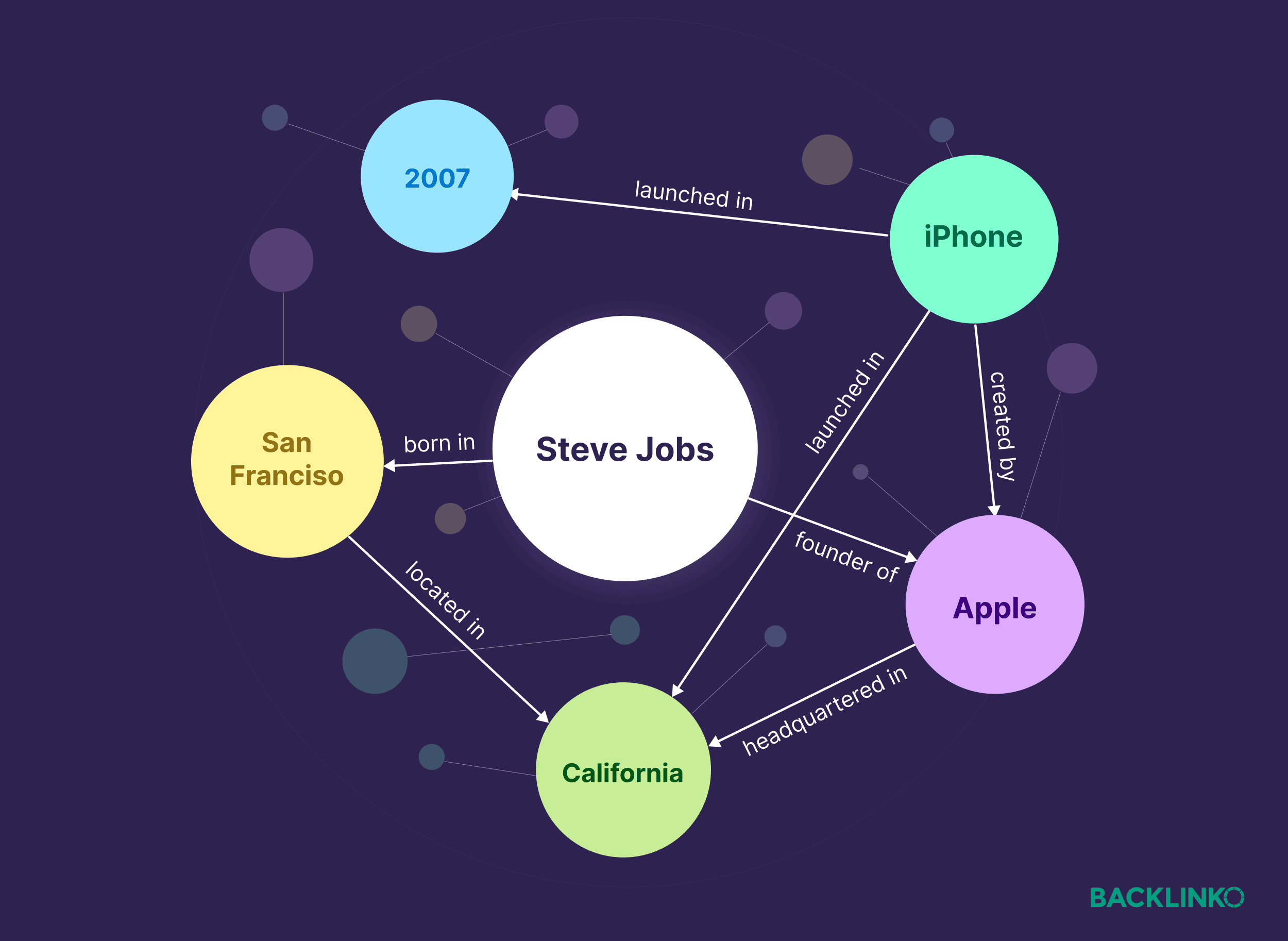
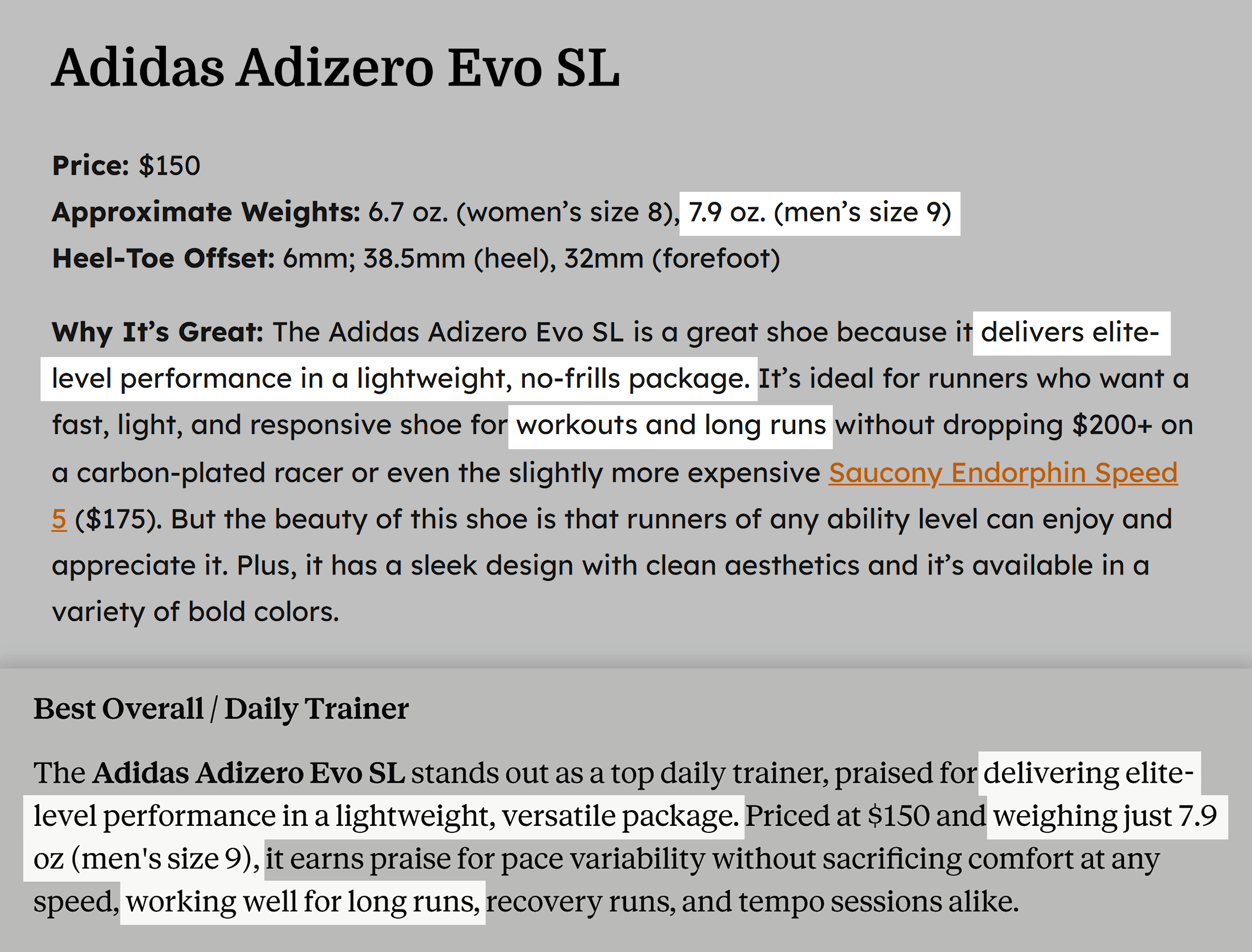
Google’s Knowledge Graph operates by mapping relationships between entities—people, companies, and concepts. By monitoring where and how you are mentioned, Google refines its understanding of your brand’s "topical authority." If you are consistently mentioned in the context of "high-quality SaaS project management," Google eventually hardcodes that association into its graph.
2. Expanding Visibility to New Audiences
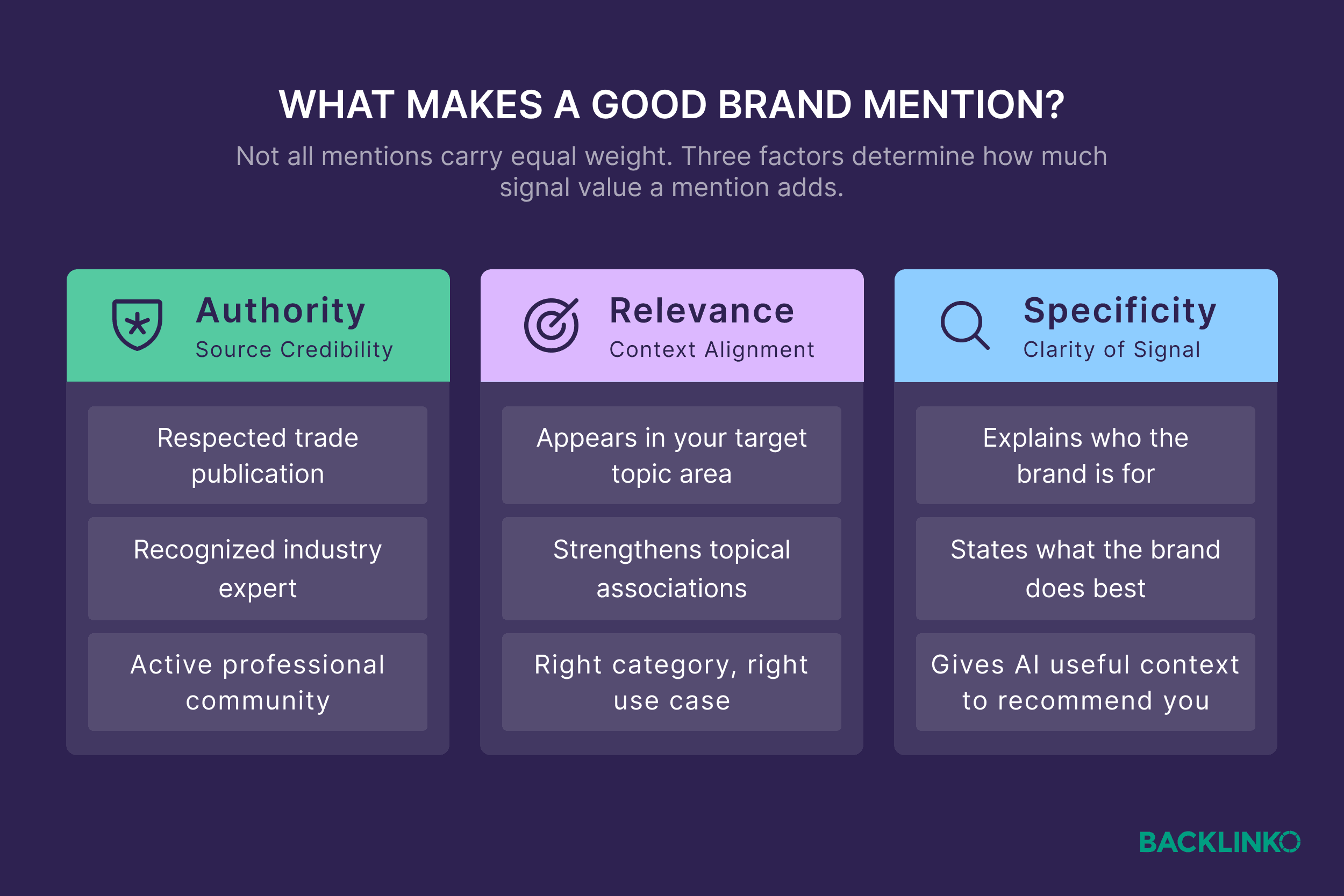
Brand mentions act as a bridge to untapped demographics. When a niche influencer or an industry-specific publication mentions your product as a solution to a problem, you are being introduced to an audience that may not be actively searching for your brand, but is actively searching for the solution you provide.
3. Training the LLMs
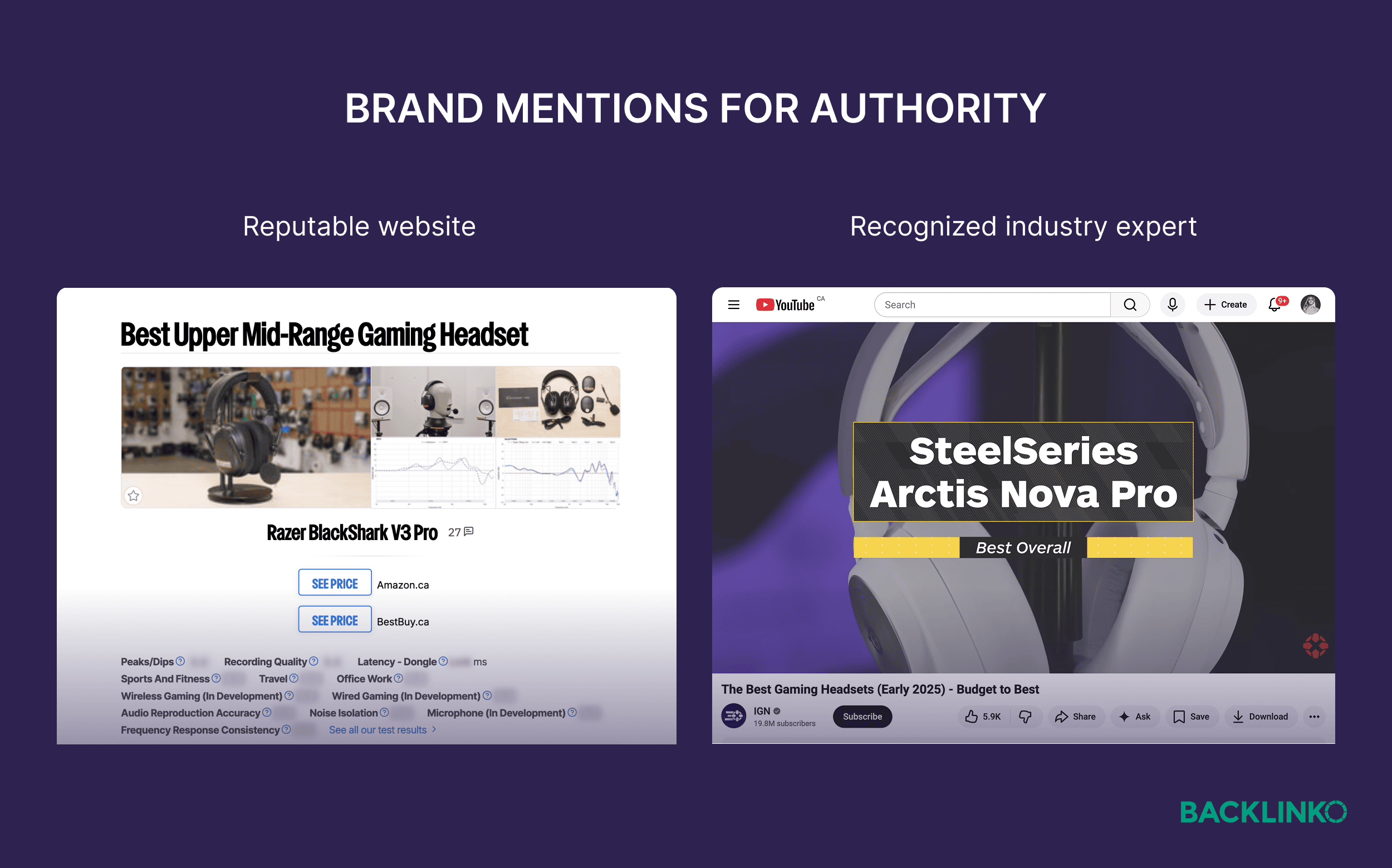
AI tools are trained on the "wisdom of the web." If your brand is frequently described in positive, specific terms in trusted industry publications, those descriptions become part of the AI’s "vocabulary." When a user asks an AI for a recommendation in your industry, the model pulls from this collective sentiment, often parroting the phrasing found in those authoritative third-party mentions.
The Anatomy of a High-Quality Mention
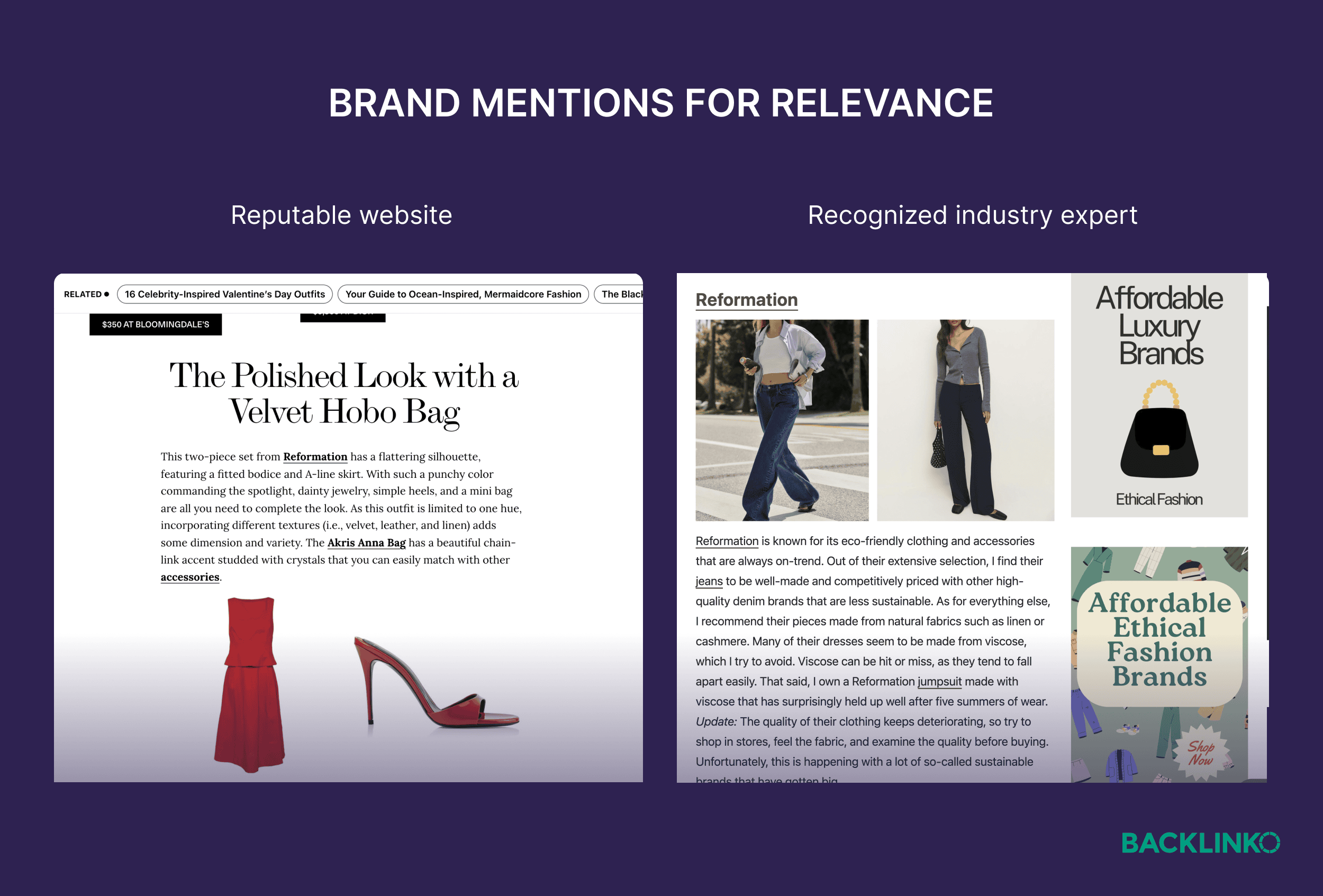
Not all mentions are created equal. To maximize the benefit to your SEO and AI rankings, a mention must possess three core characteristics:
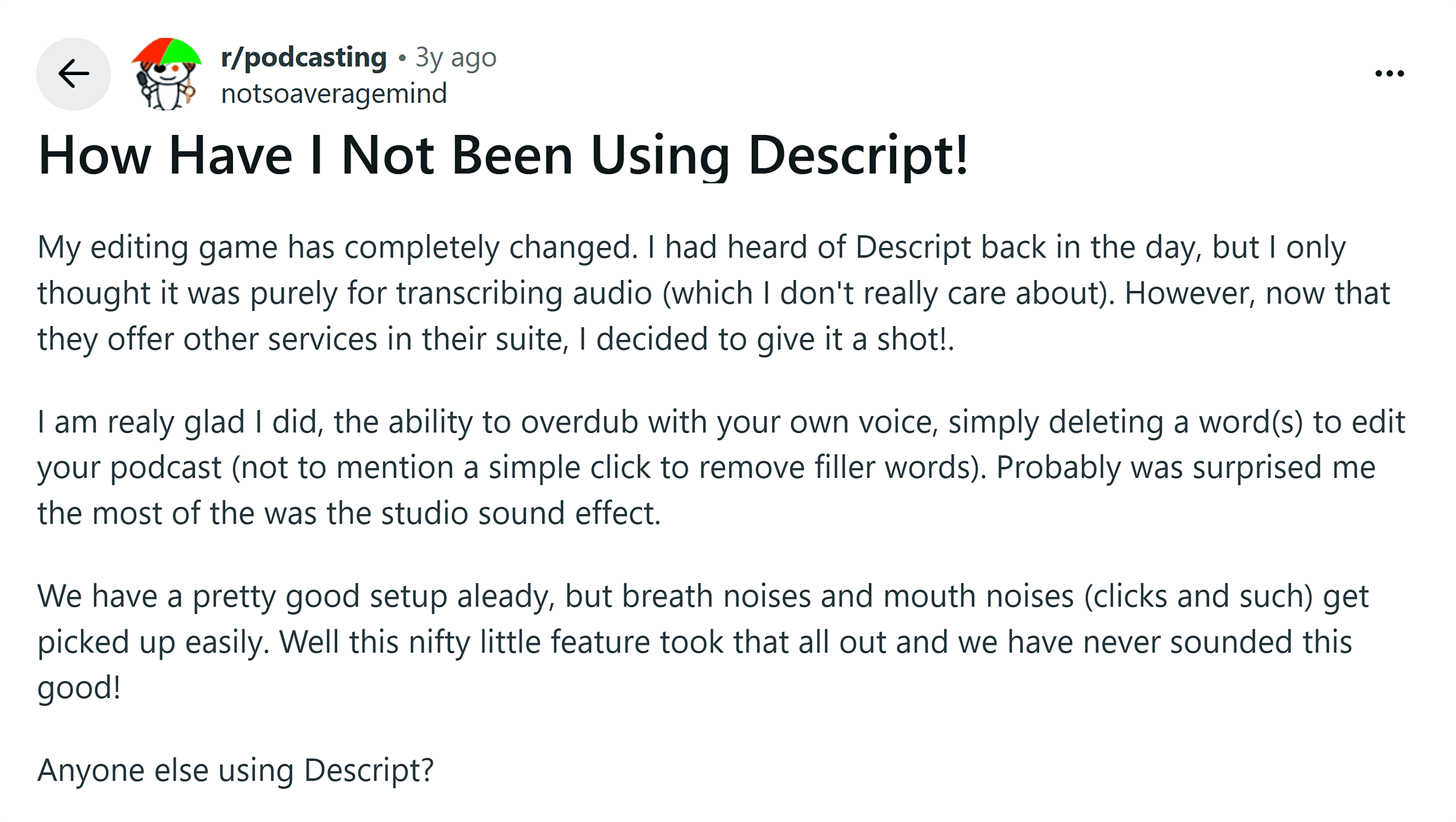
- Authority: Mentions from reputable, high-traffic publications carry significantly more weight than mentions on low-authority, obscure blogs. Search engines use the authority of the source to determine how much trust to pass to your brand.
- Relevance: A mention must occur within a context that aligns with your business goals. If you sell accounting software, being mentioned in a personal finance blog is high-relevance; being mentioned in a random pop-culture listicle is low-relevance.
- Specificity: The best mentions provide actionable details. A mention that explains why your tool is superior for a specific use case is far more valuable to an AI system than a generic, passing reference.
4 Tactics to Earn Valuable Brand Mentions
Building a sustainable stream of brand mentions requires moving away from reactive PR and toward a proactive content strategy.
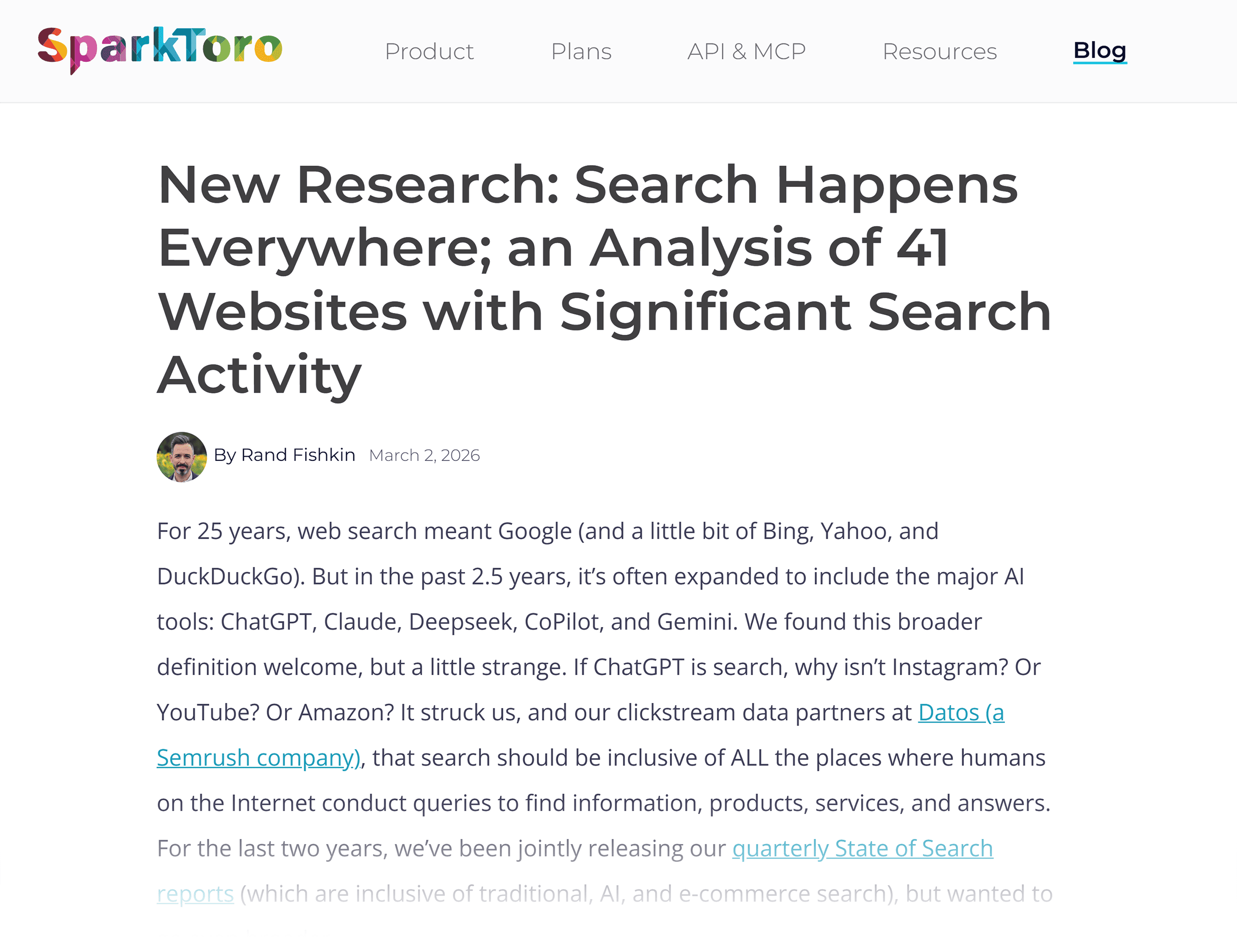
1. Create Data-Driven, Citable Content
Original research is perhaps the most effective way to earn passive, high-authority mentions. When you publish a study that answers a burning question in your industry, other creators, journalists, and researchers become dependent on your data.
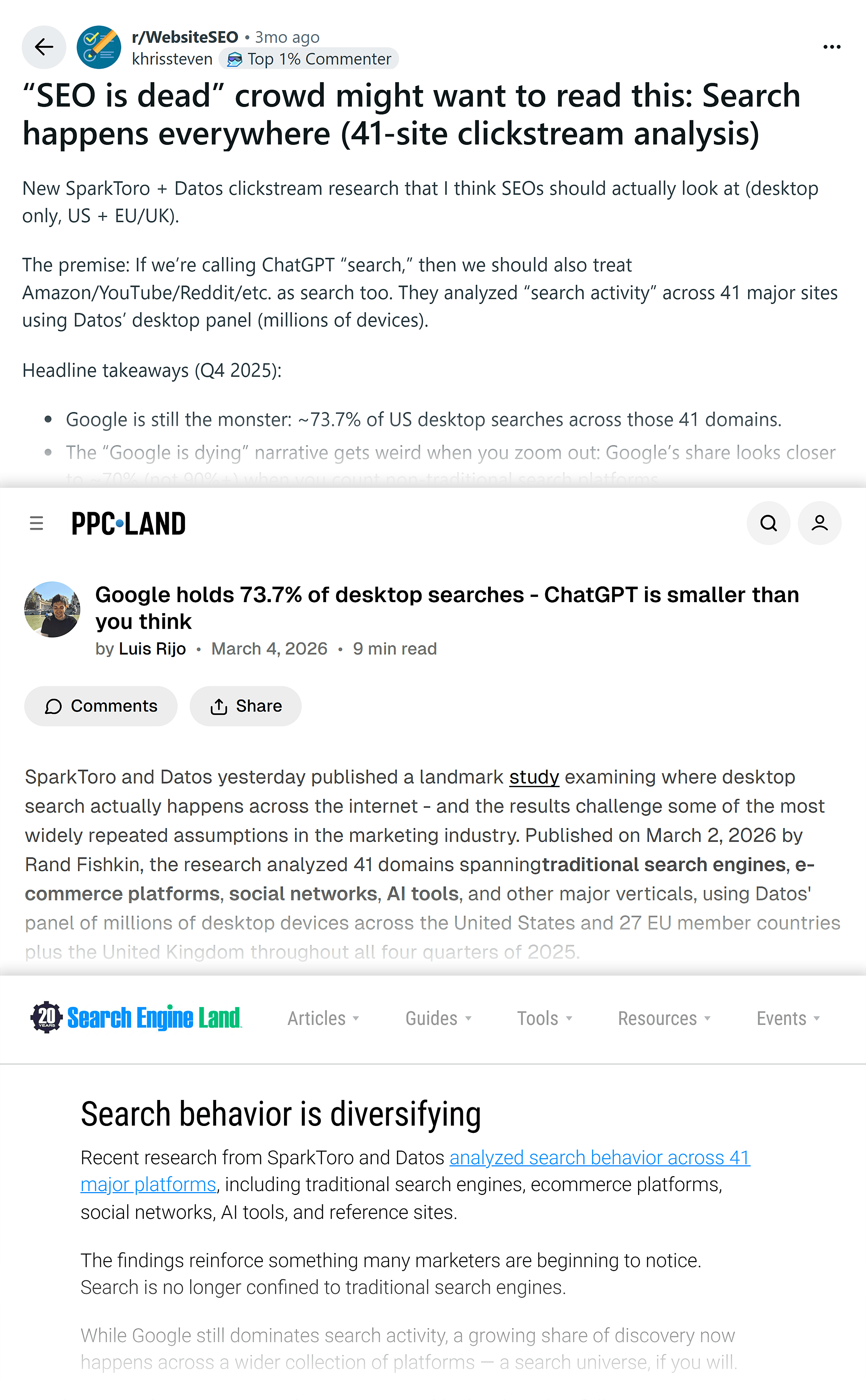
How to implement this:
- Identify Knowledge Gaps: Look at community discussions on Reddit or LinkedIn. What questions are people asking that have no data-backed answers?
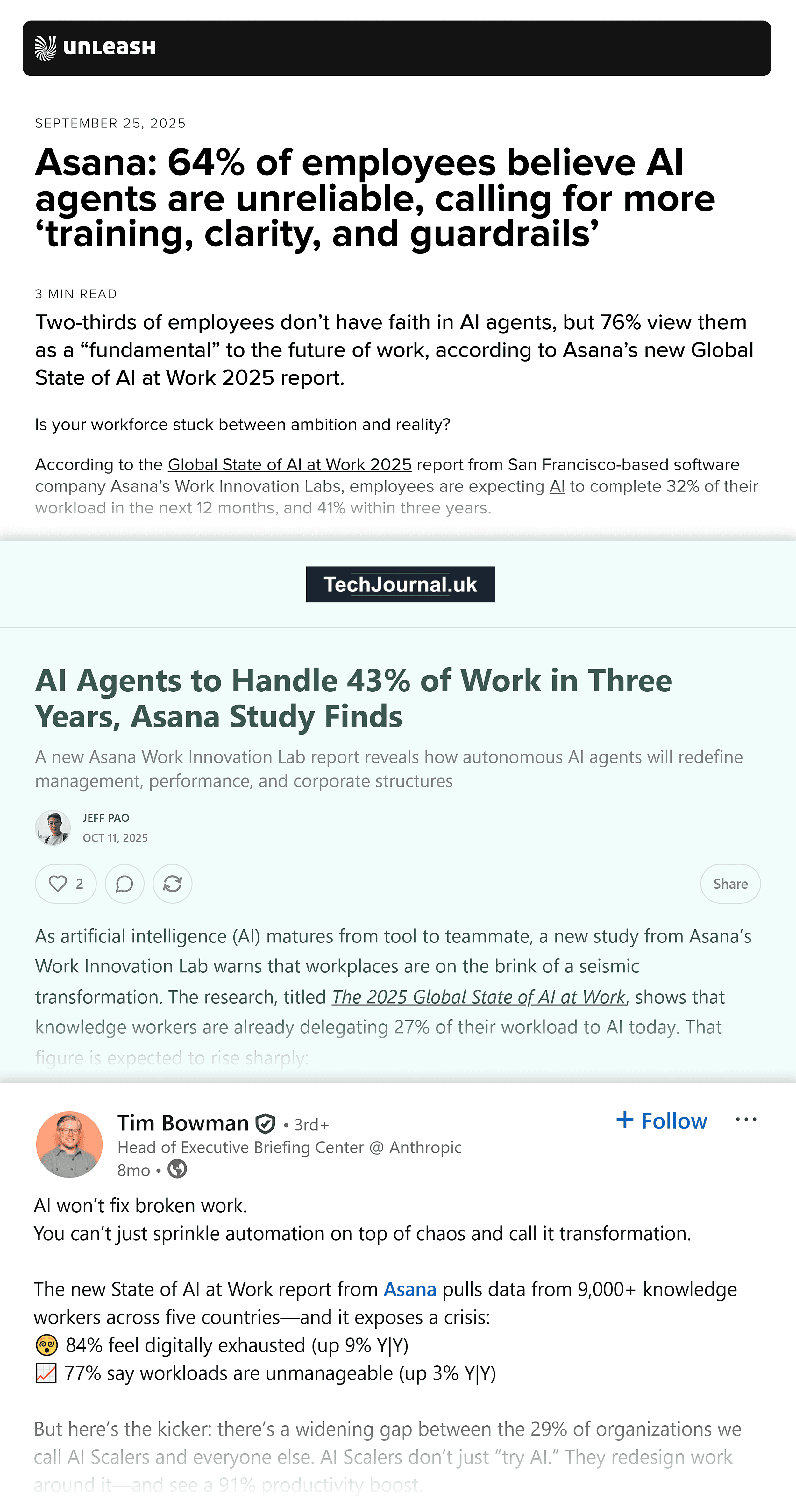
- Conduct Proprietary Research: Survey your own customer base, analyze internal anonymized data, or partner with a research firm to aggregate industry trends.
- Package for Citations: Design your reports so that data points are easily extractable. Use clear charts and provide a "How to cite this" section to encourage proper attribution.
2. Partner with Complementary Brands
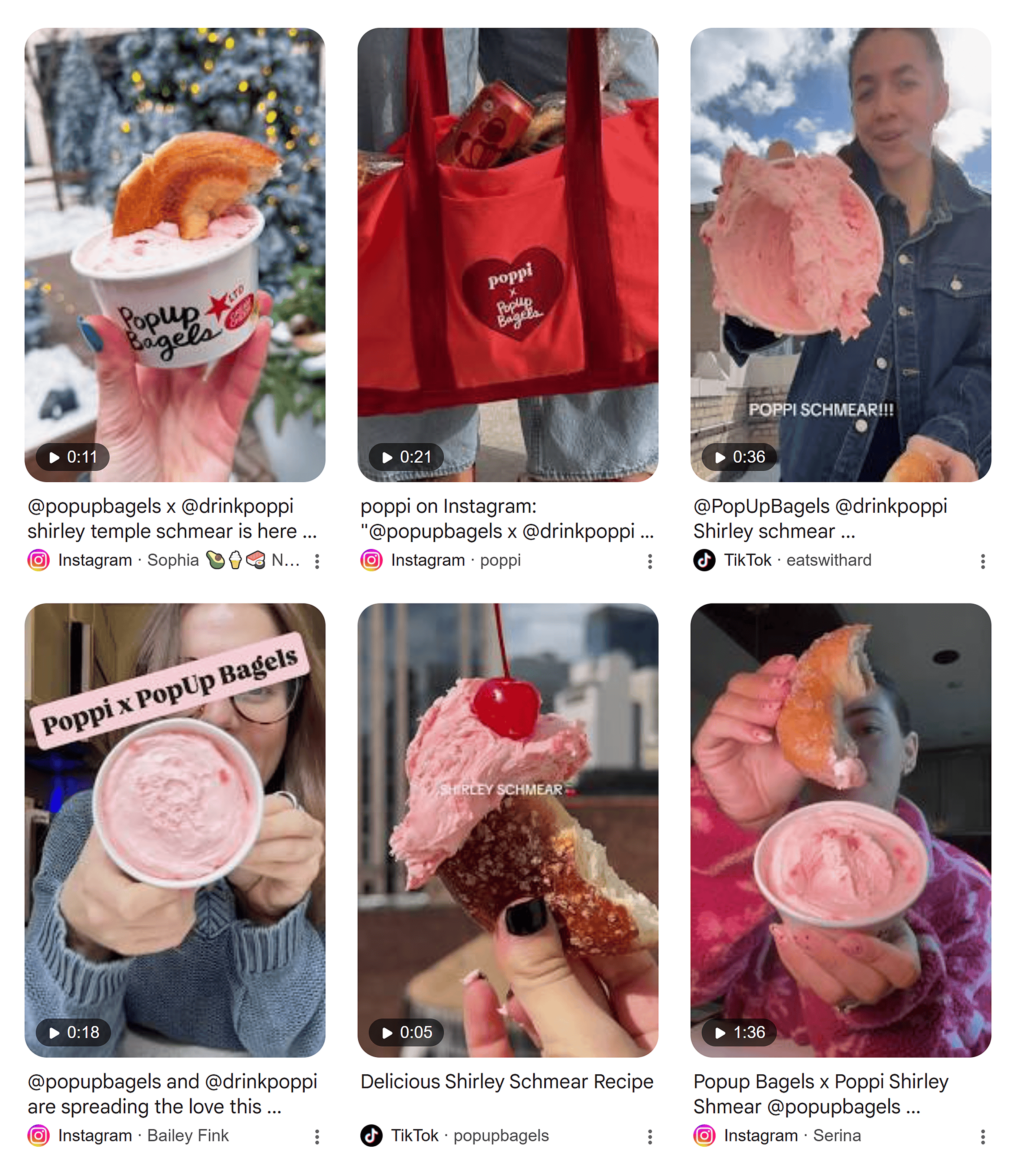
Co-marketing campaigns generate a "halo effect" where your brand is associated with the authority of your partner.
How to implement this:
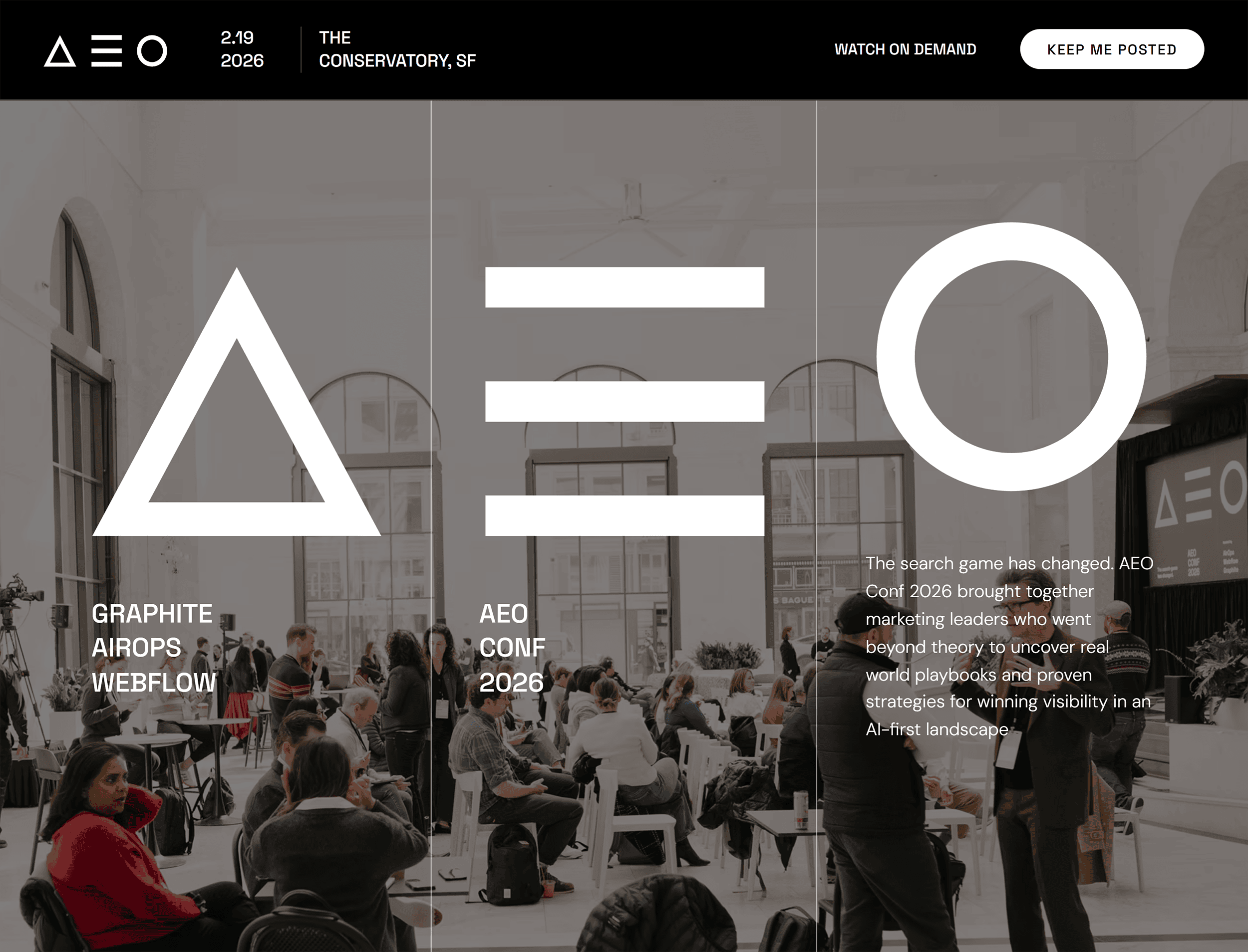
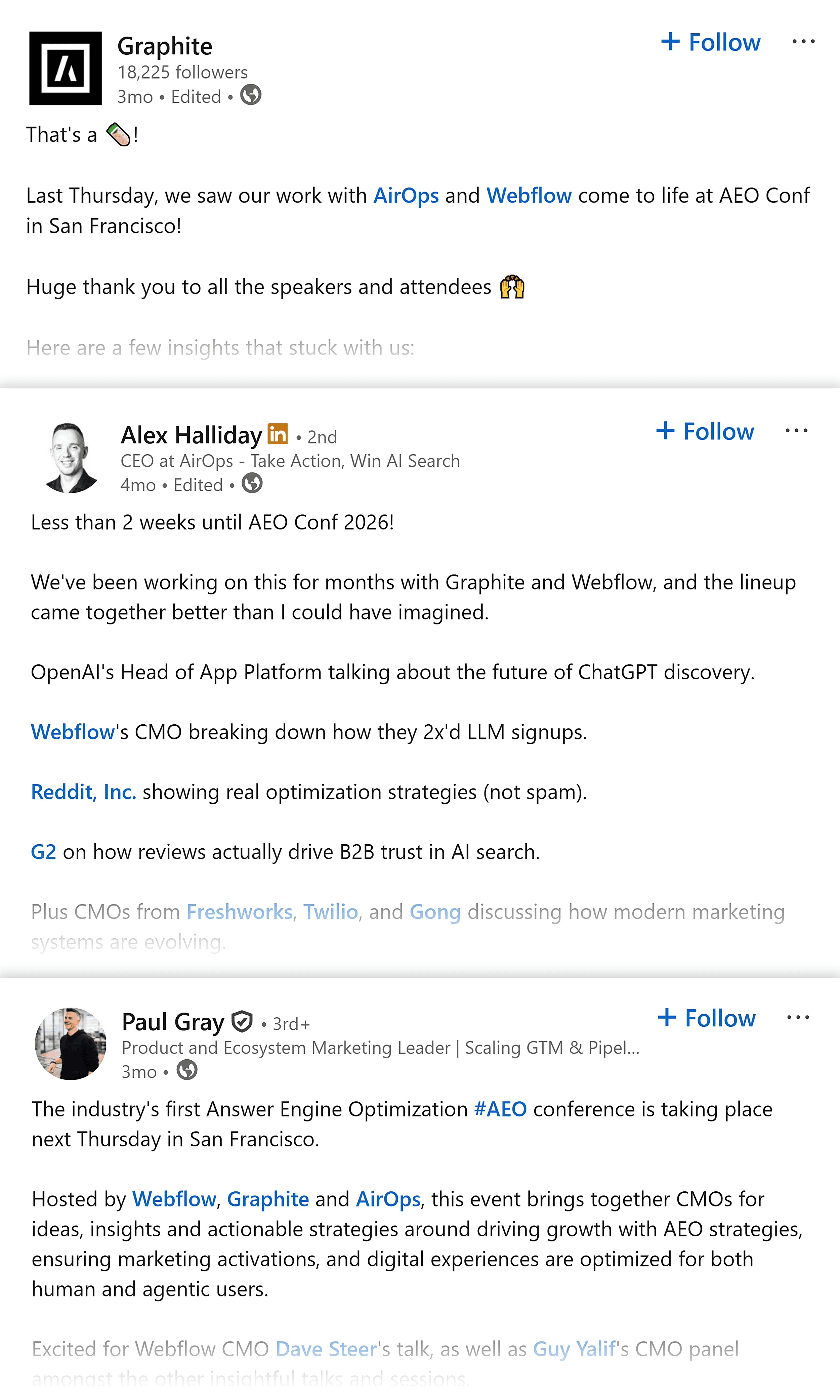
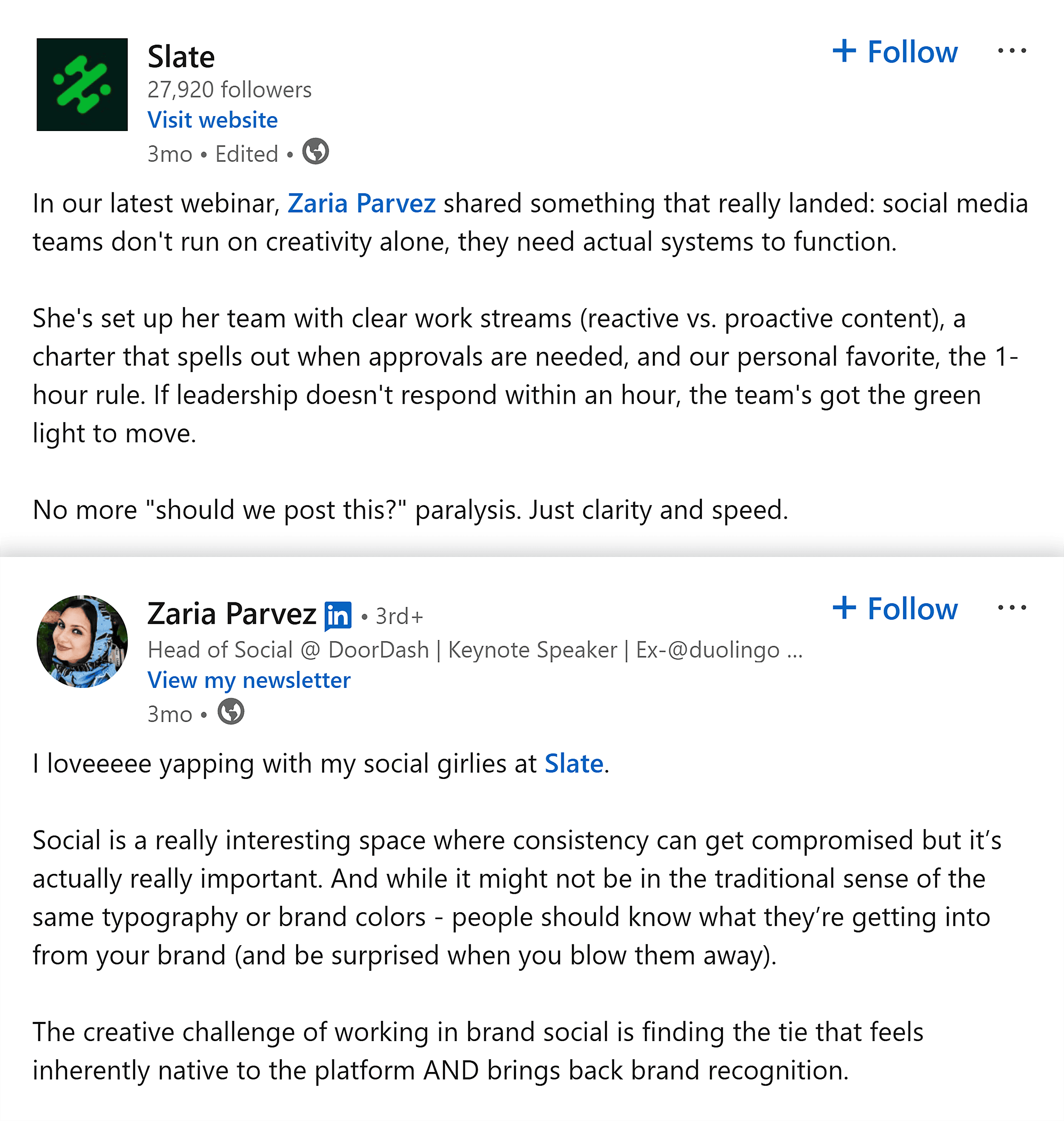
- Co-Host Events or Webinars: When two brands co-host an event, every attendee recap and social media post generated by that event mentions both brands in the same context.
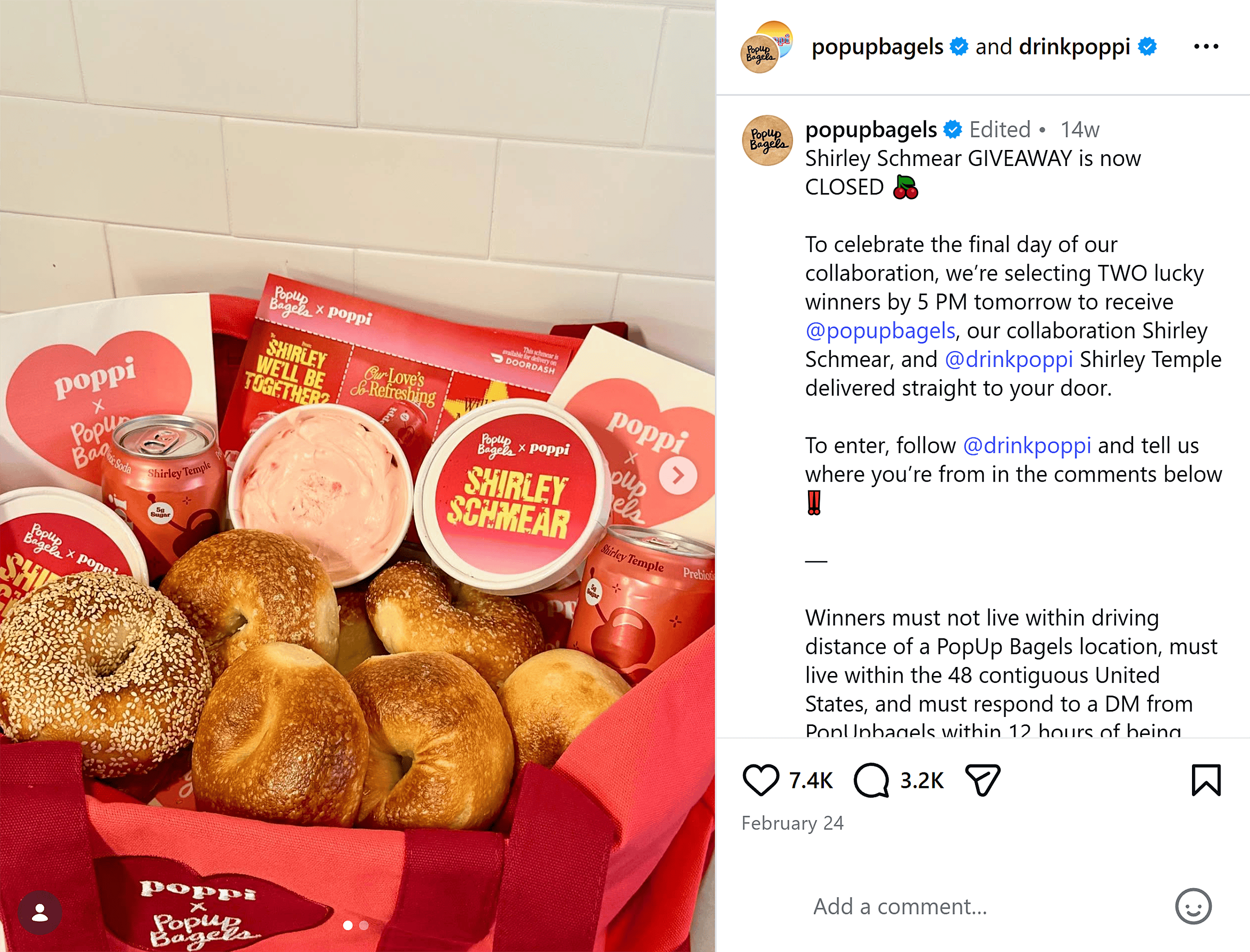
- Co-Create Assets: Collaborate on a whitepaper or a limited-edition product launch. This creates a high volume of shared mentions across social channels, which helps LLMs map your brands together in the knowledge graph.
3. Feature Experts and Other Brands in Your Content
When you feature an expert, you provide them with a compelling reason to share your content with their followers.
How to implement this:
- Expert Roundups: Instead of writing a generic "best of" list, interview 10 experts on a specific challenge.
- Benchmark Reports: Invite industry leaders to provide commentary on your data. Their perspective turns a dry report into a valuable story, making it much more likely they will link to and share the piece.
- Podcast/Interview Series: Frame your content around the guest’s expertise rather than your product’s features. When guests feel their expertise is highlighted, they become your best brand advocates.
4. Contribute Expertise Through Digital PR
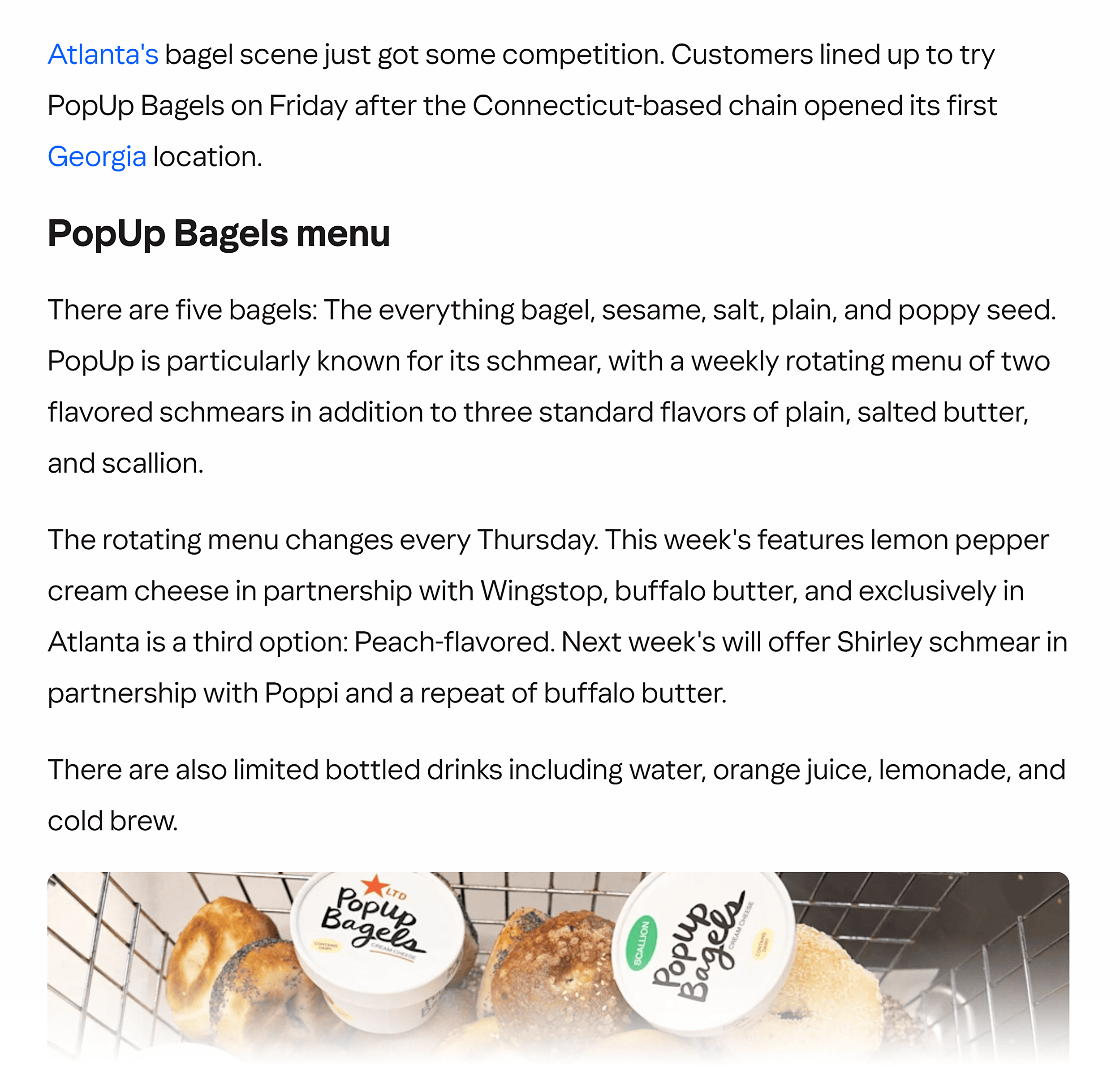
Digital PR involves inserting your subject matter expertise into conversations already happening in the media.
How to implement this:
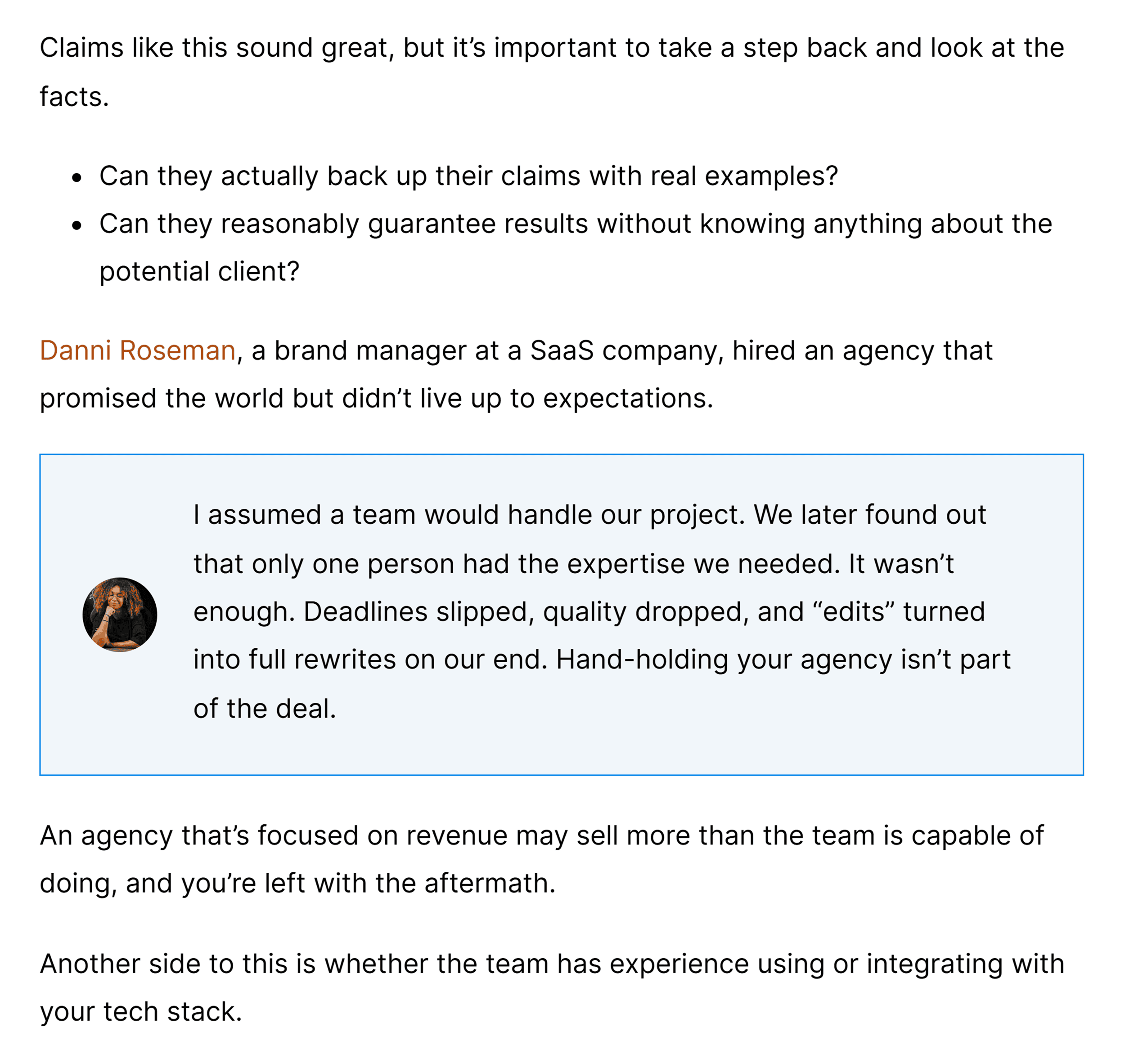
- Pitch "The Playbook": Journalists and podcasters are rarely looking for an ad for your product. They are looking for a "playbook" on how to solve a problem. Pitch your CEO or subject matter experts as problem-solvers who can explain how to achieve a specific result.
- Target Niche Outlets: Don’t chase the biggest news networks. Focus on the podcasts and niche industry newsletters that your specific audience actually reads. A mention in a highly targeted industry newsletter often drives more qualified traffic and trust than a feature in a generalist publication.
Tracking and Reporting ROI
To justify the resources spent on a brand mention strategy, you must report on both volume and quality.
- Google Alerts and Manual Audits: Start with free alerts for your brand name and your key executives. Supplement this with weekly manual searches on YouTube and Reddit, which are often missed by automated crawlers.
- Social Listening Tools: Use platforms like Semrush Brand Monitoring or Brandwatch to track sentiment. Reporting to leadership should focus on shifts in sentiment and growth in share of voice rather than just the raw number of mentions.
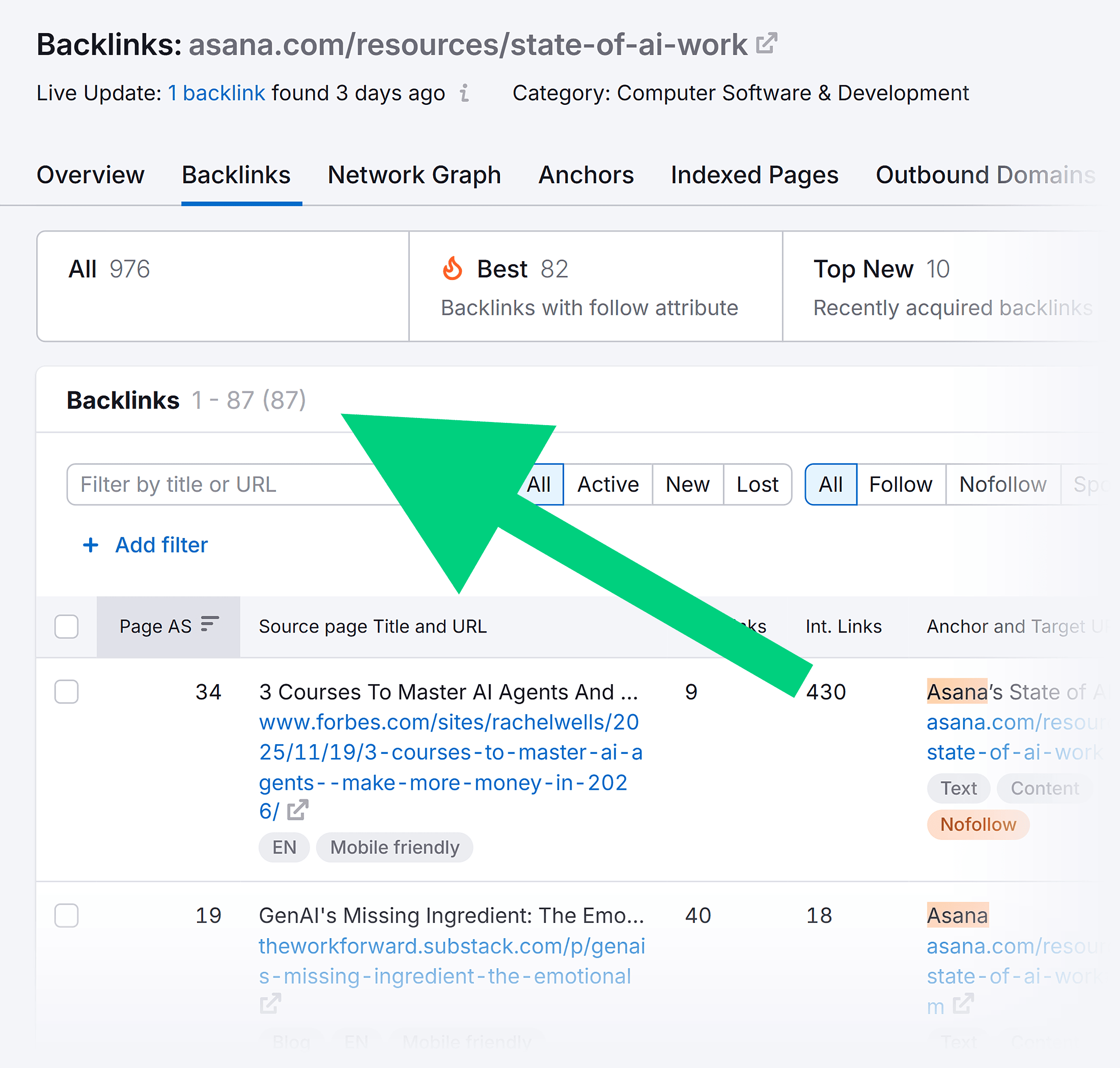
- Backlink Analytics: Use a backlink tool to filter for your brand name in anchor text. This identifies where your brand is being cited as an authority.
The Bottom Line for Leadership:
When reporting to stakeholders, shift the narrative from "How many times were we mentioned?" to "Where are we being mentioned, and what does that tell the world about our brand?" A quarterly report that highlights mentions in high-authority, industry-specific publications is a clear indicator of brand health and future AI-search readiness.
In an era where AI is the new gatekeeper of the internet, your brand’s reputation is no longer just a marketing metric—it is the foundational data that determines your long-term success. Start building that foundation today.