By: Editorial Team
Updated: July 9, 2026
In the high-stakes world of B2B SaaS, the "Request a Demo" button is often treated as the holy grail of marketing efforts. Yet, for many companies, the reality is far from the dream. Sales teams are reporting lower lead volume, marketing teams are doubling down on ad spend, and the conversion needle remains stubbornly static.
The disconnect, according to recent industry research, isn’t necessarily a failure of design or copywriting—it is a fundamental misunderstanding of where the "demo request" sits in the modern buyer’s journey. With the average B2B customer journey now spanning 211 days and involving 88 touchpoints, forcing a sales conversation too early is akin to asking for a marriage proposal on a first date.
The Anatomy of the Problem: Why Buyers Hesitate
The primary friction point in SaaS marketing is the conflation of "low-friction" CTAs (like downloading an ebook or watching a recorded webinar) with the "high-friction" demand of a live sales demo.
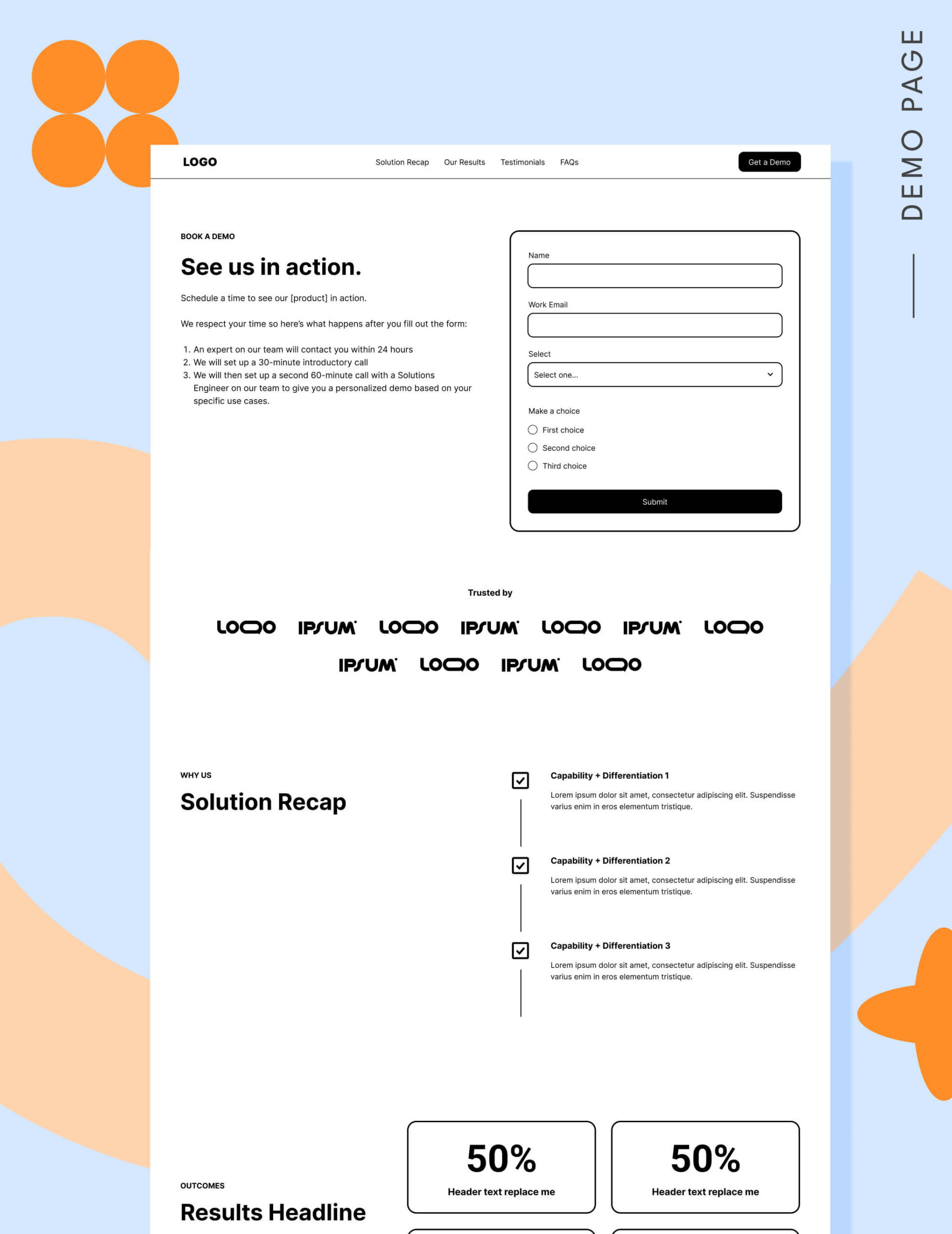
When a buyer hits a demo landing page, they are being asked to commit to a direct interaction. This requires them to share personal data and sacrifice their time to a sales representative. If they haven’t reached a state of "qualified confidence"—where they have already vetted your solution, compared it against competitors, and decided you belong on their shortlist—they will inevitably bounce.
Most SaaS teams mistakenly treat the landing page as an educational brochure. In reality, the landing page should be the final verification point for a lead who is already 90% of the way toward a purchase decision.
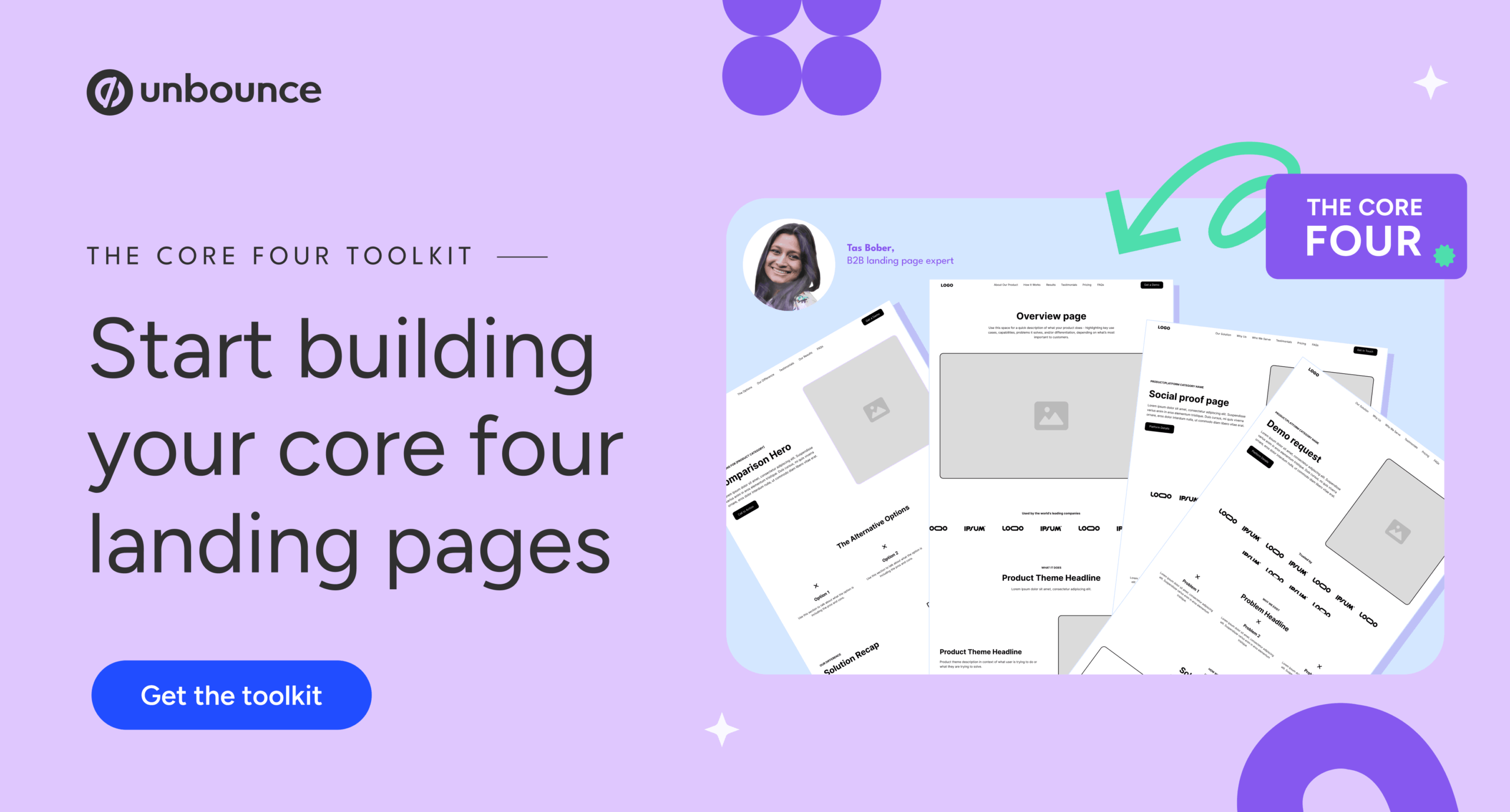
Chronology of a Conversion: The "Core Four" Framework
To understand how to fix these conversion rates, one must look at the buyer’s path. Experts in landing page optimization, such as Tas Bober, argue that a demo page should never be the first encounter a prospect has with your brand.
Instead, the journey should be segmented into four distinct stages:
- Awareness: The prospect identifies a problem.
- Consideration: The prospect evaluates potential categories of solutions.
- Comparison: The prospect narrows the list to specific vendors (your competitors).
- Decision: The prospect visits the demo landing page to confirm that the selected vendor is the right fit.
When you send cold traffic—people who are still in the Awareness or Consideration phase—to a demo page, you are asking them to skip three vital steps. Unsurprisingly, they don’t convert. Performance ceilings on demo pages are rarely due to button colors or headline phrasing; they are almost always due to "traffic mismatch."
Supporting Data: Benchmarks and Realities
According to Unbounce’s 2024 Conversion Benchmark Report, SaaS landing pages hover at a median conversion rate of 3.8%. However, for high-intent demo pages, data suggests that 3.1% is a more realistic benchmark.

The disparity in these numbers often boils down to the traffic source. If your paid media strategy is optimized for volume rather than intent, your conversion rate will likely languish in the sub-1% range. Conversely, by filtering traffic to ensure only "warm" leads—those who have engaged with previous top-of-funnel content or pricing pages—reach your demo page, conversion rates can climb significantly.
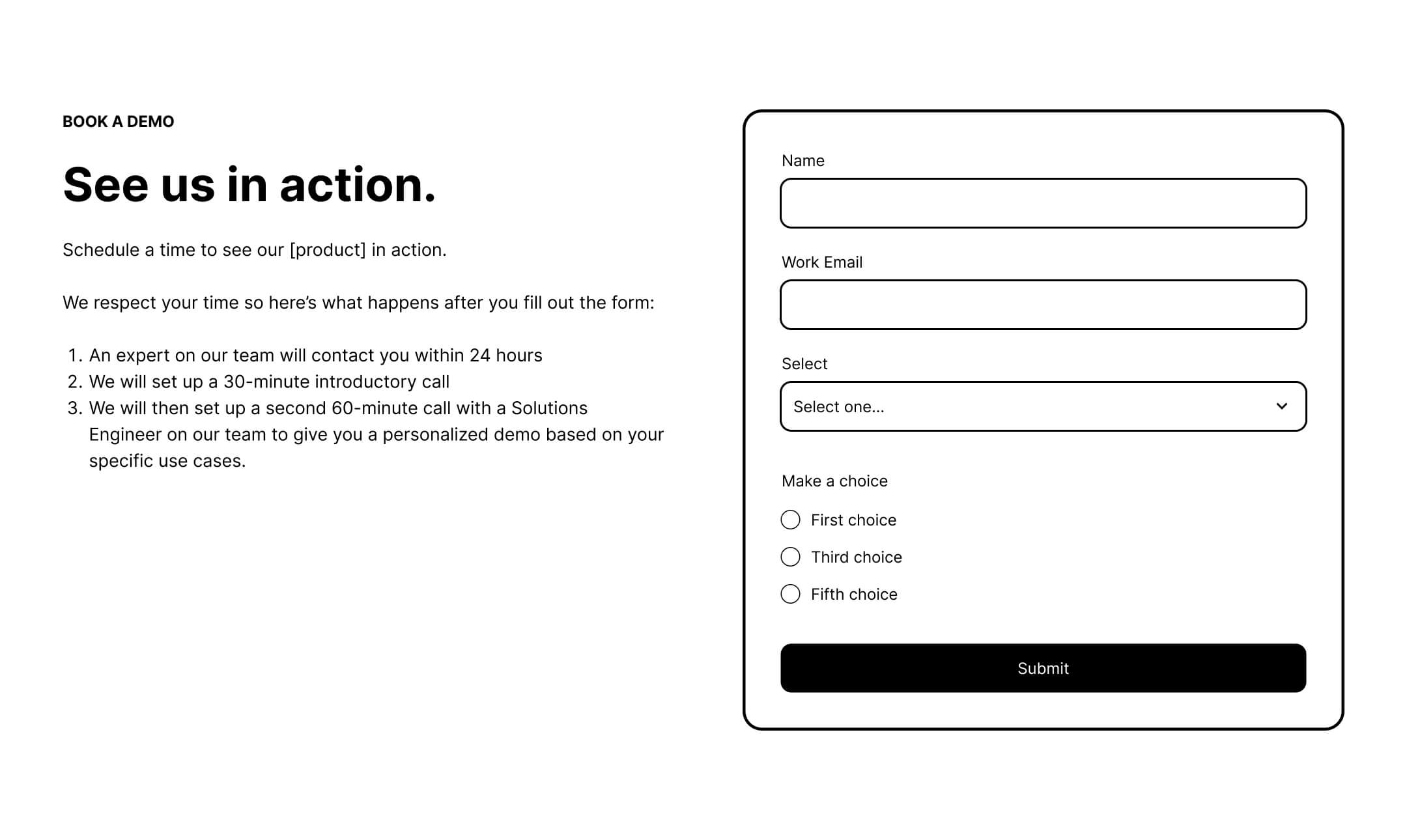
Furthermore, form length remains a critical factor. Data from 2026 suggests a sharp decline in completion rates once a form exceeds five fields. Every additional field is a "tax" on the user’s intent. While lead qualification is vital for sales teams, marketers must find the "sweet spot" where they capture enough data to qualify the lead without creating enough friction to drive them to a competitor.
Strategic Structure: What a High-Converting Page Needs
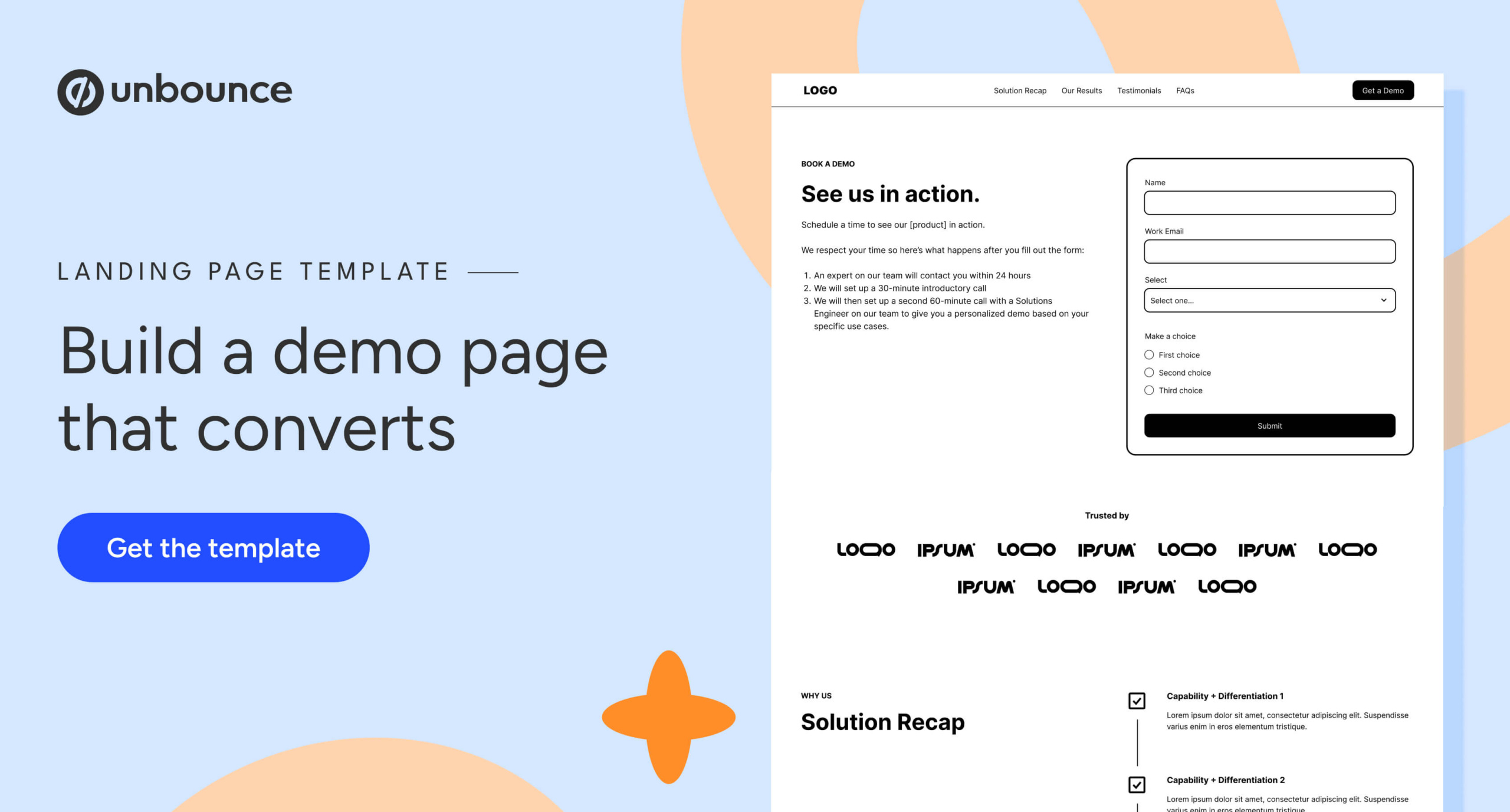
Once you have solved the traffic problem, your landing page must serve as a high-trust environment. A high-converting demo page should be structured around these key pillars:
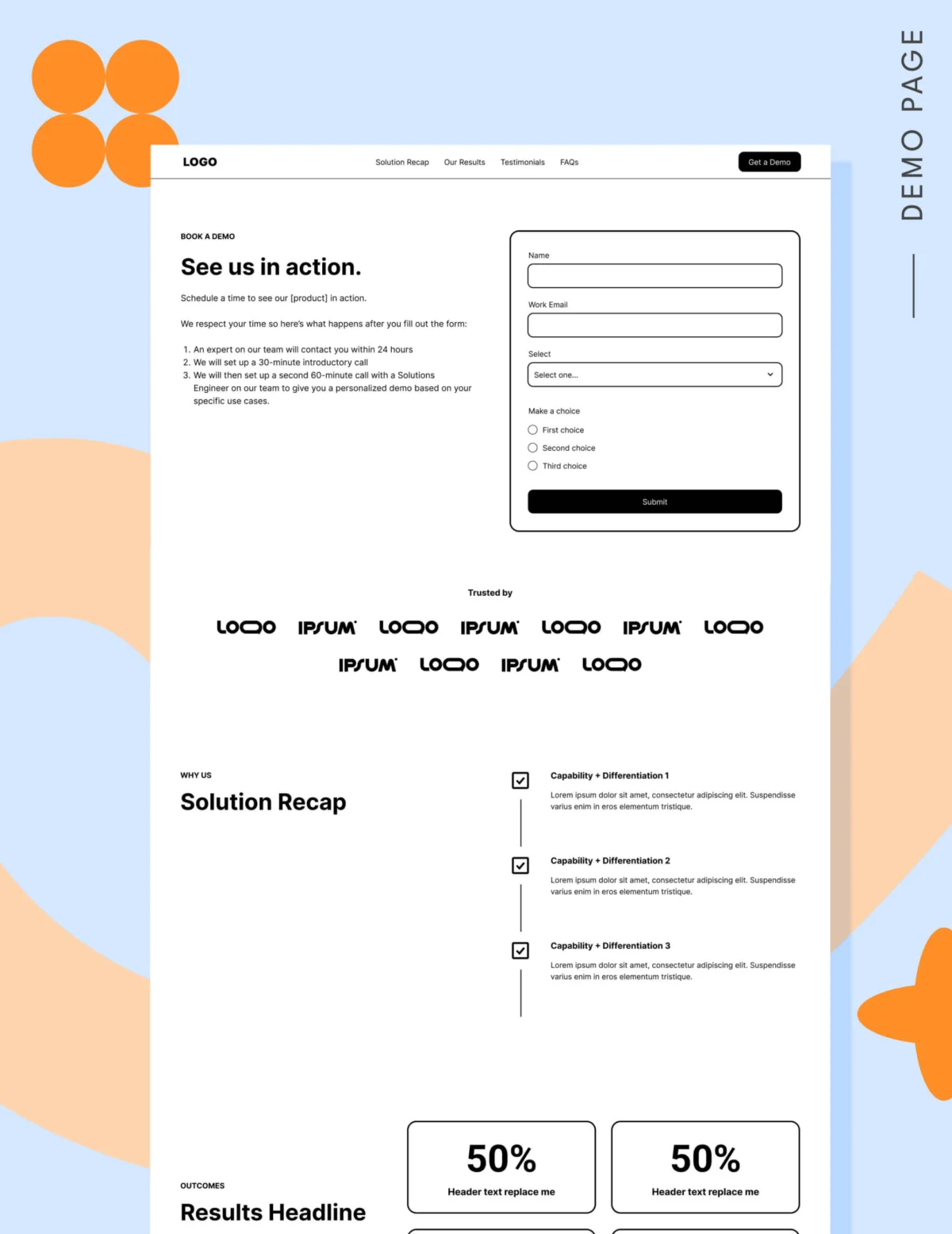
1. Navigation and Context
Contrary to the old-school advice of stripping away all navigation, modern search engines and users alike prefer pages that offer a way to explore. Providing anchor links to sections like "Results," "Solutions," and "FAQ" allows the user to find the specific proof they need to clear their final mental hurdles.
2. The Hero Section
The hero is where the "Ask" happens. It must be clear, concise, and reassuring. Crucially, it should define exactly what happens after the form is submitted. Will they receive an email? A phone call? Is there a self-service calendar booking option? Transparency reduces the anxiety associated with "getting on the phone with sales."
3. The "Logo Garden" and Social Proof
Buyers want to know that they aren’t the first to take this leap. If your brand is well-known, a logo garden of high-profile clients acts as instant validation. If you are a smaller player, use testimonials that speak specifically to the ROI and the "ease of transition" experienced by previous customers.
4. Pricing Transparency
There is a long-standing debate over whether to display pricing on a demo page. For many B2B companies, the "Contact Us for Pricing" model is a relic. Even for sales-led organizations, providing a starting price range ("Starting at $X/month") can act as a powerful filter, weeding out budget-incompatible leads while attracting those who are serious about the investment.
The Shift Toward "Consultative" Language
Official responses from leading B2B CRO (Conversion Rate Optimization) experts highlight a shift in how we label our CTAs. The phrase "Request a Demo" is often seen as a commitment to a sales pitch.
Companies that have pivoted to language like "Take a Tour," "See it in Action," or "Book a Consult" have reported better engagement. By framing the interaction as a consultation—where the sales rep acts as a guide rather than an adversary—you invite a dialogue rather than a confrontation.
Implications for Future Sales-Marketing Alignment
The ultimate implication for SaaS organizations is that the silo between marketing and sales must be dismantled.
If marketing is held accountable for lead volume, they will inevitably send "garbage" traffic to the demo page to pad their numbers. If sales is held accountable for lead quality, they will complain about the lack of volume. The solution lies in a unified definition of a "Market-Ready Lead."
When sales and marketing agree that the demo page is the final stage of a 211-day process, the focus shifts from "getting more clicks" to "nurturing better relationships."
Summary Checklist for Your Next Audit:
- Traffic Audit: Are you sending cold traffic to your demo page? Stop. Redirect that traffic to educational blog posts or whitepapers first.
- Form Optimization: Can you get your form down to five fields?
- The "What’s Next" Section: Does your page explicitly state what happens after the form is submitted?
- Pricing/Packaging: Can you offer a baseline price or a comparison chart to help users self-qualify?
By treating the demo request with the gravity it deserves—as a significant step in a professional partnership—you will not only improve your conversion rates but also the quality of the sales conversations that follow.