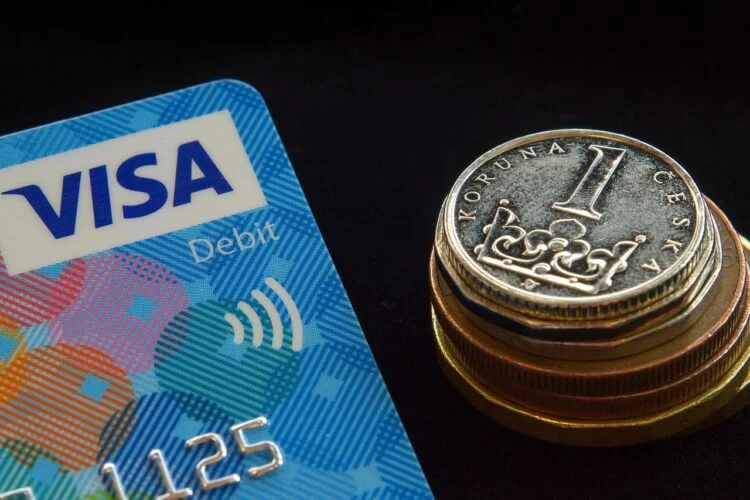
October 7, 2026 — In a significant move that underscores the evolving utility of digital assets, Tangem Pay has officially announced the expansion of its financial ecosystem with the launch of a new physical payment card. This development marks a pivotal transition for the company, moving from a purely digital-first crypto wallet experience to a hybrid model that integrates stablecoins into the traditional point-of-sale infrastructure.
By leveraging the global Visa network, Tangem Pay is positioning itself to bridge the persistent divide between decentralized finance (DeFi) and everyday retail commerce. Alongside the introduction of the physical card, the company has rolled out a robust cashback program, aiming to incentivize long-term user retention while simplifying the complexities typically associated with crypto spending.
The Core Offering: Tangem Pay’s Physical Expansion
The new physical cards are designed to function exactly like traditional debit or credit cards. Whether a user is paying for a morning coffee, grocery shopping, filling up a gas tank, or withdrawing local currency from an ATM, the experience is intended to be seamless.
Key Technical Specifications
- Initial Rollout: The first release is limited to a pilot batch of 5,000 "white cards," which are issued in the cardholder’s name.
- Network Integration: The cards operate under a Visa program framework, ensuring compatibility with millions of merchants globally.
- Funding Mechanism: Transactions are funded directly from the user’s Tangem Pay balance in USDC (USD Coin), providing instant liquidity for stablecoin holders.
- Withdrawal Limits: To manage risk and security, ATM withdrawals are currently capped at $250 per transaction, with a limit of three withdrawals every 24 hours.
This physical rollout is not merely an aesthetic choice; it is a strategic necessity. Despite the proliferation of digital wallets, many merchants and regional payment terminals still require physical interaction. By providing a tangible card, Tangem Pay effectively removes the "digital-only" barrier that has historically hindered crypto-based spending in brick-and-mortar environments.
Chronology of a Market Shift
The launch of the Tangem Pay card occurs against a backdrop of explosive growth in crypto-related spending. To understand the significance of this move, one must look at the trajectory of the market over the past year.
- Q1 2026: Visa reported that stablecoin settlement volume had reached an annualized rate of $7 billion by March 2026, signaling that major financial institutions were increasingly comfortable treating stablecoins as a legitimate medium of exchange.
- July 2026: Data from PaymentScan revealed that crypto-card spending had more than tripled year-over-year, hitting $1.04 billion. This surge proved that consumers were no longer viewing crypto solely as a speculative investment, but as a viable transactional currency.
- October 2026: Tangem Pay bridges the final gap by addressing the "friction of usage." Before this launch, users were forced to jump between wallets, exchanges, and bank accounts to liquidate their crypto for daily expenses. The new physical card consolidates these steps into a single, swipe-able piece of plastic.
Supporting Data: Why Stablecoins Matter
The rise of Tangem Pay is emblematic of a broader trend: the "Stablecoin-ization" of retail payments. While Bitcoin and Ethereum remain primary assets for long-term holding, stablecoins like USDC have emerged as the "killer app" for commerce.
According to market analysts, the primary impediment to crypto adoption at the register has been volatility. By tethering their payment system to USDC, Tangem Pay provides the stability of the U.S. dollar with the efficiency of blockchain technology. This creates a predictable environment for both the merchant—who receives settlement in fiat—and the consumer—who avoids the tax headaches and price fluctuations of volatile assets like Bitcoin or Solana.
Furthermore, the integration of Visa Signature benefits for "Plus" members suggests that Tangem is not just competing with other crypto wallets; they are positioning themselves to compete with traditional neobanks and fintech platforms like Revolut or Chime.
Official Perspectives: Making Crypto Tangible
In an exclusive statement regarding the launch, Andrey Ilinskiy, Head of Tangem Pay, emphasized the importance of "everyday utility."
"Crypto should work wherever people live their everyday lives, not only inside a wallet or an exchange. The physical Tangem Pay card makes that experience tangible. And with cashback paid directly in USDC, we are giving users a financial benefit they can actually use, rather than other points on balance to manage."
Ilinskiy’s comments highlight a key philosophy shift within the industry: the move away from "gamified" loyalty programs toward direct, high-liquidity rewards. By offering cashback in USDC, Tangem Pay is essentially offering a "yield-bearing" debit card, where the rewards themselves can be immediately reinvested, staked, or spent.

The Economics of the New Program
Tangem Pay has structured its offerings into two distinct tiers: Basic and Plus. The pricing model is designed to cater to both casual spenders and power users.
The Cashback Tiers
- Basic Users: Earn 1% cashback on eligible purchases of $30 or more, capped at $100 per month.
- Plus Users: For a $29.99 monthly subscription, users earn 2% cashback, capped at $300 per month.
Additional Plus Member Benefits
The "Plus" subscription is clearly aimed at those who treat their crypto wallet as their primary bank account. Benefits include:
- Free delivery of the initial physical card.
- Zero Tangem-imposed fees on ACH/Wire on-ramps for U.S. bank transfers.
- Exclusive access to Visa Signature benefits, which include travel protections, concierge services, and extended warranty coverage on purchases.
While Tangem does not charge transaction fees for purchases under any plan, the company is transparent about external costs. Users should remain aware that Foreign Exchange (FX) fees, third-party ATM fees, and network-specific charges may still apply, depending on the region and the merchant’s banking institution.
Implications: The Road Ahead for Crypto Payments
The introduction of the Tangem Pay physical card has several profound implications for the future of fintech.
1. The Death of the "Walled Garden"
For years, the crypto industry has operated in a silo. By integrating with Visa, Tangem is essentially "breaking out" of the blockchain. This interoperability is the final step in moving crypto from an alternative asset class to a mainstream payment method.
2. Regulatory Compliance and Transparency
The partnership with Rain (Signify Holdings, Inc.) and Third National (Nimbus LLC) demonstrates a mature approach to regulation. By utilizing a licensed financial entity in Puerto Rico as the issuer, Tangem Pay is insulating itself from the regulatory uncertainty that has plagued other crypto-card projects. However, it also serves as a reminder to users that these are not bank deposits. As the legal disclaimer notes, these balances are not protected by FDIC insurance or the UK’s FSCS.
3. The Future of Banking
If the "Plus" subscription model proves successful, it could signal a shift in how crypto companies monetize their platforms. Instead of relying solely on transaction fees or market volatility, companies like Tangem are building recurring revenue streams based on premium financial services.
Essential Legal Disclosures and Risks
While the convenience of the Tangem Pay card is significant, the company maintains a strong commitment to user education regarding the inherent risks of crypto-assets.
- Custody Warning: It is vital for users to understand that Tangem Pay balances are held in a dedicated smart contract managed by Rain. They are not stored in the user’s individual self-custody Tangem wallet. This is a crucial distinction for users who prioritize the "Not your keys, not your coins" mantra.
- Market Volatility: While USDC is a stablecoin, the underlying nature of crypto-assets remains subject to de-pegging risks, liquidity issues, and sudden regulatory changes.
- Tax Considerations: Every purchase made with the card constitutes a taxable event in many jurisdictions. Users should consult with tax professionals to track their spending, as converting crypto into fiat at the point of sale may trigger capital gains or losses.
Conclusion
The launch of the Tangem Pay physical card is more than just a piece of plastic; it is a milestone in the long-term project of financial decentralization. By providing a familiar interface for a complex technology, Tangem is inviting the next generation of users to engage with digital assets without needing to be cryptography experts.
As the industry moves toward 2027, the success of this program will likely be measured by its adoption rates among the non-technical public. If Tangem Pay can successfully marry the security of blockchain with the convenience of a Visa card, they may well set the gold standard for what a modern, crypto-native bank account should look like.
For those interested in joining the pilot, it is recommended to visit the official Tangem portal, review the regional availability lists, and carefully assess which subscription tier aligns with their spending habits. As with all financial products, the mantra for the user remains the same: transact with caution, diversify your risks, and stay informed.