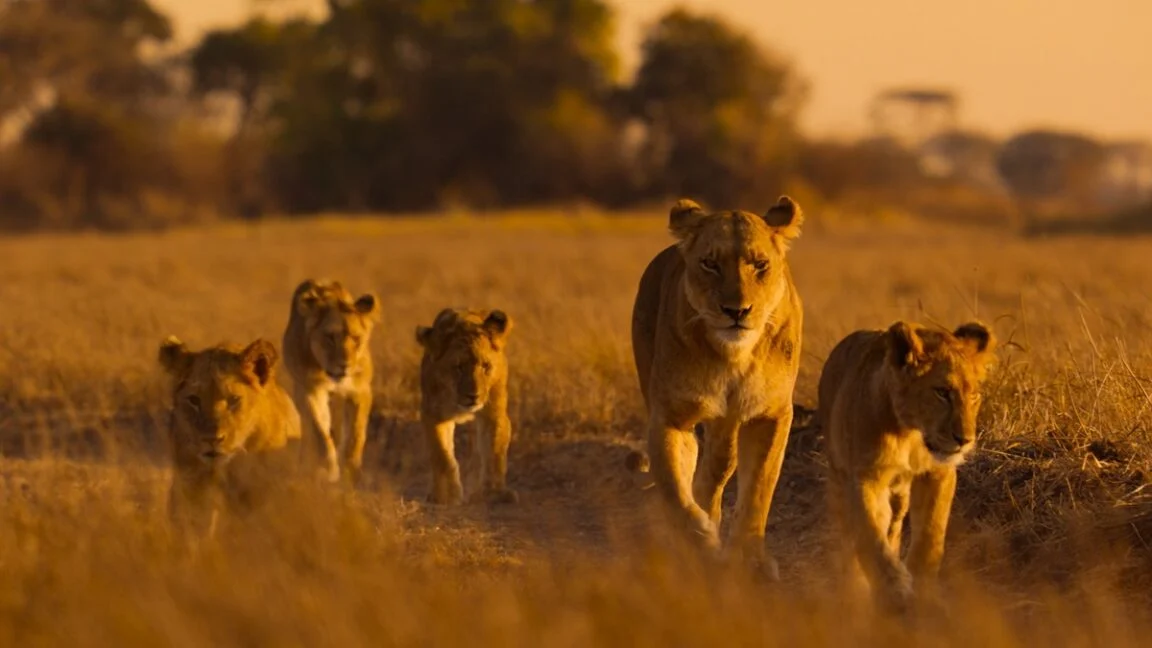
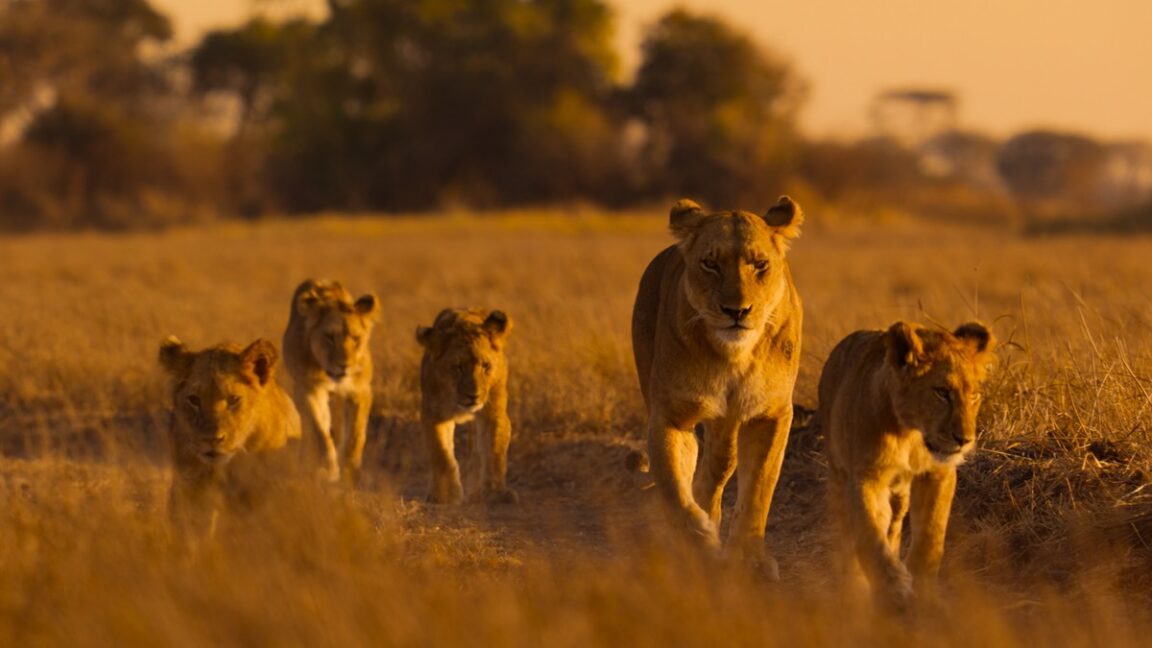
In an ambitious cinematic undertaking that spans four years and nearly 30 countries, National Geographic has unveiled Africa: Earth’s Wild Home. This seven-part documentary series is more than just a collection of stunning wildlife footage; it serves as the inaugural chapter of a massive, multi-year franchise dedicated to cataloging the biological richness and environmental complexity of all seven continents.
Narrated by the acclaimed actress Wunmi Mosaku—known for her compelling performances in Loki, Lovecraft Country, and Sinners—the series offers a raw, intimate look at the continent’s most resilient inhabitants. From the snowy peaks where monkeys roam to the pitch-black depths of guano-covered caves, the production utilizes cutting-edge technology to capture behaviors previously unseen by human eyes.
The Genesis of a Global Franchise
The mission behind Africa: Earth’s Wild Home is rooted in both scale and intimacy. Producers aimed to move beyond the traditional "nature special" format by dedicating each of the seven episodes to a distinct ecosystem: jungles, deserts, mountains, plains, and island archipelagos.
The final installment of the series shifts the lens from the animals themselves to the humans working in the trenches of conservation. By spotlighting the scientists, local explorers, and dedicated researchers who labor to preserve Africa’s biodiversity, the series provides a comprehensive look at the fragility of these habitats. The project serves as the flagship for a broader NatGeo mandate: a systematic, continent-by-continent exploration of Earth’s ecosystems, intended to create a definitive visual record of our planet’s current biological state.
A Chronology of Discovery and Innovation
The production of this series was a logistical odyssey that lasted 48 months. Filming across 30 nations required a blend of traditional field craft and experimental engineering.
The timeline of the project was dictated by the seasons and the specific migratory patterns of the species featured. To capture the behavior of the elusive black rain frog—a creature resembling a “grumpy avocado”—crews spent months in the field waiting for the precise moment the male emerged for his first breeding season. This footage marked the first time the species had ever been documented on television, highlighting the rarity of the footage captured throughout the series.
Similarly, the production team utilized a novel "hippo cam" to film underwater interactions. By employing pan-and-tilt heads on submersible rigs, the team captured the symbiotic "spa treatment" where barbel fish meticulously clean the dead skin from hippos. The sheer variety of habitats—from high-altitude frozen zones to deep, lightless subterranean caverns—meant that engineers had to develop specialized rigs for every environment, including "bat-proof" umbrella shielding for cameras positioned in crocodile-inhabited caves.
Supporting Data: Technology in the Wild
The technical sophistication required to film Africa: Earth’s Wild Home set a new benchmark for nature documentaries. Among the key innovations deployed were:
- Pre-programmed Robotic Arms: Initially designed for controlled studio environments, these were adapted for field use, allowing for sustained, high-precision tracking shots that would be impossible for a human operator to maintain.
- Drone-First Perspective: Rather than relying solely on wide establishing shots, the series uses drone technology to create an immersive, first-person narrative, placing the viewer directly into the heart of the action.
- Low-Light/Infrared Remote Rigs: To capture the nocturnal hunting habits of predators—such as dwarf crocodiles hunting bats in absolute darkness—the production team deployed remote-operated, infrared-capable systems that could be managed from a distance, ensuring minimal human interference with the wildlife.
- Behavioral Adaptations: The series highlights the intelligence of African wildlife, most notably a lone bachelor hyena that developed a new hunting strategy. By herding a flock of flamingos toward the shore, the hyena successfully increased the density of the birds, turning the water to his advantage—a display of adaptive problem-solving that surprised even the expert researchers on the team.
The Human Connection: An Interview with Wunmi Mosaku
For narrator Wunmi Mosaku, the project was profoundly personal. Born in Nigeria and raised in England, Mosaku viewed the narration as an opportunity to reconnect with her heritage.
"I was incredibly honored that they even know my name at Nat Geo," Mosaku remarked. "As someone who was born in Nigeria and raised in England, I’ll take any opportunity I can to reconnect and celebrate this incredible continent where life is so diverse and so extreme and beautiful and relentless and peaceful. I wanted to be a part of that because it’s a part of me."
Mosaku’s approach to the narration was intentionally non-performative. She sought to guide the audience as a fellow observer rather than an omniscient authority. "I wasn’t putting on a voice; it was very much Wunmi and how do I feel in this moment?" she explained. This grounding in character and empathy helped her navigate the emotional whiplash of the series—specifically, the shift between feeling sympathy for a hungry predator and witnessing the brutal reality of their survival.
"I never thought I’d feel empathy for a hyena," she admitted. "But you see this young bachelor hyena just trying to find food. But then you see them attacking an elephant calf and remember, ‘Oh, that’s why I don’t like them.’"

Implications for Future Conservation
The series concludes with a powerful argument for the interconnectedness of all life. Through the stories of mothers—whether a cheetah navigating rocky cliffs to feed her cubs or an elephant protecting her calf—the documentary bridges the gap between human experience and the animal kingdom.
"I felt like I could see so much of humanity within these stories," Mosaku said. "I see that cheetah and I see my mother with her three cubs in terrain where her superpowers weren’t able to power up. I just see so much of how we’re connected and how we ultimately want the same things: to survive, to thrive, and to ensure our loved ones are safe."
The broader implication of the series is a call to action. By showcasing both the extreme resilience of these species and the precarious nature of their survival, National Geographic is pushing for a deeper public understanding of the "pure crux of humanity" that we share with the natural world. As the series notes, the survival of the dwarf crocodile in a guano-filled cave is linked to the global climate and the health of the ecosystems we share.
A Legacy of Biodiversity
Africa: Earth’s Wild Home is not intended to be a passive viewing experience. By documenting the work of local conservation leaders, the series provides a roadmap for how humanity can foster "more harmony, more ease" between species.
The documentary’s success in filming rare behaviors, such as chimpanzees using twigs to fish for algae or the first-ever television appearance of the black rain frog, serves as a reminder that there is still much to learn about our own planet. As the production moves forward to the next six continents, the benchmark set by this African exploration is exceptionally high.
Ultimately, the series challenges the viewer to move beyond the digital noise of modern life and recognize the urgent, relentless, and peaceful rhythms of the natural world. Africa: Earth’s Wild Home is currently available to stream on Disney+ and Hulu, offering a window into a world that is as alien as it is familiar, and as vital as it is fragile. By witnessing these stories, the producers hope that audiences will feel a greater sense of responsibility toward the preservation of the planet’s diverse and extreme wild spaces.