By Rosemary Potter
As global urbanization accelerates, the character of our cities is undergoing a profound transformation. Once viewed primarily through the lens of architectural density and transit connectivity, the modern city is increasingly being redefined by its "green infrastructure." Parks, tree-lined boulevards, public squares, and private gardens are no longer merely aesthetic flourishes; they are the fundamental building blocks of a resilient urban ecosystem. As climate change intensifies, the integration of trees into the urban fabric has moved from a quality-of-life amenity to a vital survival strategy.
The Heat Island Crisis: A Natural Defense Mechanism
The most immediate challenge facing modern metropolises is the "urban heat island" (UHI) effect. In cities dominated by concrete, asphalt, and steel, solar energy is absorbed throughout the day and re-radiated at night, keeping urban centers significantly warmer than their rural surroundings. This thermal accumulation poses severe health risks, particularly during heatwaves, which are becoming more frequent and intense due to the shifting climate.
Trees serve as the primary natural defense against this thermal trap. Through two distinct mechanisms—shading and evapotranspiration—urban forests act as natural air conditioners. By blocking direct solar radiation, a mature canopy can reduce surface temperatures on asphalt and building facades by as much as 10°C to 20°C. Furthermore, through evapotranspiration, trees draw moisture from the soil and release it as vapor into the atmosphere, a process that physically cools the ambient air temperature. As cities face the prospect of more frequent extreme weather events, the strategic placement of shade-providing trees is becoming a critical component of municipal disaster resilience planning.
The Air Quality Paradox: Filtration and Regulation
Beyond temperature control, the role of urban vegetation in regulating air quality is a subject of ongoing scientific interest. Photosynthesis remains our most effective, self-sustaining carbon sequestration technology. By absorbing carbon dioxide and storing carbon in their biomass—trunks, branches, and roots—urban trees act as localized carbon sinks.
However, the efficacy of trees in filtering airborne particulate matter (PM2.5 and PM10) is nuanced. While foliage can trap microscopic pollutants, the effectiveness of this filtration depends heavily on the geometry of the street, the species of the tree, and local wind patterns. Urban planners must be careful not to view trees as a panacea. Scientific consensus dictates that trees should be viewed as one component of a broader environmental strategy that must simultaneously address emission reductions from transportation, industrial activity, and residential heating systems. Vegetation can mitigate the symptoms of pollution, but it cannot replace the systemic transition away from fossil-fuel-dependent infrastructure.
Supporting Biodiversity in the Concrete Jungle
The ecological value of urban trees extends far beyond the human experience. Even in the most densely populated urban centers, a well-managed canopy provides an essential habitat for birds, insects, small mammals, fungi, and a vast array of microorganisms.
A critical element of this biodiversity is the preservation of older, mature trees. Their complex structure, ranging from deep fissures in their bark to the hollows formed by decades of growth, offers nesting and feeding sites that newly planted saplings cannot replicate. Furthermore, the concept of "ecological corridors" is gaining traction among urban ecologists. By linking fragmented green spaces—such as parks, riverbanks, and tree-lined streets—cities can create connected pathways that allow species to migrate and thrive, preventing the "island effect" that often leads to localized extinctions of urban wildlife.
Stormwater Management: Nature-Based Infrastructure
Climate change is not just bringing higher temperatures; it is bringing more volatile precipitation patterns. Urban development, characterized by impermeable surfaces, often creates a "flash flood" scenario where rainfall cannot infiltrate the soil, overwhelming aging sewer systems.
Trees are natural storm managers. Their canopy acts as an initial buffer, intercepting rainfall and allowing it to evaporate before it reaches the ground. Once the water reaches the root zone, the soil beneath a tree is significantly more porous than compacted urban earth, facilitating natural infiltration and groundwater recharge. When integrated with "green infrastructure" such as rain gardens and bioswales, trees can significantly reduce the burden on municipal drainage systems, preventing urban flooding and improving water quality by filtering pollutants before they enter the water table.
The Human Element: Well-being and Social Cohesion
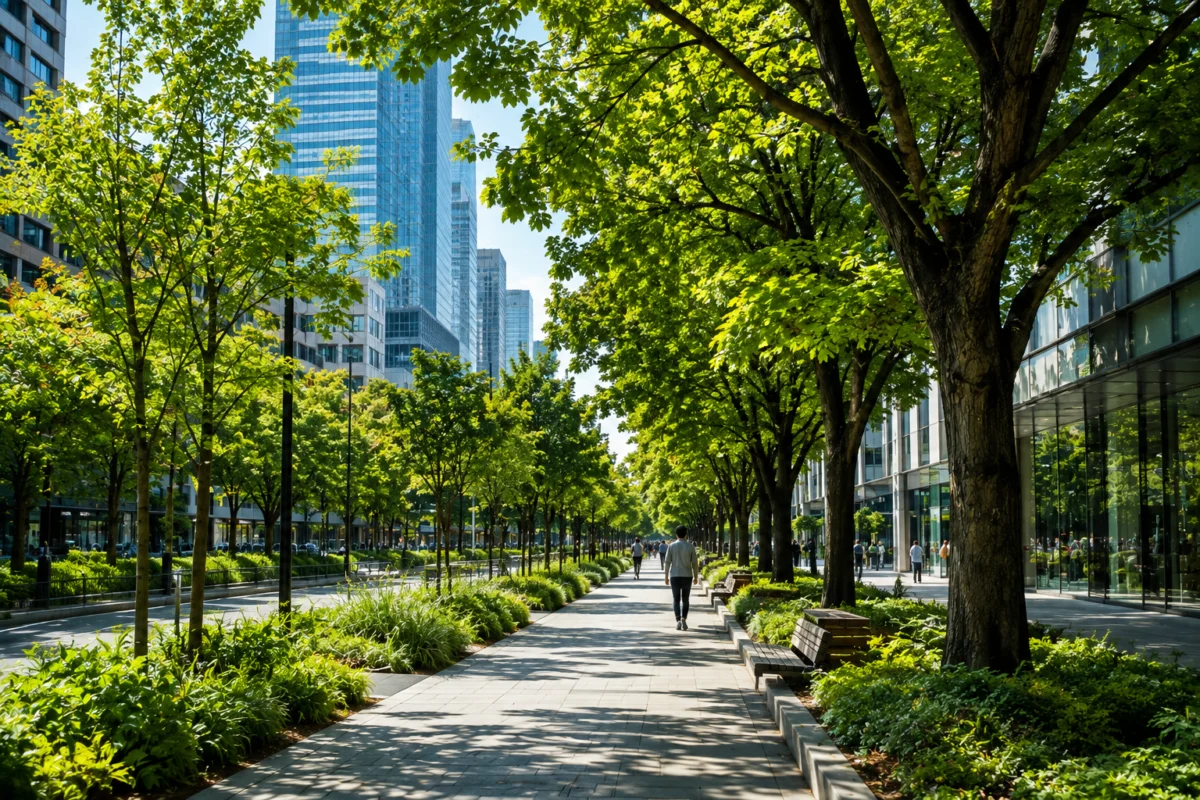
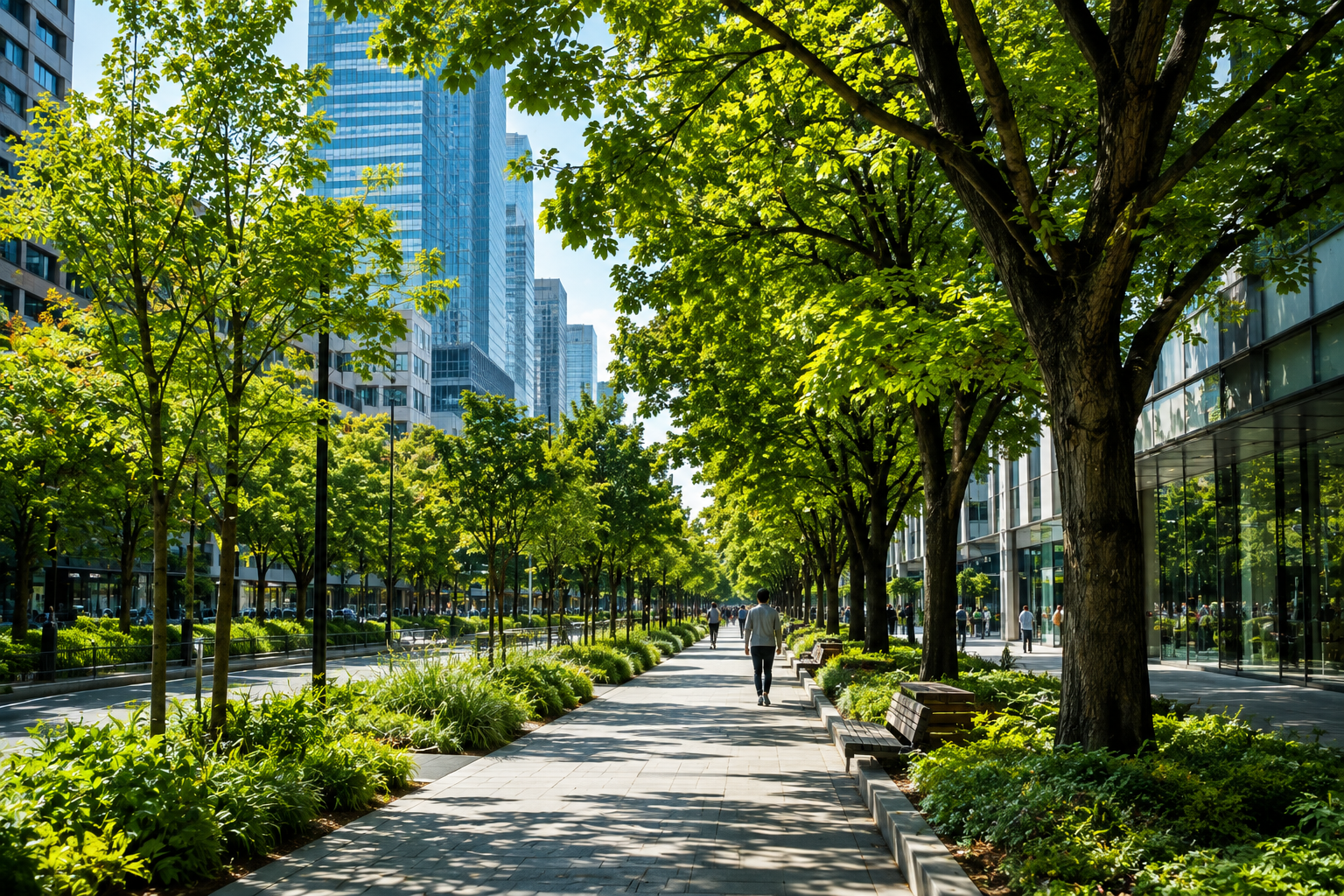
The transformation of the urban landscape through greenery has profound implications for human psychology and social behavior. A tree-lined street is inherently more pedestrian-friendly, encouraging active transport such as walking and cycling. This, in turn, fosters social interaction and builds a stronger sense of community.
Extensive research into environmental psychology has linked access to green spaces with improved mental health, lower stress levels, and increased cognitive function. By providing places for relaxation and engagement with nature, urban forests contribute to a more inclusive and equitable city. Policies that prioritize greening often align with "complete street" initiatives, which aim to create neighborhoods that are accessible, safe, and pleasant for all residents, regardless of age or ability.
The Strategy of Stewardship: Protection vs. Planting
A common misconception is that "greening" simply means planting as many trees as possible. True urban forestry requires a sophisticated, long-term approach.
Key Considerations for Urban Foresters:
- Species Diversity: To avoid the risks posed by pests or disease, cities must avoid monocultures. A diverse range of species is essential for the long-term survival of the urban canopy.
- Climate-Adaptive Planting: Urban planners must look 30 to 50 years into the future, selecting species that are likely to thrive in the warmer, potentially drier climates predicted by current climate models.
- The Case for Preservation: The protection of existing mature trees is arguably more important than the planting of new ones. A tree that has spent decades maturing provides a level of ecological service—carbon sequestration, shade, and habitat—that a young tree will not be able to match for several generations.
Effective urban forestry demands that cities move away from reactive, short-term budget cycles and toward a century-long vision of stewardship. This includes adequate soil volume, consistent maintenance, and legal protections that prevent the unnecessary removal of healthy, mature specimens during construction projects.
Implications for Future Urban Development
The integration of nature into the city is not a trend; it is an imperative. As we look toward the development of "smart cities," the most successful designs will be those that strike a harmonious balance between grey infrastructure (buildings and roads) and green infrastructure (trees and soil).
Moving forward, urban planners must advocate for:
- Mandatory Green Space Ratios: Incorporating green space requirements into zoning laws for new developments.
- Permeable Infrastructure: Replacing traditional, non-porous materials with permeable alternatives that allow trees and soil to thrive.
- Community Engagement: Involving local residents in the care and stewardship of their neighborhood trees, which fosters a sense of ownership and ensures the long-term health of the plantings.
Conclusion: A Green Future
The trees that line our streets are silent witnesses to the evolution of our cities. Today, they are being asked to do more than ever before—to cool our streets, clean our air, provide homes for wildlife, manage our water, and sustain our spirits. By recognizing the urban forest as a vital piece of municipal infrastructure, we can create cities that are not only more sustainable but also more humane.
Bringing nature back into the city is not about turning urban centers into forests; it is about recognizing that the health of the human population is inextricably linked to the health of the urban ecosystem. As we face the environmental challenges of the coming decades, the shade of a tree will be one of our most valuable assets. It is time we invested in our canopy with the same seriousness and financial commitment we dedicate to our bridges, tunnels, and skyscrapers.