As the Russian Federation continues its systematic campaign to dismantle Ukraine’s civilian infrastructure, a profound, structural transformation is unfolding in the energy sector. This shift, born out of necessity, is redrawing the map of European energy security and elevating Ukraine from a traditional transit state to a pivotal, strategic importer and storage hub for American Liquefied Natural Gas (LNG). This evolution represents not only a survival mechanism for Kyiv but also a profound geopolitical realignment that links the future of the Three Seas Initiative (3SI) to the stability of the transatlantic energy market.
The Strategic Pivot: From Transit to Importer
For decades, the energy narrative of Eastern Europe was defined by the flow of Russian gas through Ukrainian pipelines toward the West. The full-scale invasion of 2022 shattered this paradigm, forcing a total decoupling from Moscow’s energy hegemony. By 2025, the reality on the ground had reached a breaking point: Russian bombardment decimated nearly 60 percent of Ukraine’s domestic gas production capacity.
Faced with a looming winter crisis and the potential for a total blackout of its industrial base, the state-owned energy giant Naftogaz embarked on a radical diversification strategy. In a remarkably short window, Ukraine moved from having no meaningful direct relationship with the US LNG market to becoming one of its fastest-growing consumers in Europe. This transition is not merely a commercial transaction; it is a strategic imperative that Washington is increasingly recognizing as vital to regional stability.
Chronology of a Market Shift
- Early 2022: The Russian full-scale invasion disrupts traditional gas flows, ending the era of reliable Russian energy transit.
- 2024: Ukraine begins aggressive efforts to tap into international LNG markets to stabilize its domestic grid.
- January 2025: Ukraine’s domestic production capacity is reduced by up to 60% due to precision strikes on energy infrastructure.
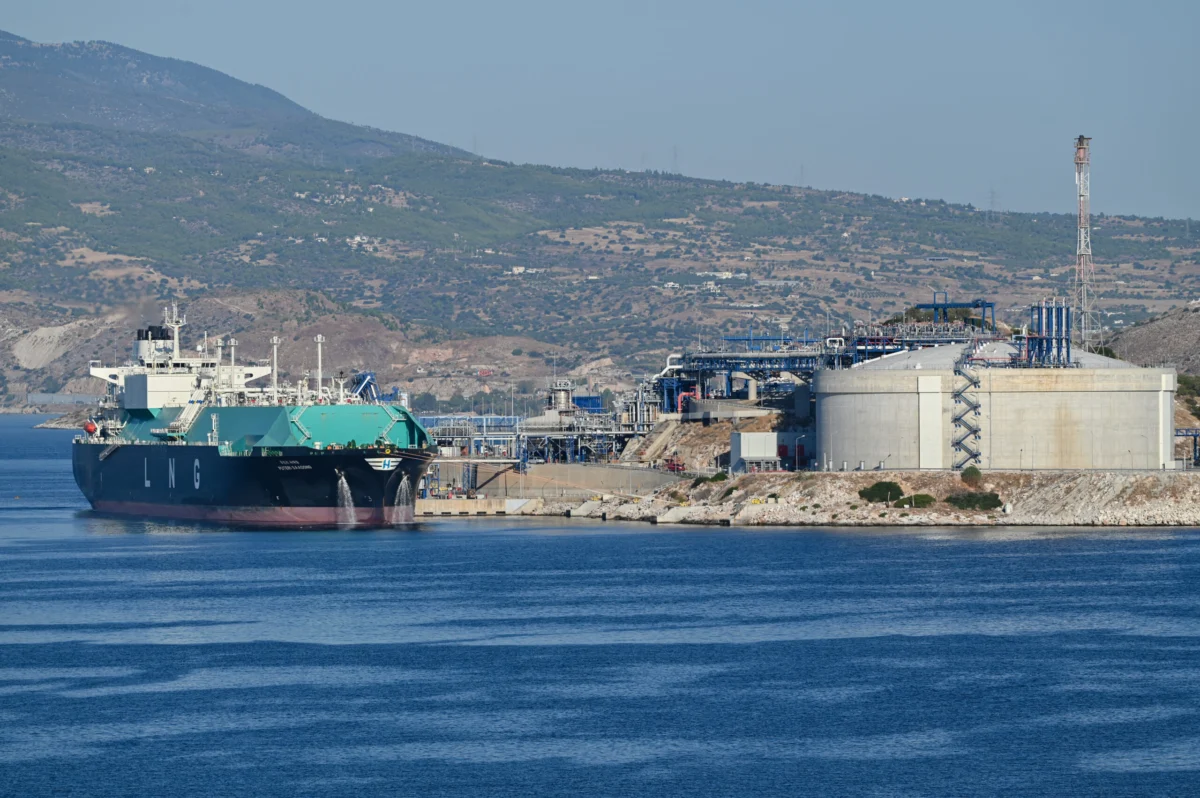
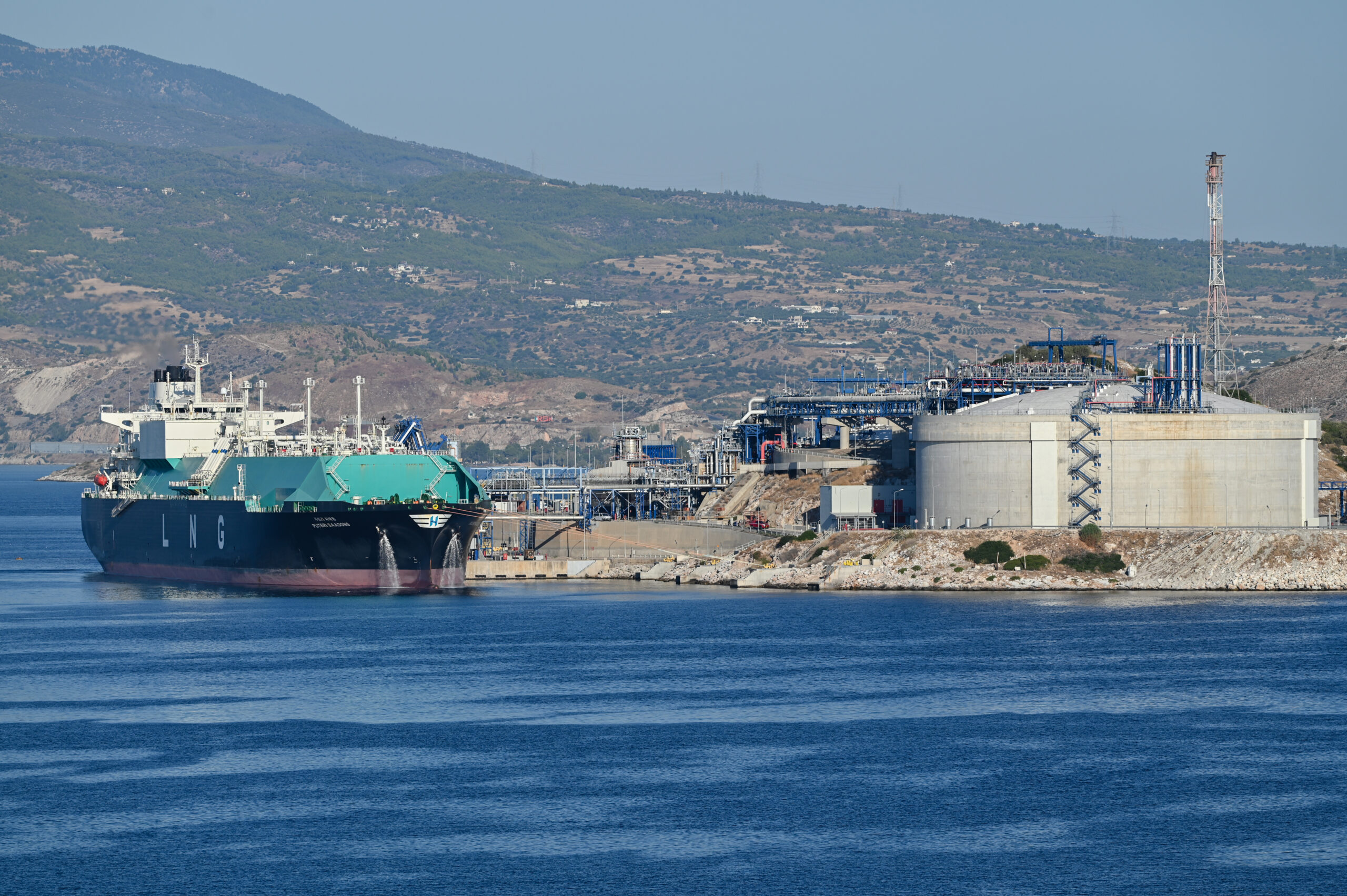
- Throughout 2025: Naftogaz establishes a multi-gateway import strategy, securing access to terminals in Poland, Lithuania, Germany, and Greece.
- July 2026: Sergii Fedorenko is appointed Acting CEO of Naftogaz, signaling a commitment to continuity in the import and storage expansion strategy.
- Q1 2026: Ukraine imports 381 million cubic meters of US LNG, signaling a massive acceleration in volume compared to the 456 million total for the entire preceding year.
Supporting Data: The Acceleration of Demand
The statistics reveal an undeniable trajectory. In 2025, Ukraine contracted approximately 456 million cubic meters of LNG from the United States. While this was a significant start, the velocity of the ramp-up is staggering: during the first quarter of 2026 alone, Ukraine imported 381 million cubic meters.
This exponential growth suggests that Ukraine is on track to become a primary anchor for American LNG exports in the region. Furthermore, this coincides with a broader European trend where the United States is poised to provide roughly two-thirds of the continent’s total LNG imports this year, effectively displacing Norway as Europe’s largest supplier. By integrating into this network, Ukraine is not just meeting its own demand; it is contributing to the creation of a permanent, reliable infrastructure for the entire Central and Eastern European (CEE) region.
The Role of Infrastructure and the Three Seas Initiative
The true genius of this transition lies in Ukraine’s unique geographical and geological assets. Ukraine sits atop the largest underground gas storage capacity in Europe—more than 30 billion cubic meters. Much of this storage is located in western Ukraine, situated deep underground and near the European Union border, providing a level of protection against Russian airstrikes that surface-level infrastructure cannot offer.
This storage capability is the "missing link" for the Three Seas Initiative. Launched during the first Trump administration, the 3SI seeks to connect thirteen EU states—from the Baltic to the Adriatic and Black Seas—through an integrated north-south energy and infrastructure corridor. While the initiative has long focused on LNG diversification, it previously lacked a large-scale storage partner capable of absorbing, buffering, and redistributing gas during periods of peak demand.
By positioning itself as the "battery" of European gas, Ukraine provides the 3SI with the regional stability it requires to successfully transition away from the "dangerous dependence" on Russian molecules. If logistical and security hurdles are cleared, these storage facilities could serve as a distribution hub for the entire CEE, making US LNG a permanent feature of the regional energy map.
Official Responses and Strategic Continuity
The appointment of Sergii Fedorenko as the Acting CEO of Naftogaz in July 2026 has been widely interpreted by energy analysts as a signal of institutional stability. Fedorenko, who previously spearheaded the expansion of Ukraine’s LNG import network and deepened cooperation with partners in Poland (Orlen), Lithuania (Ignitis), and Greece (Revithoussa), is uniquely qualified to steer this project forward.
His leadership is expected to prioritize the further integration of the "Vertical Corridor"—a critical infrastructure route stretching from the Greek terminals through Bulgaria and Romania. This route has received robust backing from US officials, who view the strengthening of these pipelines as a cornerstone of long-term European energy autonomy. The consensus among policymakers in both Kyiv and Washington is that this is no longer a temporary crisis response; it is a permanent architectural change in how Europe sources, stores, and manages its energy.

Implications for the Future
The implications of this shift extend far beyond the energy sector:
1. Hardening Energy Security
The integration of Ukraine into the US LNG supply chain effectively eliminates the "energy blackmail" card that Moscow has held over Europe for decades. By creating a diversified, multi-gateway import network, Europe is no longer vulnerable to supply shocks from any single pipeline operator or belligerent neighbor.
2. Strengthening Transatlantic Ties
The commercial partnership between the US and Ukraine in the energy space creates a deeper, long-term economic alignment. As Europe transitions away from Russian energy, the presence of American gas—stored in Ukrainian facilities—anchors the United States as an indispensable partner in European security. This creates a feedback loop: US support for Ukraine’s infrastructure strengthens the 3SI, which in turn creates a more lucrative and stable market for US energy exports.
3. Economic Resilience for Ukraine
For Ukraine, this shift is a vital economic lifeline. Beyond the obvious need for heating and power, the ability to store and distribute gas provides the country with a seat at the table of European energy policy. It allows Ukraine to generate revenue through transit and storage services, even as its own production is being systematically targeted by an aggressor.
4. A Template for Post-War Reconstruction
The current energy strategy provides a blueprint for how Ukraine can be reconstructed post-conflict. By focusing on decentralized energy networks, high-capacity storage, and deep integration with EU infrastructure, Ukraine is essentially "future-proofing" its economy.
The Path Forward: A Call for Sustained Engagement
While the progress to date is impressive, the transition remains vulnerable. Experts, including Stephen Blank of the Foreign Policy Research Institute, emphasize that further progress cannot be taken for granted. Success will require sustained US institutional engagement, specifically in two areas:
- Financial and Technical Backing: Continued support for the infrastructure upgrades necessary to connect the Vertical Corridor to Ukrainian storage hubs.
- Political Integration: Active US participation in ensuring that the 3SI and Ukraine’s energy sector remain tightly coupled, preventing the fragmentation of European energy policy.
As the world continues to watch the conflict in Ukraine, the "silent" energy revolution occurring in the background is fundamentally altering the geopolitical landscape. The gas that once flowed west from Russia is now being replaced by American LNG flowing into the heart of Europe. Through the strategic use of its vast storage capacity and a commitment to market-based energy diversification, Ukraine is securing its future as a central pillar of European energy independence. The result is a more resilient Europe, a more integrated Ukraine, and a long-term, stable commercial bond between the United States and its allies in the East.