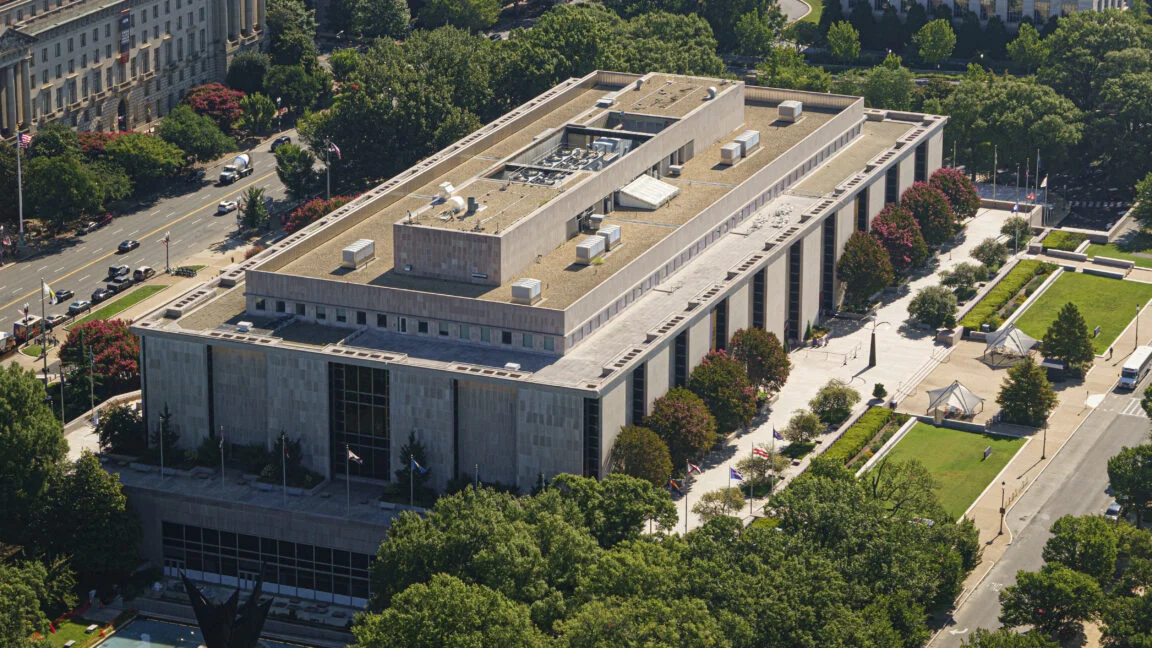
For over a century, the Smithsonian Institution has stood as the quintessential guardian of the American story. With 21 museums and a mandate to preserve the nation’s history, ingenuity, and natural heritage, it has historically operated above the fray of partisan politics. Drawing 15 million visitors annually, it has been a rare, unifying touchstone in a fractured nation. Yet, today, the Smithsonian finds itself at the epicenter of a fierce ideological struggle, facing unprecedented pressure from the Trump administration that threatens its leadership, its funding, and its very mission.
The Catalyst: A Conflict of Interpretation
The current hostilities trace back to the National Museum of American History’s 2021 exhibit, “The Electric Dr. Franklin.” The exhibit aimed to present a nuanced view of Benjamin Franklin, highlighting his scientific genius while acknowledging his history as a slaveholder. It further speculated that Franklin may have utilized enslaved people in his electrical experiments—a conjecture that became a lightning rod for criticism.
This exhibit was not an isolated incident in the eyes of the administration. In July 2026, the White House released a scathing 162-page report titled "Saving America’s Story." The document accused the Smithsonian of suffering from "ideological capture," arguing that the museum had abandoned its commitment to objective scholarship in favor of "extreme political activism that seeks to transform our country."
A Chronology of Escalation
The friction between the White House and the Smithsonian has intensified rapidly over the past two years, marked by a series of executive orders and congressional interventions:
- March 2025: President Donald Trump signed an executive order labeling the Smithsonian’s recent curatorial focus as a product of "divisive, race-centered ideology."
- July 2026: The release of the White House report served as the formal opening of the offensive, coinciding with the 250th anniversary of the Declaration of Independence.
- Late July 2026: Two House committees held back-to-back hearings, forcing museum leadership to defend specific exhibits, including those featuring material regarding gender identity and sexual history.
- August 2026: Interior Secretary Doug Burgum issued a letter to the Smithsonian’s Board of Regents, warning that federal agencies could not "in good conscience" continue to support the institution under current leadership.
- September 8, 2026: Lonnie Bunch, the first African American secretary of the Smithsonian, announced his resignation at age 73, citing the immense professional and personal stress of the ongoing conflict.
The Institutional Crisis: Funding and Governance
The Smithsonian’s independence is currently under siege. While the institution is governed by a 17-member board—including the Chief Justice of the Supreme Court and members of Congress—it relies on the federal government for 62% of its $1 billion annual budget. With the administration threatening deep budget cuts, the institution faces an existential fiscal threat.
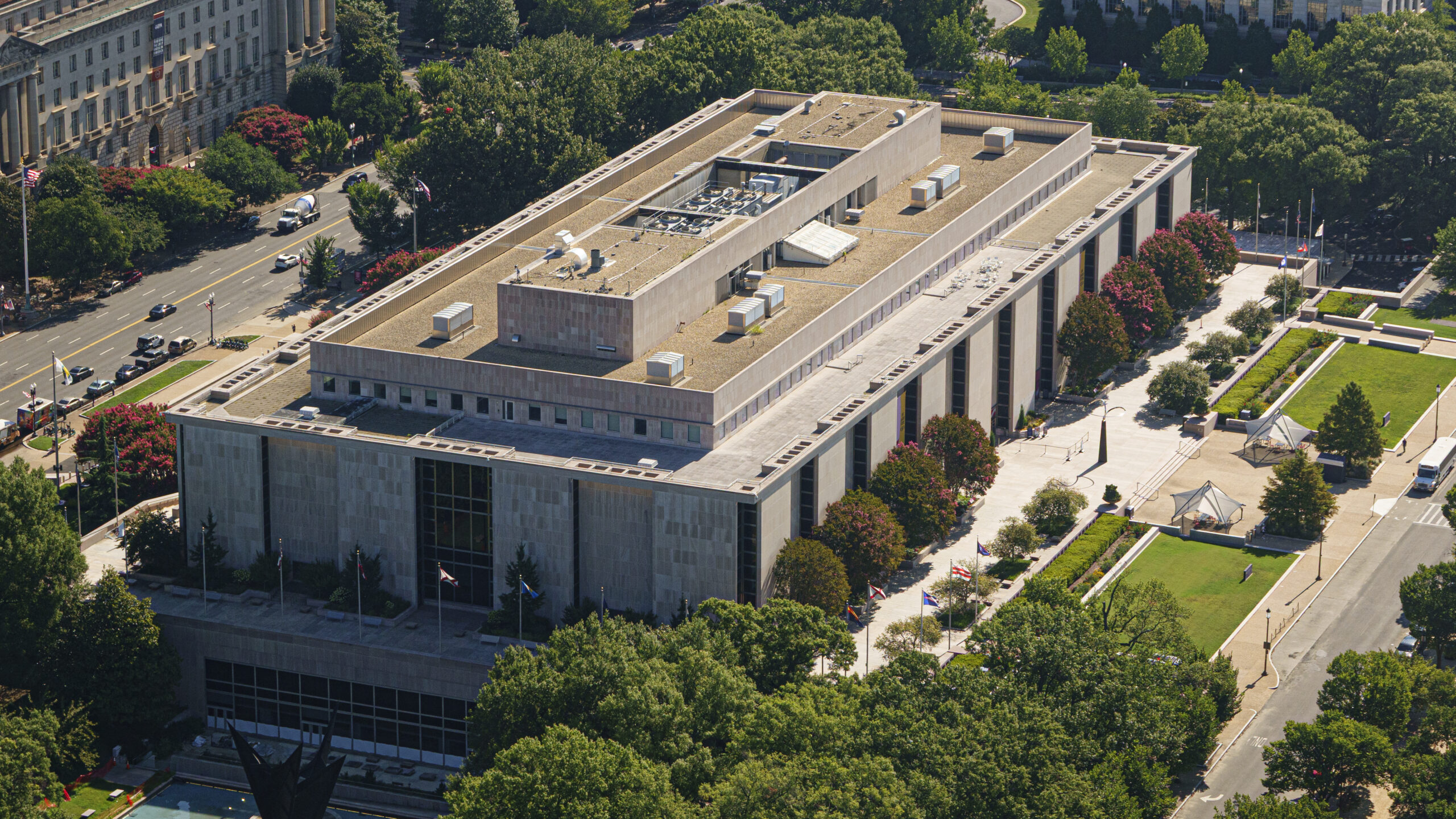
The museum’s structural challenges have only exacerbated these tensions. Since its 1964 opening, the National Museum of American History has struggled to define a cohesive identity. It was originally conceived as a technology museum, and its transition into a broader historical narrative has been criticized by figures like David Brooks, who once lamented that the museum had become a repository for "multicultural grievance" rather than a celebration of the nation’s defining moments.
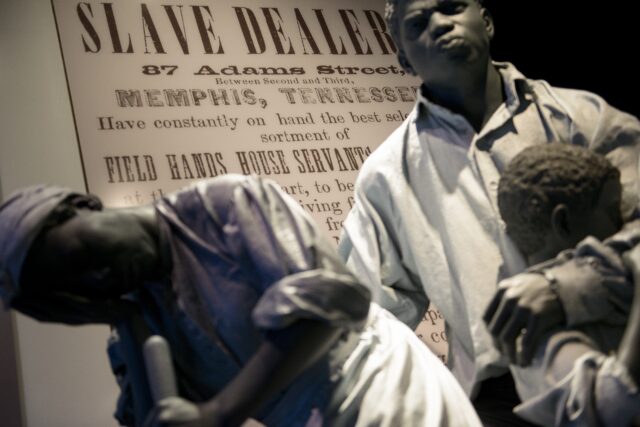
Attempts to modernize the museum have often been met with internal friction. Curators have shifted away from the "great man" approach to history, opting for episodic narratives that explore the roles of marginalized groups. While proponents argue this provides a more comprehensive, honest account of the American experience, critics view it as an abandonment of the unifying national narrative.
Official Responses and Political Testimony
The congressional hearings in July 2026 laid bare the depth of the partisan divide. Anthea Hartig, the director of the National Museum of American History, attempted to maintain a professional, conciliatory stance during her testimony. She affirmed her love for the United States and argued that the White House report failed to accurately characterize the museum’s comprehensive body of work.
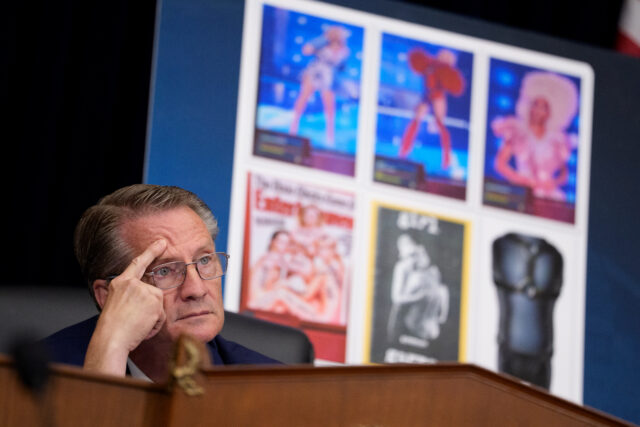
However, Republican lawmakers remained unpersuaded. Rep. Tim Burchett (R-TN) led the charge, grilling Hartig on specific items, such as a sadomasochistic harness included in an LGBTQ history exhibit and a diary entry regarding gender identity in the "Girlhood" exhibit. Burchett and his colleagues argued that such items were inappropriate for a taxpayer-funded institution and evidence of a broader, radical agenda.

On the other side of the aisle, Democrats characterized the hearings as a coordinated assault on historical truth. Yale historian David Blight, appearing as a witness, offered a sharp condemnation of the proceedings, comparing the White House’s efforts to control museum content to the propaganda committees of the Third Reich. Rep. Kweisi Mfume (D-MD) went further, vowing that defenders of the institution would "not allow that to happen," framing the protection of the museum as a moral imperative.
The "Toolkit" Controversy
A significant portion of the White House’s critique centered on the Smithsonian’s use of the "Museums as a Site for Social Action Toolkit." This document, used to train staff, was described by the White House as a roadmap for systemic disruption. The report highlighted that the toolkit linked traditional American concepts—such as "politeness"—to "white supremacy culture" and "structural racism." For the administration, this provided the smoking gun required to justify their intervention, framing it as a necessary corrective to institutional bias.
Implications for the Future
As the Smithsonian navigates this crisis, the path forward remains deeply uncertain. Three of the nine citizen seats on the Board of Regents are currently vacant, with three more set to expire shortly. The appointments to these positions, along with the selection of a successor to Lonnie Bunch, will determine the institution’s ideological trajectory for the next generation.
Much of the outcome will depend on the role of Chief Justice John Roberts, who leads the Board of Regents. Whether the Smithsonian returns to a "consensus view" of American history—as demanded by the White House—or maintains its current trajectory of critical, diverse inquiry is the fundamental question at stake.
The irony of the current moment is that the Smithsonian remains as popular as ever among the public. Visitors still gather by the thousands to see the Star-Spangled Banner, finding themselves moved by the symbols of the nation’s past. Yet, for those working within the halls of the institution, the pressure to conform to a specific political interpretation of history is mounting.
As Kim Sajet, the former director of the Portrait Gallery, noted, the American people will ultimately have to decide if the Smithsonian reflects their values. In an era of profound polarization, the museum’s struggle to tell the "whole story" of the nation has become a mirror of the very country it is tasked with documenting—a nation wrestling with its past, its identity, and its future. The question for the Smithsonian is no longer just about which stories to display, but whether it can survive as an independent, trusted source of truth in an age of totalized culture war.