For centuries, the insurance industry has operated on a fundamental, unchanging premise: the consumer pays a premium, the insurer holds the funds, and if disaster strikes, the company pays for the damages. It is a model defined by its passivity. You pay, you cross your fingers, and you wait for a check to arrive after the catastrophe has already occurred.
However, the rapid convergence of Artificial Intelligence (AI) and the Internet of Things (IoT) is triggering a seismic shift in this archaic business model. We are currently witnessing the rise of "InsurTech"—a transformation that is moving the global insurance sector away from retroactive reimbursement and toward a future of proactive prevention.
The State of the Market: A Trillion-Dollar Evolution
The insurance industry is a global behemoth. According to the Allianz Global Insurance Report, the sector is valued at approximately €6.9 trillion (£5.9 trillion). While InsurTech remains a small fraction of this massive pie, its growth trajectory is staggering. Data from Mordor Intelligence estimates the current InsurTech market at $1.34 trillion (£1.01 trillion), with projections indicating it will climb to $2.44 trillion (£1.85 trillion) by 2031.
The United Kingdom is at the vanguard of this movement. With a market size of $53.53 billion (£40.48 billion), the UK is rapidly adopting AI-driven claims automation, advanced IoT telemetry, and sophisticated digital underwriting tools. This isn’t just about efficiency; it is about fundamentally redefining the relationship between the insurer and the insured.

Chronology of a Shift: From Black Boxes to Smart Homes
To understand where the home insurance market is headed, we must look at the automotive industry. Over the past decade, the introduction of telematics—or "black box" technology—revolutionized motor insurance. By tracking braking habits, speed, and cornering, insurers moved away from blunt demographic assumptions (like age or postcode) to dynamic, usage-based pricing.
This same logic is now being applied to the home. The evolution follows a clear path:
- The Passive Era: Annual premiums based on historical risk modeling.
- The IoT Introduction: Deployment of simple sensors (leak detectors, smoke alarms) to alert homeowners to immediate dangers.
- The Integrated Era: Real-time data streams connected to insurance platforms, enabling automated triage.
- The Proactive Future: Insurers providing the hardware themselves to prevent damage from occurring entirely.
"The future of insurance should be less ‘something went wrong, here is a cheque’ and more ‘technology helped stop it going wrong in the first place,’" says Nouran Moustafa, Practice Principal and Executive Financial Advisor at Roxton Wealth.
Supporting Data: The Case for Prevention
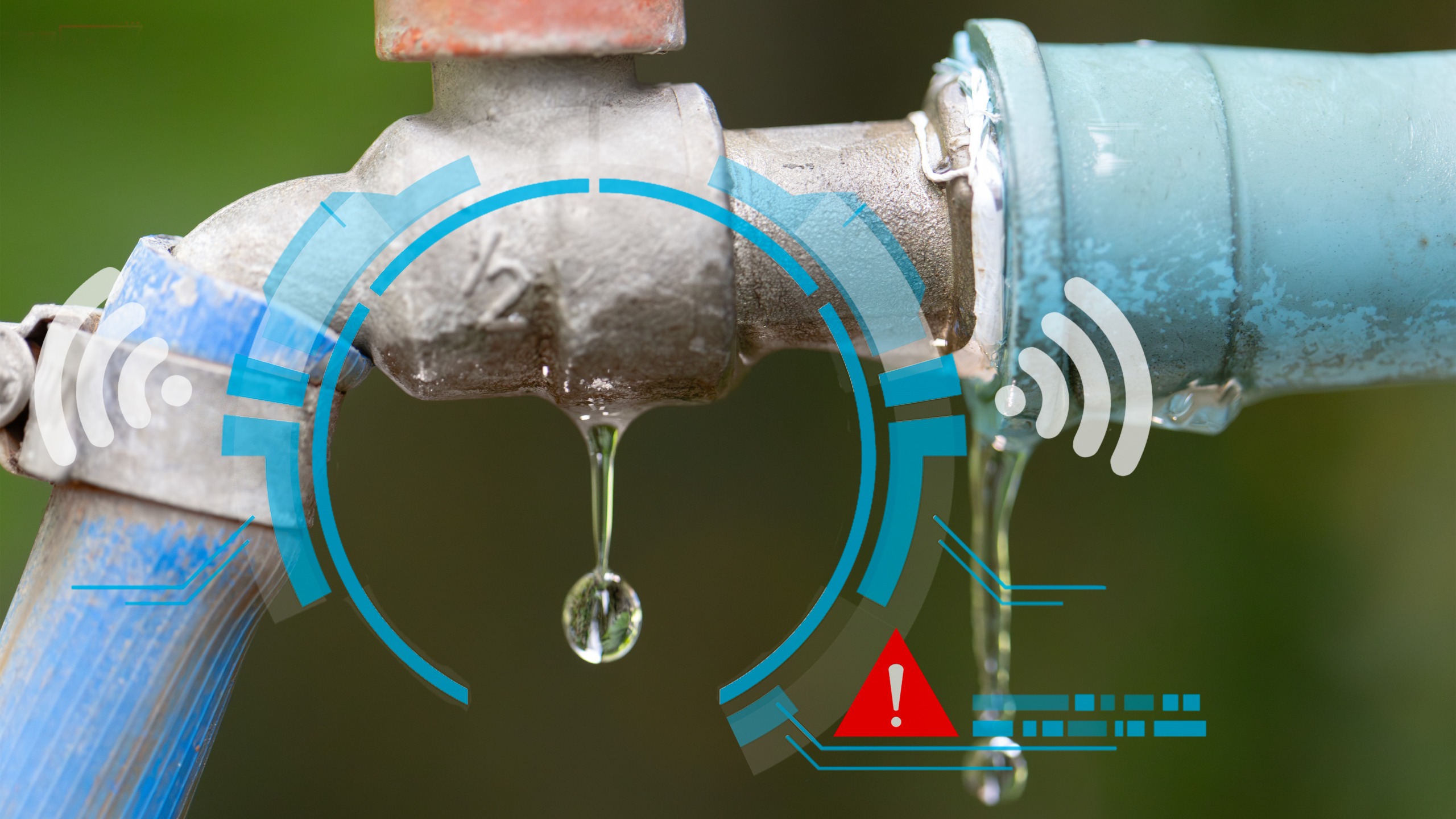
The economic argument for InsurTech is built on the massive cost of "non-catastrophic" losses. In the property insurance sector, the greatest enemy is not the dramatic fire or the burglary—it is water.

According to Paul Vacquier, CEO of Beagle Services, water damage accounts for a staggering $14.5 billion in paid claims annually in the United States alone. "It’s the largest non-catastrophic loss paid by the carriers," Vacquier explains. "While you can’t stop a hurricane, the technology does exist to prevent, or at least dramatically mitigate, this loss from occurring in the first place."
The technology, such as the LeakBot (now owned by Ondo InsurTech plc), detects continuous flows as small as 5ml per minute. By identifying a "slow drip" behind a wall or under a dishwasher weeks before it becomes a burst pipe, the cost to the insurer—and the headache for the homeowner—is reduced from a complete renovation to a simple maintenance call.
Official Responses and Strategic Partnerships
Major insurers have already begun betting on this "prevention-first" model. Companies like Hiscox and LV in the UK, and Westfield in the US, have partnered with technology providers to distribute smart sensors to their policyholders for free.
Phil Thorn, former Head of Propositions at Hiscox UK, noted at the launch of their smart-leak program: "It’s often the smallest, hidden leaks that go undetected and ultimately cause the most damage, so spotting these early is essential."
This approach extends to pet insurance as well. Firms like Lassie are integrating wearable trackers like Tractive into their policies. Hedda Båverud Olsson, CEO of Lassie, emphasizes the positive reinforcement model: "We never want to punish someone for not doing preventative things but rather reward users with better pricing when they do good things."
The Technological Arsenal: Beyond Leak Detection
While water damage is the primary target, the "Smart Home" insurance bundle is expanding.
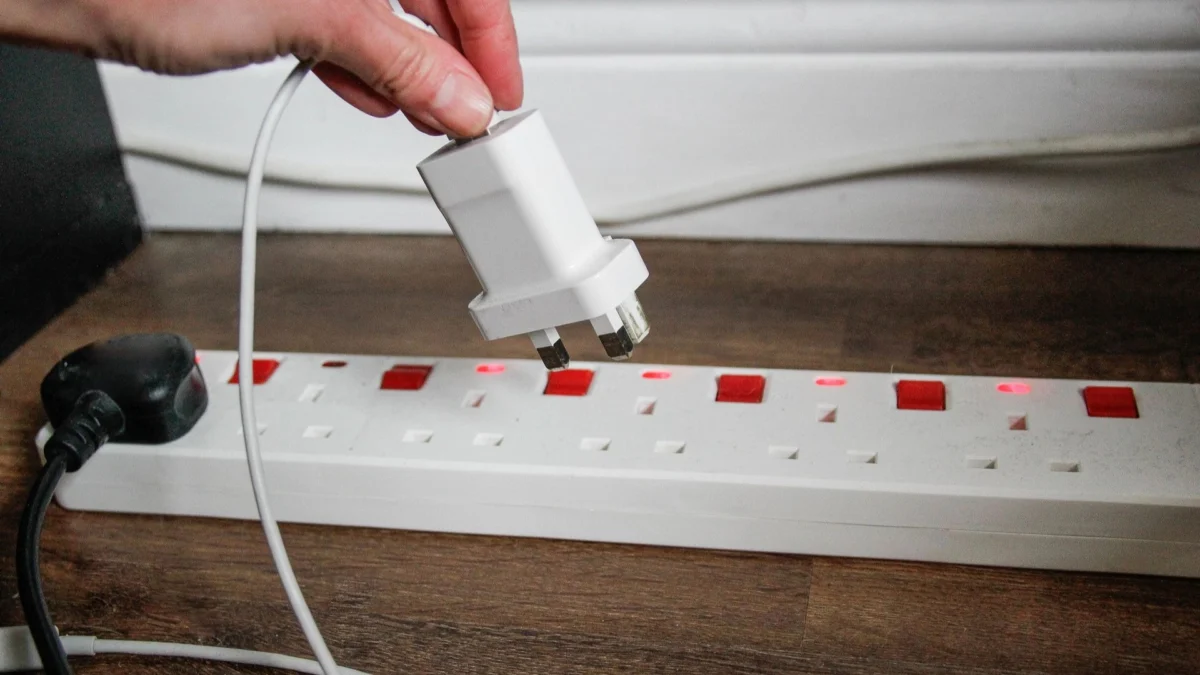
- Electrical Safety: Whole-home Surge Protective Devices (SPDs) installed at the electrical panel are being increasingly recommended. Unlike plug-in power strips, these devices protect all appliances downstream from voltage spikes, reducing fire hazards and equipment failure.
- Professional Monitoring: Companies like X-Sense offer professional monitoring services for smoke and CO alarms. By providing a "monitoring certificate," homeowners can often qualify for insurance discounts of up to 15%, depending on the provider and region.
- Unified App Ecosystems: Services like Sky Protect offer a single app to manage video doorbells, motion sensors, and leak detectors, creating a holistic digital shield for the property.
Implications: The Privacy and Security Trade-off
The transition to InsurTech is not without significant risks. As homes become "smarter," they also become more vulnerable to cyber threats. Taimur Ijlal, Information Security Leader at Proxy Coupons, warns: "Once a sensor, camera or smart lock starts reporting to a third party, it becomes both an attack surface in your home and a data pipeline out of it."
The recent data exposure incident involving Dublin-based InsurTech firm Companjon—where millions of records were leaked via an unprotected data stream—serves as a stark reminder that the security of these backend B2B pipelines is just as important as the sensors themselves.

For the consumer, the implications are clear:
- Due Diligence: Homeowners must ask who owns their data and for how long it is retained.
- Security Patching: Manufacturers must provide transparent policies regarding how they secure their devices.
- Contingency: What happens to insurance coverage if the Wi-Fi goes down or a device is disconnected?
Conclusion: A New Era of Peace of Mind
The InsurTech revolution is fundamentally changing the definition of "protection." We are moving away from a model that treats insurance as a lottery ticket—where the payout is the goal—to a model where the goal is the preservation of the home itself.
For the insurance companies, the benefits are obvious: reduced operational expenses and fewer, smaller claims. For the homeowner, the benefits are equally compelling: the elimination of the stress and disruption caused by household disasters, paired with the potential for lower premiums.
While concerns regarding data privacy and the complexity of digital ecosystems persist, the direction of travel is irreversible. The "black box" did not just change how we drive; it changed how we view road safety. In the same vein, the integration of smart home technology is set to redefine our domestic lives, ensuring that in the future, the best claim is the one you never have to make.