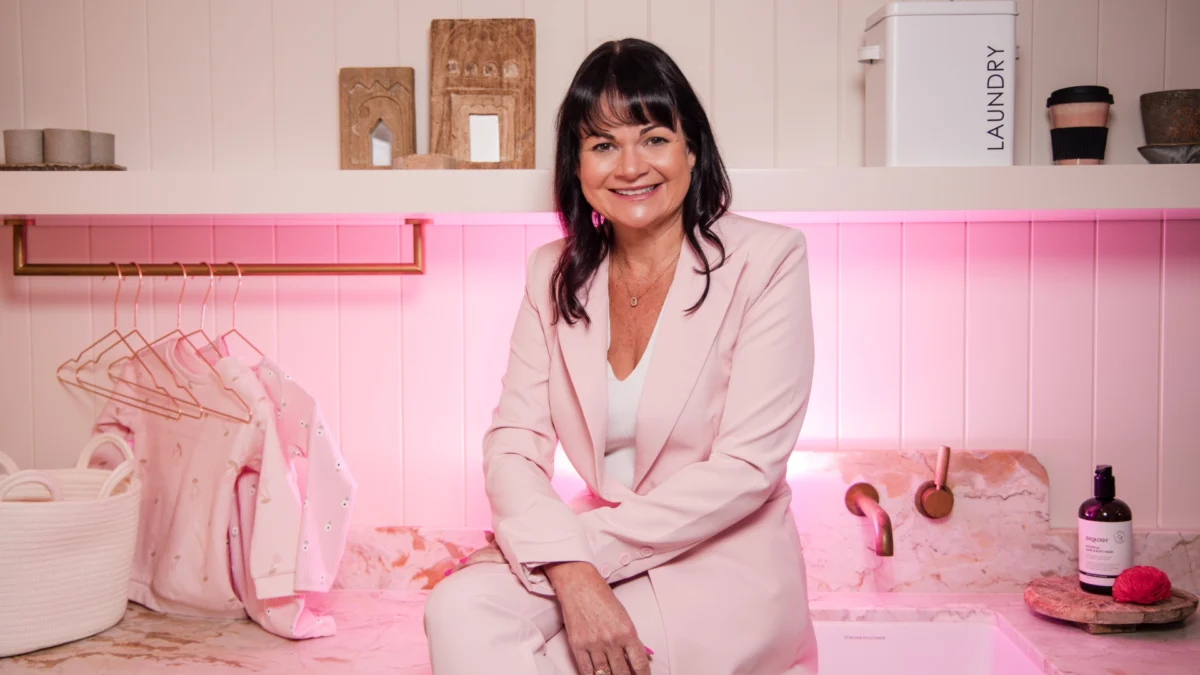
In an era defined by the "convenience economy," where consumers expect near-instantaneous digital solutions for everything from grocery delivery to personal grooming, the domestic laundry sector has long remained a fragmented, often manual industry. However, The Laundry Lady, a standout success in the Australian service market, is looking to change that narrative.
This month, the company, led by founder Susan Toft, officially unveiled its new, bespoke customer-facing mobile application. Designed to centralize the booking, management, and tracking of laundry services, the app represents a significant leap forward for the brand. By shifting away from traditional inquiry methods toward a seamless, digital-first interface, The Laundry Lady is not just updating its software—it is attempting to redefine the logistics of household chores for the modern, time-poor consumer.
The Core Transformation: What the New App Changes
The launch of the app marks a departure from the company’s previous web-based booking models. Previously, customers often relied on disparate communication channels to schedule pickups and deliveries. The new application integrates these workflows into a singular, intuitive dashboard.
Key features of the rollout include real-time tracking of orders, automated push notifications regarding service status, and an algorithmic scheduling system that matches customers with the nearest available "Laundry Lady" contractor. For the end user, this means fewer phone calls, less email correspondence, and a transparent view of the laundry cycle—from the moment a bag is picked up to its doorstep return.
For the company, the app is more than a convenience tool; it is a scalable infrastructure piece. By digitizing the workflow, The Laundry Lady can better manage its network of independent contractors, ensuring that route density is optimized and that service quality remains consistent across different regions.
A Chronology of Growth: From Niche Idea to National Player
To understand the significance of this technological milestone, one must look at the trajectory of The Laundry Lady since its inception.
- The Inception Phase: Susan Toft founded The Laundry Lady with a vision to provide a flexible work model for stay-at-home parents and those seeking supplementary income, while simultaneously solving a pain point for working professionals and families.
- The Scaling Phase: During the early years, the business relied heavily on word-of-mouth and manual coordination. As demand surged, the business transitioned into a franchise-adjacent model, rapidly expanding its footprint across Australia.
- The Recognition Phase: The company’s growth trajectory was punctuated by various industry accolades, including recognition in the Smart50 awards. These awards highlighted the company’s ability to thrive in a competitive market by focusing on localized, reliable service.
- The Digital Pivot: Recognizing that manual scheduling would eventually become a bottleneck to national expansion, the company began investing in its digital infrastructure. This period of behind-the-scenes development culminated in the recent launch of the customer-facing app.
- The Present Day: With the app now live, the company is positioned to transition from a service provider to a tech-enabled platform, capable of handling a higher volume of transactions with significantly reduced overhead in customer service support.
Data-Driven Demand: The Case for Automation
The decision to invest in a proprietary app is backed by shifts in consumer behavior data. Market research suggests that service-based businesses that offer app-based booking see a 20% to 30% increase in repeat customer frequency compared to those relying on web forms or phone calls.
The Laundry Lady’s internal metrics likely mirrored these broader industry trends. As the company expanded into new states and territories, the logistical complexity of managing thousands of individual laundry cycles necessitated a departure from human-led scheduling. By offloading the coordination to an automated system, the company effectively lowers its Cost per Acquisition (CPA) while simultaneously increasing the Lifetime Value (LTV) of the customer.
Furthermore, the data collected via the app—such as peak usage times, popular service tiers, and geographical service gaps—will allow Toft and her team to make data-backed decisions regarding marketing spend and contractor recruitment.
Official Perspectives: The Vision Behind the Interface
In discussing the launch, founder Susan Toft has emphasized that the technology serves the mission, not the other way around. "The goal was always to provide a service that gives people back their time," Toft noted in recent briefings. "Our contractors are the heartbeat of the business, and our customers are the reason we exist. The app is simply the bridge that makes that interaction frictionless."
Industry analysts have noted that the move reflects a broader trend among SMEs (Small to Medium Enterprises) to adopt "platform-as-a-service" mentalities. By owning the software, The Laundry Lady avoids the heavy commissions associated with third-party service aggregators, allowing them to keep pricing competitive while maintaining higher margins for their contractors.
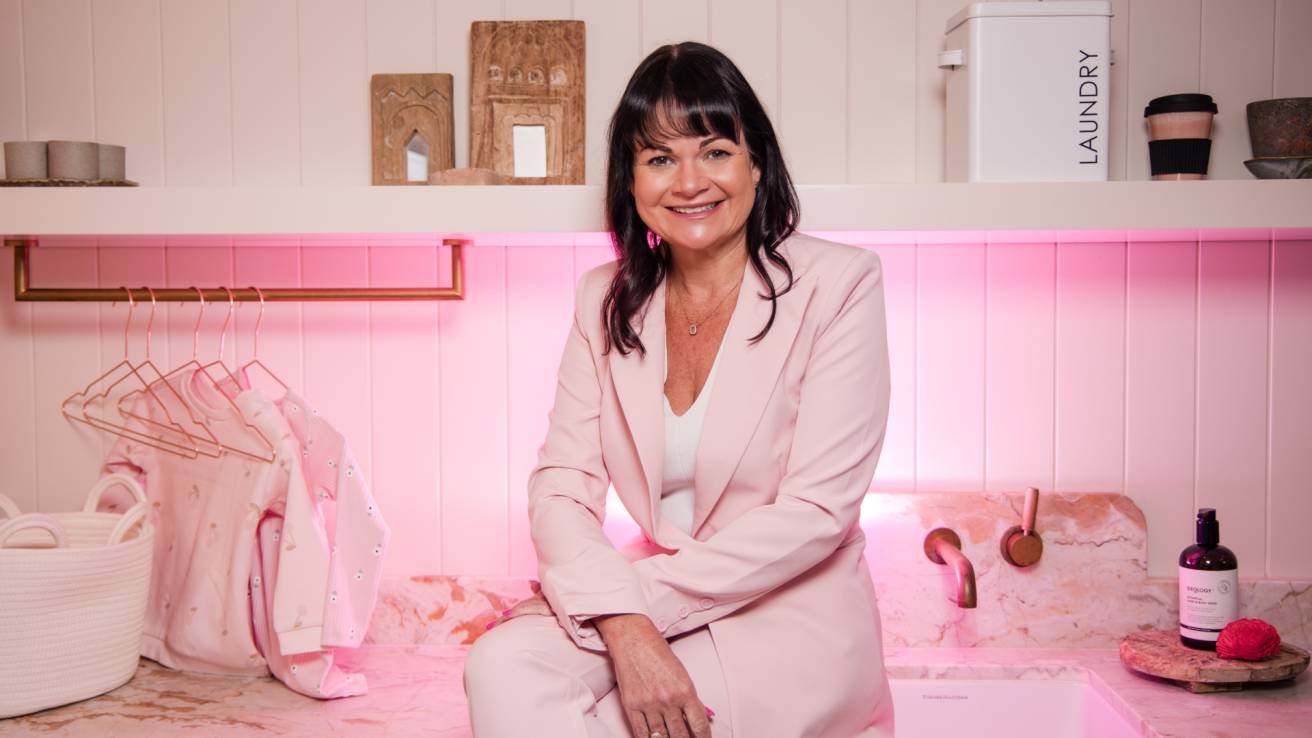
"What Susan has done," says one retail analyst, "is successfully commoditize a bespoke service. Laundry is personal, but the logistics of it should be professional. By removing the friction of booking, they are effectively turning a chore into a utility, much like electricity or internet service."
Implications for the Domestic Services Sector
The implications of this launch extend far beyond the laundry basket. The Laundry Lady is providing a blueprint for other gig-economy and domestic service startups in Australia.
1. Standardization of Quality
One of the greatest risks in the domestic services industry is the variability of quality. By integrating a feedback and rating system into the app, The Laundry Lady ensures that performance metrics are transparent. This creates a self-regulating ecosystem where top-performing contractors are incentivized to maintain high standards, as their digital profile directly influences their future booking volume.
2. Market Consolidation
The launch of this app potentially puts The Laundry Lady in a position to dominate the market. As smaller, independent laundry services struggle to keep up with the digital expectations of modern consumers, they may find it increasingly difficult to compete. This could lead to a wave of consolidation, where independent operators choose to join the Laundry Lady platform to gain access to the app’s robust booking engine rather than building their own.
3. The Future of Work
For the contractors—the "Laundry Ladies" themselves—the app provides a level of autonomy that was previously difficult to manage. The ability to toggle availability, view routes, and manage client communications from a mobile device allows for a more flexible "side hustle" or full-time career. This technological empowerment is likely to attract a wider pool of contractors, further strengthening the company’s supply-side resilience.
Challenges and Future Horizons
Despite the optimism surrounding the app’s launch, the company faces the inherent challenges of scaling a tech-enabled service business. Maintaining the app’s performance, ensuring data privacy for thousands of households, and keeping the software updated against evolving cybersecurity threats are now part of the company’s operational burden.
Furthermore, as the company grows, it must ensure that the "human touch"—the very thing that defined its brand early on—is not lost to automation. The challenge for the management team will be to balance the efficiency of the algorithm with the personalized, community-focused service that has earned the company its loyal customer base.
Looking forward, one might expect the company to explore further integrations. Could we see API integrations with smart home devices? Perhaps subscription-based laundry models where the app automatically schedules a pickup when a household’s typical laundry interval has passed? The technical foundation is now in place for such innovations.
Conclusion
The Laundry Lady’s transition from a service-led business to a tech-enabled platform is a testament to the maturation of the Australian startup ecosystem. By prioritizing the user experience and investing in the digital tools required to scale, the company has successfully navigated the "middle-growth" trap that claims many successful small businesses.
As the app gains traction and the company collects more granular data, The Laundry Lady is poised to solidify its position as a market leader. For consumers, the promise is simple: a cleaner home with less effort. For the business, the promise is even greater: a scalable, sustainable, and highly efficient engine that proves that even the oldest household chores are ripe for modern, digital-first disruption.
As the industry watches, the success of this app will serve as a bellwether for the domestic service sector. If it succeeds in capturing the market, it will likely trigger a digital arms race, pushing other providers to modernize or risk being left in the wash. For now, Susan Toft and her team have set the bar, and the laundry industry has officially entered the era of the app.