Somewhere within the depths of your existing email list lies a goldmine of untapped growth. Among your thousands of subscribers, there is a core segment of customers who genuinely adore your product. They have purchased multiple times, they have left glowing reviews, and they are already primed to act as brand evangelists. Yet, for most entrepreneurs, this potential remains dormant.
Many founders treat their referral programs like a forgotten gym membership: they possess the "infrastructure" in the form of a static link buried in a website footer, but it hasn’t seen meaningful activity in months. This oversight is costly. In an era where customer acquisition costs (CAC) are skyrocketing across paid social and search, the most effective marketing strategy—word-of-mouth—is often left to chance.
Building a true "referral engine" requires a departure from treating referrals as a passive website feature. Instead, it demands a deliberate, automated, and human-centric strategy that integrates seamlessly into the customer lifecycle.
The Strategic Importance of Referral Infrastructure
Why Referrals Outperform Traditional Channels
When a trusted friend recommends a product, the traditional sales funnel is effectively bypassed. The prospect doesn’t need to read dozens of third-party reviews or spend hours comparing technical specifications. The vetting process has already been completed by someone they trust.
Data consistently shows that referred customers boast higher lifetime values (LTV), lower churn rates, and significantly higher conversion rates compared to those acquired through paid advertising. Because your customers inherently understand who within their social circle would benefit from your product, they perform a level of hyper-targeted prospecting that no algorithm can replicate. By shifting from a "passive page" to an "active referral engine," brands can capitalize on this existing trust, transforming their best customers into an outsourced, high-performing sales force.
The Anatomy of an Engine
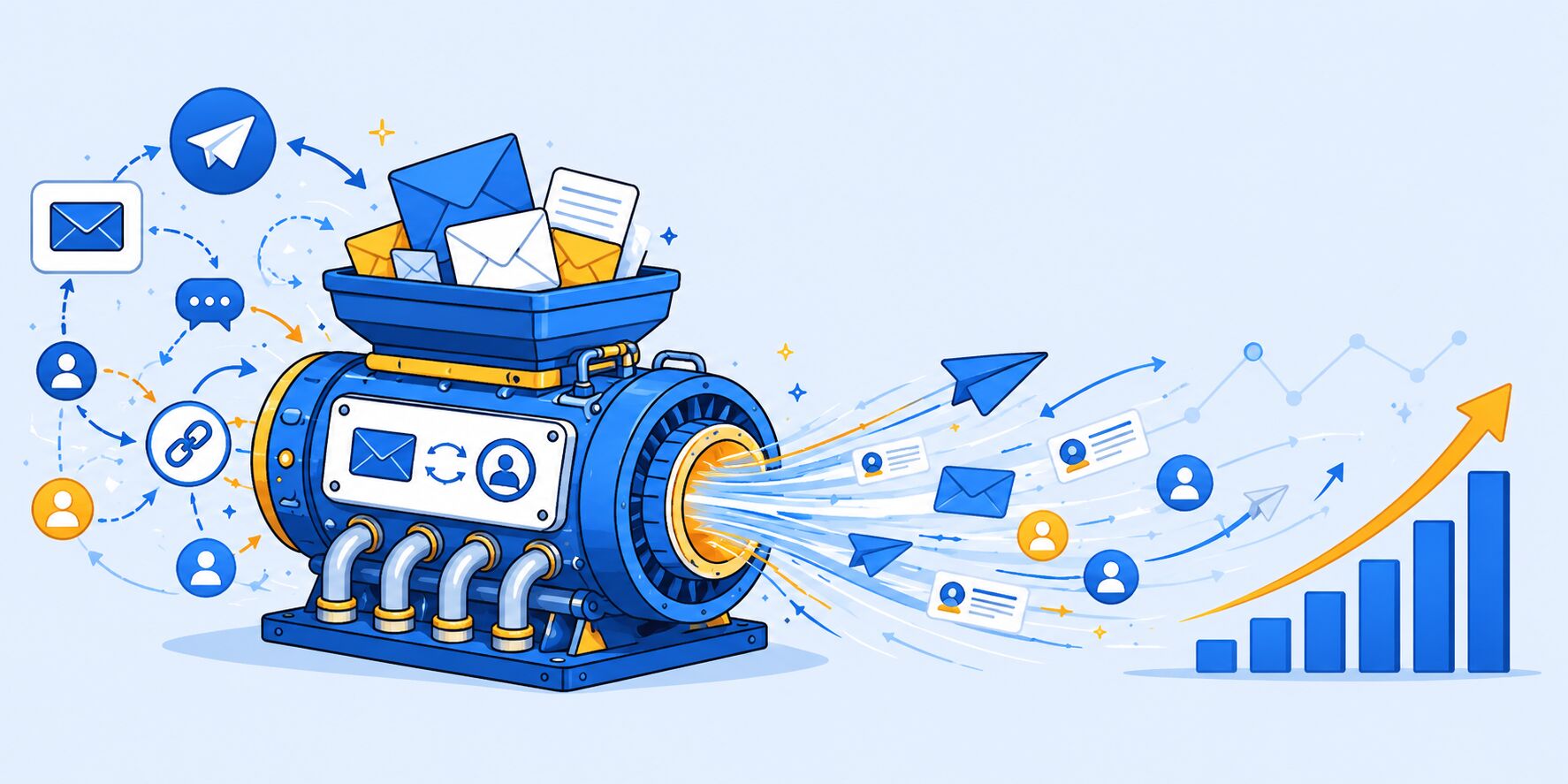
A referral engine is not a static destination; it is a systematic approach to word-of-mouth marketing. It requires:
- A Trigger: A specific, positive customer action that cues an invitation.
- A Segmented Audience: Targeting only those who are genuinely satisfied.
- Low-Friction Execution: Making the sharing process effortless.
- Compelling Incentives: A value proposition that benefits both the referrer and the referee.
The Chronology of an Effective Referral Loop
To implement an engine that scales, founders must map the customer journey to identify the "Moments of Delight."
Phase 1: Identifying the Moment of Delight
Timing is the most overlooked variable in referral strategy. A generic solicitation for a referral sent in a standard, automated newsletter is easily ignored—it is essentially "wallpaper." However, an invitation sent immediately following a positive interaction carries immense weight.
Key moments to trigger an automated referral request include:
- The Post-Purchase Peak: Two or three days after a second or third successful delivery.
- The Feedback Loop: Immediately following a five-star review or a high-scoring Net Promoter Score (NPS) survey.
- Direct Interaction: A positive reply to a customer service email or a social media mention.
By automating these triggers, you ensure that the request feels like a natural conversation rather than an "extraction attempt."
Phase 2: Friction Reduction
If it takes more than fifteen seconds to refer a friend, you have already lost the majority of your potential ambassadors. Friction is the silent killer of referral programs. To maximize volume, you must:
- Automate Attribution: Every customer should receive a unique, trackable link that eliminates the need for manual codes.
- Pre-Write the Copy: Provide a short, human-centric message that the customer can send via SMS, WhatsApp, or email with a single tap.
- Meet Them Where They Are: Ensure sharing buttons are optimized for mobile devices, where the majority of peer-to-peer communication happens.
Supporting Data and Strategic Implications
The "Double-Sided" Reward Imperative
One-sided rewards—where only the referrer receives a benefit—often fail because they create an uncomfortable transactional dynamic. When a customer stands to gain financially from a friend’s purchase, the recommendation can feel "grubby" or insincere.
Conversely, a "Give $10, Get $10" model transforms the transaction into a social favor. The referrer is seen as a benefactor providing their friend with a discount, while the friend feels welcomed by an immediate value proposition. This alignment of incentives ensures that both parties feel they have "won," which in turn strengthens the brand’s reputation.
The Danger of Broad-Spectrum Blasts
A critical mistake in referral marketing is the "batch and blast" approach. Sending a referral request to an entire database—including customers who haven’t engaged in months—is counterproductive. It dilutes the perceived value of your brand and trains your list to ignore your future communications.
Instead, utilize robust segmentation. Focus your referral efforts on your "superfans"—the repeat buyers and high-engagement users. Tools like Omnisend allow brands to isolate these segments and integrate them with loyalty platforms like Smile or Yotpo. By automating the "plumbing" of points, tiers, and tracking, you allow your team to focus on the creative aspect of the strategy: crafting an invitation that is genuinely worth saying "yes" to.
Implications for Modern Founders
The shift toward a formal referral engine has profound implications for a company’s P&L statement. By institutionalizing word-of-mouth, brands can achieve:
- Sustainable CAC Reduction: As the referral engine scales, the reliance on volatile paid media channels decreases, stabilizing marketing budgets.
- Higher Quality Leads: Referred customers enter the ecosystem with a pre-existing bias toward trust, leading to faster sales cycles and higher initial order values.
- Community Building: A well-executed referral program creates a sense of belonging among customers, turning them into stakeholders in the brand’s success.
The most unglamorous but necessary step is consistency. A referral program cannot be a "one-off" announcement. It must be woven into the fabric of your communications: in post-purchase receipts, periodic newsletters, and dedicated lifecycle flows. By keeping the program visible, you ensure that when a friend eventually asks, "Where did you get that?", your customer immediately remembers their link.
Conclusion: Engineering Generosity
At its core, a referral engine is simply the formal infrastructure for a phenomenon that is already occurring: your customers are likely talking about you. The question is whether you have made it easy for those conversations to travel and whether you have established a system to reward the participants.
By automating the "ask" at the peak of the customer experience, incentivizing both sides of the transaction, and removing all technical friction, you turn a passive base into a compounding growth machine.
For those looking to build this infrastructure, platforms like Omnisend provide the necessary tools to automate these complex loops, handle segmentation, and manage reward distributions seamlessly. In a market where attention is the scarcest currency, the most effective marketing isn’t an ad—it’s a recommendation from a friend. Make it easy for them to speak, and they will help your brand grow exponentially.
For Foundr readers ready to optimize their referral infrastructure, use code FOUNDR50 when signing up for Omnisend to receive 50% off your first three months. If you are migrating from another platform, take advantage of their white-glove migration service, which handles the transfer of all flows, lists, and templates in five days—completely free of charge.