The digital landscape has undergone seismic shifts over the past few years, with Meta—the parent company of Facebook and Instagram—at the epicenter of these changes. From the global rebranding in late 2021 to the ongoing integration of e-commerce, AI-driven automation, and the pivot toward the Metaverse, Meta’s strategic trajectory has fundamentally altered how brands, creators, and users interact online.
This report synthesizes the evolution of Meta’s platform updates from 2020 through the end of 2022, examining the shift from a social networking hub to an integrated, automation-heavy ecosystem.

The Strategic Shift: From Social to Commercial Ecosystem
Between 2020 and 2022, Meta transitioned from focusing purely on social connectivity to becoming a powerhouse for commerce and creator monetization. The company’s focus on the "Metaverse," the expansion of "Shops," and the aggressive push into short-form video via Reels were not merely feature updates; they were defensive and offensive maneuvers against competitors like TikTok and responses to shifting regulatory environments, particularly Apple’s iOS 14 privacy changes.
Chronology of Key Milestones
- 2020: The year was defined by the pandemic-driven pivot to live video and small business support. Features like "Live Shopping," the introduction of "Facebook Shops," and the "CatchUp" app defined this era.
- 2021: The focus shifted toward privacy compliance and ad-tech transparency. Major developments included the introduction of the Business Suite, the integration of Messenger API for Instagram, and the rollout of IGTV ads.
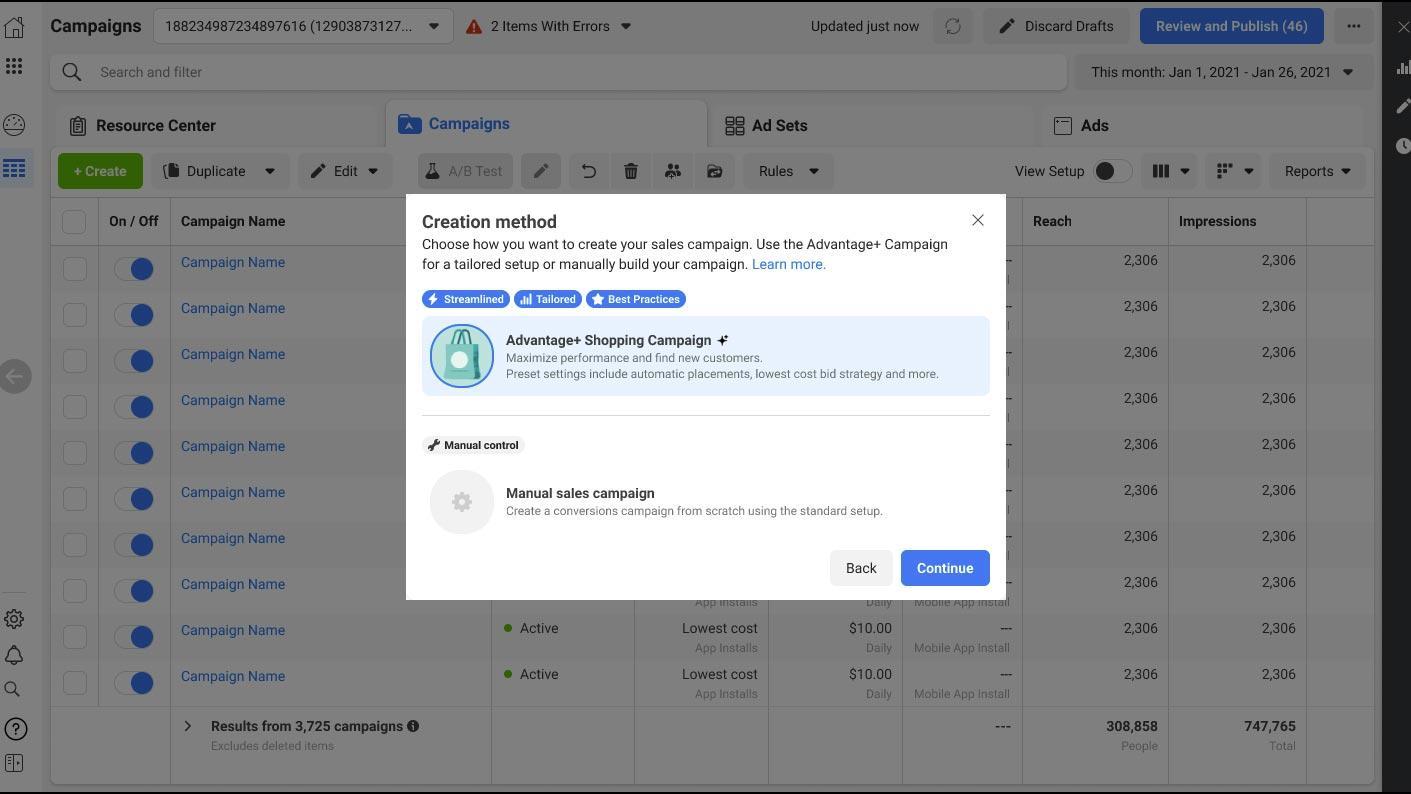
- 2022: The year of automation and creator-led commerce. Meta focused on Advantage+ campaigns, Reels monetization, and the integration of native scheduling tools, signaling a move toward a "set-it-and-forget-it" model for advertisers.
Supporting Data: The Impact of Automation and Privacy
The data underlying Meta’s updates suggests a move toward machine learning to mitigate the loss of granular user tracking. Following the rollout of Apple’s AppTracking Transparency (ATT) in 2021, Meta reported significant headwinds in ad attribution. In response, the company doubled down on Advantage+ campaigns. By leveraging machine learning to automate creative testing and audience targeting, Meta aimed to maintain high ROI for advertisers despite the restricted data environment.
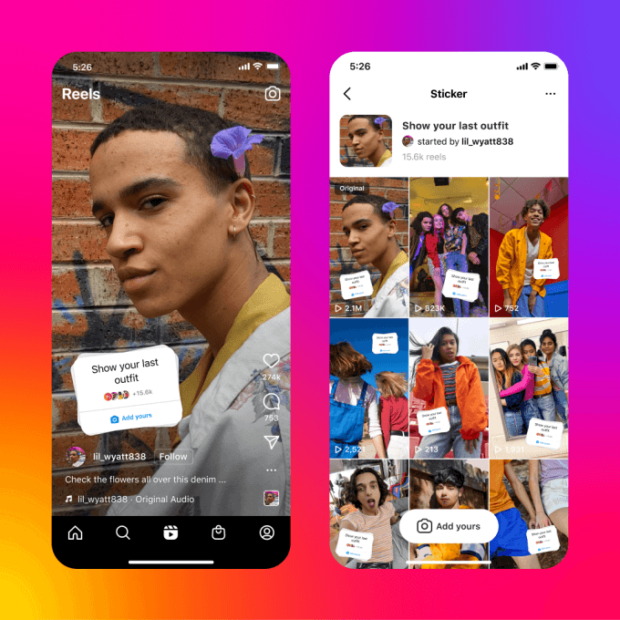
Furthermore, internal metrics consistently highlighted a shift in user behavior. By 2022, Meta’s data showed that short-form video (Reels) had become the primary driver of engagement. This forced a platform-wide restructuring where standard video posts were automatically converted into Reels to capitalize on algorithmic preference.
Official Responses and Platform Governance
Meta’s communications throughout this period have consistently prioritized three pillars: Brand Safety, Intellectual Property Protection, and User Privacy.
Brand Safety and Content Moderation
As advertiser anxiety grew regarding ad placement alongside polarizing content, Meta invested heavily in brand suitability. The accreditation from the Media Rating Council (MRC) in late 2022 for content-level Brand Safety on Facebook was a watershed moment. It signaled to major corporate advertisers that the platform had developed the controls necessary to prevent ads from appearing next to "unsuitable" content.

The Privacy Conundrum
Meta’s response to the California Consumer Privacy Act (CCPA) and the broader push for privacy was the "Limited Data Use" feature. By allowing businesses to process data as a "service provider" rather than a processor, Meta attempted to balance regulatory compliance with the functional needs of its advertising engine.

Implications for Marketers and Creators
1. The Rise of "Set-It-and-Forget-It" Advertising
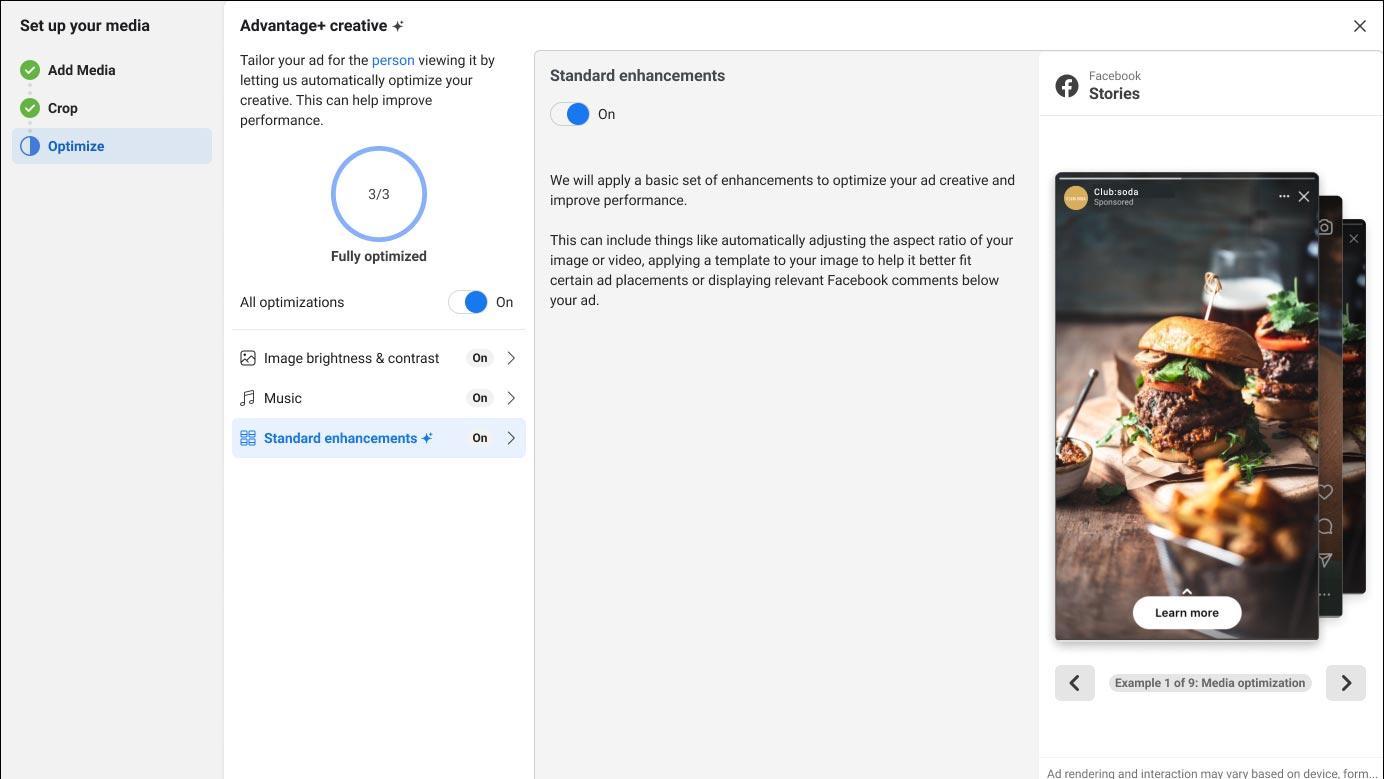
The introduction of Advantage+ creative and audience tools represents the most significant implication for advertisers. The era of manual A/B testing—while still valuable—has been superseded by algorithmic optimization. Advertisers are now encouraged to provide the "ingredients" (assets, copy, and audience guardrails) and let Meta’s machine learning determine the winning combination.
2. The Creator Economy and Monetization
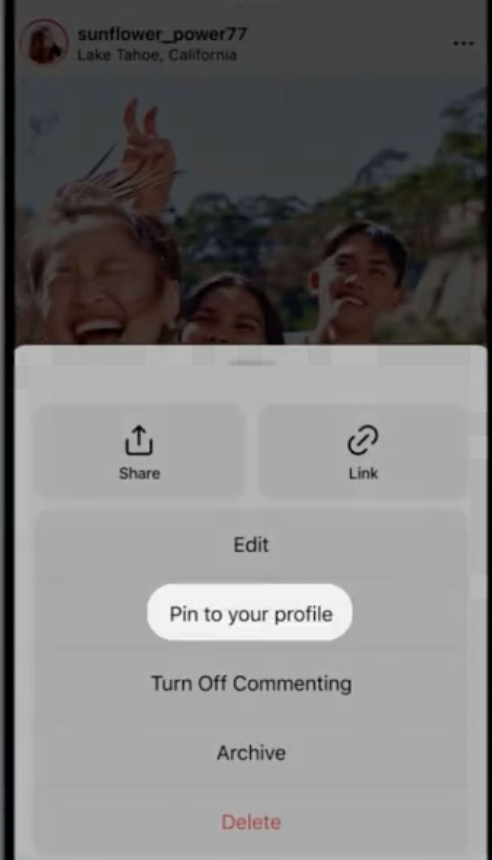
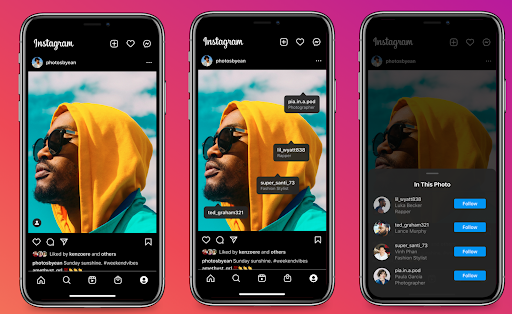
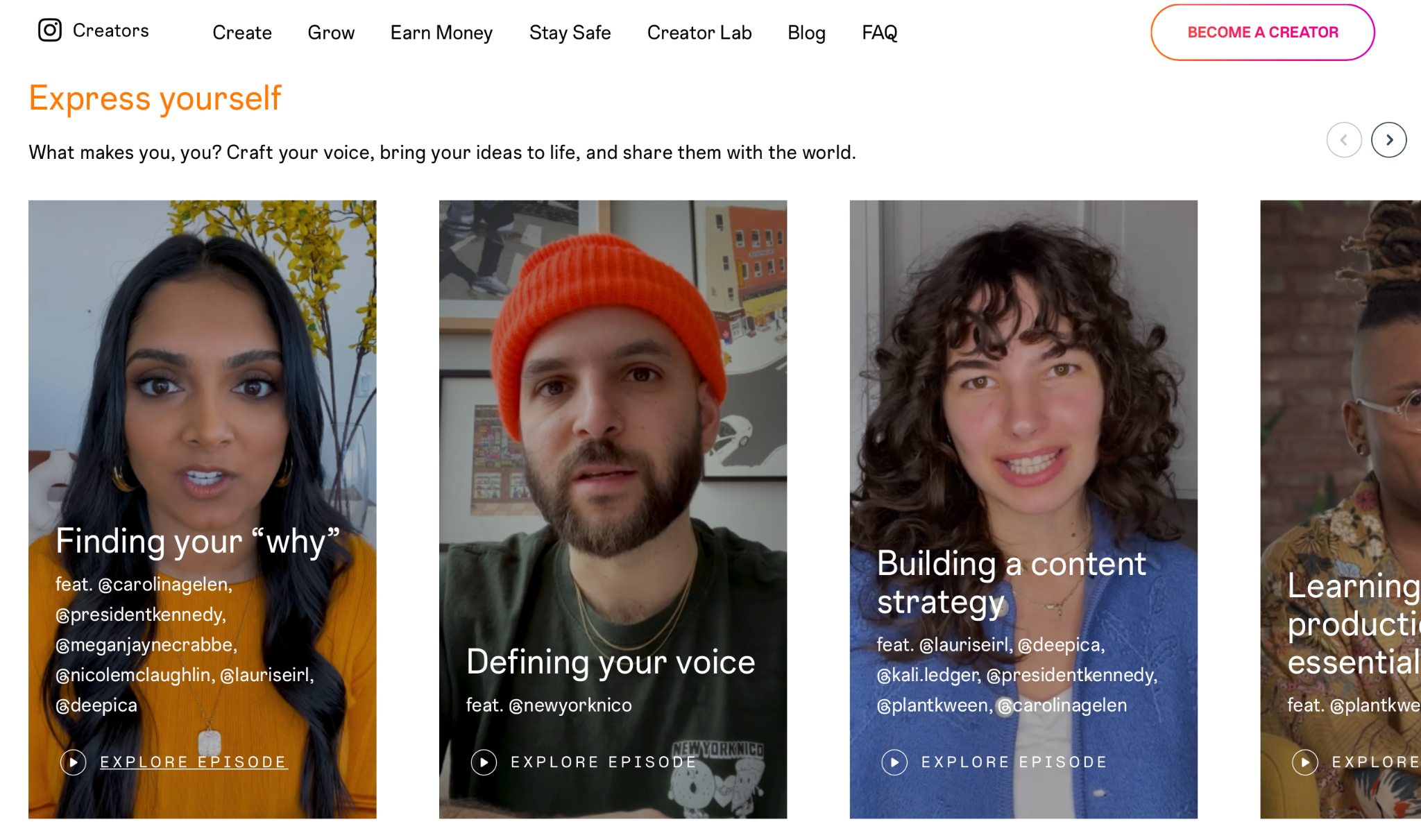
For creators, the last three years have been about diversification. The introduction of "Stars on Reels," affiliate selling tools on Instagram, and paid online events transformed the platform from a place to "post" to a place to "earn." The $1 billion investment in creators by the end of 2022 was a direct incentive to keep top-tier talent on the platform rather than migrating to YouTube or TikTok.

3. Community-Centric Marketing
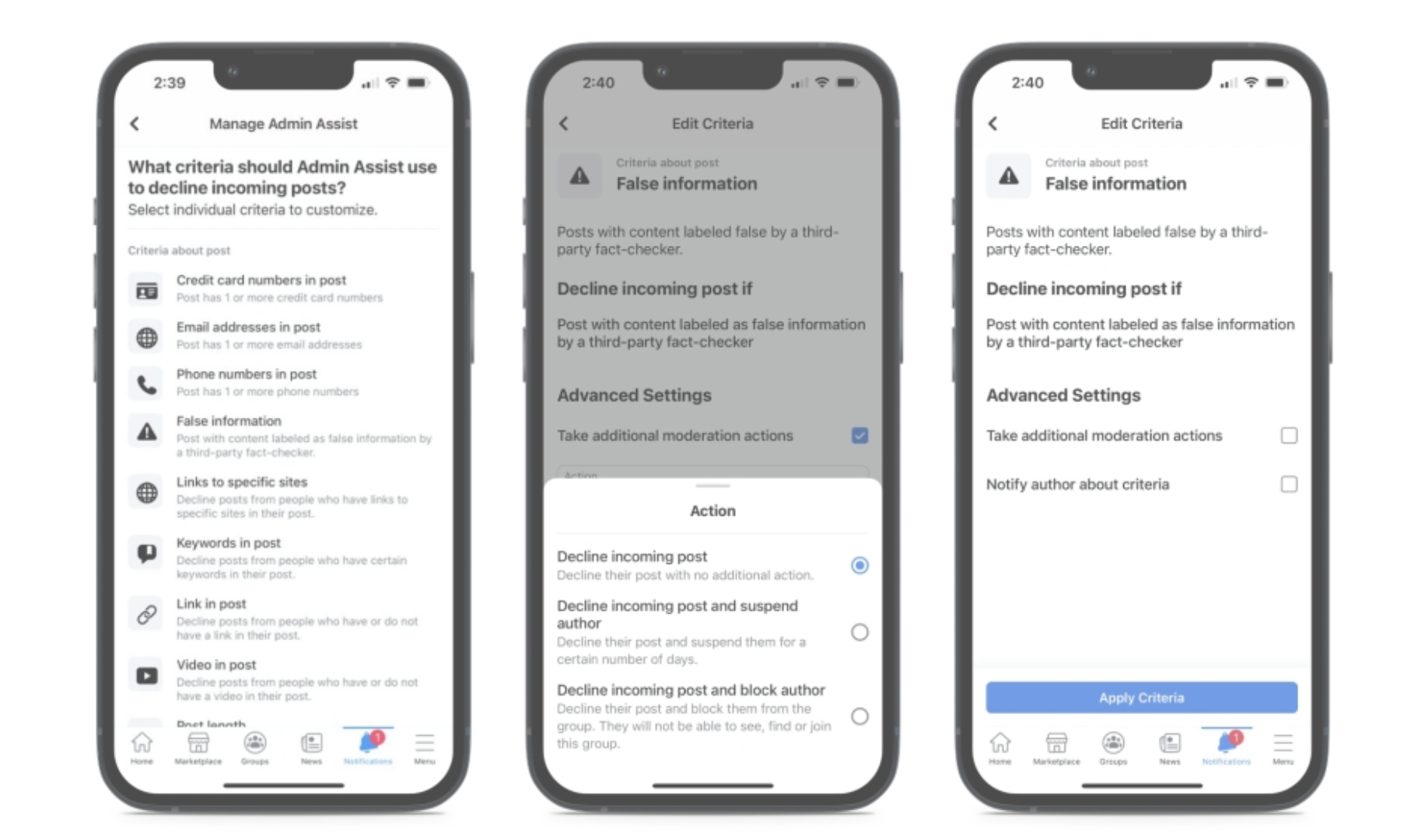
The push for Group-based engagement, moderator tools, and the Community Manager certification underscores a strategic shift: Meta wants users to move from the noisy public News Feed into smaller, high-trust "Groups." For brands, this means marketing in 2023 requires a "community-first" approach, where authentic interaction within a Group is more valuable than a generic broadcast post on a Business Page.
Future Outlook: What to Expect Post-2022
Looking ahead, the foundation laid during 2020–2022 points toward a few inevitable trends:
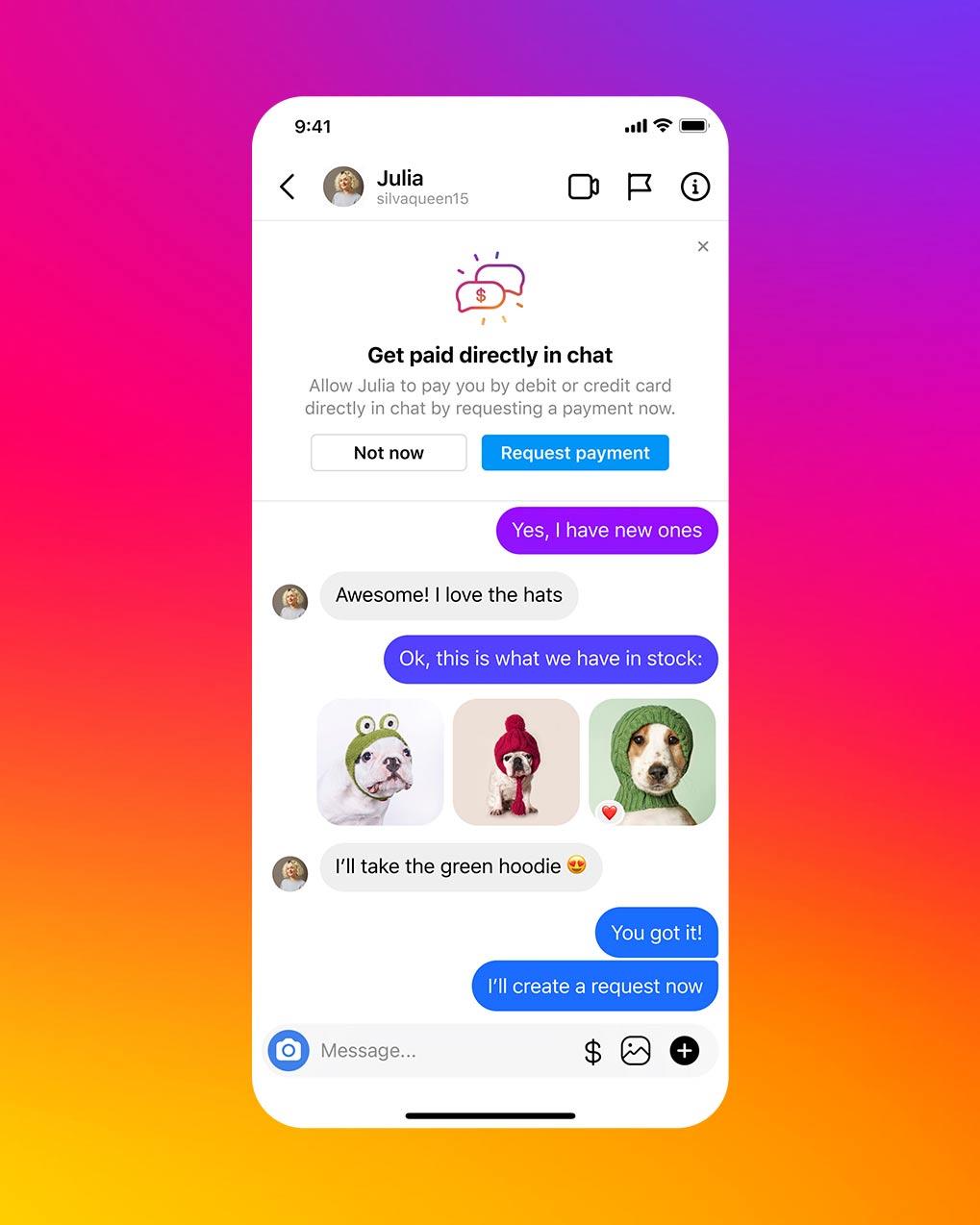
- Conversational Commerce: The integration of WhatsApp, Messenger, and Instagram DMs into a unified inbox indicates that the future of customer service is asynchronous, automated messaging. Brands that are not prepared to handle "in-chat" payments and inquiries will likely fall behind.
- The Metaverse Integration: While virtual reality headsets like the Quest have not yet become a universal household item, the infrastructure for virtual interactions (Horizon Worlds) remains a long-term R&D focus for Meta. Marketers should monitor how "in-world" ads in VR environments evolve from simple banners to interactive experiences.
- Video Dominance: The transition of all video content into the Reels format is complete. The implication is clear: if your brand cannot tell its story in 90 seconds or less with high-energy visuals, you are effectively invisible to the current Meta algorithm.
Conclusion
The period from 2020 to 2022 was a volatile, transformative chapter for Meta. The company successfully navigated a global pandemic, significant regulatory pressure regarding data privacy, and the existential threat of competing short-form video platforms. By pivoting to automation, strengthening brand safety, and aggressively funding the creator economy, Meta has positioned itself to remain the dominant advertising engine for small and large businesses alike.
As we move deeper into the current decade, the "Metaverse" vision may still be in its infancy, but the tools provided to businesses—from Advantage+ automation to native scheduling and advanced messaging APIs—provide a robust toolkit for any modern marketing strategy. The platforms have become more complex, yet ironically, more streamlined for the end-user, ensuring that Meta remains an essential, albeit evolving, utility for digital growth.