Website marketing has fundamentally shifted. For years, the digital playbook was straightforward: optimize for search engines, drive traffic to a landing page, and convert that traffic into customers. In 2026, however, that linear journey has been dismantled.

Your website remains the digital headquarters of your business, but the actual decision-making process—the "customer journey"—now largely occurs in the wild: across AI research tools, niche Reddit communities, and social media ecosystems. If your brand is not visible, credible, and trusted in those external spaces, by the time a prospect reaches your URL, they may have already ruled you out.
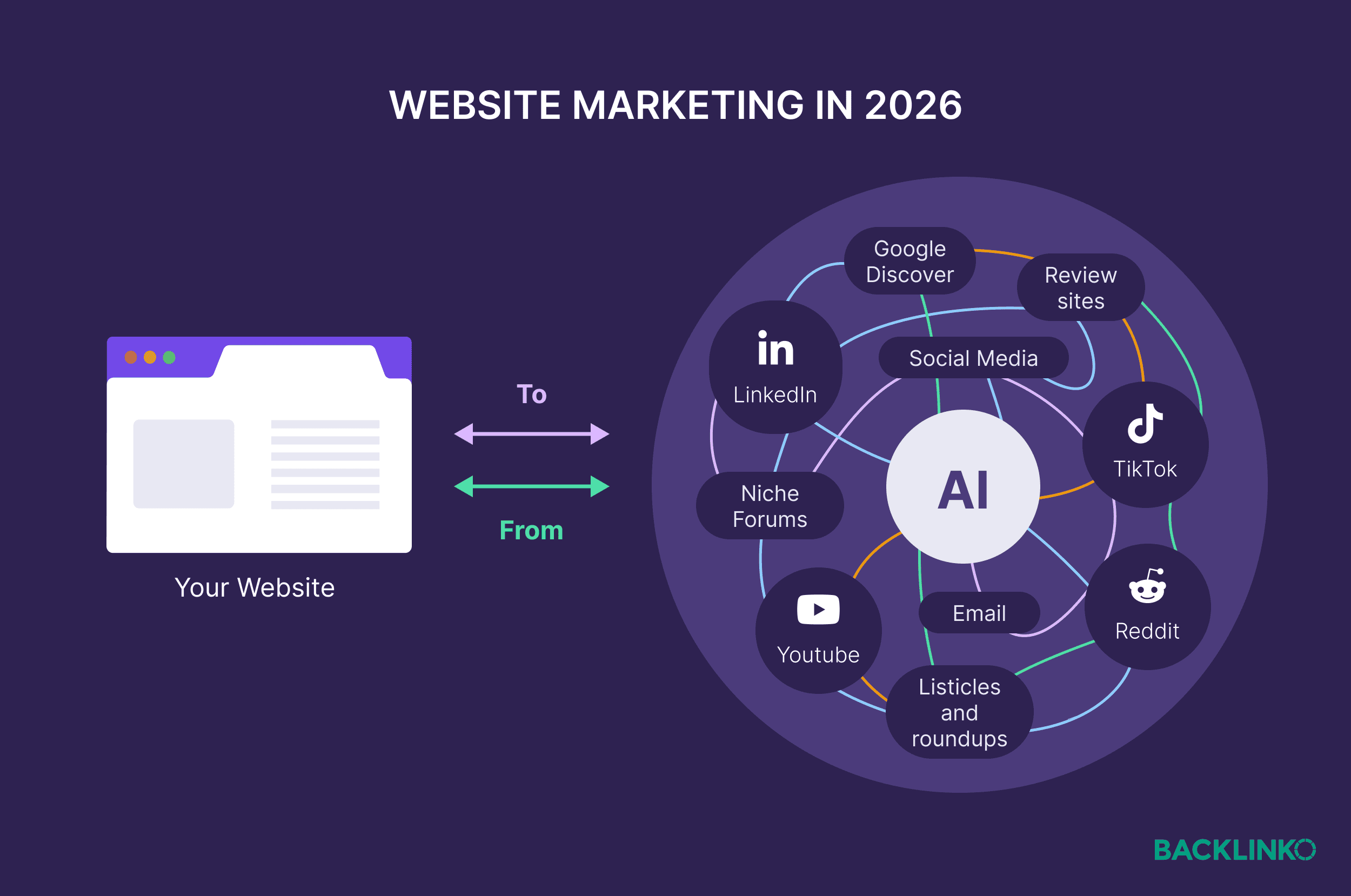
To succeed today, you must move beyond simple traffic acquisition. You need to engineer a presence that builds trust long before a potential customer clicks your link.
1. Positioning Your Brand for AI + Human Discovery
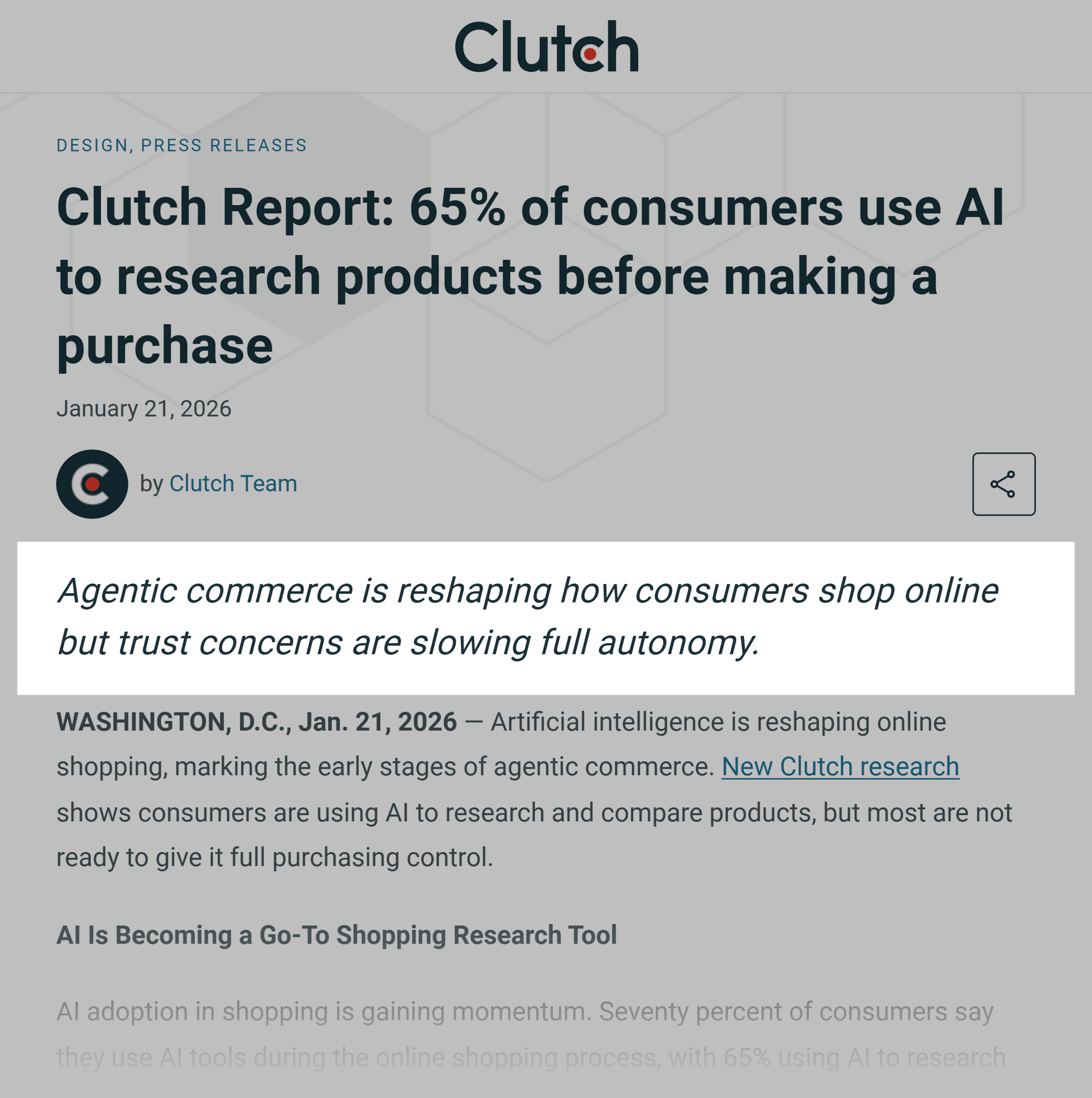
Data from Clutch Research indicates that over 65% of buyers now utilize AI tools to conduct initial product research. This represents a seismic shift: for many, the first interaction with your brand is not a visit to your website, but an AI-generated summary of who you are and what you offer.
Engineer Your "Internet Persona"
You cannot leave your brand’s reputation to the hallucinations or training data of Large Language Models (LLMs). You must proactively influence how the internet describes your business.
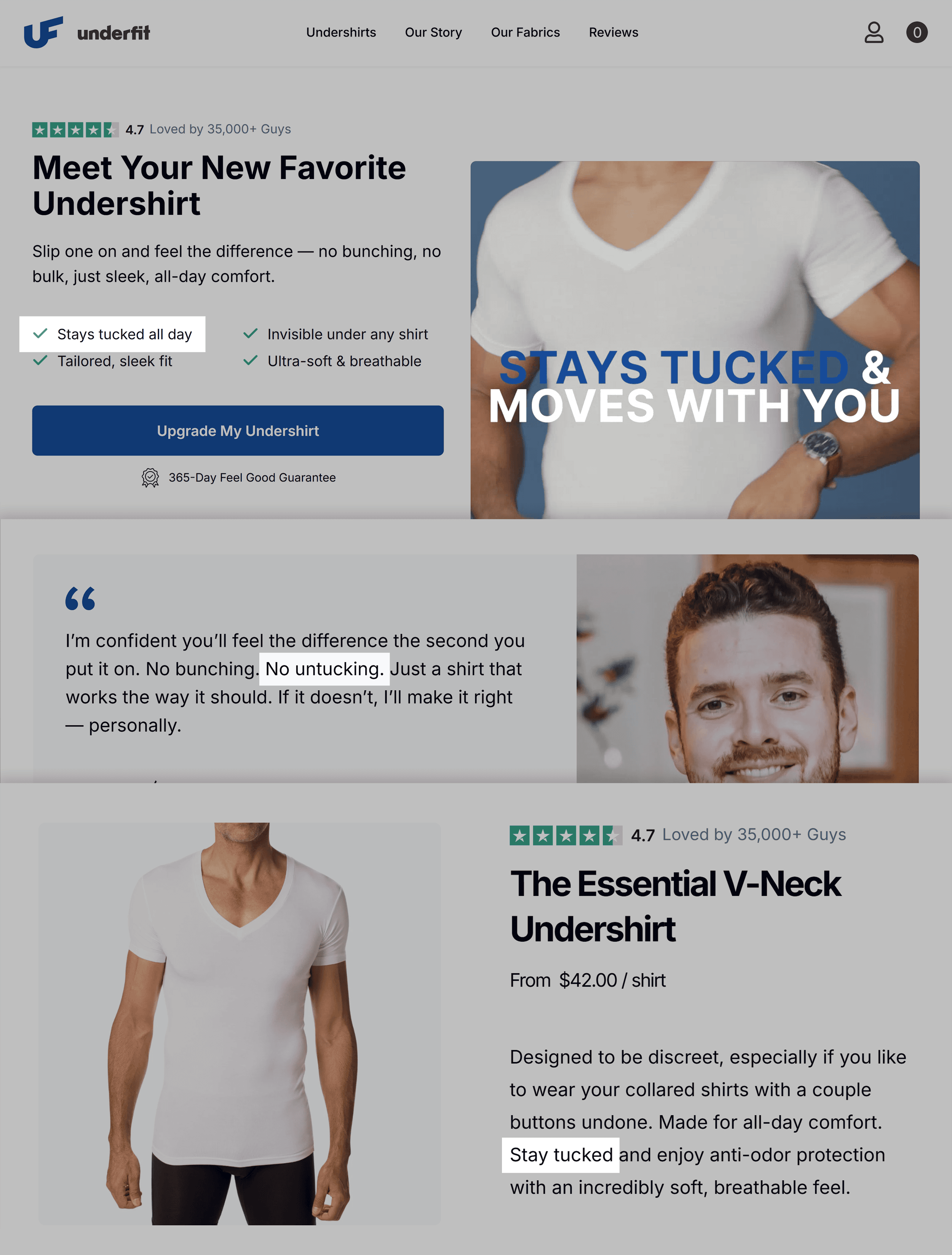
Start by documenting your brand messaging strategy. This isn’t just about a logo or a slogan; it is a source-of-truth document that defines your positioning, values, and the specific problems your product solves. Consistency is your greatest asset here. Every employee, partner, and affiliate must use the same language. When the same key phrases, benefits, and value propositions appear consistently across reviews, social media, and industry roundups, LLMs learn to associate your brand with specific, high-intent keywords.
Action Plan:
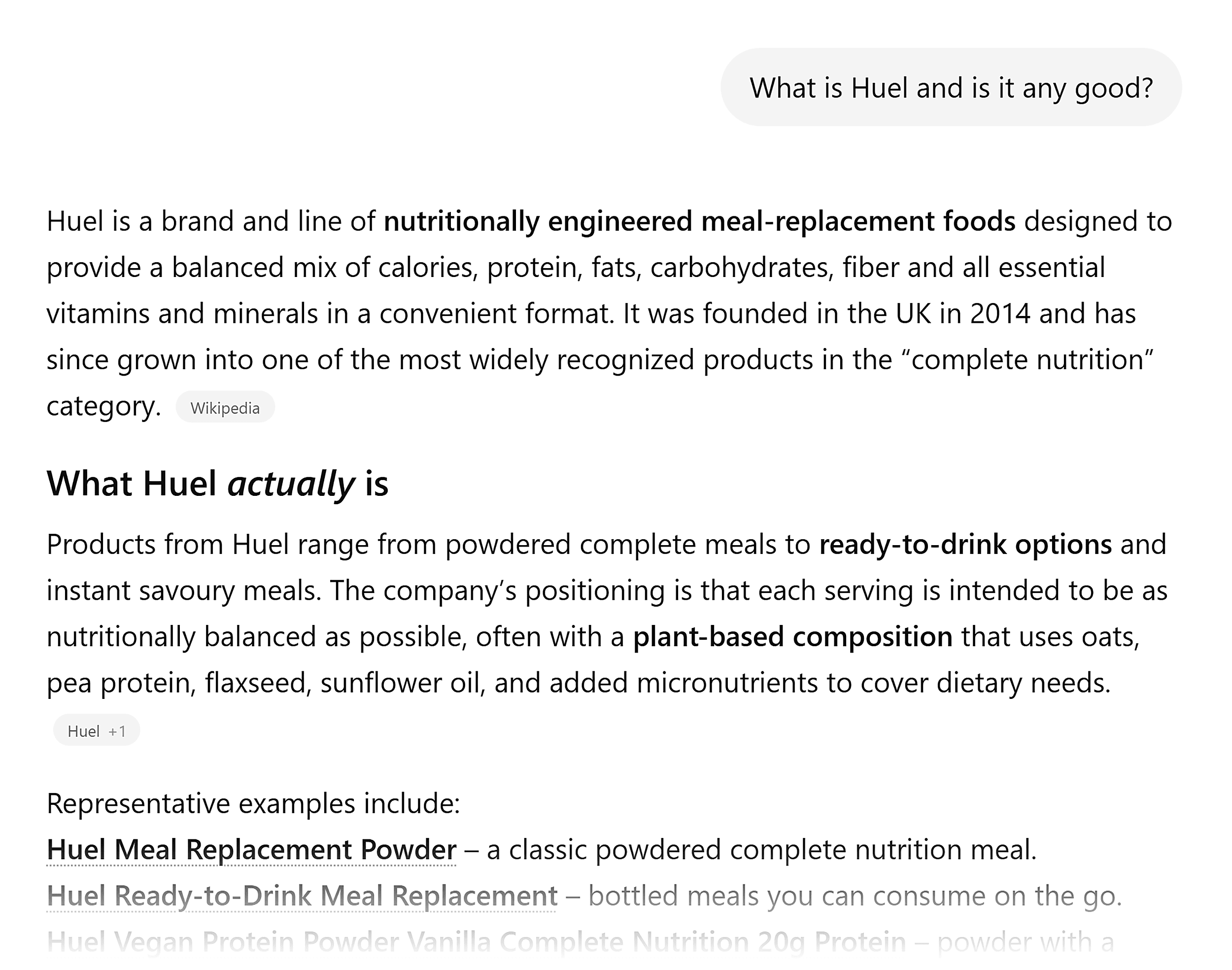
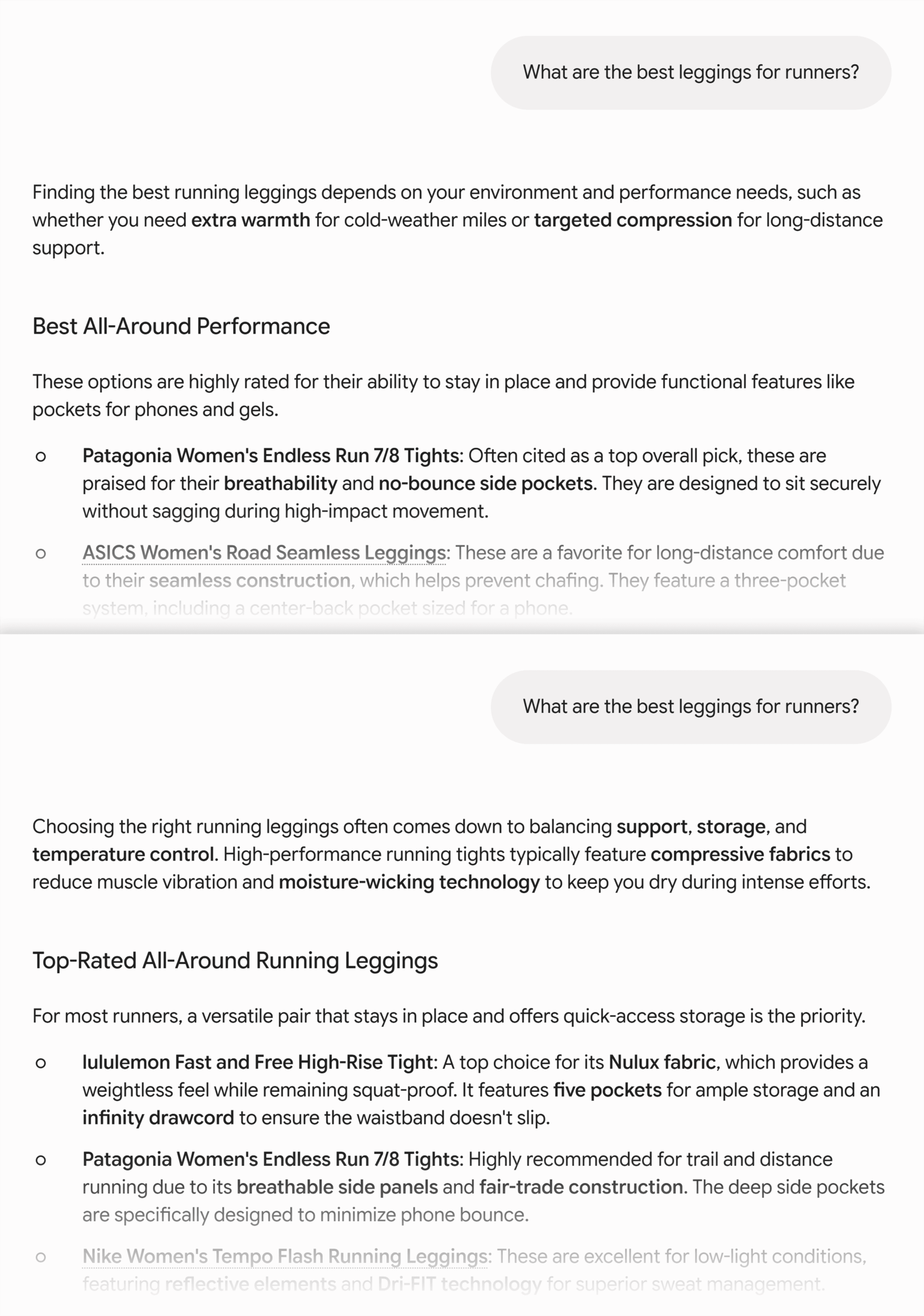
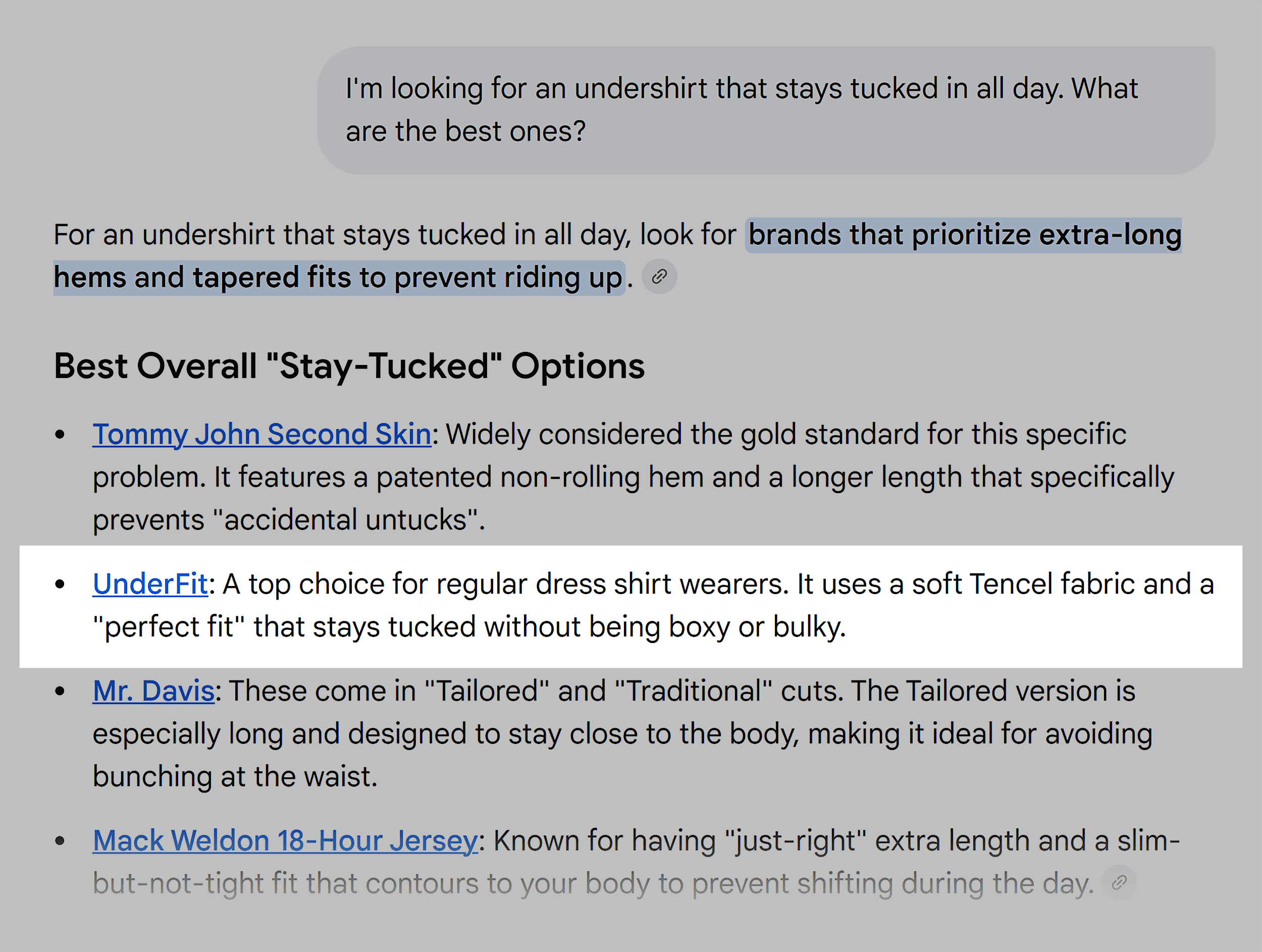
- Audit your AI footprint: Ask popular LLMs the same questions your customers ask (e.g., "What are the best tools for X?" or "Is Brand Y reliable for Z?").
- Identify gaps: Compare the AI’s output to your desired messaging. If the AI is missing key benefits, you need to increase your footprint in the places where it sources its data, such as credible industry blogs and forums.
2. Structure for Clarity: Humans and Machines
While you work to influence the external web, your website must be built for dual-audience consumption: human visitors and AI crawlers.
The Foundation of Architecture
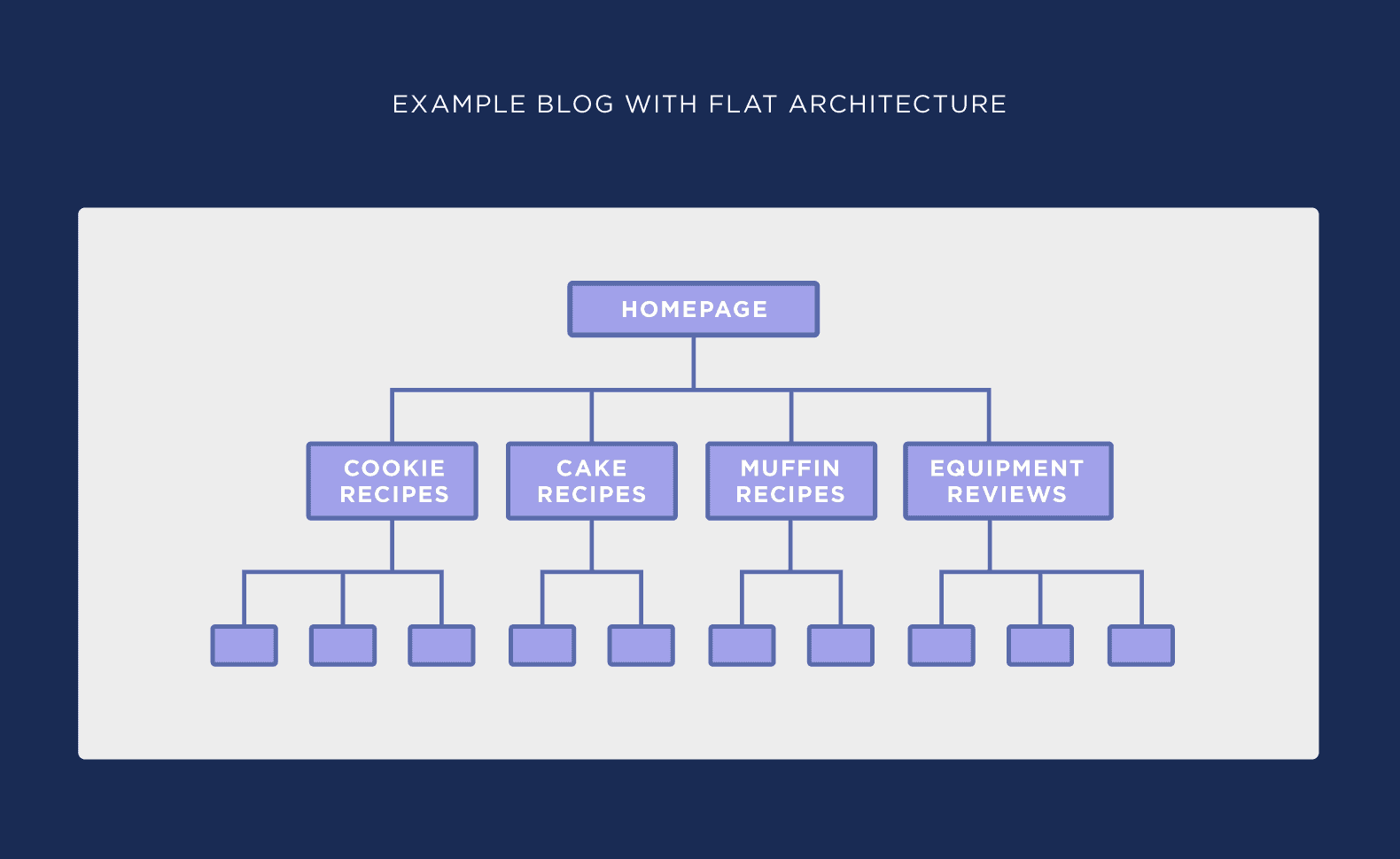
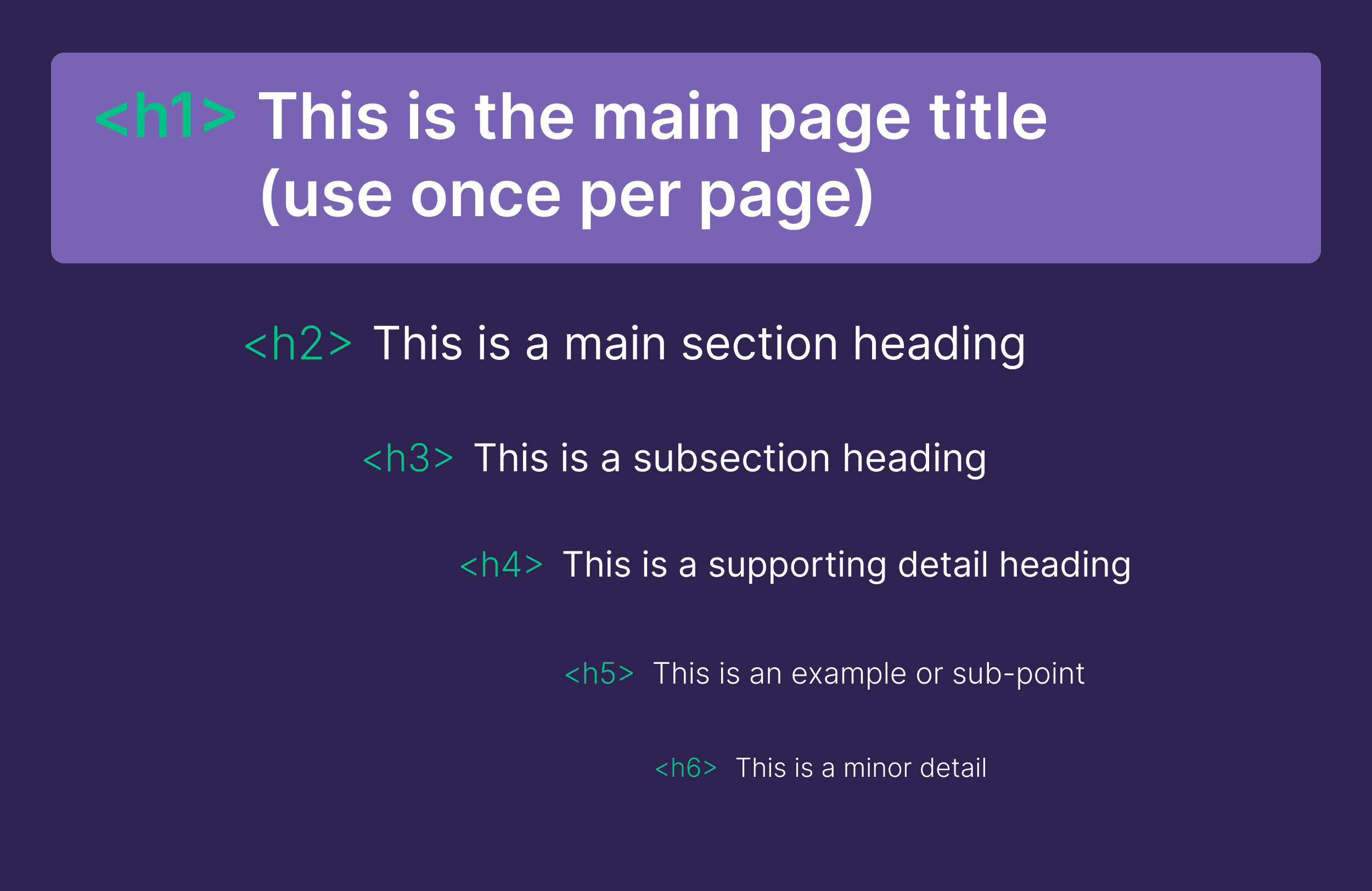
A "flat" website architecture is more important than ever. If a user—or an AI crawler—has to click six times to reach a product page, the content is effectively invisible. Use semantic HTML, clear heading tags (H1-H6), and logical category structures. These technical signals act as a map, allowing search engines and AI to understand the hierarchy of your content.
Action Plan:
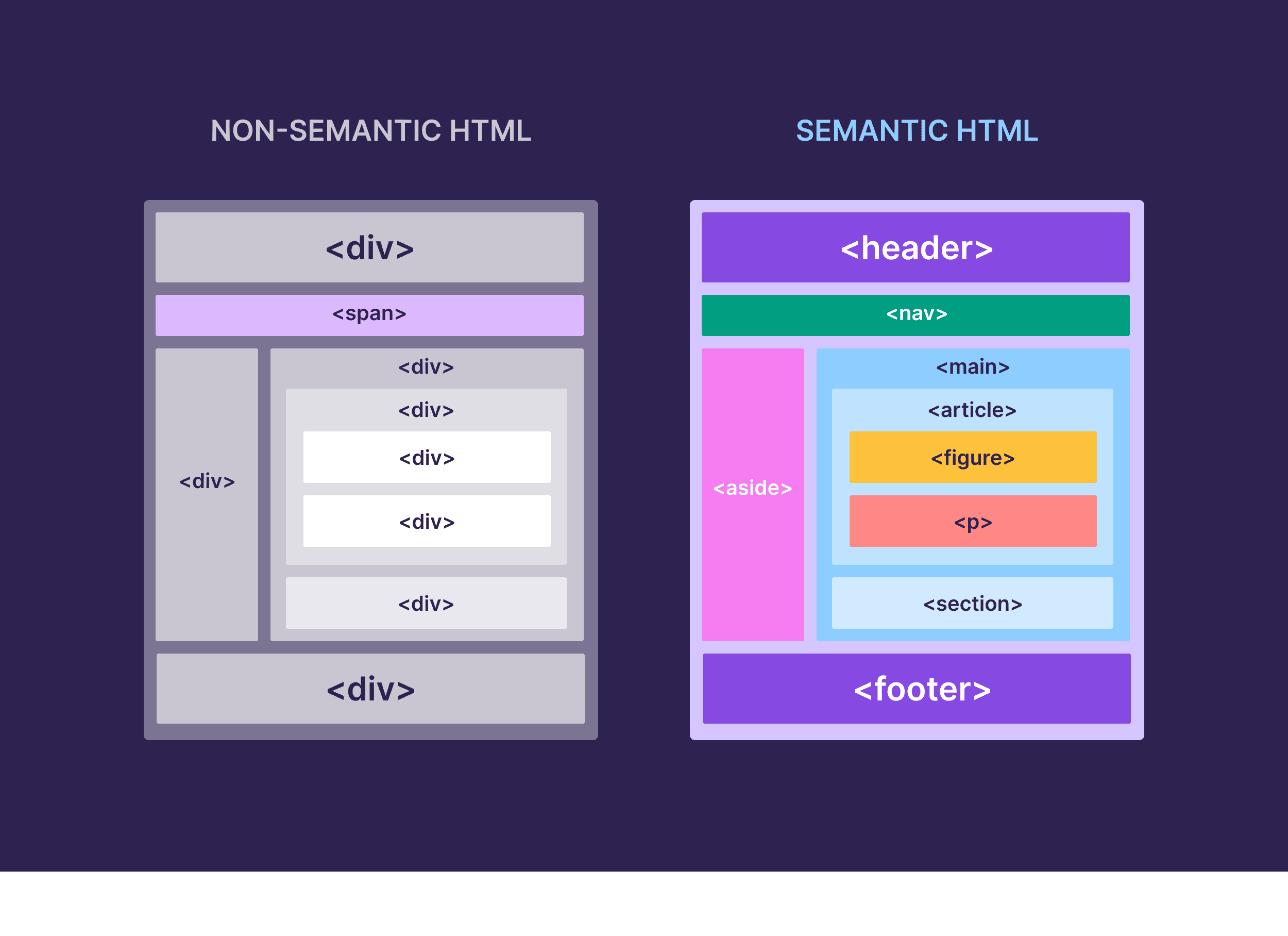
- Audit for Semantic HTML: Ensure your pages use proper structural tags (e.g.,
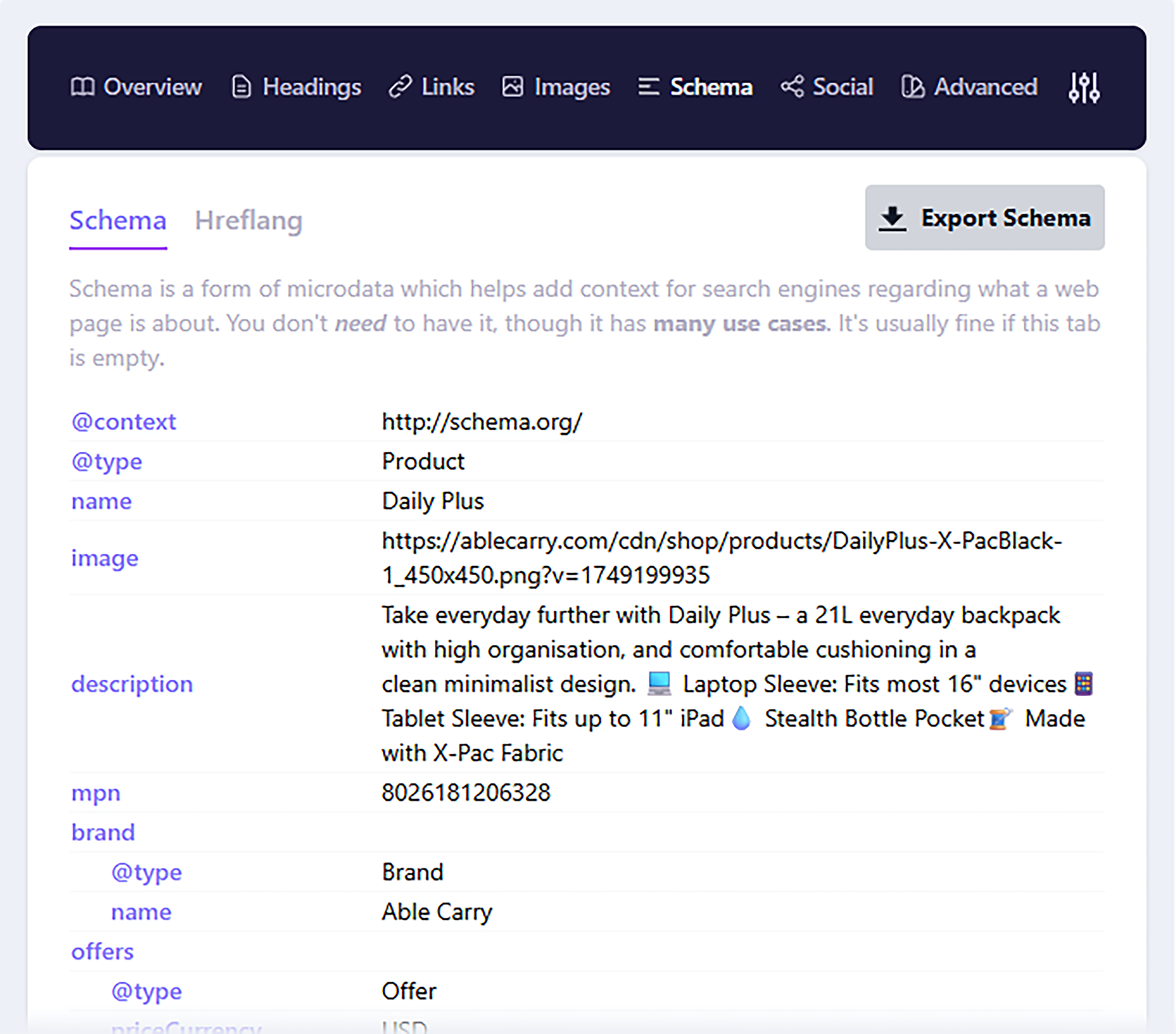
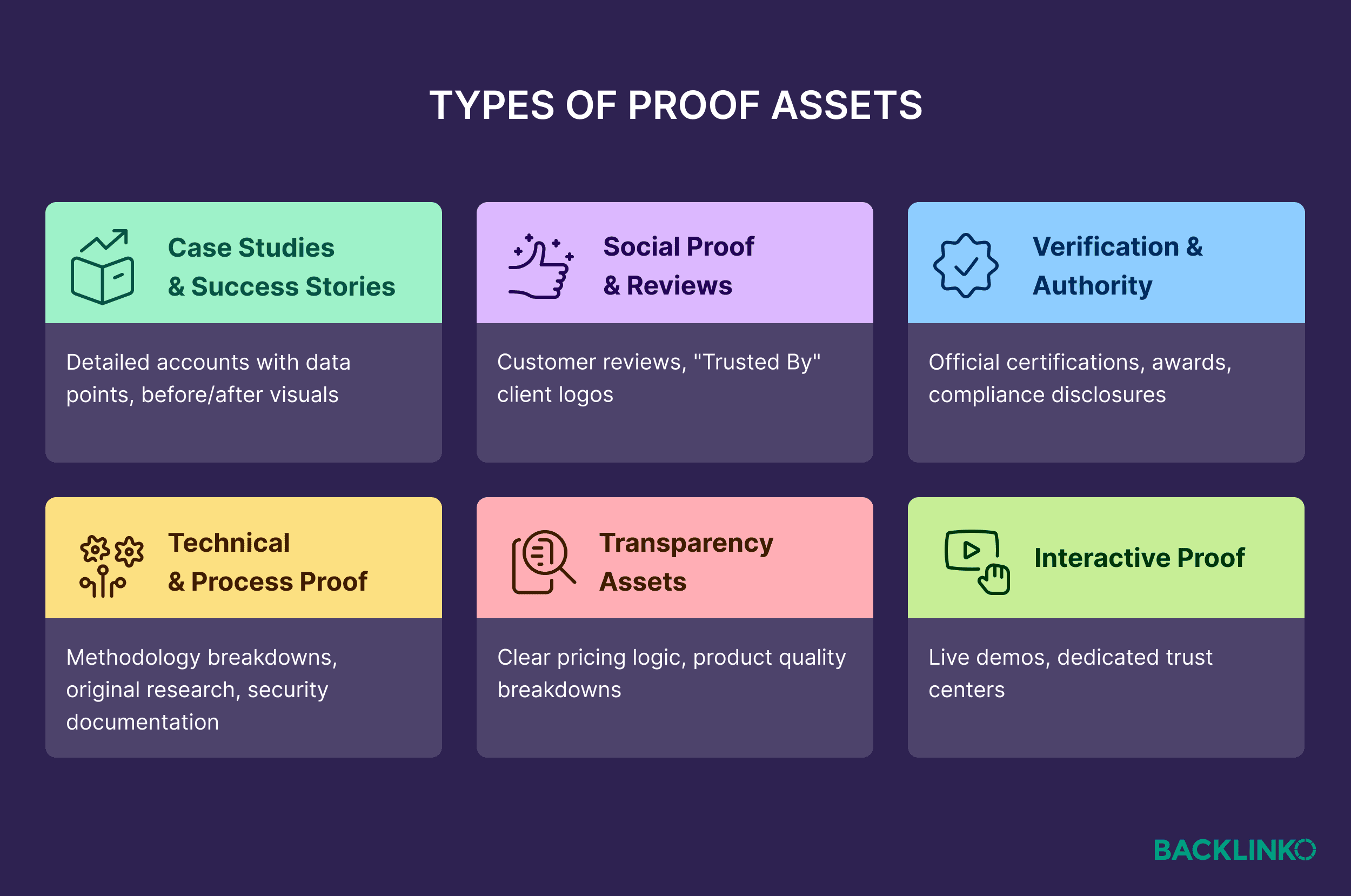
<article>,<section>,<h1>). - Publish Proof Assets: Build a library of "proof" that is easy for machines to parse. This includes case studies with measurable data, security documentation, and explicit return policies.
3. The Trust Multiplier: Video Strategy
Text can inform, but video creates familiarity. In 2026, video is the fastest way to bridge the gap between a stranger and a customer.
Long-Form vs. Short-Form
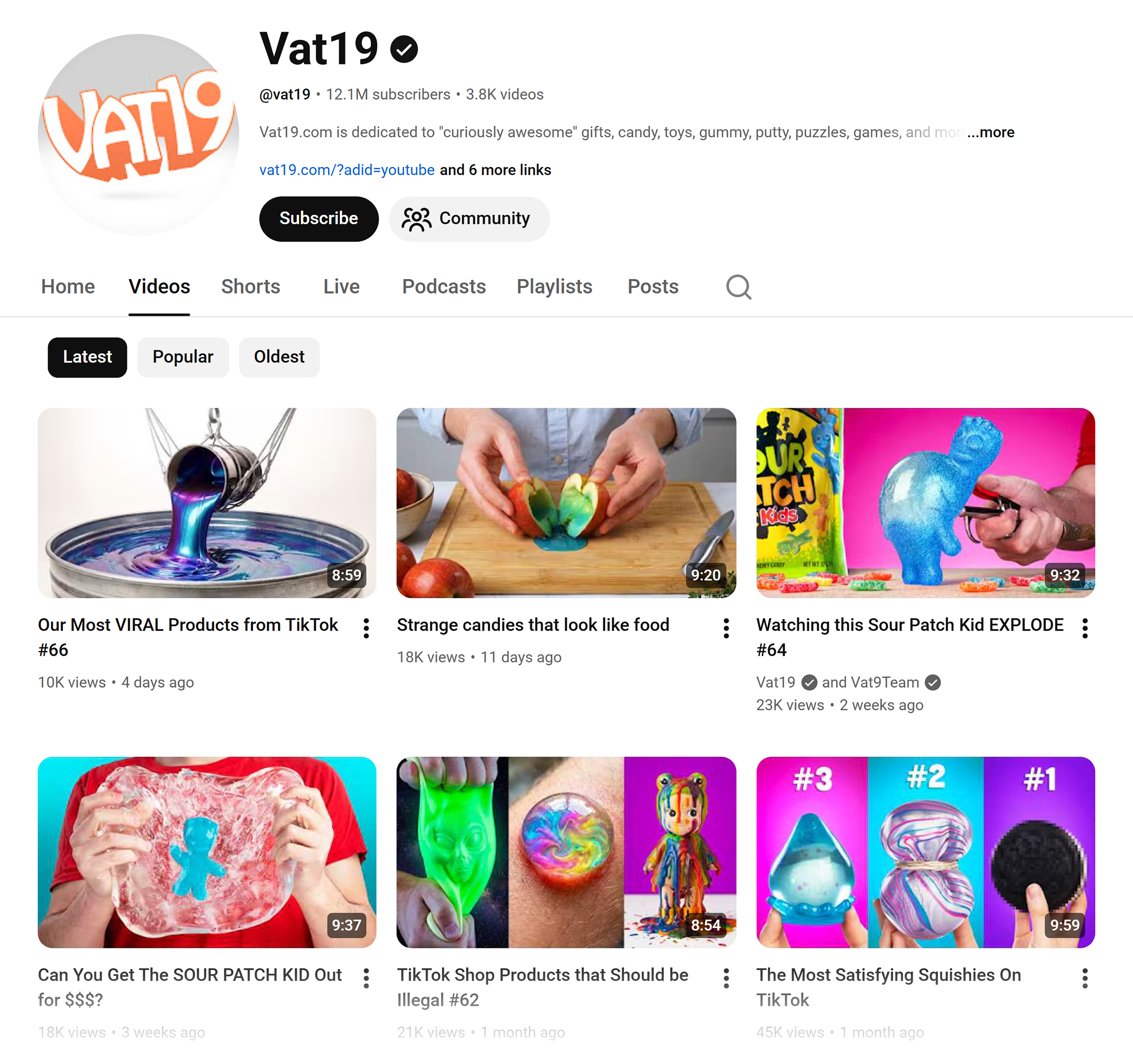
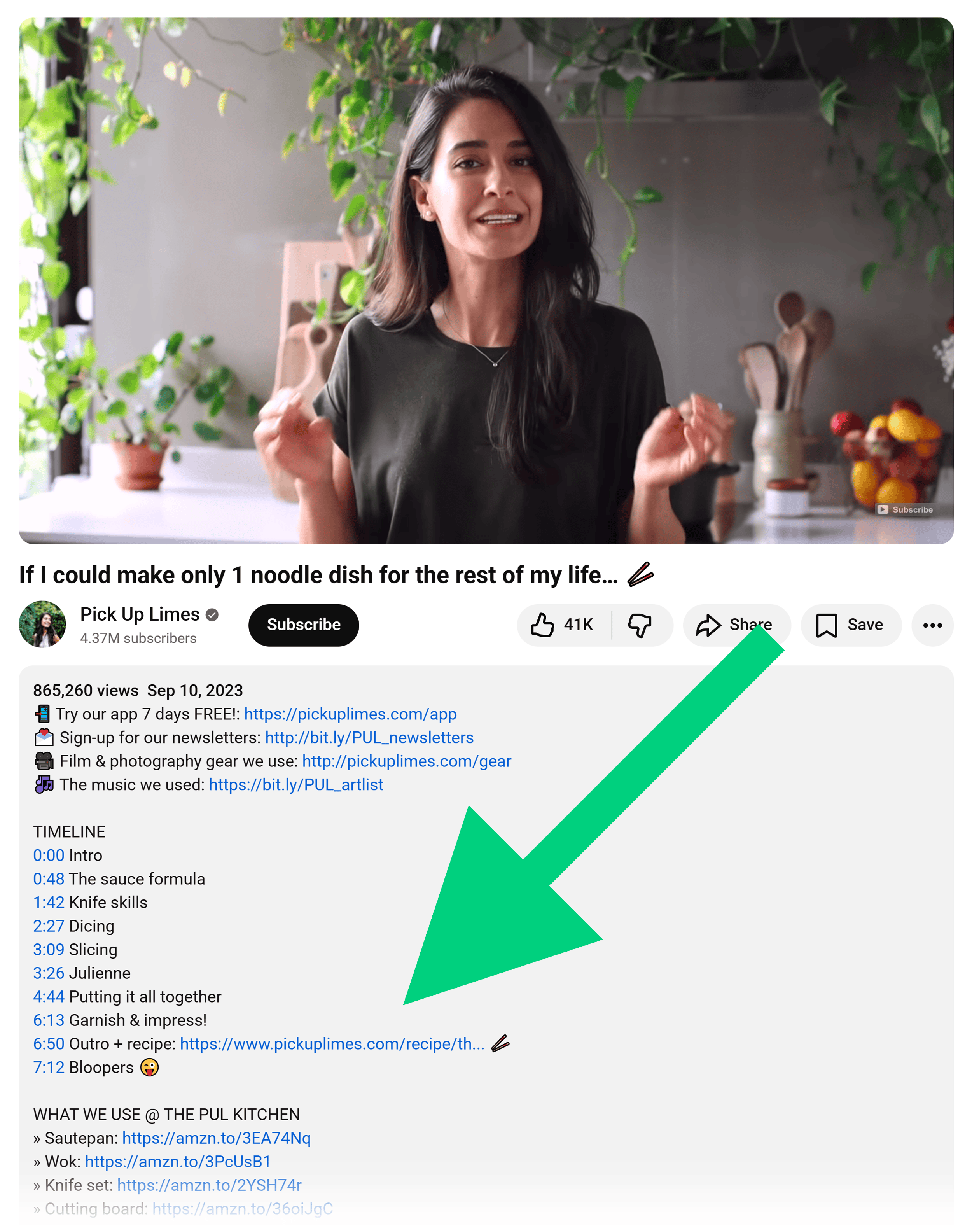
- Long-form (YouTube/Webinars): Use this to establish deep expertise. If you are a B2B company, focus on tutorials and "how-to" content that solves specific, difficult problems.
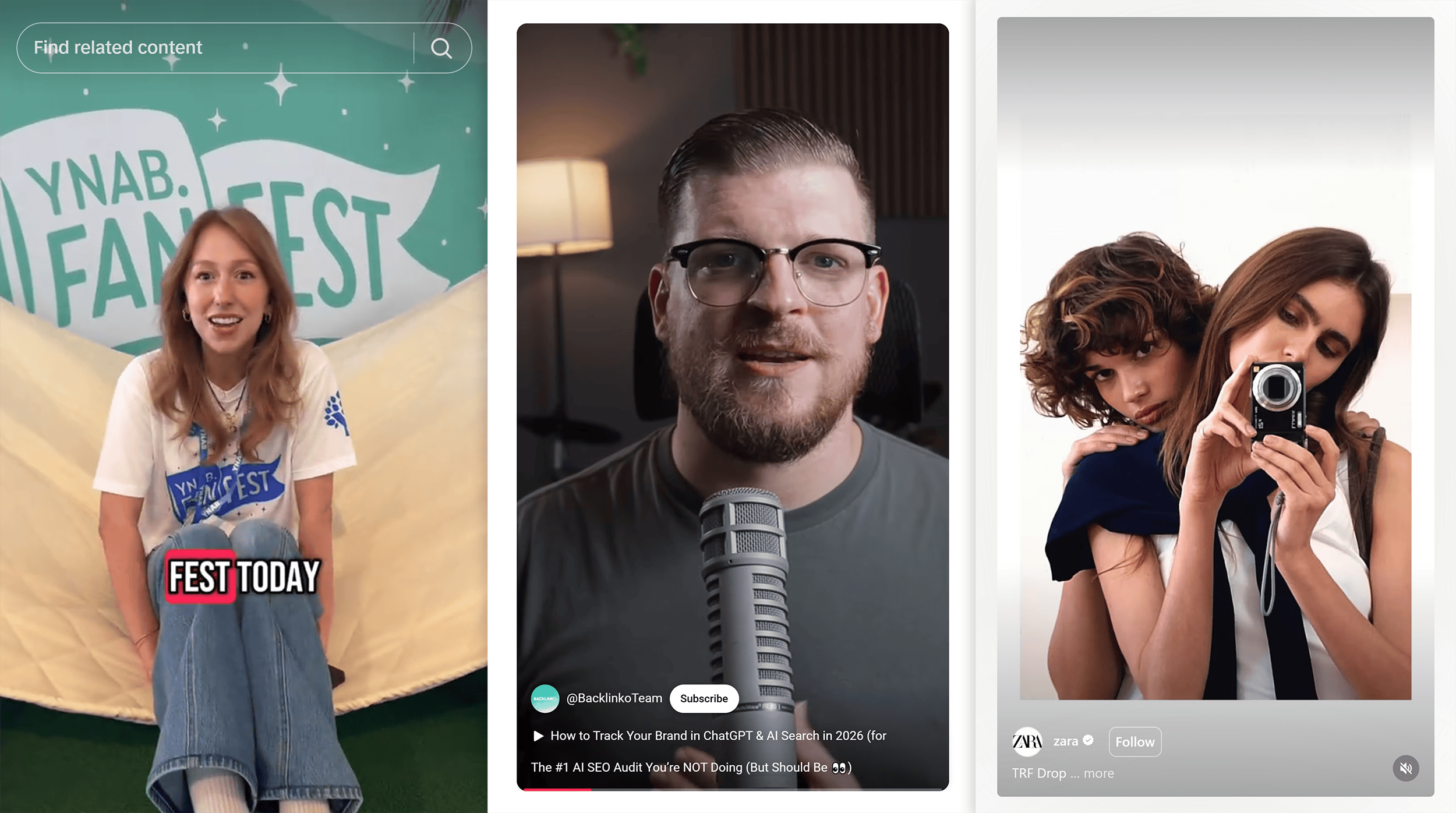
- Short-form (Reels/Shorts/TikTok): Use this for reach and repetition. By showing up consistently in short, high-energy clips, you stay top-of-mind.
Action Plan:
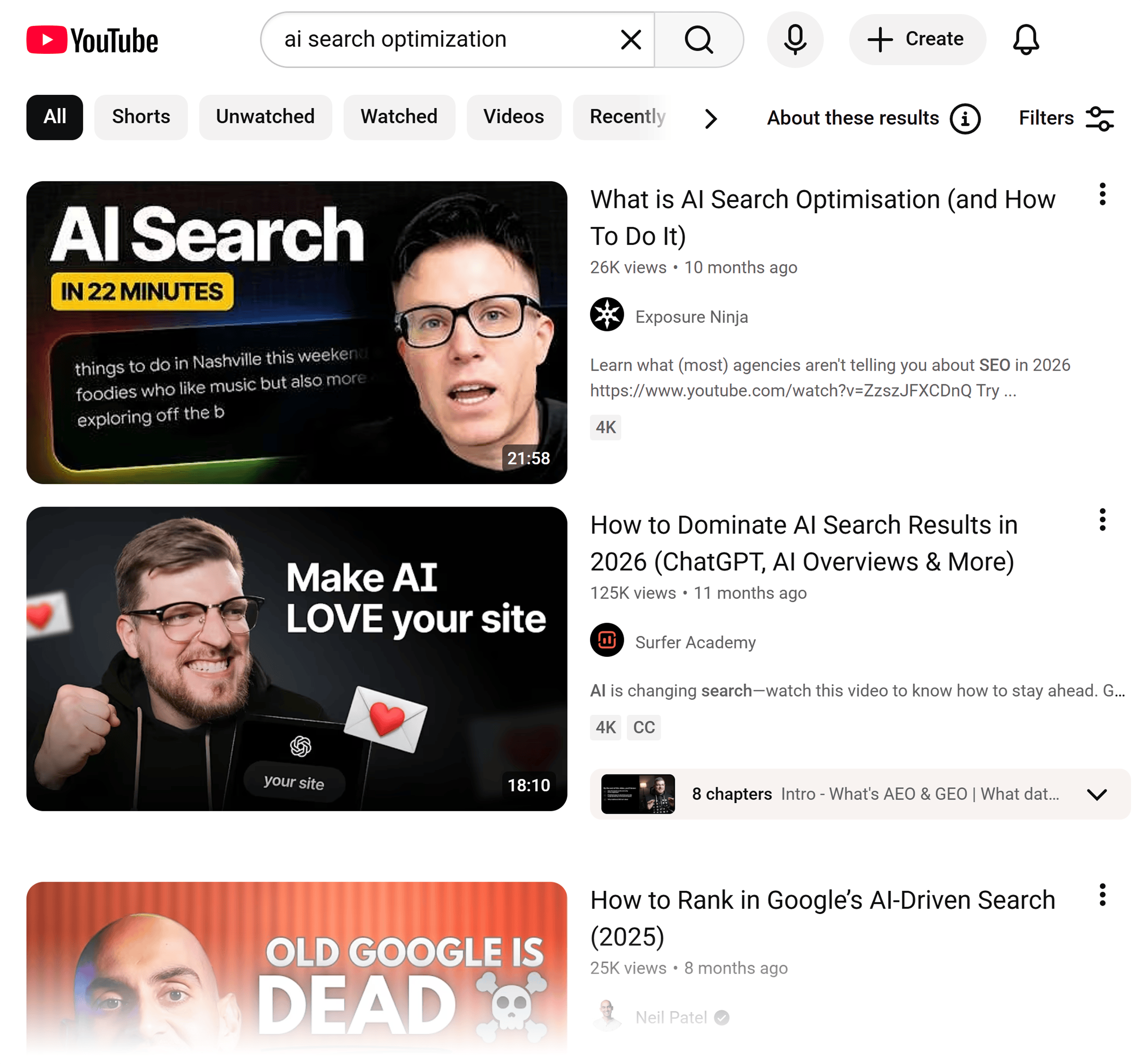
- The "Gap" Analysis: Search your niche on YouTube using an Incognito window. Analyze the top-performing videos. Where are they failing? What questions are they leaving unanswered? That gap is your content strategy.
4. Capturing the Google Discover Feed
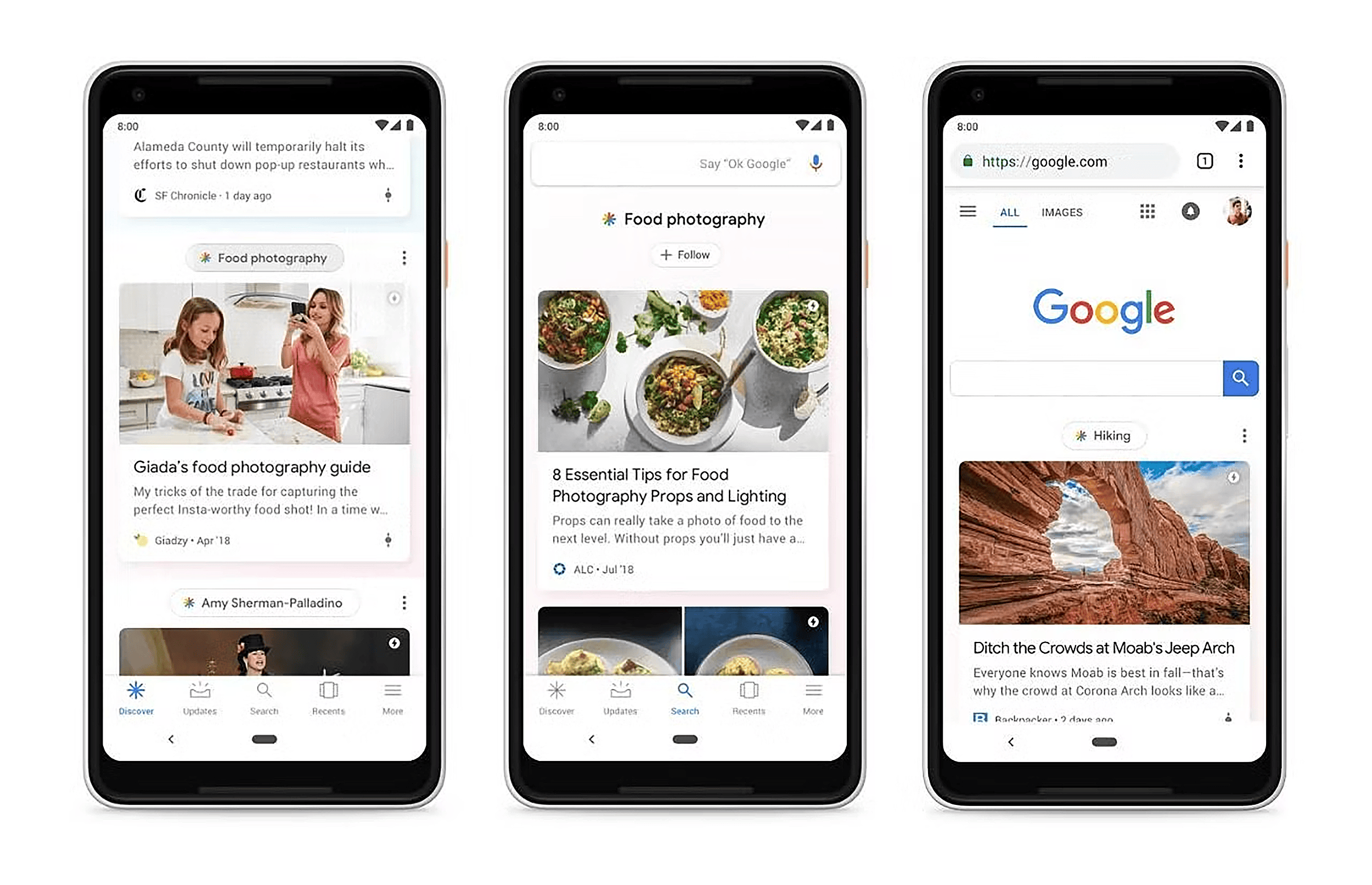
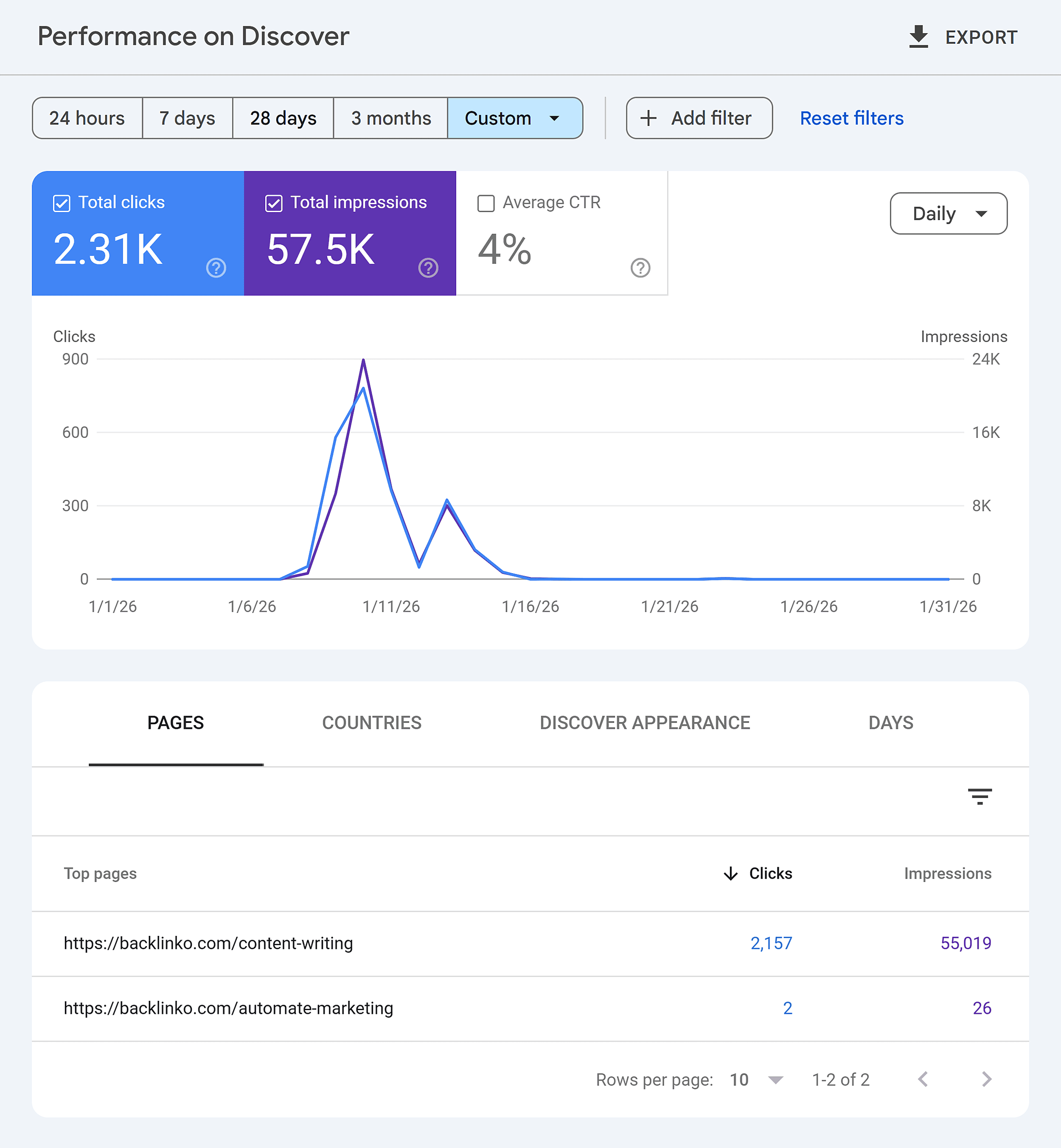
Google Discover is a powerful, personalized content engine that pushes content to users based on their browsing interests. Unlike search, where you wait for a query, Discover brings your content to the user.
The Rules of the Feed
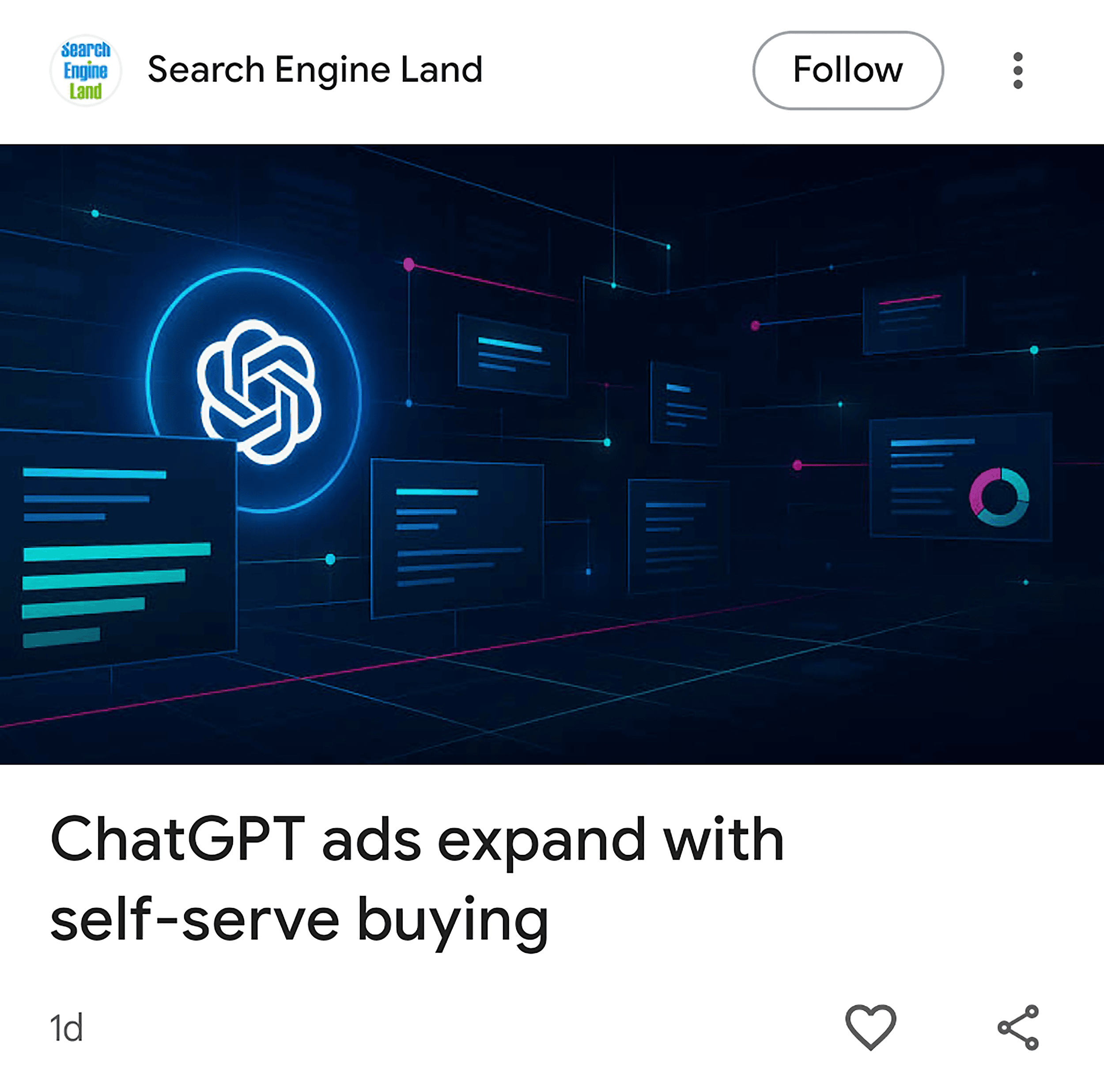
To appear in Discover, your content must be timely and packaged with "feed-appeal." Your featured image and headline are the only things standing between a user scrolling past or clicking.
Discover Checklist:
- Stakes and Tension: Does your headline suggest that something has changed? (e.g., "Why the new X update is a risk for Y users").
- Visuals: Ensure your featured image is at least 1200px wide and has a clear focal point.
- The "Why Now": Discover favors content that feels relevant to the current news cycle or industry trend.
5. Conversion in a Zero-Click World
We are entering a "zero-click" era where users get answers without ever visiting your site. Because your total volume of visitors may shrink, your Revenue Per Visitor (RPV) must increase.
Reducing Friction and Anxiety
When a visitor finally does arrive at your site, they are likely further along in the buying process than they were three years ago. They don’t need a 2,000-word essay on why your product is good; they need to know if it works, what it costs, and if they can trust you.
Action Plan:
- Audit for Friction: Is your pricing transparent? Is your checkout process more than three steps?
- Behavioral Targeting: Use email triggers based on site activity. If a user spends five minutes on your pricing page but doesn’t buy, trigger an automated email with a case study that addresses common price objections.
6. The Human Premium
AI can generate text, but it cannot generate authentic human experience.
Thought Leadership as a Moat
Thought leadership is not just "writing blog posts." It is taking a stance. Whether it is a founder on LinkedIn or a subject matter expert on a podcast, visibility matters. If you are a B2B firm, identify the "face" of your brand. This person should be active in the communities where your customers hang out, not as a salesperson, but as a peer.
Action Plan:
- Participate, Don’t Promote: Find 3-4 key forums or Reddit subreddits. Spend two weeks commenting without posting links. When you do share a link, it should only be because it provides genuine, requested value to a conversation.
7. Repurpose with Intent
The trap of 2026 is "quantity over quality." Using AI to generate 50 social posts from one article is easy, but it often leads to noise.
The "Validation" Workflow
Instead, use your audience to validate your ideas. Post a thought on X (formerly Twitter) or LinkedIn. If the engagement is high, that’s your signal to turn it into a deep-dive newsletter. If the newsletter performs well, turn it into a video. If the video hits, turn it into a pillar article on your website.

By letting the audience lead, you ensure that you are only spending your time creating long-form content that has already been proven to resonate.
Conclusion: Marketing is Now a Network, Not a Funnel
Website marketing in 2026 is no longer about building a better mouse trap and waiting for the world to beat a path to your door. It is about building a presence across the entire digital ecosystem. By establishing trust in communities, leaning into the human side of your brand, and using data to guide your content creation, you ensure that your website remains the destination of choice when the customer is finally ready to commit.