

In the complex ecosystem of modern financial activism, a new predator has emerged. Sunlight Partners, a Brisbane-based investment fund, is carving out a controversial niche by marrying the aggressive tactics of short-selling with the moral imperative of environmental advocacy. By targeting companies they deem "environmental sinners"—ranging from greenwashers to purveyors of outdated, high-emissions technology—the fund is challenging the traditional, often collaborative approach to ESG (Environmental, Social, and Governance) investing.
Their maiden campaign, a high-stakes bet against the industrial veteran Babcock & Wilcox (B&W), has yielded significant returns and sparked a broader debate about the efficacy of "negative" activism. As data centers—the engines of the AI revolution—face increasing scrutiny for their massive carbon footprints, Sunlight Partners is signaling that for some companies, the path forward may be paved with institutional divestment rather than corporate reform.
The Anatomy of an Attack: The Case of Babcock & Wilcox
The campaign against Babcock & Wilcox, a manufacturer with a legacy spanning nearly 160 years, serves as a masterclass in modern short-activist strategy. B&W, historically rooted in steam boiler technology, had recently pivoted toward the lucrative, high-growth sector of powering data centers.
In May, Sunlight Partners released a blistering report that scrutinized these ambitions. The document alleged that B&W’s proposed power projects were not only unlikely to reach completion but that the underlying technology being deployed was inefficient and fundamentally outdated for the modern energy landscape.
The market reaction was swift and brutal. In the week following the report’s publication, B&W’s stock plummeted 13 percent. The bleeding did not stop there. By the time the fund released its second-quarter summary last month, the stock had undergone a staggering contraction. When the initial report hit the wires, B&W shares were priced at $19.65; today, they trade at approximately $9.35, marking a decline of more than 50 percent.
For Sunlight Partners, this was more than a successful trade—it was validation. The fund reported a 12 percent return directly linked to the decline in B&W’s valuation. While Will Funnell, a former options trader and co-founder of the fund, acknowledges that broader market headwinds for AI-related stocks contributed to the downturn, he maintains that B&W’s performance was significantly worse than its peers, suggesting the market had finally "priced in" the risks highlighted in their research.
Chronology of a Disruption
- Early 2024: Sunlight Partners identifies Babcock & Wilcox as a prime candidate for a short position, citing its heavy reliance on legacy steam boiler technology in the context of the AI-driven data center energy surge.
- May 2024: The fund publishes its debut investigative report, challenging the viability of B&W’s data center power contracts and questioning the efficiency of its technological offerings.
- Late May 2024: B&W stock experiences a sharp 13% decline within seven days of the report’s release.
- Q2 2024: Sunlight Partners officially reports a 12% return for the quarter, attributing the performance to their successful short position on B&W.
- Present Day: B&W shares trade at $9.35, down from $19.65 at the time of the report, while Sunlight Partners begins soliciting interest from major institutional investors to scale the fund.
The Strategy: "The Worst Actors"
Sunlight Partners represents a departure from the traditional activist hedge fund model. Historically, activist investors have operated through a "constructive" lens: purchasing a stake in a company and lobbying the board to implement changes—such as shifting to renewable energy, improving supply chain transparency, or adopting circular economy principles—to drive long-term value.
Funnell and his team at Sunlight take a diametrically opposite approach. "We’re looking more for the worst actors," Funnell states. The fund plans to release between six and eight investigative reports annually, focusing on companies that engage in greenwashing, excessive waste, or the perpetuation of high-carbon business models.
By targeting less diversified firms, Sunlight maximizes its leverage. For these companies, a targeted attack on a single, core line of business can have existential consequences. This "predatory" environmentalism is designed to force the market to re-evaluate the risk associated with unsustainable assets.
While the fund’s current value remains private, the ambition is clear. Funnell is currently in negotiations for a major institutional investment, with the goal of scaling the fund to $200 million. "We still have considerable headroom," he notes, suggesting that the pool of potential targets—companies hiding behind opaque environmental disclosures—is vast.
Official Responses and Market Silence
The silence from the executive suite at Babcock & Wilcox has been deafening. Despite multiple requests for comment regarding the allegations of technological obsolescence and the viability of their data center projects, the company has declined to engage with the claims publicly.
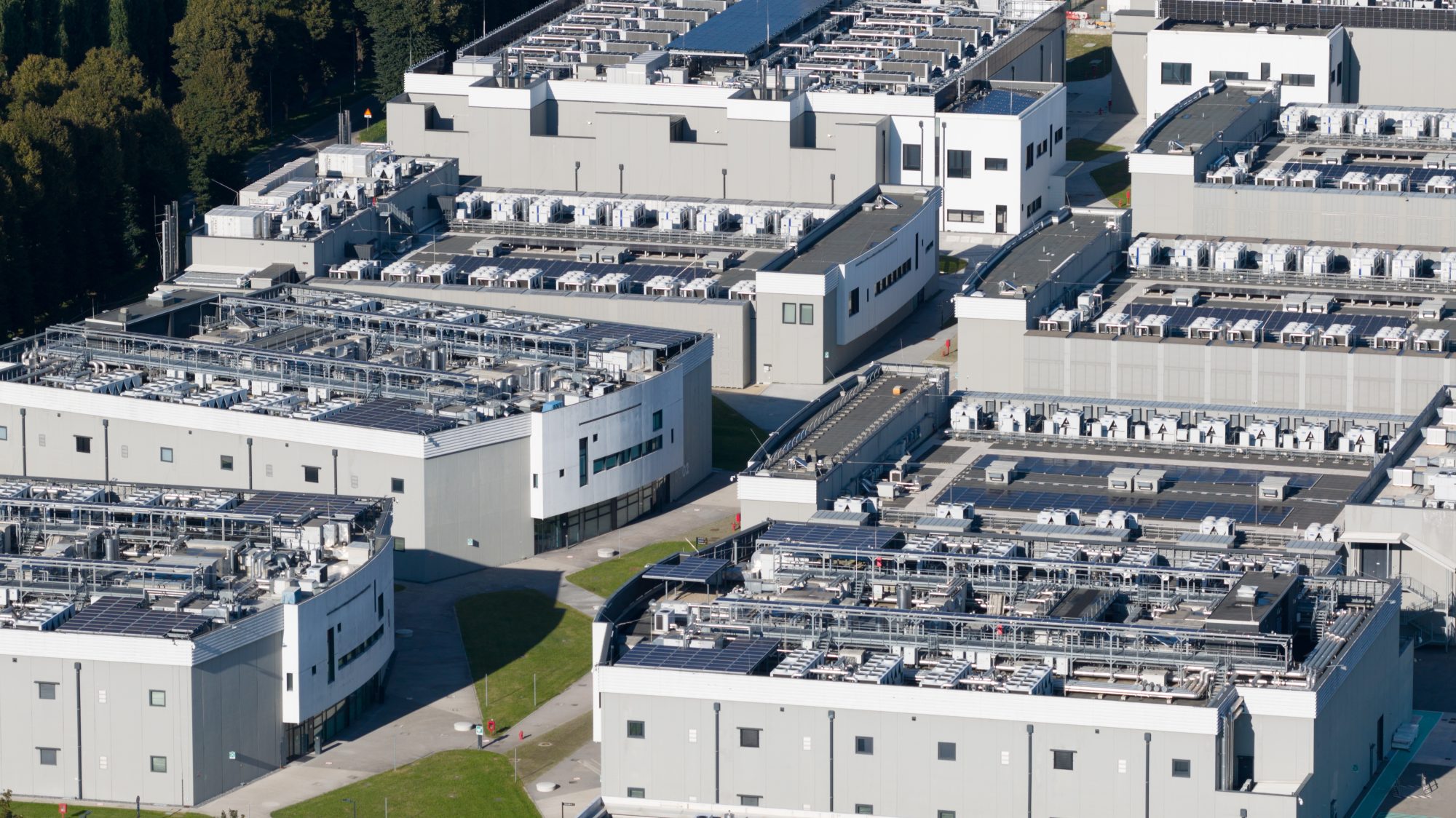
This silence is often a double-edged sword. While it prevents a public debate that could further damage the stock, it also leaves investors with only one side of the narrative—the one provided by the short-seller. In the absence of a vigorous defense or a concrete strategic pivot from the company, the market has opted to favor the bearish sentiment propagated by Sunlight Partners.
Implications: The Ethics of "Shorting" the Planet
The rise of Sunlight Partners raises profound questions about the alignment of financial returns and environmental outcomes. Can a fund truly claim to be an environmental advocate if its profit model relies on a company’s collapse?
Mark DesJardine, an expert in shareholder activism at Dartmouth College, highlights the fundamental friction in this strategy. "It’s a relatively rare strategy to play because when we think about transforming a firm’s business model to get into more environmentally friendly businesses, that’s typically something that plays out over years, not over weeks and months," DesJardine explains.
The concern is one of "hit-and-run" activism. A short-seller is incentivized to exit their position as soon as the stock price hits its target, often well before the target company has the time or the capital to undergo a genuine green transition. If the fund exits, the pressure for reform evaporates, leaving the environmental impact in doubt.
However, Funnell offers a different perspective on the impact of his work. He argues that the primary goal of the fund is to "put information into the market that revises expectations." By stripping away the veneer of green marketing and exposing the underlying realities of a company’s operations, Sunlight forces the capital markets to correctly price in environmental risks.
"Revised expectations inform investment decisions, which in turn affect environmental outcomes," Funnell argues. In this view, if capital becomes more expensive for the "worst actors" because of his reports, those companies will be forced to either innovate or perish, effectively shifting the flow of global capital away from carbon-intensive projects.
The Future of Environmental Activism
The emergence of Sunlight Partners signals a new phase in the ESG movement. As the global economy faces the urgent need to decarbonize, the "soft power" of polite engagement and shareholder resolutions may no longer be enough.
The success of the B&W campaign proves that there is a financial appetite for a more aggressive, forensic approach to environmental accountability. Investors are increasingly wary of greenwashing and are hungry for data that differentiates between true sustainable transition and marketing puffery.
Yet, the long-term success of this model remains to be seen. To maintain credibility, Sunlight Partners will need to ensure that its reports remain factually bulletproof. If they are perceived as merely "market manipulators" using environmental concerns as a smokescreen for profit, they will quickly lose their influence.
Furthermore, the fund must contend with the "short-termism" inherent in its strategy. If the goal is truly to change company behavior, they may eventually need to develop mechanisms to ensure that their interventions lead to sustained, long-term shifts in corporate strategy—not just a temporary dip in stock price.
For now, the market has taken notice. The era of the "environmental short-seller" has arrived, and for the firms that continue to ignore their carbon footprint, the next report from Brisbane could be the most expensive one they ever receive. Whether this brand of activism leads to a cleaner planet or merely a more volatile stock market is a question that will occupy regulators and investors for years to come.