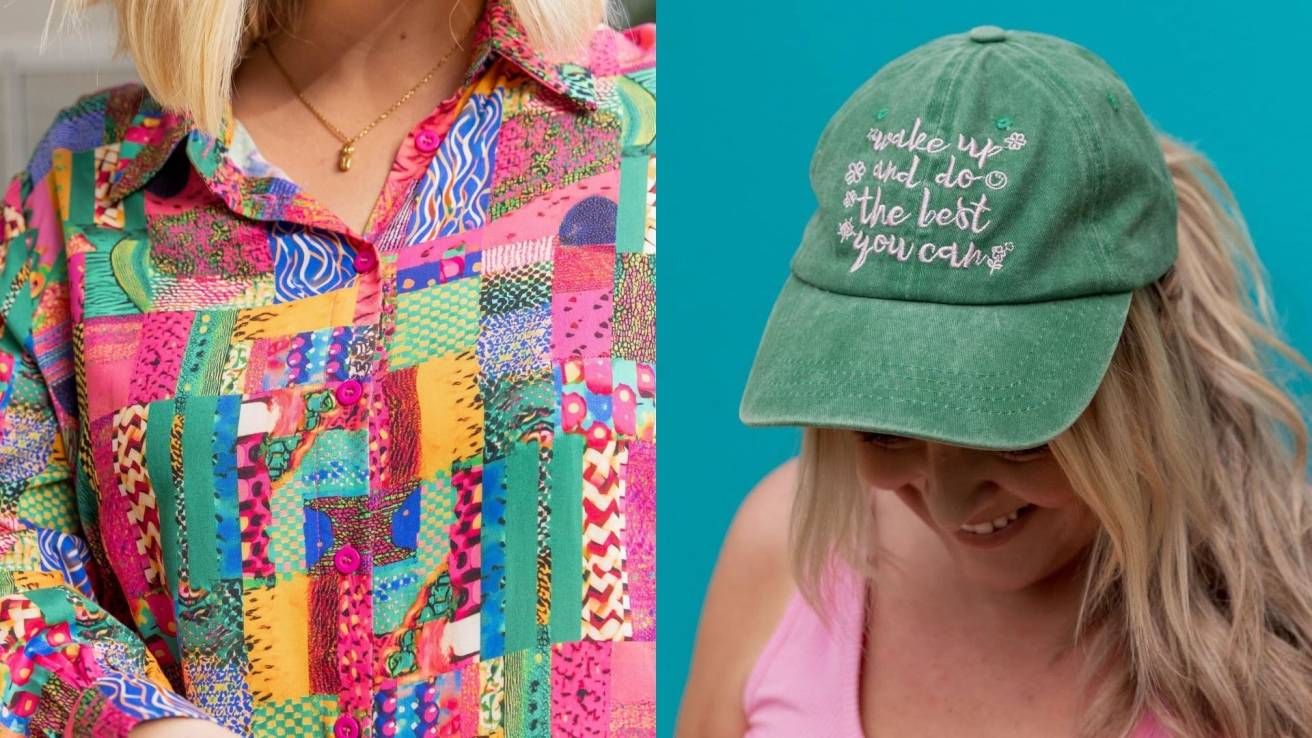
In a move that highlights the mounting pressures facing the Australian discretionary retail sector, Proud Poppy Clothing—a vibrant player in the womenswear market—has officially entered voluntary administration. The retailer, known for its inclusive sizing and colourful, trend-driven aesthetic, has been a standout success story since its inception in 2019. However, the business is now navigating a complex restructuring process as it attempts to steer through the "turbulent" economic climate currently impacting both e-commerce and physical retail landscapes across the nation.
The Current Situation: A Strategic Restructure
According to notices published by the Australian Securities and Investments Commission (ASIC), Proud Poppy Clothing Pty Ltd was placed into voluntary administration on August 5. The appointment of administrators from Hall Chadwick—specifically Kathleen Vouris, Richard Albarran, and Marcus Watters—marks a pivotal moment for the brand, which has, until now, experienced a meteoric rise.
Despite the gravity of the legal status, founder Tara McKeon has moved quickly to reassure the brand’s substantial customer base. In an candid Instagram update, McKeon sought to demystify the process, framing the administration not as a terminal event, but as a proactive, strategic decision.
"This is not a business shutdown, bankruptcy, or closure of the overall business," McKeon stated. "This is a voluntary restructure, us reaching out to the professionals to help us through the turbulent time we are all feeling at the moment across business, e-commerce, and retail."
For the brand’s loyal community, which numbers in the hundreds of thousands across various social media platforms, the message was one of continuity. McKeon emphasized that it is "business as usual," a sentiment currently reflected in the company’s operational status. The brand’s e-commerce portal remains fully functional, accepting orders, and the company continues to showcase new product releases on social media.
A Chronology of Growth and Challenge
To understand the current crossroads at which Proud Poppy finds itself, one must look at its rapid evolution since 2019. Founded by Tara McKeon—a former nurse who transitioned into the cutthroat world of fashion retail—the brand quickly carved out a niche by championing inclusivity. By offering a comprehensive size range from 6 to 30, Proud Poppy addressed a significant gap in the market, winning the loyalty of women who had previously been underserved by mainstream retailers.
The Rise
- 2019: Proud Poppy is founded by Tara McKeon, launching with a focus on vibrant, colourful, and inclusive womenswear.
- 2020–2022: The brand gains national recognition, securing multiple accolades, including wins at the prestigious AusMumpreneur Awards, cementing its reputation as a rising star in the Australian small business landscape.
- November 2025: The business scales significantly, with reports identifying it as a $20 million enterprise employing a workforce of approximately 70 people.
- August 2026: Facing the dual pressures of softening consumer spending and rising operational costs, the company files for voluntary administration to facilitate a formal restructure.
Supporting Data and Economic Context
The retail landscape in Australia in 2026 has proven to be a graveyard for many established brands. Proud Poppy’s entry into administration follows a series of similar announcements from other mid-tier retailers struggling with the "perfect storm" of economic conditions.
High interest rates, persistent inflation, and a marked decline in household discretionary spending have created a difficult environment for fashion retailers. For a brand like Proud Poppy, which relies on a blend of online sales and a physical store footprint in Victoria and Queensland, the overheads associated with maintaining a retail presence have become increasingly difficult to balance against fluctuating demand.
As of August 2026, the company has confirmed the closure of three regional stores. This move is indicative of a broader trend where retailers are consolidating their physical footprints to prioritize high-traffic locations and digital-first operations. The remaining stores in Doreen (VIC), Toowoomba (QLD), and Gympie (QLD) will continue to trade, serving as the brand’s primary physical touchpoints as the administrators work to streamline the business.
The Role of Voluntary Administration
For the layperson, "voluntary administration" often sounds synonymous with total collapse. In reality, it is a legal mechanism designed to save a business or, at the very least, achieve a better return for creditors than an immediate liquidation.
By appointing administrators from Hall Chadwick, Proud Poppy’s directors have ceded control to independent experts. These administrators are tasked with:
- Investigating the company’s financial position: Determining the true extent of liabilities and potential recovery paths.
- Reporting to creditors: Providing a transparent account of the business’s viability.
- Managing the restructure: Determining whether the company can be saved via a Deed of Company Arrangement (DOCA) or if it must be wound up.
The first meeting of creditors is scheduled for August 17 via teleconference. This meeting will be crucial, as it will determine whether the administration proceeds and whether a committee of creditors is formed to represent the interests of suppliers, landlords, and other stakeholders.
Official Responses and Founder Transparency
Tara McKeon’s approach to this crisis has been notably transparent. In an era where corporate PR often relies on sanitized, legal-approved statements, McKeon took a different path.
"This isn’t a PR or legal-approved post," she shared with her followers. "This is just me sharing with you exactly how I’m feeling and what’s going on. I will always be honest and transparent with you… It’s my first time doing this too, you only know what you know and you can only do the best that you can!"

This level of vulnerability has, in many ways, bolstered the brand’s connection with its "village"—a term McKeon uses for her loyal customer base. By acknowledging the difficulty of the situation while maintaining a "calm and positive" outlook, she is attempting to maintain brand equity during a period of extreme instability.
However, the reality of the situation rests in the hands of the administrators. While McKeon remains optimistic, the process of restructuring a $20 million business is inherently complex. The success of the venture will depend on the brand’s ability to renegotiate leases, manage supplier relationships, and ensure that cash flow remains stable throughout the administration period.
Broader Implications for the Retail Sector
The case of Proud Poppy is emblematic of a wider phenomenon. In 2026, many Australian retailers are finding that their previous growth models are no longer viable. The rapid expansion that characterized the post-pandemic years is now being corrected by a market that is far more cautious with its spending.
Key Takeaways for the Industry:
- The Physical-Digital Balance: Retailers must be agile enough to pivot away from underperforming physical assets quickly.
- Community as Currency: Brands that have built deep, emotional connections with their customers (like Proud Poppy) are better positioned to weather crises, as they retain a loyal base that supports them through the "good and the bad."
- The Burden of Overhead: Even successful, award-winning brands are not immune to the crushing weight of rising commercial rents and logistics costs.
As the administration process unfolds, industry observers will be watching closely to see if Proud Poppy can emerge as a leaner, more sustainable version of itself. For now, the brand’s survival remains a test of the efficacy of the voluntary administration process in preserving a business that, despite its current financial hurdles, remains a significant cultural and commercial force in the Australian fashion industry.
SmartCompany has reached out to both Proud Poppy Clothing and the appointed administrators at Hall Chadwick for further comment regarding the specific path forward for the business.