

In the digital-first era, where over 5.17 billion people actively engage with social platforms, the ability to maintain a consistent brand voice is no longer a luxury—it is a business imperative. For enterprise organizations, however, the challenge lies not in the desire to be present, but in the operational capacity to scale.
Scaling social media content is not merely about increasing the volume of posts; it is about engineering a sustainable infrastructure that enables global teams to produce high-quality, relevant content without the burden of exponential resource growth. As brands navigate the complexities of multi-region campaigns and rapid-fire cultural trends, the transition from manual, siloed processes to centralized, automated systems has become the defining frontier of digital marketing.
Main Facts: Redefining Content Velocity
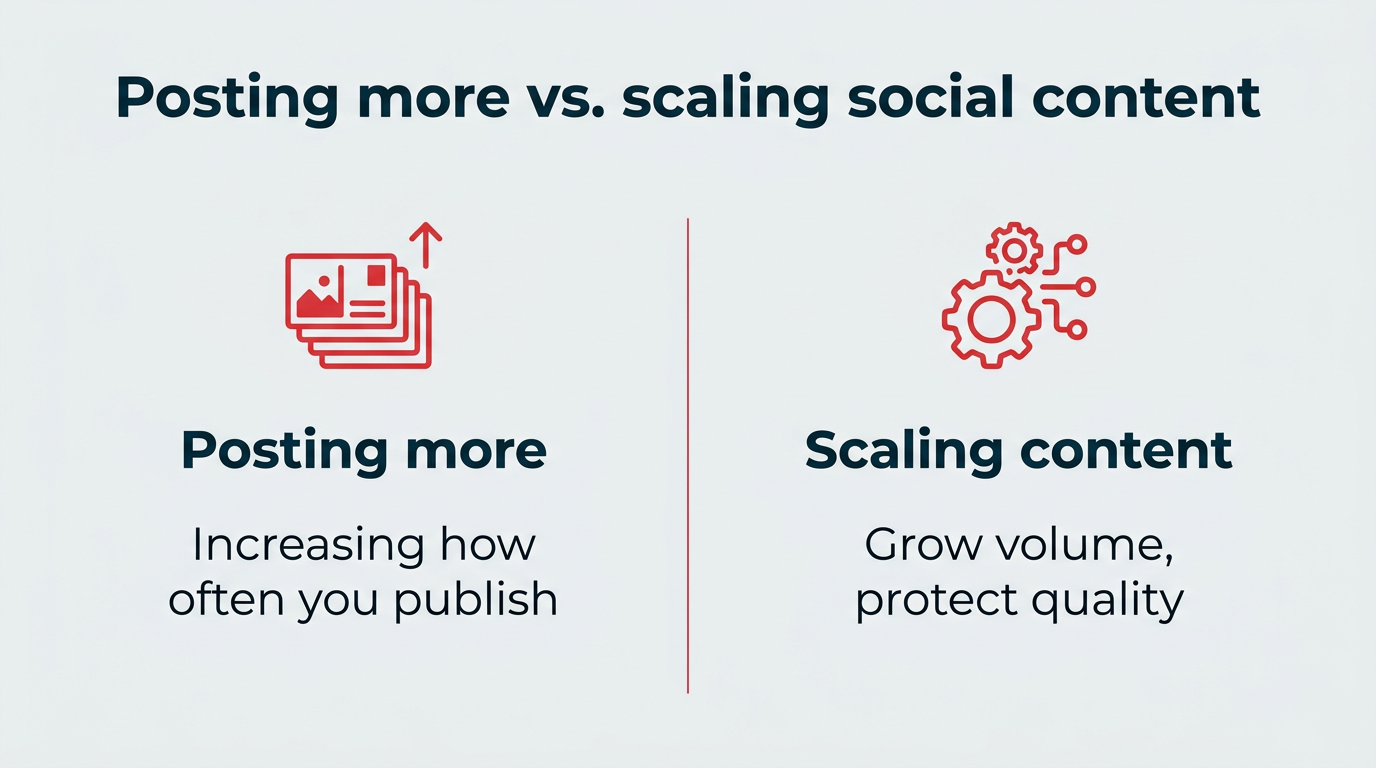
The core premise of content scaling is the shift from "more posts" to "smarter systems." Enterprises often fall into the trap of increasing output linearly—adding more headcount for every additional post—which inevitably leads to burnout and brand dilution.

Effective scaling, by contrast, relies on a "hub-and-spoke" model. A central source of truth—the hub—provides the assets, templates, and guardrails, while local teams—the spokes—adapt content for their specific cultural and linguistic contexts. This allows for massive output efficiency without sacrificing the integrity of the brand identity. The primary objective is to maximize the utility of every creative asset through deliberate repurposing, ensuring that a single strong concept can serve as the foundation for a month’s worth of cross-platform engagement.
Chronology: The Evolution of Enterprise Social Operations
The trajectory of social media management has moved through three distinct phases:
- The Ad-Hoc Era (Early 2010s): Social media was largely reactive, managed by small teams in isolation. Posting was manual, and "scaling" meant hiring more interns to tweet.
- The Platform-Specific Era (Mid-2010s to 2020): Brands began using basic scheduling tools, but workflows remained fragmented. Approval processes were often handled via email threads, leading to bottlenecks and compliance risks.
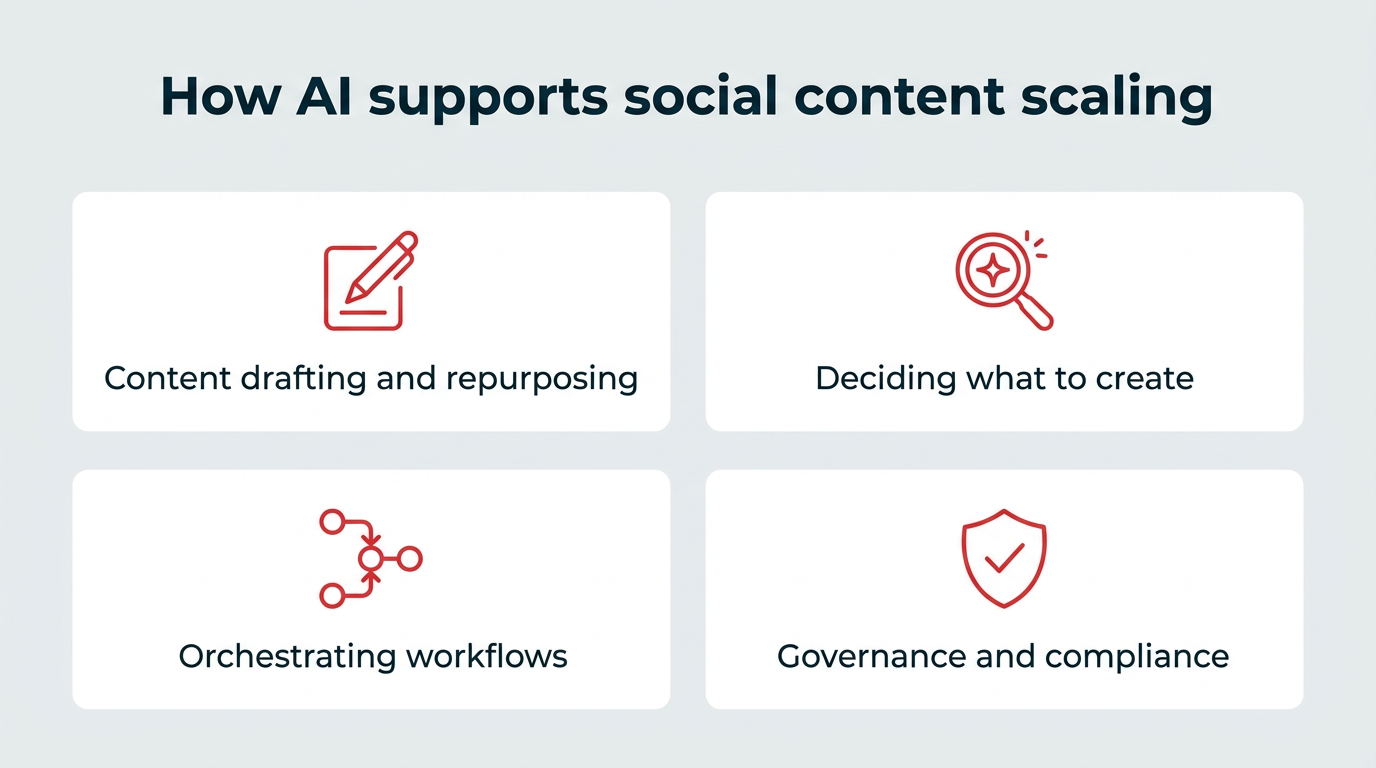
- The Integrated Operating System Era (2025 and beyond): Today, enterprise teams utilize holistic social operating systems. The focus has shifted toward AI-orchestrated workflows, where the lifecycle of a post—from ideation and AI-assisted drafting to automated compliance checks and global deployment—is contained within a single, unified digital ecosystem.
Supporting Data: Why Scaling is Non-Negotiable
The pressure to scale is driven by hard data. With the average user spending over two hours and 21 minutes on social platforms daily, the competition for attention is cutthroat.

- The Personalization Dividend: According to Deloitte, 75% of consumers are significantly more likely to purchase from brands that deliver personalized, localized content. This creates a "scaling paradox": how to stay local while remaining globally consistent.
- The Influencer Boom: U.S. influencer marketing spend is projected to surpass $10 billion in 2025, with continued growth through 2026. This requires brands to integrate external creators into their internal scaling workflows seamlessly.
- AI Adoption: Projections indicate that 40% of enterprise applications will feature task-specific AI agents by the end of 2026. This technology is the engine that allows for the "repurposing at scale" that modern enterprise marketing requires.
Official Perspectives: Navigating the Workflow
Industry leaders emphasize that technology is only as effective as the culture supporting it. Kevin Johnson, Global Social Media Manager at Talent Systems, notes that the most significant hurdle is often the lack of formalization.
"An enterprise license for a suite like Hootsuite is usually the biggest difference maker," Johnson explains. "They solve your scheduling, content banks, and most approval headaches in one place." He advocates for the use of RACI (Responsible, Accountable, Consulted, Informed) charts to clarify roles, ensuring that teams are not trapped in circular review processes.
Johnson’s advice on templates is equally critical for scale: "Ask your designers to build modular templates for all your routine stuff—quotes, tips, awards, testimonials. This makes those assets plug-and-play and frees up your creative team for high-priority, custom campaigns."
The Nine-Step Framework for Effective Scaling
To successfully implement a scaling strategy, organizations must adopt a systematic approach:
1. The Shared Content Library
A centralized "home base" for all assets eliminates the "reinventing the wheel" phenomenon. By housing approved images, videos, and brand guidelines in one place, teams can ensure consistent visual identity regardless of the region.
2. Standardized Approval Workflows
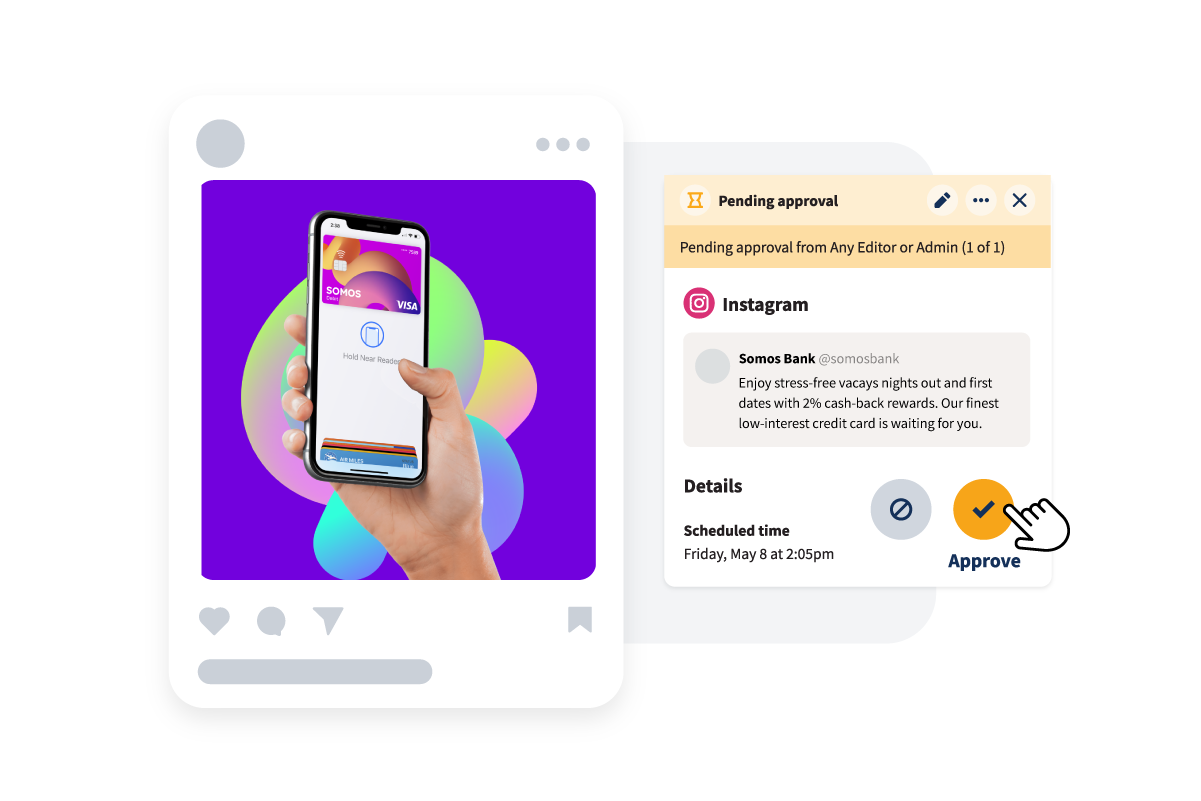
Governance is the bodyguard of scale. By setting clear role-based permissions, companies can ensure that content is reviewed for compliance without slowing down the creative flow.

3. Modular Template Architecture
Templates transform design from a bottleneck into a commodity. Whether it’s a standard testimonial format or an event announcement, pre-built modules allow local teams to deploy assets instantly.
4. Strategic Content Repurposing
One blog post should be transformed into a carousel, a series of short-form videos, an infographic, and a thread. Utilizing AI tools to resize and reframe content for different platforms ensures maximum ROI on every creative hour spent.
5. Automation of Repetitive Tasks
Tools that automate scheduling, tag management, and even initial data reporting allow human talent to focus on strategy rather than logistics.
6. Empowering Local Markets
Global scale requires local nuance. By providing regions with "guardrails" rather than strict mandates, brands can empower local managers to adapt content to cultural nuances without breaking brand style rules.
7. Leveraging User-Generated Content (UGC)
Scaling doesn’t always require internal production. By creating systems to curate and amplify UGC, brands can fill their content calendars with authentic, community-driven posts.
8. Analytics-Driven Iteration
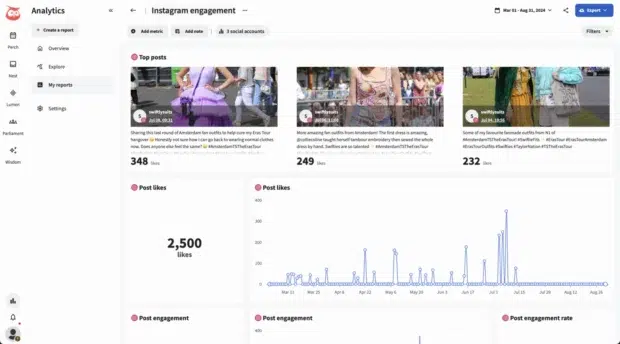
Don’t scale based on intuition. Use analytics to identify top-performing content pillars and double down on those. If data shows that short-form video is driving 80% of your conversions, your scaling strategy should prioritize that format.
9. A Culture of "Strategic No"
Scaling is as much about subtraction as it is addition. As noted by industry experts, teams must be empowered to say "no" to legacy content or "trending" topics that do not align with core business goals. Protecting team bandwidth is essential for long-term consistency.
Implications: The Future of Enterprise Social
The implications of these scaling strategies are profound. Organizations that successfully transition to an automated, governed social operating system gain a significant competitive advantage: agility.
In a landscape where trends emerge and dissipate in hours, the ability to respond in real-time is the new currency of brand loyalty. Furthermore, the shift toward "business-impact metrics"—such as time-to-publish and cost-per-asset—moves social media from a "cost center" to a measurable engine of growth.
As we look toward 2026, the brands that win will be those that view their social media presence as a fully integrated digital utility. By leveraging AI for the heavy lifting and human creativity for the strategy, enterprises can achieve a level of consistency and responsiveness that was previously impossible. The future of social media belongs to those who build systems that empower, not hinder, the creators at the front lines of the brand.
FAQ: Navigating the Scaling Process
Q: How does AI specifically help with scaling?
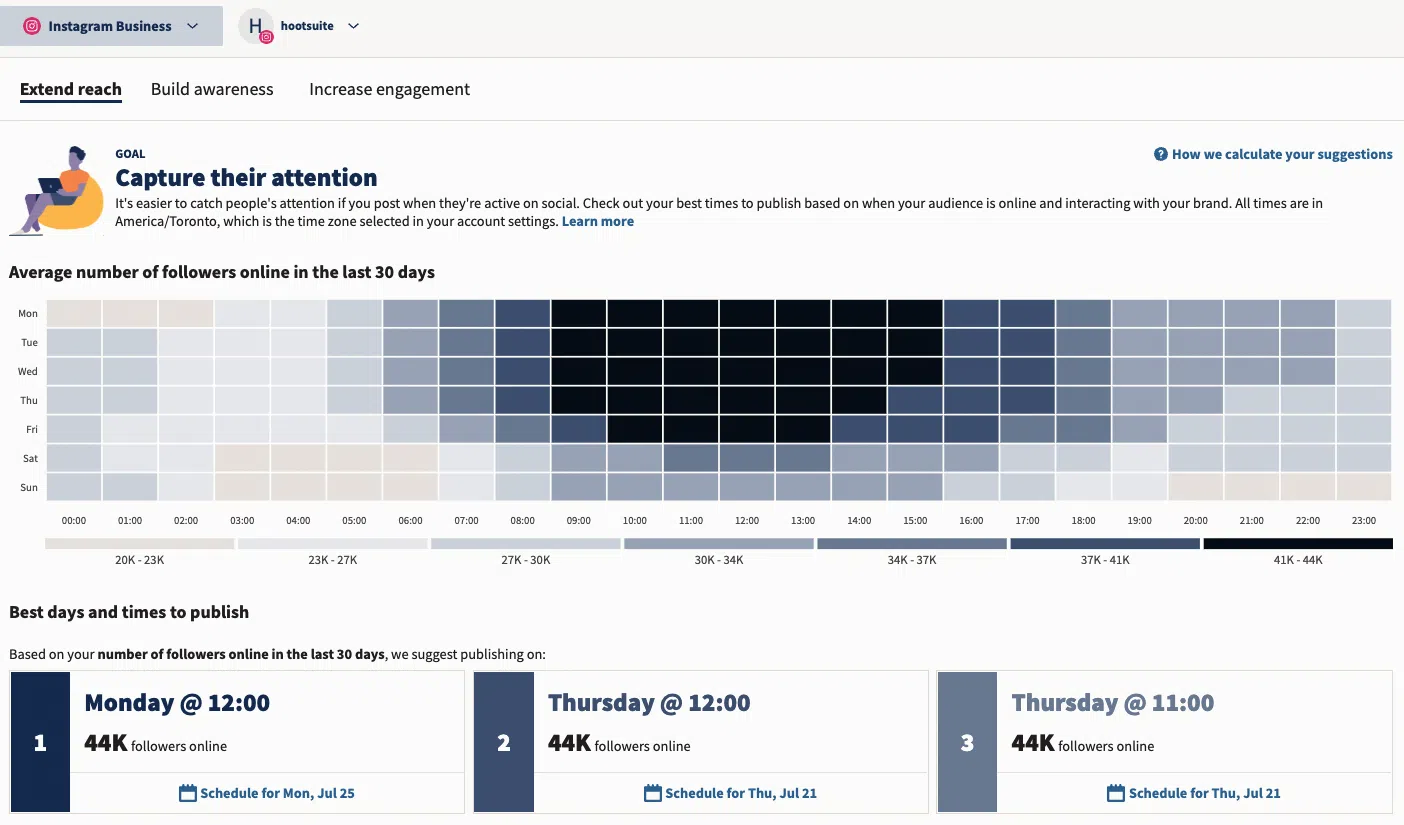
AI acts as the orchestration layer, handling repetitive tasks like drafting captions for different platforms, analyzing performance data to suggest "best times to post," and even moderating community interactions.
Q: How do you maintain quality while increasing volume?
Quality is maintained through strict governance, clear style guides, and the use of centralized templates. When the foundation is consistent, the variation in content remains within the brand’s identity.
Q: What is the biggest challenge to scaling?
The biggest challenge is typically organizational inertia—the tendency for teams to stick to legacy, siloed workflows. Overcoming this requires a commitment to a single, unified social operating system that brings all stakeholders into one space.