By Retail Intelligence Desk
Published: August 10, 2026
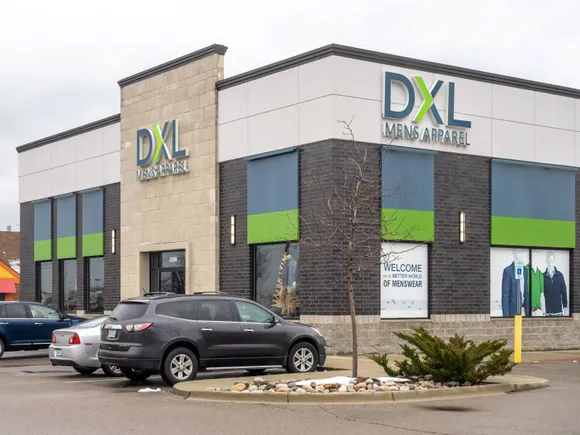
The retail landscape for big-and-tall apparel is undergoing a period of profound transformation, and at the center of this turbulence stands Destination XL Group (DXL). As of August 2026, the specialty retailer finds itself at a precarious crossroads, balancing the sudden departure of its long-standing CEO, the collapse of a high-profile merger, and the persistent pressure of an unsolicited takeover bid—all while contending with the structural market shifts caused by the rise of GLP-1 weight-loss medications.
The State of Play: A Retailer in Flux
DXL, a dominant force in the big-and-tall sector, is currently navigating a "perfect storm" of corporate instability and macroeconomic headwinds. The company, which has spent years refining its brand identity to move beyond mere utility toward modern, fashion-forward menswear, now faces questions about its future direction.
The most immediate concern for investors and stakeholders is the leadership vacuum. After extending the contract of CEO Harvey Kanter last year—a move intended to provide stability during a period of strategic transition—the company is now without a permanent successor. With Kanter’s tenure effectively concluding, the burden of steering the ship has fallen to Board Chair Lionel Conacher, who faces the monumental task of simultaneously managing internal restructuring and external threats.
Chronology of a Corporate Crisis
The recent volatility at DXL can be traced through a series of rapid-fire developments over the past 12 months:
- August 2025: DXL leadership announces a contract extension for CEO Harvey Kanter, signaling a desire for continuity as the company evaluates potential strategic alternatives.
- Late 2025: DXL announces a proposed merger with FullBeauty Brands, a move intended to consolidate market share in the plus-size apparel space and create a powerhouse in inclusive fashion.
- May 2026: Zodiac Partners, an investment firm, submits an unsolicited "go-private" offer of approximately $46 million for DXL, citing the company’s undervalued position. The DXL board swiftly rejects the bid, characterizing it as inadequate.
- June 2026: Zodiac Partners returns with an updated, improved offer. The board once again rejects the proposal, maintaining that it does not reflect the long-term intrinsic value of the brand.
- July 2026: In a significant reversal, the DXL board publicly declares that the merger with FullBeauty is no longer in the best interest of shareholders. Concerns regarding FullBeauty’s significant debt load and questions surrounding its equity valuation prove to be the primary drivers of the deal’s collapse.
- August 2026: The company confirms the leadership transition, placing the reins in the hands of Board Chair Lionel Conacher while a search for a permanent CEO commences.
Supporting Data: The GLP-1 Factor
While the corporate maneuvering is visible, the underlying pressure on DXL’s business model is largely fueled by the rapid adoption of GLP-1 medications (such as Ozempic and Wegovy). For a retailer whose core business is predicated on providing clothing for larger-bodied individuals, the widespread success of these drugs presents a unique, existential challenge.
Industry analysts note that while demand for plus-size apparel remains, the demographic volatility caused by rapid weight loss has disrupted traditional inventory cycles and consumer purchasing habits. DXL executives have been transparent about this "volatility," noting that the shifts in body measurements and consumer confidence are creating unpredictable sales patterns.
Despite these headwinds, the company’s internal data—and even the initial logic behind the now-failed FullBeauty merger—suggests that there is still significant demand in the niche. The challenge for DXL is no longer just about inventory; it is about rebranding to remain relevant to a customer base that is potentially shrinking in size but growing in expectations for style and fit.
Official Responses and Strategic Outlook
The response from DXL’s leadership has been one of measured caution. Lionel Conacher, now the primary voice of the company, emphasized in a recent statement that the board is committed to a "thorough search" for a new leader.
"The board will conduct a thorough search to identify the right leader to execute on our strategic priorities and capture the opportunities ahead in a dynamic consumer environment," Conacher stated. He noted that the company’s primary objective remains the execution of its core strategic priorities, which includes optimizing store performance, enhancing digital integration, and maintaining brand loyalty in an increasingly fragmented market.

Outgoing CEO Harvey Kanter, in his final remarks, underscored the importance of Conacher’s expertise in navigating the current climate. "Lionel has significant M&A experience that will help us navigate both the FullBeauty merger termination and the Zodiac Partners’ unsolicited tender offer in the near term," Kanter noted. This highlights the board’s current priority: clearing the decks of external distractions to focus on operational efficiency.
Implications for the Future
The current situation at DXL holds broader implications for the retail sector.
1. The "Big-and-Tall" Evolution
The collapse of the FullBeauty merger suggests that the consolidation phase for inclusive retail may be cooling. Companies are becoming more risk-averse, focusing on debt-to-equity ratios and organic growth rather than aggressive M&A strategies. For DXL, this means they must prove they can grow as a standalone entity despite the GLP-1 disruption.
2. The Threat of Private Equity
The repeated interest from Zodiac Partners highlights that public markets may be undervaluing specialty retailers. If DXL cannot demonstrate a clear path to profitability under the current board’s direction, the pressure from activist investors and potential acquirers will only intensify. The rejection of the $46 million offer was a bold bet that the company’s future value exceeds its current stock price—a bet the management team is now under immense pressure to win.
3. Adapting to Medical Shifts
DXL’s ability to pivot its marketing and product strategy will define its survival. If the "big-and-tall" market is indeed shrinking due to medical intervention, the retailer may need to shift toward a broader "inclusive sizing" model, capturing customers who are transitioning through different sizes rather than catering exclusively to the high end of the sizing spectrum.

4. Leadership Stability
The lack of a pre-planned successor for Harvey Kanter is a notable failure in corporate governance. In a "dynamic consumer environment," as Conacher described it, a leadership vacuum creates uncertainty for employees, suppliers, and shareholders alike. The search for a new CEO will be the most critical event for DXL in the coming months; the market will be looking for a leader with deep expertise in digital transformation and an understanding of the intersection between healthcare trends and retail demand.
As the company moves through the remainder of 2026, the focus will be on stability. With the threat of the FullBeauty deal removed and the Zodiac bid currently held at bay, the path forward is clear but narrow. DXL must now prove that its brand promise—fitting the man, regardless of his changing shape—can remain profitable in an era where the definition of "fit" is being rewritten by pharmaceutical innovation. Whether they can achieve this while simultaneously rebuilding their executive team will be the defining story of the year for the retailer.