Pristina, Kosovo – August 7, 2026 – Kosovo’s nascent parliamentary democracy finds itself at a critical juncture as the constitutional deadline for the constitutive session of the new Assembly is set to expire tonight, August 7, at midnight. In a move that has ignited fierce political backlash and raised significant constitutional questions, the continuation of the session, which began weeks ago, has been controversially postponed until Saturday, August 8, at 11:00 AM. This decision, announced by the Assembly administration, directly contravenes the country’s highest legal framework, Article 67 of the Constitution, which stipulates a 30-day period for the initial session to conclude.
The delay has sent shockwaves through the political establishment, with major opposition parties — the Democratic League of Kosovo (LDK), the Alliance for the Future of Kosovo (AAK), and the Democratic Party of Kosovo (PDK) — immediately demanding that the leading Vetëvendosje (VV) movement respect the constitutional mandate and reconvene the session within the stipulated timeframe. The crisis underscores the persistent challenges in forming a stable government following the recent general elections and threatens to deepen institutional paralysis in a nation striving for democratic consolidation and Euro-Atlantic integration.
Prolonged Deadlock and a Race Against the Clock
The current political turmoil in Kosovo stems from the parliamentary elections held earlier this year, which saw Vetëvendosje emerge as the dominant force but without a clear majority to form a government independently. Despite their electoral success, coalition negotiations have proven exceptionally difficult, characterized by ideological divergences, power-sharing disputes, and a struggle for key institutional positions, including the Speaker of the Assembly and the Presidency.
The constitutive session of the Assembly, mandated to elect the Speaker, Deputy Speakers, and verify the mandates of the newly elected deputies, commenced on July 8, 2026. According to Article 67 of the Constitution of the Republic of Kosovo, the first session of the Assembly must be held no later than thirty (30) days after the official announcement of the election results. This session is crucial not only for formalizing the new legislature but also for initiating the subsequent process of government formation. With the thirty-day window closing at 24:00 tonight, the decision to schedule the session’s continuation for tomorrow morning, August 8, at 11:00 AM, effectively pushes the Assembly beyond its constitutional deadline.
This unexpected postponement has been justified by some internal Assembly sources as a "technical delay" to allow for further consultations among political parties, particularly regarding the election of the Speaker. However, this explanation has been widely rejected by opposition factions, who view it as a deliberate circumventing of constitutional obligations, potentially setting a dangerous precedent for future democratic processes.
Chronology of a Crisis: From Elections to Constitutional Brinkmanship
The path to the current constitutional predicament has been fraught with political maneuvering and a lack of consensus.
- June 10, 2026: Parliamentary elections are held across Kosovo, with Vetëvendosje (VV) securing the largest share of votes but falling short of an absolute majority. The results indicated a fragmented parliament, necessitating coalition agreements.
- June 25, 2026: The Central Election Commission (CEC) officially certifies the election results, triggering the 30-day constitutional countdown for the first constitutive session of the Assembly.
- July 8, 2026: The constitutive session of the Assembly is convened. It proceeds with the verification of deputies’ mandates, but immediately stalls on the election of the Speaker and Deputy Speakers due to a lack of agreement among political blocs. No majority candidate emerges, and the session is adjourned without a clear date for its continuation. This initial adjournment, while common, was implicitly understood to be within the overarching 30-day window.
- July 8 – August 7, 2026: Weeks of intensive, yet ultimately fruitless, negotiations unfold between VV and potential coalition partners. Discussions reportedly revolve around ministerial portfolios, the Speaker’s position, and the future President of Kosovo, a role to be elected by the Assembly later.
- August 6, 2026: As the constitutional deadline looms, pressure mounts on VV to secure an agreement or at least ensure the Assembly can fulfill its initial mandate.
- August 7, 2026 (Evening): With only hours remaining before the deadline, the Assembly administration announces that the continuation of the constitutive session is scheduled for Saturday, August 8, at 11:00 AM. This announcement triggers immediate and widespread condemnation from opposition parties, who interpret it as a direct violation of the Constitution.
- August 7, 2026 (Late Evening): LDK, AAK, and PDK issue strong statements, demanding that VV, as the largest party, take responsibility and call for the session to resume tonight, within the constitutional timeframe. Simultaneously, details emerge of a proposal from the acting Prime Minister to PDK, offering the Speaker’s post to PDK in exchange for VV securing the future Presidency, an apparent last-ditch effort to break the deadlock.
This sequence of events paints a picture of a political class struggling to navigate complex power dynamics under strict constitutional constraints, culminating in a decision that risks undermining the very foundations of the state’s legal order.
Constitutional Imperatives and Legal Interpretations
The core of the current crisis lies in Article 67, Paragraph 1, of the Constitution of Kosovo, which explicitly states: "The first session of the Assembly shall be held no later than thirty (30) days after the official announcement of the election results." This provision is not merely procedural; it is a fundamental safeguard designed to ensure timely government formation and prevent institutional vacuums.
Constitutional law experts in Kosovo have been quick to weigh in, with many expressing deep concern. Professor Emine Gashi, a prominent constitutional scholar at the University of Pristina, stated in a televised interview: "The language of Article 67 is unambiguous. ‘No later than thirty days’ means precisely that. A postponement beyond this deadline, even by a few hours, constitutes a clear breach of the Constitution. The constitutive session is not just an event; it’s a process that must be concluded within this timeframe. Extending it unilaterally or by administrative decree is legally untenable."
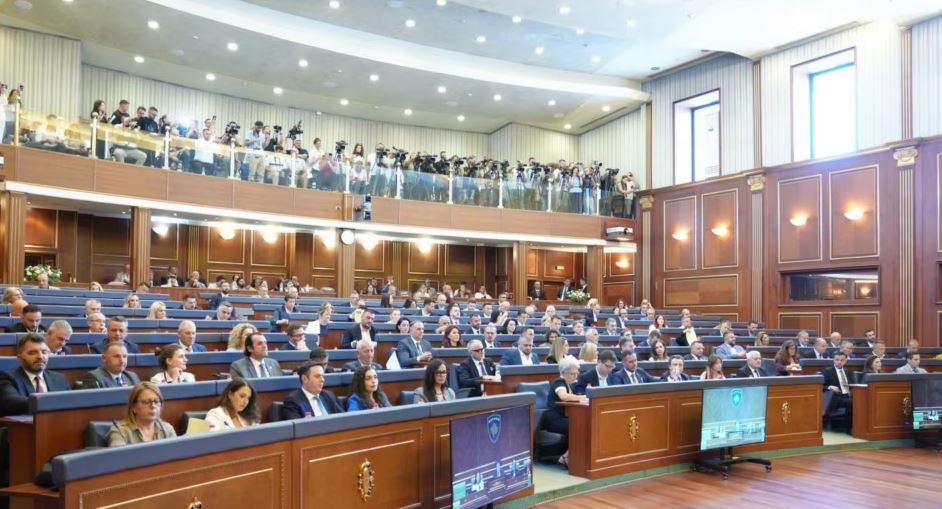
The argument put forth by some within the Assembly that the session "began" within the deadline, and therefore its "continuation" can occur later, is largely dismissed by legal scholars. They contend that the constitutive session’s purpose—to elect the Speaker and Deputy Speakers—must be fulfilled within the 30-day period. Failure to do so renders the process incomplete and constitutionally deficient. The Assembly, once constituted, derives its legitimacy from the proper adherence to these foundational procedures.
The implications of such a breach are far-reaching. It raises questions about the legitimacy of any decisions made by the Assembly if it is deemed to have been constituted outside constitutional norms. Furthermore, it sets a dangerous precedent, potentially eroding public trust in democratic institutions and the rule of law, which are cornerstones of Kosovo’s post-conflict development.
Official Responses and the Scramble for Blame
The announcement of the delay immediately triggered a cascade of condemnations from the opposition, each articulating their specific concerns and placing blame squarely on Vetëvendosje.
Lidhja Demokratike e Kosovës (LDK) issued a stern press release, stating: "The Democratic League of Kosovo unequivocally condemns the unconstitutional decision to postpone the constitutive session of the Assembly. This act is a direct assault on the Constitution of Kosovo and a blatant disregard for the democratic will of our citizens. Vetëvendosje, as the largest political entity, bears full responsibility for this institutional crisis. We call on them to immediately reverse this decision and ensure the Assembly convenes tonight to elect its leadership within the constitutional deadline. Failure to do so will have severe legal and political consequences, for which VV will be held accountable." LDK sources indicated they are exploring all legal avenues, including potential appeals to the Constitutional Court, should the deadline be breached.
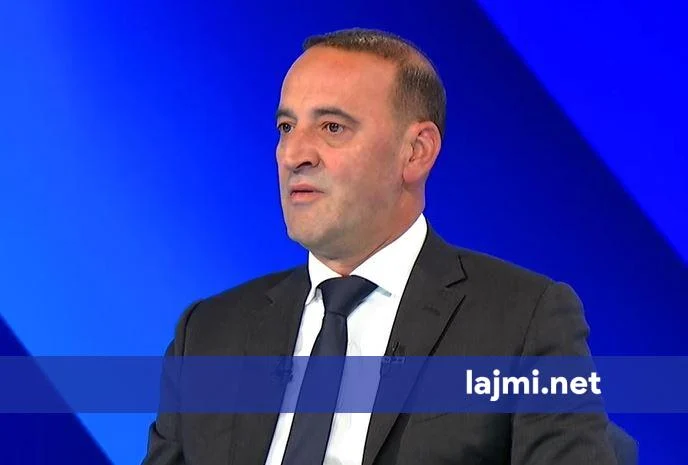
Aleanca për Ardhmërinë e Kosovës (AAK) echoed these sentiments, emphasizing the importance of institutional stability. Ramush Haradinaj, leader of AAK, reportedly stated, "Kosovo cannot afford a constitutional vacuum. This delay is irresponsible and jeopardizes the country’s stability and democratic credibility. We urge all political parties, especially the mandate-holder for government formation, to prioritize the Constitution above narrow party interests. The Assembly must be functional and legitimate to address the pressing challenges facing our nation."
The response from Partia Demokratike e Kosovës (PDK) was particularly complex, given the revelation of the acting Prime Minister’s offer. While also condemning the constitutional breach, PDK’s statement highlighted the broader political deadlock. "PDK insists on the strict adherence to the Constitution and demands that the constitutive session be finalized within the legally prescribed timeframe," read their official communication. "However, this crisis is a symptom of a deeper failure to form a stable and inclusive government. The latest proposal from the acting Prime Minister, offering the Speaker’s position to PDK in exchange for the Presidency for VV, while indicative of the current deadlock, does not absolve the responsibility to uphold the Constitution. We are currently evaluating this proposal in light of the current constitutional crisis and the national interest." This statement suggests an internal debate within PDK, weighing the strategic political offer against the principle of constitutional fidelity.
Vetëvendosje (VV), through its spokespersons, has largely maintained a defensive posture. While not directly addressing the constitutional breach in detail, they have reiterated their commitment to forming a stable government and have indirectly blamed the opposition for their "uncompromising stance" in negotiations. A spokesperson, speaking on condition of anonymity, stated: "We are working tirelessly to build a broad consensus for a stable government that can deliver on our mandate. The delay, while regrettable, is a result of the ongoing need for deeper consultations to avoid a fragile executive. We believe the spirit of the law, which is to ensure a functional Assembly, is being respected, and that a few hours’ extension will not undermine this." This explanation has failed to mollify critics, who argue that the "spirit of the law" cannot supersede the explicit letter of the Constitution.
The acting Prime Minister’s offer to PDK represents a significant twist. It indicates the extreme pressure VV is under to form a coalition and constitutes a major concession if VV were to relinquish the Speaker’s position, traditionally a strong political leverage point for the largest party. The offer for VV to secure the Presidency, a largely ceremonial but symbolically important role, suggests a strategic trade-off aimed at breaking the current impasse, even if it means sacrificing immediate control over the legislative agenda.
Potential Implications: A Looming Institutional Crisis
The deliberate extension of the Assembly’s constitutive session beyond the constitutional deadline carries a multitude of serious implications for Kosovo’s political stability, democratic legitimacy, and international standing.
1. Constitutional Crisis and Erosion of Rule of Law: The most immediate and profound implication is the creation of a constitutional crisis. If the Assembly reconvenes tomorrow, its legitimacy could be challenged, potentially leading to legal battles in the Constitutional Court. A ruling against the Assembly’s constitution would throw the entire legislative process into disarray, possibly requiring new elections or a complete restart of the constitutive process. This undermines the principle of the rule of law, suggesting that political expediency can trump constitutional mandates.
2. Institutional Paralysis: Without a properly constituted Assembly, Kosovo cannot proceed with the formation of a new government. The acting government continues to operate with limited powers, unable to implement new policies or make long-term strategic decisions. This paralysis affects crucial sectors, including economic development, foreign policy, and public services, at a time when Kosovo faces significant internal and external challenges.
3. Weakened International Standing: Kosovo’s aspirations for closer integration with the European Union and other international bodies are heavily dependent on its adherence to democratic norms and the rule of law. A constitutional crisis would undoubtedly draw criticism from international partners, potentially damaging Kosovo’s reputation and slowing down its Euro-Atlantic agenda. International observers and diplomats have already expressed private concerns about the protracted government formation process.
4. Erosion of Public Trust: Citizens, already weary of frequent political instability and corruption, are likely to view this constitutional breach with cynicism. It could further erode public trust in political institutions and leaders, leading to increased disillusionment and apathy, which are detrimental to a healthy democracy.
5. Precedent for Future Breaches: Allowing a constitutional deadline to be bypassed without significant consequences could set a dangerous precedent. Future political actors might be emboldened to disregard constitutional provisions for their own political gain, leading to a weakening of democratic checks and balances.
6. Renewed Call for Elections: If the deadlock persists and the constitutional legitimacy of the Assembly is questioned, the ultimate consequence could be a call for fresh parliamentary elections. While this might seem like a democratic solution, it would entail further delays, significant financial costs, and potentially lead to a similar fragmented political landscape, prolonging the cycle of instability.
Looking Ahead: A Tense Weekend for Kosovo
As Kosovo enters a weekend fraught with political tension, all eyes will be on the Assembly building on Saturday morning. The decision to proceed with the session outside the constitutional deadline presents a significant gamble for Vetëvendosje and the broader political class.
The immediate priorities for the nation’s political leadership must be to find a resolution that respects the Constitution and allows for the swift formation of a legitimate and functional government. Whether this involves a last-minute agreement tonight, a legal challenge to the postponed session, or a reevaluation of the constitutional limits by the Constitutional Court, the path forward remains uncertain.
The political future of Kosovo hangs precariously in the balance, with its leaders facing the ultimate test of their commitment to democratic principles and the rule of law. The outcome of this constitutional standoff will not only define the immediate political landscape but also set a critical precedent for the trajectory of Kosovo’s young democracy for years to come.