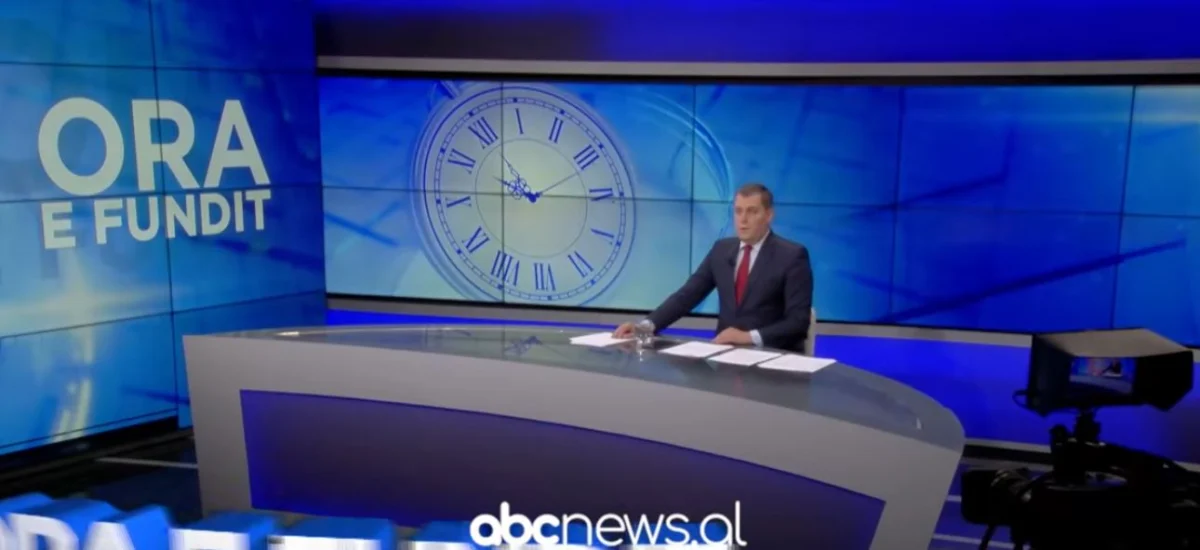
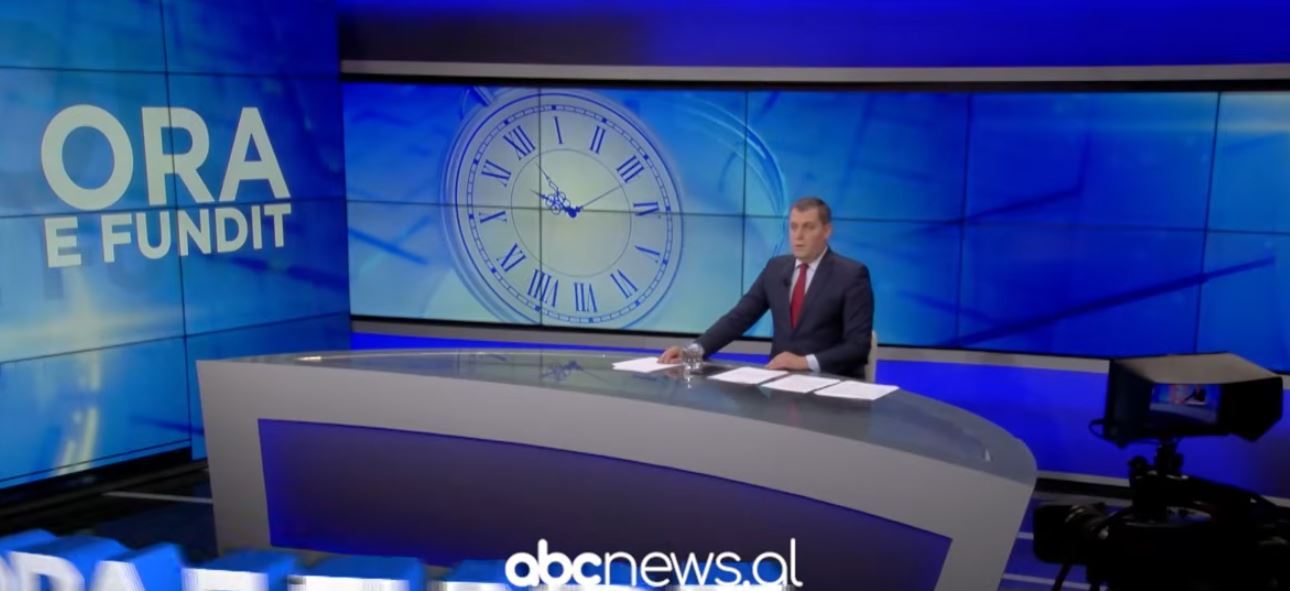
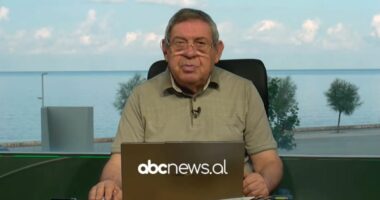
Tirana, Albania – July 24, 2026 – ABC News Albania aired its highly anticipated "Central Edition" on July 23, 2026, anchored by the esteemed journalist Emilian Islami. The program, a cornerstone of the network’s prime-time coverage, delivered a comprehensive overview of the nation’s most pressing issues, from a shocking domestic crime that has gripped public attention to critical discussions on the economy, tourism, and national security initiatives. The broadcast, available for replay and further analysis, underscored the dynamic interplay of challenges and progress defining contemporary Albania.
Islami’s edition, broadcast at 09:50 on July 24, 2026 (though referencing the previous day’s events), served as a vital platform for public discourse, meticulously dissecting recent developments and offering expert commentary. Key segments included an in-depth report on the tragic Roskovec crime, an analysis of Albania’s burgeoning tourism sector amidst protest concerns, updates on public safety initiatives, and a significant asset confiscation operation in Fier.
Main Facts: A Nation Under the Lens
Emilian Islami’s "Central Edition" on ABC News provided a panoramic view of Albania’s current affairs. The broadcast opened with the somber details of a domestic tragedy in Roskovec, where a former father-in-law was executed and the former mother-in-law wounded, allegedly by a suspect previously under house arrest for violent behavior. This incident immediately sparked nationwide outrage and calls for stricter enforcement of protective measures.
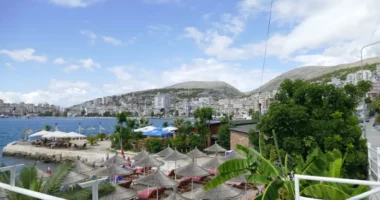
Shifting focus to the economic landscape, the program highlighted the paradoxical state of Albanian tourism. While Spanish media lauded the Albanian Riviera as an ideal escape from mass tourism, a concurrent ABC News poll revealed public concern that ongoing protests might be detrimental to the sector’s growth. This juxtaposition set the stage for a broader discussion on economic resilience and public perception.

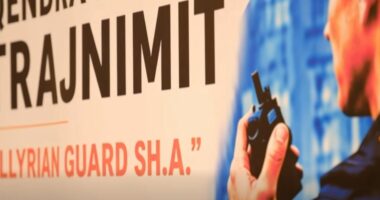
Furthermore, the edition covered significant governmental action, including Prime Minister Rama’s announcement of the first 100 "Illyrian Guard" volunteers being trained and certified for emergency and fire response – a crucial initiative as the summer season peaks. The fight against organized crime also featured prominently with the confiscation of 1.8 million euros in assets in Fier, targeting properties, bank accounts, and luxury vehicles. These diverse topics painted a vivid picture of a nation grappling with complex internal issues while striving for progress on multiple fronts.
Chronology of Key Events and Broadcast Segments
The "Central Edition" program was structured to provide a coherent narrative of the preceding day’s events and their broader implications.

Evening of July 23, 2026 – The Roskovec Tragedy Unfolds:
The program’s most impactful segment revolved around the Roskovec incident. Reports indicated that a violent domestic dispute escalated dramatically, leading to the murder of an elderly man and the severe injury of his wife. The alleged perpetrator, identified as the ex-son-in-law, reportedly carried out the heinous act despite being under house arrest, a detail that ignited immediate public and political scrutiny. Relatives of the victims revealed that the suspect had a history of violence and had been previously denounced for attempting to forcibly take his daughter. This timeline of events laid bare critical failings in the justice system’s oversight of high-risk individuals.
Morning of July 24, 2026 – Economic and Security Responses:
As the nation awoke to the news from Roskovec, other significant stories developed.

- Tourism Spotlight: ABC News featured an encouraging report from Spanish media outlets, which praised the Albanian Riviera as an emerging, unspoiled destination, a refreshing alternative to overcrowded European hotspots. This positive international coverage provided a counterpoint to domestic anxieties.
- Public Safety Initiative: Concurrently, Prime Minister Edi Rama announced the successful training and certification of the initial cohort of 100 "Illyrian Guard" volunteers. This rapid deployment of community-based responders aims to bolster the country’s capacity to manage natural disasters and emergencies, particularly prevalent during the summer months.
- Anti-Crime Breakthrough: News broke of a major police operation in Fier, resulting in the confiscation of assets valued at 1.8 million euros. This action, targeting illicit wealth acquired through criminal activity, represented a significant strike against organized crime and money laundering networks in the region.
Emilian Islami meticulously wove these disparate threads into a cohesive broadcast, demonstrating how each event, from local tragedy to national policy, contributes to the evolving narrative of Albania. The program effectively transitioned between the raw human element of crime, the strategic implications of economic development, and the proactive measures taken for public security.
Supporting Data and In-Depth Analysis
The "Central Edition" went beyond mere reporting, offering crucial context and analytical depth to each major story.

The Roskovec Crime: A Crisis of Domestic Violence and Judicial Oversight:
The Roskovec tragedy brought into sharp focus the persistent issue of domestic violence in Albania and the challenges within the country’s judicial and law enforcement systems. The victim, an elderly man, was tragically killed while his wife sustained severe injuries. The suspect’s alleged history of violence and the fact that he was under house arrest – a measure intended to restrict movement and prevent further harm – raised serious questions about the effectiveness of monitoring mechanisms. Experts on the program debated whether the current legal framework adequately protects victims and if resources allocated for monitoring individuals under house arrest are sufficient. Social workers and legal analysts highlighted the critical need for better coordination between police, courts, and social services to ensure that denunciations are thoroughly investigated and protective orders rigorously enforced. The incident also reignited calls for increased public awareness campaigns and support systems for victims of domestic abuse.
Albanian Tourism: Between International Acclaim and Domestic Unease:
The segment on tourism presented a nuanced picture. The glowing reviews from Spanish media underscored the international appeal of Albania’s pristine coastline, cultural heritage, and competitive pricing. These reports often highlight the authentic experience offered by the Albanian Riviera, attracting a growing segment of tourists seeking off-the-beaten-path destinations. However, the ABC News poll, asking "Are protests damaging tourism in Albania?", revealed a significant undercurrent of concern among the local population. While the poll results were still being compiled, early indications suggested a divided public opinion. Economists interviewed on the program acknowledged that while isolated protests might have minimal long-term impact, prolonged or widespread unrest could deter potential visitors, impacting bookings and investment. The discussion emphasized the importance of political stability for sustained economic growth in the tourism sector, a vital component of Albania’s national income.

"Illyrian Guard": Bolstering National Emergency Response:
Prime Minister Rama’s announcement regarding the "Illyrian Guard" was presented as a strategic move to enhance Albania’s resilience against natural disasters, particularly wildfires which frequently plague the country during hot summers. The certification of 100 initial volunteers represents a foundational step in building a robust, community-based emergency response network. The program highlighted that these volunteers undergo rigorous training in first aid, firefighting techniques, search and rescue operations, and disaster preparedness. This initiative aims to decentralize emergency response, allowing for quicker intervention in remote areas and complementing the efforts of professional emergency services. Analysts praised the concept, noting its potential to foster a sense of civic duty and preparedness within local communities, while also calling for sustained funding and continuous training to ensure the program’s long-term effectiveness.
Fier Asset Confiscation: A Blow Against Organized Crime:
The confiscation of 1.8 million euros in assets in Fier was presented as a significant victory in Albania’s ongoing battle against organized crime and corruption. The assets, which included real estate, luxury vehicles, and substantial bank accounts, were identified as proceeds from illegal activities. This operation showcased the concerted efforts of law enforcement and judicial bodies to trace, freeze, and recover illicit wealth, thereby disrupting criminal networks’ financial lifelines. Legal experts on the program explained the intricate process of asset forfeiture, emphasizing its importance not only in punishing criminals but also in demonstrating that crime does not pay. The scale of the confiscation underscored the pervasive nature of organized crime but also signaled a stronger commitment from state institutions to uphold the rule of law and reclaim illegally acquired property for the public good.

Official Responses and Statements
Throughout the "Central Edition," Emilian Islami incorporated official statements and government reactions, providing insight into how state institutions are addressing these complex issues.
On the Roskovec Crime:
In the immediate aftermath of the Roskovec tragedy, the Ministry of Interior and the State Police issued statements condemning the act and assuring the public of a swift and thorough investigation. High-ranking police officials confirmed the apprehension of the suspect and highlighted the challenges of monitoring individuals under house arrest, promising a review of existing protocols. The Minister of Justice also weighed in, expressing condolences to the victims’ families and emphasizing the government’s commitment to strengthening legal frameworks against domestic violence. There were calls from parliamentary committees for an urgent inquiry into the judicial decisions leading to the suspect’s house arrest and the subsequent monitoring failures.

On Tourism and the Economy:
The Ministry of Tourism and Environment reacted positively to the Spanish media’s glowing portrayal of the Albanian Riviera. A spokesperson reiterated the government’s strategic focus on sustainable tourism development and cultural promotion. Regarding the ABC News poll on the impact of protests, government officials adopted a measured tone, acknowledging the right to protest but also appealing for constructive dialogue to avoid any undue harm to the tourism sector, which they stressed was vital for job creation and economic growth. The Minister of Finance offered an optimistic outlook on Albania’s economic trajectory, citing diversified growth and increased foreign investment, while also acknowledging global economic headwinds, such as those indicated by the DW report on German bankruptcies.
On the "Illyrian Guard" Initiative:
Prime Minister Edi Rama personally championed the "Illyrian Guard" initiative. In a public statement, he lauded the dedication of the first 100 volunteers, describing them as "modern-day heroes" embodying the spirit of community and resilience. He underscored the government’s vision to expand the program nationwide, creating a robust network of trained citizens capable of responding to emergencies alongside professional forces. Rama emphasized that this initiative was not merely about disaster response but also about fostering a stronger sense of civic responsibility and national unity.
On the Fier Asset Confiscation:
The Special Prosecution Against Corruption and Organized Crime (SPAK) issued a press release detailing the Fier asset confiscation. Prosecutors highlighted the meticulous investigation that led to the identification and seizure of the 1.8 million euro assets, reiterating SPAK’s unwavering resolve to combat illicit enrichment and dismantle organized criminal structures. The statement served as a strong warning to those engaged in illegal activities, affirming that the state possesses the mechanisms and determination to trace and recover criminal proceeds.
Implications and Future Outlook
Emilian Islami’s "Central Edition" concluded by exploring the broader implications of these events for Albania’s future, offering both cautious optimism and urgent calls for reform.
Societal Impact and Justice Reform:
The Roskovec tragedy has profound societal implications, reigniting a national conversation about the prevalence of domestic violence and the urgent need for more effective intervention and protection mechanisms. The incident puts immense pressure on the judiciary and law enforcement to review and reform procedures related to house arrest and monitoring of high-risk individuals. The public demands not only justice for the victims but also systemic changes to prevent similar tragedies. This could lead to legislative amendments, increased training for judicial and police personnel, and enhanced resources for victim support services. The emotional resonance of such crimes often serves as a catalyst for significant social and legal reforms.
Economic Trajectory and Sustainable Tourism:
The dual narrative of thriving tourism and potential protest-related setbacks underscores the delicate balance Albania must maintain for sustainable economic growth. The positive international media attention is invaluable, positioning the Albanian Riviera as a premier destination. However, the concerns raised in the ABC News poll cannot be ignored. The government faces the challenge of fostering a stable political and social environment that encourages both domestic and international visitors. Future economic strategies will likely focus on diversifying tourism offerings, investing in infrastructure, and ensuring that local communities directly benefit from the industry. The broader European economic context, as highlighted by the German bankruptcies, also suggests a need for Albania to strengthen its internal market and reduce reliance on external economic fluctuations.
Enhanced Public Safety and Governance:
The "Illyrian Guard" initiative represents a forward-thinking approach to public safety and emergency management. Its successful implementation could significantly reduce the human and economic costs of natural disasters, particularly during critical periods like the summer fire season. The program’s expansion would signify a shift towards a more resilient and prepared nation, built on community participation. Furthermore, continued efforts in asset confiscation, like the operation in Fier, are crucial for demonstrating the state’s commitment to rule of law and good governance. These actions not only strip criminals of their ill-gotten gains but also send a powerful message about transparency and accountability, vital for attracting legitimate foreign investment and fostering a healthier business environment.
Emilian Islami’s "Central Edition" on ABC News Albania, through its comprehensive coverage and insightful analysis, served as a crucial barometer of the nation’s pulse. It highlighted a society actively grappling with its challenges while simultaneously striving to harness its potential. The program underscored the vital role of independent journalism in informing public debate, holding institutions accountable, and shaping the national dialogue on issues that matter most to the citizens of Albania. As the country navigates these complex currents, the continued vigilance and informed discourse fostered by such broadcasts will be indispensable.