The current turbulence in North American cross-border logistics is frequently misdiagnosed as a simple lack of trucks. However, a deeper examination of the supply chain reveals a more systemic issue: a fundamental failure of pricing models that is being masked as a capacity shortage. As trade volumes between the United States and Mexico surge, shippers and logistics providers alike are discovering that the traditional "over-the-road" (OTR) playbook is no longer sufficient to navigate a rapidly evolving nearshoring landscape.
The Pricing Model Failure: A Symptom, Not a Cause
The companies successfully moving freight across the border today share one defining characteristic: they have secured physical assets. For many others, the reality is far more precarious. Shippers who believed they had "locked in" capacity are finding that their contracts are effectively worthless.
The mechanism of this failure is clear. Brokers and carriers are increasingly turning down loads because the rates agreed upon six months ago—in a different economic climate—no longer cover the actual cost of operation. Several factors have converged to create this environment: a tightening of U.S. immigration enforcement has significantly reduced the pool of Mexican drivers willing to undertake northbound crossings, while volatile fuel costs spiked long after initial contracts were finalized.
Consequently, brokers who are contractually bound to these rates are forced to absorb the massive gap between their commitment and the prevailing market rate. When they inevitably fail to provide capacity, it is not because the trucks do not exist; it is because the price-capacity mismatch makes the load economically unviable. What is being reported as a "shortage" is, in reality, a refusal to operate at a loss.
A Chronology of Nearshoring and Infrastructure Strain
The current logistical bottlenecks are the culmination of a multi-year shift in global manufacturing strategy.
- 2021–2022: The Post-Pandemic Pivot: Following the global supply chain disruptions of the COVID-19 pandemic, corporations began aggressively pursuing "nearshoring." Mexico emerged as the primary beneficiary, with companies moving production closer to the U.S. consumer to mitigate transit times and geopolitical risk.
- 2023–2024: The Investment Surge: Foreign direct investment (FDI) into Mexico began to accelerate at an unprecedented clip. As USMCA (United States-Mexico-Canada Agreement) trade policies solidified, manufacturing exports from Mexico to the U.S. grew by approximately $150 billion.
- 2025: The Infrastructure Wall: By the first three quarters of 2025, Mexico had absorbed $41 billion in FDI—a 15% year-over-year increase. Notably, greenfield manufacturing investments tripled to $6.56 billion. As this industrial capacity came online, it became apparent that the logistics infrastructure—the roads, rail, and warehouse networks—had not scaled to match the industrial output.
- 2026 and Beyond (Projected): Industry analysts project that Mexico will attract between $40 and $45 billion in FDI in 2026. As projects that were stalled during periods of trade policy uncertainty finally come to fruition, the pressure on existing logistics networks is expected to reach a breaking point.
Supporting Data: The Scale of the Disconnect
The disconnect between trade growth and infrastructure capacity is quantifiable. While the cross-border freight market is a $73 billion industry growing at a healthy 4% annually, the service model remains antiquated.
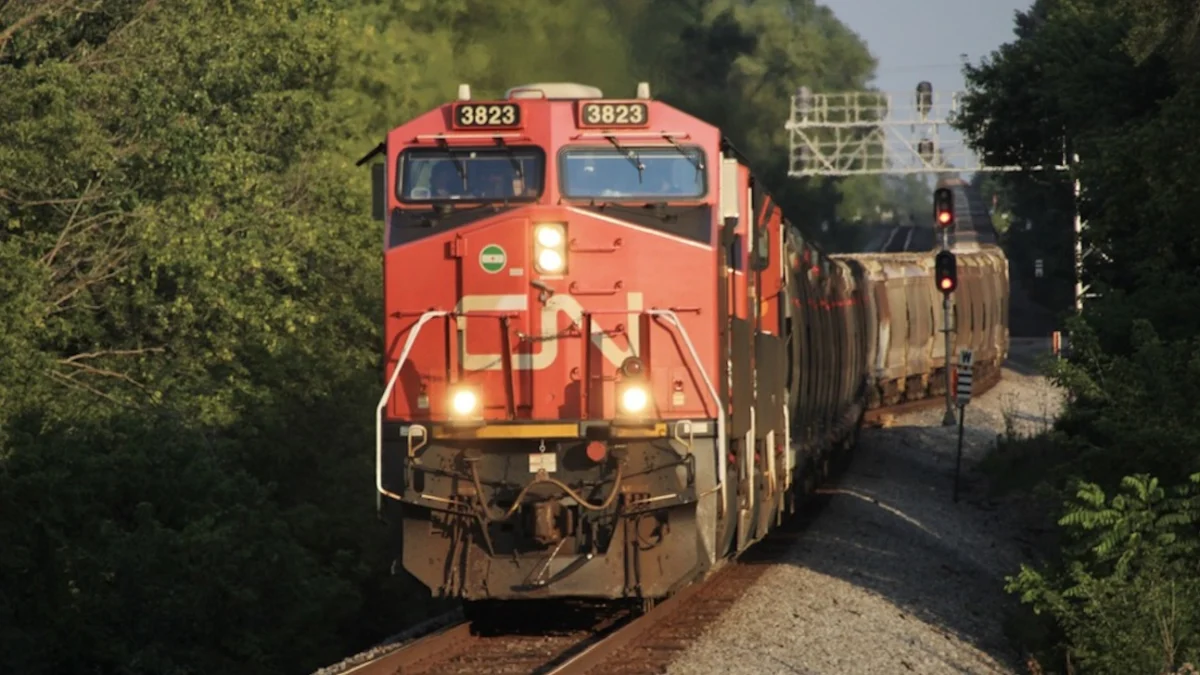
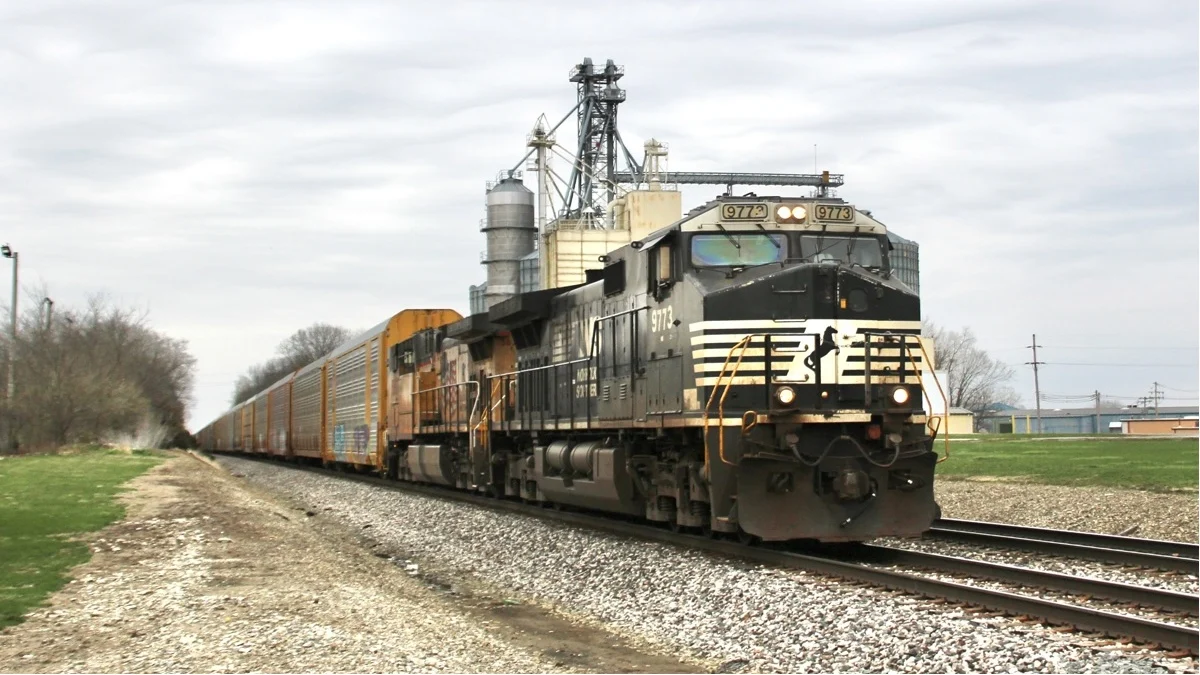
Data indicates that logistics providers still concentrate more than 90% of their operations on over-the-road trucking. This heavy reliance on a single mode creates a "brittle" network. Cross-border intermodal shipping—the use of rail to handle long-haul freight—remains severely underutilized, as does the integration of domestic Mexican drayage and temperature-controlled logistics.
Currently, these auxiliary services are treated as "add-ons" rather than core, integrated components of the supply chain. When one piece of this fragile chain fails—whether due to a border crossing delay, a driver shortage, or a regulatory shift—there is no viable backup, leading to total systemic paralysis.
Industry Perspectives and Official Responses
Industry experts and trade analysts are increasingly vocal about the need for a paradigm shift. According to recent surveys, such as those conducted by Dimerco, Asia Pacific shippers and their North American counterparts are bracing for "ongoing supply chain volatility."
The consensus among logistics consultants is that the industry is suffering from "strategic inertia." Many shippers continue to rely on the same procurement strategies they used a decade ago, assuming that capacity will always be available if they simply pay a spot-market premium. However, the current reality suggests that the premium is rising faster than the shippers’ budgets can accommodate.
"We are seeing a trend where the shippers who treated the disruptions of the last two years as a call to action are thriving, while those who waited for the market to ‘normalize’ are falling behind," notes one supply chain analyst. The "normalization" that many are waiting for is unlikely to occur, as the structural shift toward nearshoring represents a permanent change in the North American trade map.
Strategic Implications: Redesigning the Network
For stakeholders, the window to redesign supply chain networks is currently open, but it is closing rapidly. As volume picks up in 2026, those who have not diversified their logistics modes will find themselves trapped in a cycle of paying peak-rate prices for unreliable service. To survive this transition, shippers must adopt three critical strategies:
1. Diversify from OTR-Dependence
Shippers must audit their lanes to identify which are entirely dependent on over-the-road transit. For non-time-sensitive freight, intermodal alternatives should be established immediately. Securing these options now, while demand remains somewhat manageable, will provide a massive competitive advantage. Waiting until the next surge will force shippers to pay a premium to build infrastructure that their competitors have already integrated.
2. Invest in Bonded Warehousing
Bonded warehouse capacity on both sides of the border is essential for modern risk management. These facilities offer the flexibility to stage freight, defer duties, and—most importantly—keep product flowing even when specific border crossing points are congested. In a high-volume environment, the ability to store and pivot freight is the difference between an on-time delivery and a catastrophic customer service failure.
3. Establish Direct Mexico-Canada Routing
The reliance on U.S. transit for all cross-border goods is a significant point of vulnerability. Shippers should prioritize securing at least one direct Mexico-Canada routing option. While the carrier relationships and regulatory groundwork required for such routes are time-consuming to develop, they provide a vital "insurance policy" against U.S. domestic bottlenecks. When the next major disruption hits, the shippers who have these lanes in place will be the only ones capable of maintaining consistent flow.
Conclusion: The Cost of Inaction
The past two years have served as a diagnostic preview of what the next decade will look like. The logistical crises faced by shippers today are not temporary anomalies that will vanish with time; they are the logical outcomes of a system that has failed to scale alongside the industrial reality of North America.
The shippers who view the current environment as a reason to rebuild their networks, rather than wait for the storm to pass, are already positioning themselves for long-term stability. The cost of building a more resilient, multimodal network is significant, but it is arguably lower than the cost of being sidelined by a failure of infrastructure when the next wave of nearshoring hits full force. In the new landscape of cross-border trade, flexibility is the only true currency.