In the modern digital ecosystem, the most precious resource a marketing leader possesses is not budget, headcount, or proprietary technology—it is attention. As the volume of content continues to explode, the barrier to entry for grabbing a marketer’s focus has reached an all-time high.
For years, the industry consensus was that "more is better." Brands flooded inboxes with newsletters, blog posts, and white papers, assuming that visibility equated to authority. However, recent data from Convince & Convert (C&C) suggests a tectonic shift in consumer behavior. Marketing leaders are no longer looking for more information; they are desperate for better filters.
This reality has forced a strategic pivot among industry leaders, including Convince & Convert, which recently rebranded its legacy newsletter, ON, into a new, insights-driven format titled The Trendline. This transition serves as a bellwether for the future of email marketing: a move away from the "link-farm" model toward high-value, self-contained strategic debriefs.
The Data-Driven Catalyst: Why Newsletters Still Rule
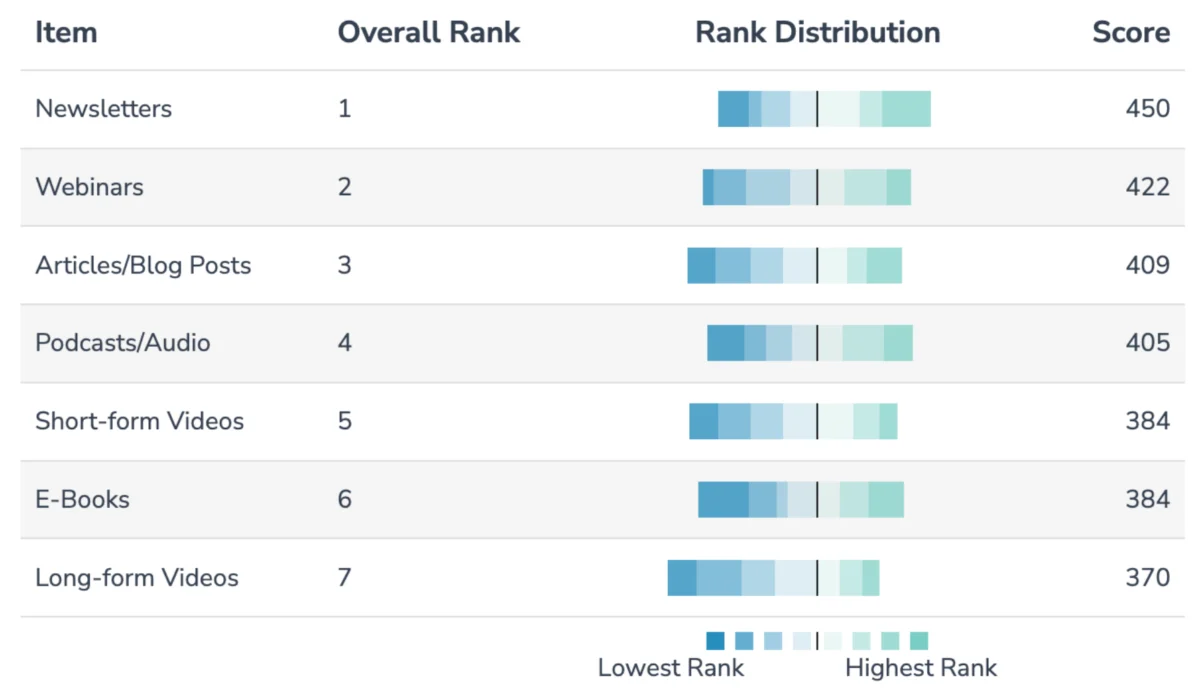
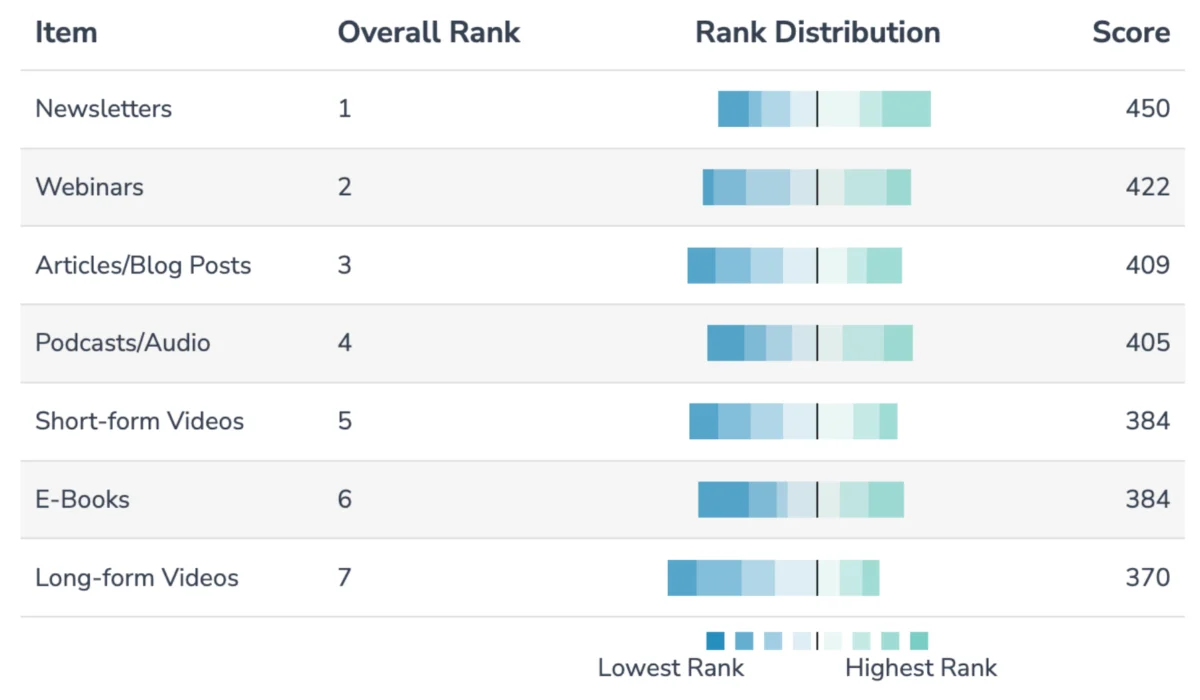
The decision to overhaul a long-standing communication strategy was not born of intuition, but of rigorous audience research. In an annual survey conducted by Convince & Convert, the agency asked a cohort of marketing leaders to rank their preferred channels for consuming industry trends and insights.
The results were decisive. Newsletters outperformed short-form video, webinars, blogs, and podcasts by a significant margin. When asked to rank seven different content formats from one to seven, respondents consistently placed newsletters in the top spot, citing them as their primary source for staying informed.
The data suggests that while the media landscape has diversified, the newsletter remains the most trusted "daily briefing" tool for professionals. Why? Because the modern marketer is suffering from "content fatigue." They do not need another list of links to click; they need a trusted guide to interpret the chaos and explain why a specific trend matters to their bottom line.
Chronology of a Rebrand: From "ON" to "The Trendline"
For years, Convince & Convert utilized the ON newsletter, a traditional aggregator that served as a content hub for the agency’s blog posts, podcasts, and research reports. It was a functional, medium-based approach: if C&C produced a new piece of content, it went into the newsletter.
However, as the digital landscape matured, the limitations of this format became apparent. The agency realized that forcing readers to click through to external sites for every insight was becoming a friction point. In 2024, the team began the process of evaluating the effectiveness of their owned media.
The transition involved three key shifts in thinking:

- Value Upfront: Moving from "teaser" content that requires clicks to "insight-rich" content that can be consumed entirely within the email client.
- Strategic Lens: Shifting the focus from simply reporting news to providing a "debrief" that explains the strategic implications of that news.
- Format Hierarchy: Redesigning the newsletter structure so that it is no longer organized by content type (e.g., "Our Blog," "Our Podcast") but by topical importance.
This led to the official launch of The Trendline in early 2025, a project that redefined the agency’s email marketing strategy from a distribution channel to a strategic resource.
Supporting Evidence: The Failure of the "Link-Farm" Model
For decades, the "link-farm" newsletter—a compilation of industry news with brief snippets—was the gold standard. However, the quality bar has been raised. In an era where AI can generate summaries in seconds, a human-curated newsletter must offer more than just curation; it must offer perspective.
When a brand’s newsletter relies on the reader to "click here to find out why this matters," they are effectively offloading the value proposition to a different webpage. If the reader does not click, the brand has failed to deliver value.
Convince & Convert observed that their audience of senior decision-makers—CMOs, directors, and strategists—rarely had time for the "click-through dance." They required information that allowed them to make immediate decisions. By restructuring The Trendline as a self-contained briefing, the agency ensured that even if a reader only spent three minutes with the email, they walked away with a new idea or a clearer understanding of a marketing shift.
Official Response: The Philosophy of "Less, but Better"
The leadership at Convince & Convert views this evolution as a fundamental change in how agencies build authority.
"My theory is that marketing leaders don’t need more content," says the editorial team. "They need better filters."
This philosophy is applied not only to their newsletter but to how they interact with clients. When presenting research to high-level executives, the focus is on outcomes, not volume. They have applied this same principle to their editorial strategy: The Trendline is designed as a "debrief" rather than a news feed. It answers three questions for the reader:
- What happened?
- Why does it matter?
- What questions should we be asking?
By prioritizing the "Why" over the "What," the agency has successfully positioned its newsletter as a tool for critical thinking rather than a digital bulletin board.
Strategic Implications: The Future of Email Marketing
The move to The Trendline carries broader implications for any brand operating in the B2B space. As social media algorithms become more volatile and organic reach diminishes, owned media channels like email are the only remaining direct line to an audience.

However, owning the channel is not enough; one must also own the attention. The lessons from this transition include:
1. Shift from Medium-Based to Topic-Based Formatting
Stop organizing newsletters by "Blog, Podcast, Video." Organize them by the problems your audience is trying to solve. If your audience is struggling with lead generation, curate the content—regardless of medium—under that theme.
2. Implement "Sound Off" Engagement Metrics
Move beyond "vanity metrics" like open rates and clicks. By including interactive polls or "Sound Off" questions at the end of each edition, brands can gather qualitative data on how their audience feels about specific topics, creating a feedback loop that informs future strategy.
3. The "No-Click" Value Proposition
While you should always provide links for those who want to dive deeper, ensure that the core value of the newsletter can be gleaned without a single click. If your email is empty without an external link, it isn’t a newsletter—it’s an ad.
4. Humanize the Lens
Marketing leaders are tired of sanitized, corporate speak. The Trendline emphasizes a "strategic lens," which implies that the content is filtered through the specific expertise of the agency’s team. This builds a parasocial relationship between the brand and the reader, where the reader trusts the person behind the newsletter to curate the world for them.
Conclusion: Rethinking the Inbox
The transition to The Trendline is more than a branding exercise; it is an admission that the rules of engagement have changed. In an era of infinite content, the brands that win will be those that respect their audience’s time by providing deep, actionable insights rather than broad, shallow updates.
For marketing leaders, the mandate is clear: Stop fighting for more clicks and start fighting for more clarity. Whether through a weekly debrief, a curated industry pulse, or a strategic thought-piece, the goal of modern email marketing is to help the reader learn, think, and smile—all within the confines of their inbox.
As we look toward the remainder of 2025, the success of this strategy serves as a blueprint for any organization looking to reclaim the attention of a distracted, overwhelmed, and increasingly discerning audience. The future of content isn’t in volume; it is in the filter.