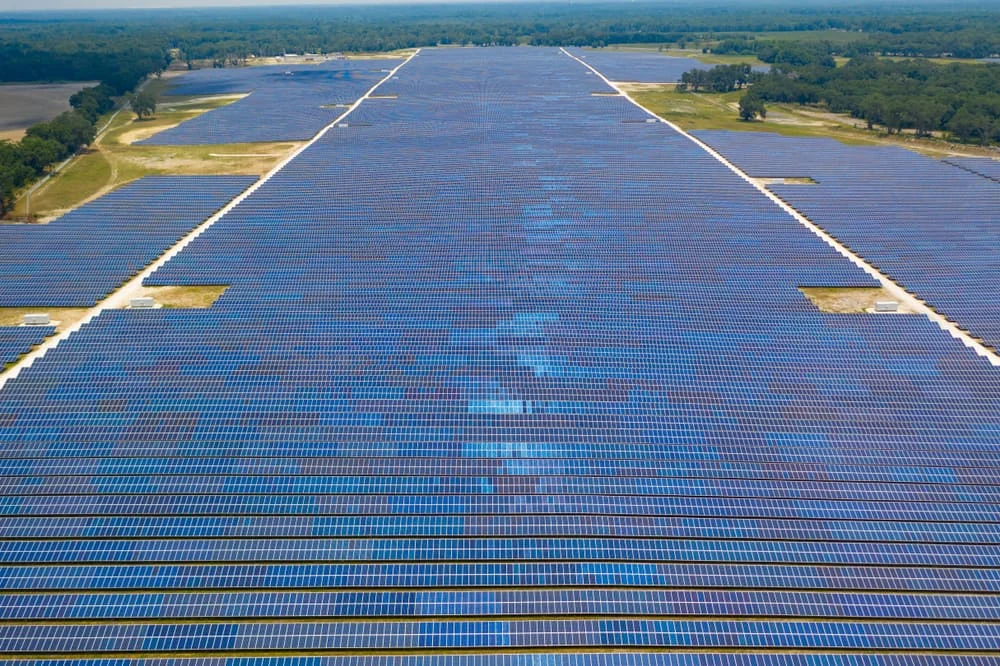
The global sugar industry has long been defined by its primary output: sucrose. However, for every ton of sugar refined, a significant volume of low-value processing residues—molasses, press liquors, and vinasse—is generated. Traditionally, these byproducts have been viewed as an industrial burden, sold at nominal prices for animal feed or discarded with minimal economic return.
Today, that narrative is being rewritten. Planetary, a Swiss fermentation technology firm, has emerged as a leader in the industrial circular economy, building a commercial model that transforms these "waste" streams into high-value food ingredients. By embedding fermentation technology directly into existing sugar infrastructure, Planetary is not only creating a new revenue stream for processors but also addressing the fundamental economic barrier of the alternative protein sector: the cost of production.
The Core Innovation: BioBlocks™ and Industrial Symbiosis
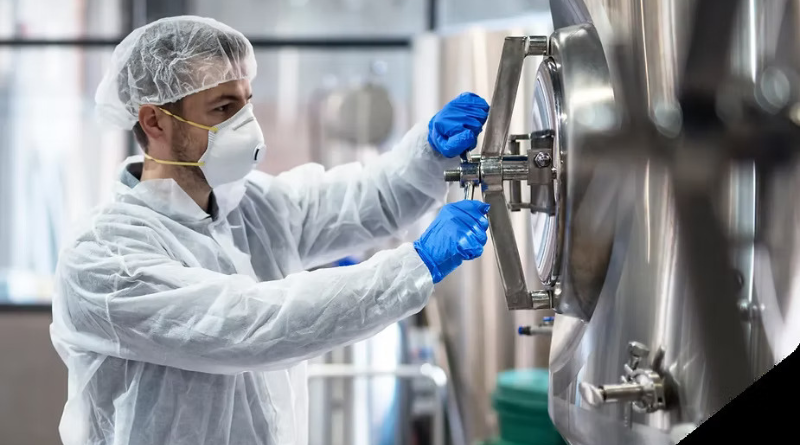
At the heart of Planetary’s operation is its proprietary BioBlocks™ fermentation system. Recognized by the World Intellectual Property Organisation’s (WIPO) GREEN initiative as a top-tier environmentally sound technology, the system acts as a modular, scalable "plug-and-play" infrastructure.
Unlike traditional food-tech startups that attempt to build costly, standalone "cathedrals" of manufacturing, Planetary operates on a capital-light, licensing-based model. They partner with sugar producers to install their fermentation units directly at the point of production. This co-location strategy is the linchpin of their success: it eliminates the need to transport raw, liquid-heavy feedstock across continents, drastically reducing logistics costs and carbon footprints.
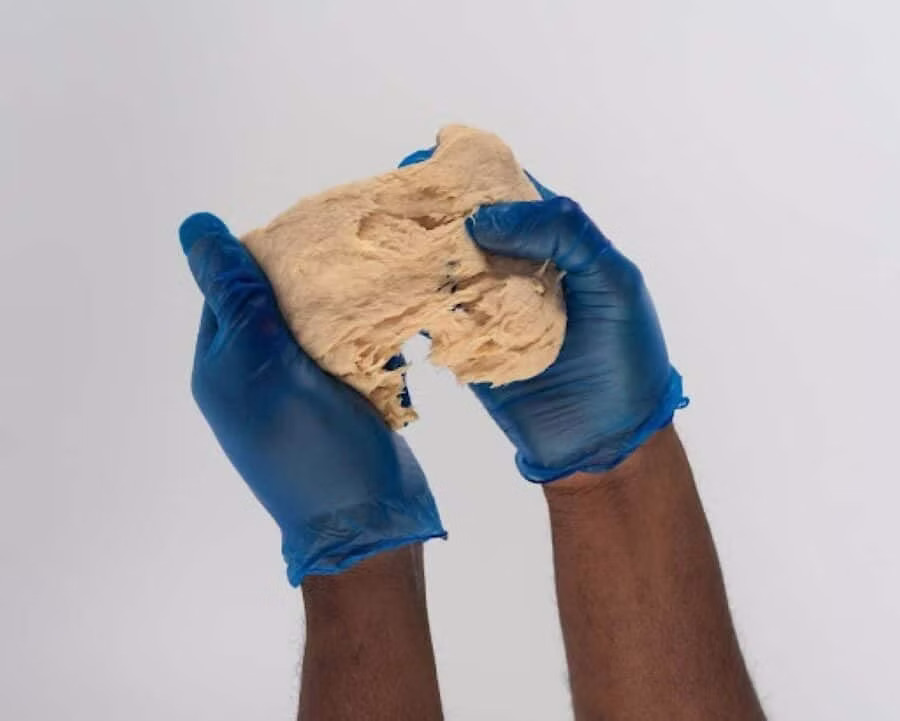
By utilizing these nutrient-rich sugar residues as a growth medium, Planetary produces food-grade proteins, dietary fibers, and functional enzymes. This symbiotic relationship turns a sugar mill—traditionally a single-commodity business—into a multi-output biorefinery.
A $28 Million Vote of Confidence: Capital in a Challenging Climate
In a venture capital landscape currently dominated by artificial intelligence and defense spending, securing funding for deep-tech food infrastructure requires significant proof of concept. Planetary recently defied market headwinds by closing a $28 million financing round, consisting of $20 million in Series A equity and $7.5 million in credit facilities, bringing the company’s total funding to approximately $40 million.
The round was led by Radikal Capital and Oetker Ventures, with strong participation from a diverse coalition including Royal Cosun, Arc Investors, the Green Generation Fund, and the AgriFoodTech Venture Alliance. Existing backers Astanor Ventures and XAnge also doubled down, signaling institutional trust in the company’s long-term vision.
Investor Composition and Strategic Alignment
The investor roster is particularly noteworthy for its strategic breadth. It includes agricultural cooperatives like the Netherlands-based Royal Cosun—a powerhouse in sugar beet processing—alongside food industry corporates and venture capital firms. This mix provides Planetary with more than just capital; it provides a roadmap for integration into the global supply chain. The presence of agricultural cooperatives indicates that the "old guard" of the food industry is actively seeking ways to diversify their assets through biotechnology.
Chronology: From Concept to Supermarket Shelf
The growth trajectory of Planetary has been marked by rapid, calculated milestones:
- 2023–2024 (Foundation and Scaling): The company refines its BioBlocks™ technology and initiates partnership discussions with major European sugar processors.
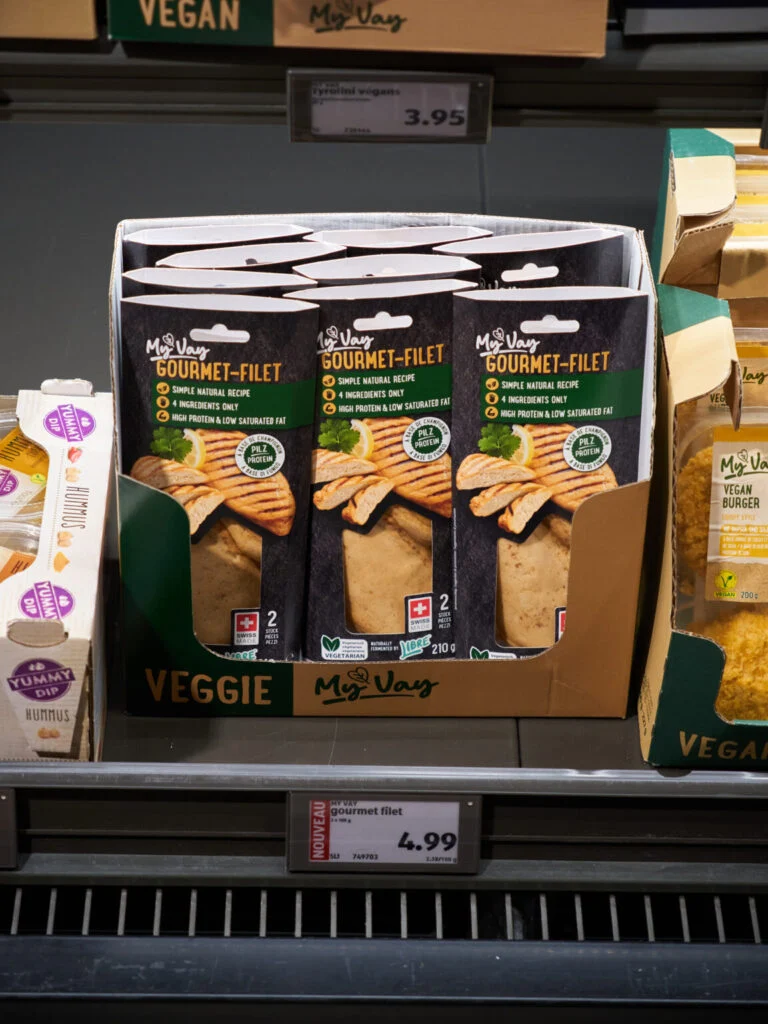
- 2025 (Commercial Breakthrough): Planetary achieves a major retail milestone by launching a mycoprotein-based chicken filet at price parity with conventional poultry across 250 ALDI Suisse stores. This proves that fermentation-derived protein does not have to be a "luxury" product.
- Mid-2026 (Funding Milestone): The successful completion of a $28 million financing round validates the company’s pivot toward scaling its European footprint and initiating international expansion.
- Late 2026 and Beyond: The company prepares for a second closing of the Series A round and begins site-selection for expansion into sucrose-rich, protein-deficient markets such as India.
Industrial-Scale Reality: The Aarberg Model
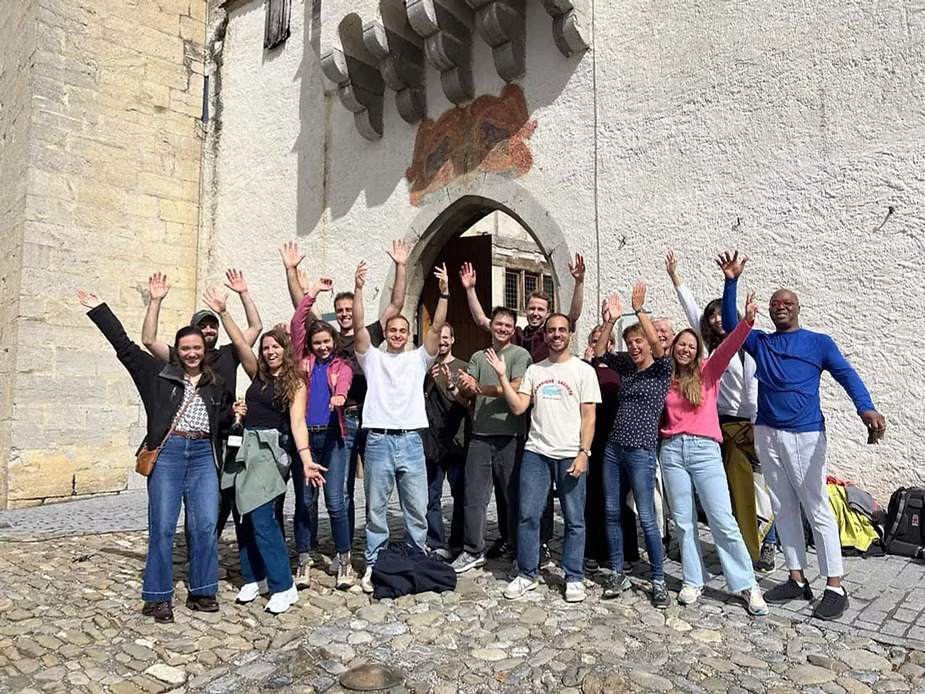
The company’s facility in Aarberg, Switzerland, operated in collaboration with Schweizer Zucker, serves as the "proof-of-life" for the business model. By operating at industrial scale, the facility demonstrates that the fermentation of sugar byproducts is not just a laboratory curiosity but a viable, high-output industrial process.
The site serves as a blueprint for future deployments. In an era of supply chain fragility, the ability to produce high-density nutrition in localized, circular environments is becoming a strategic asset. CEO David Brandes notes that while geopolitical uncertainty and commodity price volatility have made fundraising more arduous, these same factors are driving demand for resilient, localized food systems.
Implications for the Alternative Protein Industry
For years, the "alternative protein" sector—encompassing plant-based meats and precision fermentation—has struggled with the "price gap." Consumers have historically been reluctant to pay a premium for meat alternatives, especially during periods of high inflation.
Planetary’s success in hitting price parity with conventional chicken represents a paradigm shift. By avoiding the massive capital expenditure (CAPEX) associated with building custom plants and instead utilizing "found" feedstock from the sugar industry, Planetary bypasses the highest cost drivers of the sector.
Beyond the "Meat" Narrative
Planetary is not solely betting on the meat-alternative market. Through its B2B brand, Libre, the company is targeting a broad spectrum of applications, including:
- Dairy alternatives: Providing the texture and nutritional density required for high-quality cheese and milk analogues.
- Hybrid products: Mixing mycoprotein with traditional plant proteins to improve mouthfeel and nutritional profiles.
- Fibre-enriched foods: Utilizing fermentation byproducts to boost the nutritional value of standard consumer packaged goods.
This diversification is a deliberate defense mechanism. Having observed the plateauing of sales in certain plant-based meat categories, Planetary is ensuring that its technology is essential across multiple segments of the food industry, rather than being tethered to the volatility of a single product trend.
The Global Horizon: India and the Emerging Market Strategy
Looking ahead, Planetary has set its sights on a bold objective: achieving production costs of below $1 per kilogram. This is the "holy grail" of the fermentation industry, a price point that would allow mycelium-based proteins to compete directly with low-cost commodity proteins globally.
The company has identified India as a primary target for this expansion. The logic is compelling: India possesses a massive sugar cane industry that generates vast amounts of molasses and residual sugars, while simultaneously facing a structural undersupply of high-quality, sustainable protein for its growing population. By exporting the BioBlocks™ model to India, Planetary aims to leapfrog the traditional, resource-intensive protein supply chain.
Conclusion: A New Era for Sugar
The story of Planetary is one of "industrial alchemy." By reframing sugar processing residues as a valuable feedstock rather than a waste stream, the company is bridging the gap between legacy agriculture and the future of food.
As Planetary prepares for its next phase of growth, the broader food industry is taking note. If a company can successfully embed itself into the global sugar trade—a multi-billion dollar industry—the implications for the future of nutrition are profound. We are moving toward a world where our food is not just grown on farms, but expertly crafted in the circular biorefineries of tomorrow. For investors, stakeholders, and consumers alike, Planetary’s model offers a glimpse into a more efficient, less wasteful, and more resilient global food system.