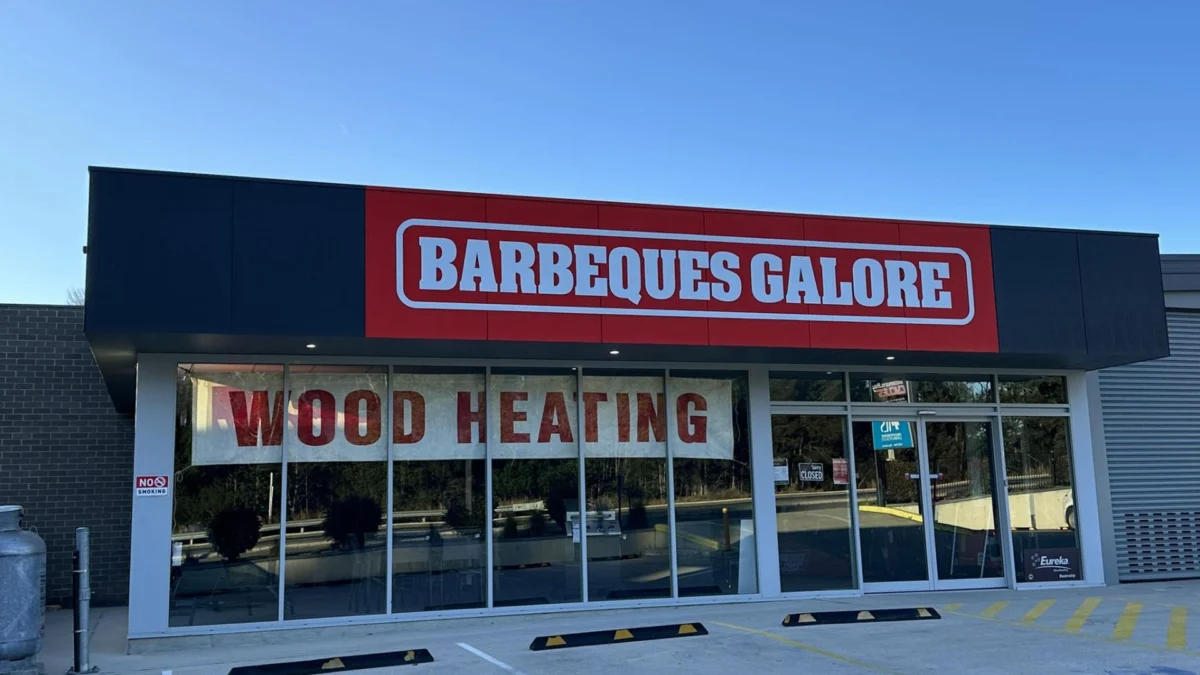
In a significant reprieve for the Australian retail sector, Barbeques Galore—a staple of the nation’s backyard culture for decades—is set to emerge from the shadow of administration and receivership. The long-running specialist retailer, known for its extensive range of outdoor cooking equipment and patio furniture, has navigated a turbulent three-month sales process that threatened to dismantle a legacy brand employing hundreds of Australians.
The proposal to restructure the business, which is currently pending final creditor approval, will see the company remain under the stewardship of its existing owners and management team. This development brings a sense of stability to a workforce that has endured months of uncertainty since the business first fell into external management in February.
The Core Facts: A Return to Business as Usual
The proposed resolution marks a pivotal turn for the 95-store strong network. While the terms of the deal are subject to the formal sign-off by creditors, the current trajectory suggests that the company will avoid liquidation, effectively preserving its operational footprint across the country.
For the 500 staff members employed by Barbeques Galore, the news comes as a profound relief. The threat of large-scale store closures and widespread redundancies had loomed large since February, when the business succumbed to the mounting pressures of a difficult retail environment, characterized by shifting consumer spending habits and increased competition.
The administration process, led by Philip Campbell-Wilson, Lisa Gibb, and Matthew Byrnes from Grant Thornton, worked in tandem with the receivership process. Ankura’s Quentin Olde, Luke Pittorino, and Liam Healey, appointed by the secured creditor, oversaw the financial restructuring. Their collective mandate was to assess the viability of the brand and find a path forward that maximized value for stakeholders while attempting to keep the business operational.
Chronology: A Three-Month Journey Through Receivership
The path to this potential recovery has been far from straightforward. The sequence of events leading to the current proposal highlights the volatility of the retail landscape in early 2025.
February: The Appointment of Receivers
The crisis began in February when Barbeques Galore officially entered voluntary administration and receivership. The appointment of Grant Thornton as administrators and Ankura as receivers signaled that the company’s debt obligations had become unsustainable. At the time, the immediate concern was the future of the 95 storefronts and the 500 employees whose livelihoods were suddenly tied to the success of a complex restructuring process.
March: The Sales Process Begins
Following the initial shock, the appointed administrators and receivers launched a comprehensive sales process. The objective was to test the market for a potential buyer, or to determine if the existing ownership structure could be salvaged through a Deed of Company Arrangement (DOCA). During this time, stores remained open, though the company faced the arduous task of maintaining inventory levels and consumer confidence during a period of high instability.
April: Negotiating the Future
Throughout April, the administrators engaged in intense negotiations with secured creditors and existing management. The challenge was to prove that the business model remained fundamentally sound despite the liquidity crunch that necessitated receivership. By late April, the details of the restructuring proposal—maintaining the status quo in terms of ownership and management—began to take shape as the most viable path forward.
Supporting Data: The Retail Landscape and Operational Scope
To understand the scale of the challenge faced by Barbeques Galore, one must look at the structural pressures affecting the Australian home and lifestyle retail sector.
Store Footprint and Economic Impact
Operating 95 stores nationwide, Barbeques Galore is a major player in the outdoor living market. Its presence spans metropolitan centers and regional hubs, such as Batemans Bay, making it a critical contributor to local employment in various parts of Australia. The potential loss of these stores would have had a cascading effect on regional economic health.
The Macroeconomic Headwinds
The retail sector in Australia has faced a "perfect storm" in recent months. Rising interest rates have significantly tightened household budgets, leading to a marked decline in discretionary spending. Outdoor furniture and high-end barbeque equipment, often considered luxury or "big-ticket" items, are among the first categories to suffer when cost-of-living pressures intensify.
Furthermore, supply chain costs, which spiked during the global pandemic, have remained elevated, putting pressure on margins. When combined with the high operational costs of maintaining a large physical retail network, the business found its profit margins squeezed to the point of insolvency.
Official Responses and Stakeholder Perspectives
While formal statements have been measured, the sentiment from the insolvency professionals involved reflects the complexity of the turnaround.
"Our primary focus throughout this process has been to explore every avenue to protect the interests of employees and creditors," noted a spokesperson for the receivership team. "The proposal currently before the creditors represents the best possible outcome under the circumstances, providing a path for the business to continue operating as a going concern."
For the existing management team, the opportunity to retain the business is seen as a vote of confidence in the brand’s long-term value. Despite the missteps that led to the February crisis, the leadership team maintains that the brand possesses significant equity and a loyal customer base that can be leveraged to restore profitability once the balance sheet is restructured.
Implications: What This Means for the Future
The survival of Barbeques Galore is more than just a win for a single company; it is a signal to the broader market about the nature of retail recovery in a high-cost environment.
1. Stability for the Workforce
The most immediate implication is the preservation of 500 jobs. In a retail climate where store closures are often permanent, the survival of the current network provides essential job security for staff who have been operating under the threat of unemployment for 90 days.
2. A Blueprint for Restructuring
The success of this administration process—provided it receives final creditor approval—may serve as a case study for other distressed retailers. It demonstrates that where a brand has strong recognition and a viable product, it is possible to navigate the legal complexities of receivership to emerge with the original team intact, rather than succumbing to a total asset fire sale.
3. The Need for Strategic Transformation
Emerging from administration is only the first step. For Barbeques Galore to remain sustainable, the management team will likely need to pivot toward a more agile business model. This could involve:
- Inventory Optimization: Reducing the overheads associated with carrying excess stock in a cooling market.
- Omnichannel Integration: Investing further in the digital storefront to capture consumers who prefer online research and purchase options.
- Cost Management: Renegotiating commercial leases and streamlining logistics to ensure the store network can remain profitable even during seasonal dips in demand.
4. Consumer Confidence
Retailers rely heavily on brand trust. The fact that Barbeques Galore is emerging with its existing management signals to consumers that warranties, customer service, and product support will continue to be honored. This is crucial for a brand that sells long-term assets like high-end grills, where after-sales service is a key component of the value proposition.
Conclusion: A Second Chance at the Grill
As the creditors prepare to cast their final votes on the restructuring proposal, the mood surrounding Barbeques Galore is one of cautious optimism. The company has navigated the most treacherous period in its modern history, surviving the dual pressures of market volatility and insolvency.
However, the road ahead remains steep. The Australian retail environment continues to be unforgiving, and the brand will need to demonstrate that it can evolve alongside the changing habits of the Australian consumer. For now, the story of Barbeques Galore serves as a reminder of the fragility of even the most established household names, and the Herculean effort required by administrators, creditors, and management to keep the fires burning.
With 95 stores set to continue trading and 500 livelihoods secured, the focus for the coming months will shift from survival to sustainability. If the company can successfully implement its recovery plan, it will have secured its place as an enduring feature of the Australian backyard for years to come.