
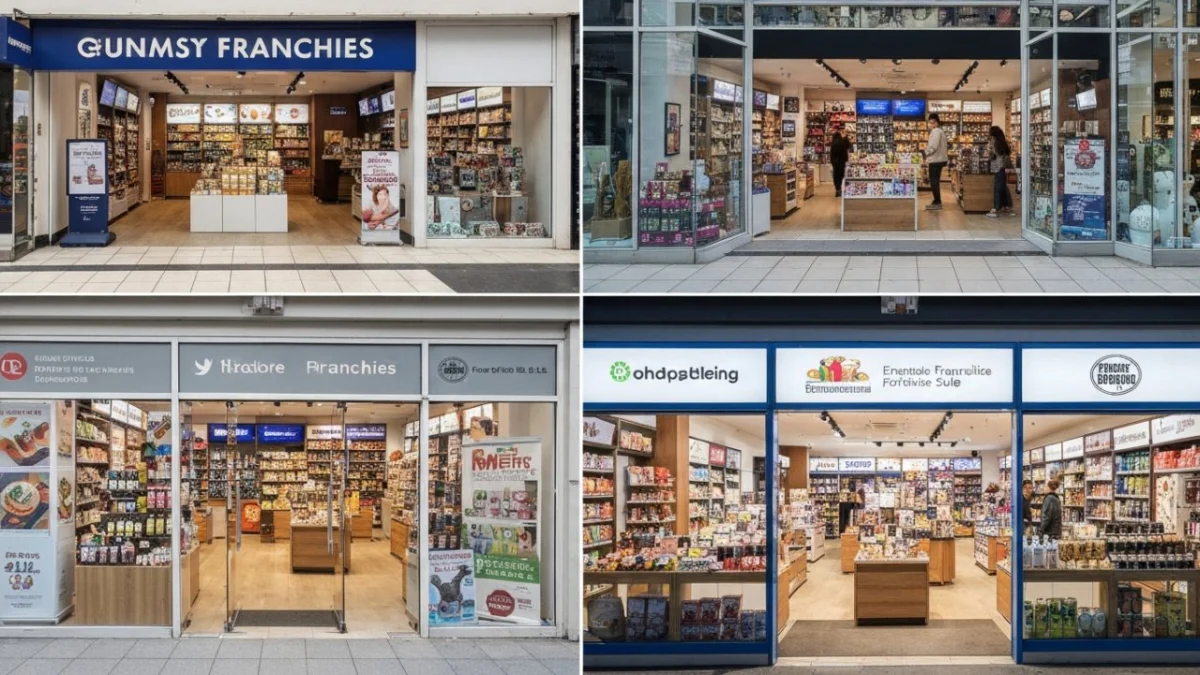
For the aspiring entrepreneur, the allure of the franchise model lies in the intersection of autonomy and security. By bypassing the "trial-by-fire" phase of a startup, a franchisee inherits a proven business model, a solidified brand identity, and a pre-existing operational infrastructure. As we move deeper into 2025, the landscape of franchising is shifting, influenced by rapid technological integration, a heightened focus on wellness, and an evolving retail environment that demands experiential engagement.
This report serves as a comprehensive analysis for those evaluating the current market, providing a roadmap for identifying the most viable and lucrative franchise opportunities available today.

Main Facts: The Pillars of Modern Franchising
The contemporary franchise ecosystem is no longer dominated solely by legacy fast-food chains. While quick-service restaurants remain a cornerstone, the modern investor is increasingly drawn to high-utility sectors such as home services, specialized health and wellness, and niche retail.
The Power of Proven Systems
The fundamental appeal of a franchise is the "business-in-a-box" concept. A high-quality franchisor provides:

- Operational Manuals: Detailed protocols that eliminate guesswork.
- Supply Chain Leverage: Bulk purchasing power that lowers individual unit costs.
- Marketing Dominance: National or regional advertising spend that individual small businesses could never afford independently.
The "Under $100k" Movement
Contrary to popular belief, entry into a high-growth franchise does not always require a seven-figure investment. Concepts like Mr. Rooter demonstrate that essential service businesses—which are largely "recession-proof"—can be entered at a lower capital expenditure, offering a quicker path to ROI compared to high-overhead restaurant builds.
Chronology of Market Evolution
To understand where franchising is heading, one must look at its trajectory over the last decade:

- 2015–2019: The Digital Shift. Franchises began heavily integrating CRM software and digital loyalty programs to track consumer behavior.
- 2020–2022: The Resilience Era. COVID-19 acted as a filter. Franchises with strong infrastructure and adaptability (such as home services and contactless delivery food models) thrived, while rigid, high-contact models struggled.
- 2023–2024: The Rise of Experience. Consumers began prioritizing "experiential" retail. This led to the growth of self-pour bars, boutique fitness centers, and specialized wellness clinics.
- 2025 and Beyond: The Conscious Consumer. We are currently witnessing a shift toward sustainability and social responsibility. Franchises that lack an eco-friendly narrative or a community-focused mission are increasingly viewed as less attractive to younger demographics.
Supporting Data: Why Specific Sectors Lead the Pack
When evaluating a franchise, empirical data is the only metric that matters. Investors should look for high-growth sectors with low failure rates.
The Home Services Advantage
According to industry reports, home service franchises (plumbing, HVAC, restoration) are currently outperforming many retail segments.

- High Demand: Infrastructure in the U.S. is aging, ensuring a steady stream of repair needs.
- Service Stability: Unlike retail, home services cannot be outsourced to e-commerce giants like Amazon.
The Health and Wellness Explosion
The health and wellness sector is projected to see a 3% increase in total locations by the end of 2025. This growth is driven by:
- Holistic Trends: Increased interest in mental health, recovery, and plant-based nutrition.
- Double-Digit Growth: Many innovative wellness brands report sustained revenue growth, making them prime targets for multi-unit operators.
| Sector | Key Growth Driver | Investment Profile |
|---|---|---|
| Home Services | Aging Infrastructure | Low to Moderate |
| Food/Bev | Brand Recognition | Moderate to High |
| Wellness | Holistic Consumer Demand | Moderate |
| Retail/Niche | Experiential Shopping | Moderate |
Official Perspectives: The Regulatory and Operational Landscape
Professional franchising is governed by strict regulatory frameworks designed to protect the investor. The Federal Trade Commission (FTC) enforces the Franchise Disclosure Document (FDD), a legal document that every prospective franchisee must study.

The 14-Day Rule
A critical component of franchise law is the "14-day rule." Franchisors are legally mandated to provide the FDD to a prospective buyer at least 14 days before the signing of any contract or the exchange of any money. This period is not merely a formality; it is an essential window for the investor to conduct due diligence, speak with current franchisees, and consult with legal counsel.
The Role of Franchisor Support
Modern franchisors have shifted from being mere "licensors" to "partners." Today’s leading brands offer:

- Ongoing Operational Guidance: Remote monitoring of KPIs to catch inefficiencies early.
- Marketing Assistance: Centralized digital ad spend that targets hyper-local demographics.
- Community Engagement Tools: Platforms to help owners sponsor local events, fostering the brand loyalty necessary for long-term survival.
Implications: Building a Sustainable Future
Investing in a franchise is a long-term commitment that carries profound implications for both the individual entrepreneur and the local economy.
For the Entrepreneur: The Risk-Reward Balance
The primary implication for an owner is the trade-off between control and support. You are trading the ability to pivot your business model instantly for the security of a tested system. For those who value stability, this is a winning trade. However, investors must be prepared to adhere strictly to the franchisor’s brand guidelines.

For the Community: The "Multiplier Effect"
Successful franchises are often anchors for local economic activity. By hiring locally and engaging in social responsibility initiatives, franchise owners create a "halo effect." When a business is seen as a community partner rather than a corporate outpost, consumer trust increases, leading to higher customer retention and long-term brand equity.
The Path Forward: Final Considerations
As we analyze the market for 2025, three criteria should guide your final decision:

- Sustainability: Does the business model rely on trends, or does it solve a permanent human need?
- Scalability: Is the support system robust enough to handle the opening of a second or third location?
- Values Alignment: Can you see yourself advocating for this brand’s culture in your community for the next decade?
Conclusion
The decision to enter the world of franchising is a transformative career move. Whether you are drawn to the reliability of home services like Mr. Rooter, the fast-paced environment of food and beverage, or the innovative frontier of health and wellness, success is rarely accidental. It is the result of meticulous due diligence, a thorough understanding of the FDD, and a commitment to the operational standards set by the franchisor.
By focusing on brands that prioritize community engagement, leverage cutting-edge technology, and adapt to shifting consumer demands, you position yourself not just as a business owner, but as a leader in a resilient and evolving industry. The opportunities are vast, but the most successful investors are those who view their franchise not as a passive investment, but as an active contribution to the economic fabric of their neighborhood.

Disclaimer: This article is for informational purposes only and does not constitute financial or legal advice. Always conduct independent research and consult with professional advisors before entering into any business agreement.