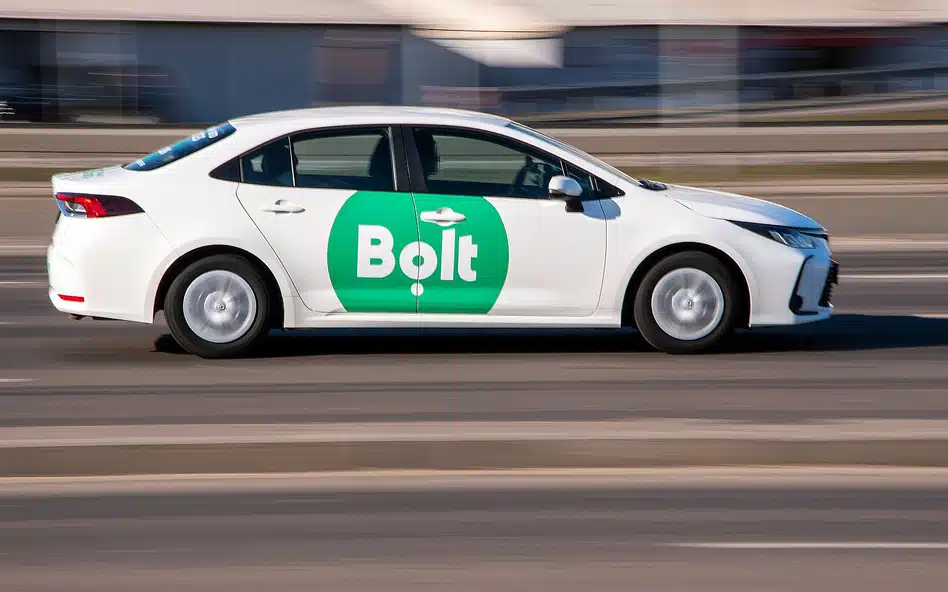
In a move aimed at addressing the mounting financial strain on its workforce, ride-hailing giant Bolt has officially introduced a 6% fare increase across its Kenyan operations. The decision, which marks a significant pivot in the company’s pricing strategy, comes after months of persistent lobbying by driver unions and individual operators who have struggled to keep pace with the hyper-inflationary pressures affecting the transport sector.
This adjustment, while designed to provide immediate relief to drivers, underscores the delicate balancing act that global technology platforms must perform in emerging markets: ensuring that drivers earn a sustainable living wage while keeping ride-hailing services affordable for a price-sensitive consumer base.
The Core Developments: A Strategic Shift
The 6% fare hike represents a calculated response to the economic headwinds that have dominated the Kenyan transport landscape throughout 2024. According to Dimmy Kanyankole, Bolt’s Senior General Manager of Rides for East Africa, the adjustment is not merely a reactive measure but a strategic realignment.
“Our driver partners are at the heart of our platform, and their ability to earn sustainably is critical to the entire ecosystem,” Kanyankole stated in a press release. “This fare adjustment responds to their concerns, particularly around fuel prices, while ensuring our service remains accessible and dependable.”
The increase applies to the base fare and per-kilometer rates, effectively raising the cost of trips across various vehicle categories. By implementing this change, Bolt aims to mitigate the "take-home" deficit that drivers have experienced as fuel pump prices continue to climb, forcing many operators to work longer hours just to break even.
Chronology: The Road to Higher Fares
The decision to raise fares did not happen in a vacuum. It is the culmination of a long-standing tension between digital platforms and the independent contractors who power them.
- Early 2024: Drivers across Nairobi and other major urban centers began reporting a sharp decline in net earnings, citing the removal of fuel subsidies and the subsequent hike in pump prices.
- Q1-Q2 2024: Formal dialogues commenced between Bolt management and various transport stakeholders. During these sessions, drivers presented data illustrating how fuel costs had eroded their daily profits, rendering many trips loss-making.
- Mid-2024: Kenyan regulatory authorities, acknowledging the instability in the transport sector, reportedly intervened, advising ride-hailing operators to review their pricing models to ensure they align with the current cost of living.
- September 2024: Following a rigorous modeling process that assessed rider price sensitivity and market demand, Bolt finalized the 6% upward adjustment, marking a formal response to the advocacy efforts led by drivers.
This trajectory reflects a recurring theme in the gig economy, where pricing is rarely static but instead a product of sustained friction between labor advocacy and corporate fiscal management.
Supporting Data: The Economics of the Ride
Bolt’s decision was underpinned by sophisticated internal data modeling. The company sought to answer a critical question: Will a 6% price hike result in a net loss of revenue due to reduced demand?
Based on their analysis of rider behavior, Bolt concluded that the market possesses enough elasticity to absorb the increase without a significant drop in trip volume. This confidence is rooted in the fact that, despite the hike, Bolt’s rates remain highly competitive relative to traditional taxi services and competing ride-hailing platforms in the region.
Furthermore, the company argues that the increase is a "service quality investment." By boosting driver earnings, Bolt expects to see higher vehicle availability, shorter wait times for passengers, and a more professionalized fleet. When drivers are adequately compensated, they are more likely to remain on the road during peak hours and maintain their vehicles, creating a cyclical benefit for the consumer.
Official Responses and Stakeholder Perspectives
The response to the announcement has been mixed, characterized by a sense of cautious optimism.
For the drivers, the 6% increase is seen as a "victory, albeit a modest one." Many operators have argued that given the inflationary trends in food, vehicle maintenance, and insurance, a 6% increase only covers the marginal rise in fuel costs, leaving little room for a significant improvement in their net income.
Regulatory bodies have largely remained silent on the specific percentage, though they have signaled satisfaction that the private sector is taking steps toward self-regulation. By responding to the pressures of the labor market, Bolt has arguably avoided more stringent, top-down price controls that could have disrupted the market’s natural equilibrium.
Implications: A Global Trend in the Gig Economy
The situation in Kenya is not an isolated event; it is a microcosm of the global volatility facing the ride-hailing industry. From the bustling streets of Lagos to the suburban sprawl of Sydney, the "gig" model is undergoing a stress test.
The Nigerian Experience: A Cautionary Tale
In Nigeria, the situation is far more acute. With petrol prices skyrocketing past ₦1,300 per liter, the local driver community, represented by the Amalgamated Union of App-based Transporters of Nigeria (AUATON), has engaged in repeated strike actions. Unlike in Kenya, where a negotiated settlement was reached, Nigerian drivers have faced a stalemate. The Nigerian market demonstrates the potential consequences of ignoring driver welfare—mass protests, reduced app activity, and a complete breakdown of the service-user relationship.
Global Precedents
Other international markets have provided a roadmap for how to navigate these crises:
- Australia: Uber’s 6% fuel surcharge was a direct response to the cost-of-living crisis, a model that Bolt appears to have studied closely.
- New Zealand: DiDi’s implementation of a fuel-specific surcharge, paid directly to the driver, introduced a level of transparency that helped mitigate driver dissatisfaction.
These global examples highlight a shift in how platforms manage their "partners." Companies are moving away from rigid, algorithm-only pricing toward a more human-centric model that accounts for macroeconomic volatility.
The Future of Ride-Hailing in Kenya
As Bolt moves forward with this adjustment, the long-term implications for the Kenyan market remain to be seen. The core challenge for Bolt is to ensure that this 6% increase does not trigger a migration of users to alternative platforms or back to public transport (matatus).
However, the company’s assertion that it remains competitive suggests that they view this as a "price correction" rather than a premium hike. For the Kenyan gig economy, this episode serves as a turning point. It demonstrates that the power dynamics within the sector are shifting; drivers are no longer passive recipients of platform-determined rates but are becoming active participants in the economic architecture of the apps they use.
Looking ahead, the industry will likely see:
- More Dynamic Pricing Models: A move toward real-time adjustments that reflect localized fuel price changes.
- Increased Transparency: Platforms will likely be forced to provide more clarity on how commission structures are calculated.
- Enhanced Driver Welfare Packages: Beyond fares, companies may begin to offer indirect benefits—such as fuel discounts or vehicle maintenance partnerships—to retain their top-tier drivers.
In conclusion, Bolt’s 6% fare increase in Kenya is a necessary, if modest, step in stabilizing a volatile market. By acknowledging the economic reality of its drivers, the company has taken a pragmatic approach to sustainability. Whether this move is enough to satisfy the demands of the workforce in the long term remains a question for the coming months, but it undoubtedly sets a new benchmark for how digital platforms navigate the complex intersection of technology, labor rights, and macroeconomic reality.