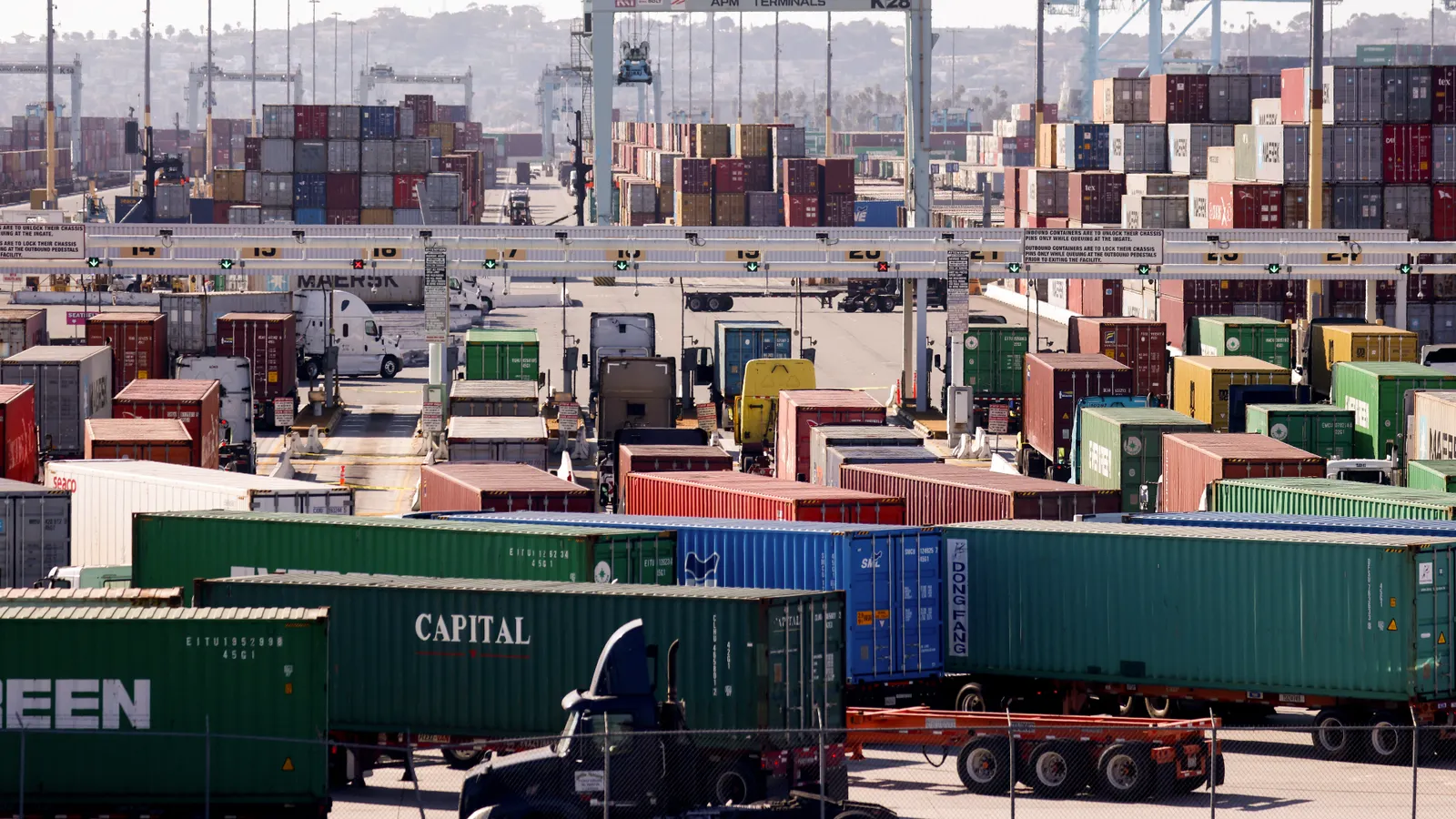
While global media headlines remain fixated on the rhythmic ebb and flow of tariff wars and geopolitical posturing between major superpowers, a far more clandestine and catastrophic threat is quietly gathering strength. John Denton, Secretary-General of the International Chamber of Commerce (ICC), recently sounded an alarm that demands immediate global attention: the structural disintegration of critical supply chains, specifically those governing the global flow of fertilizer through the Strait of Hormuz.
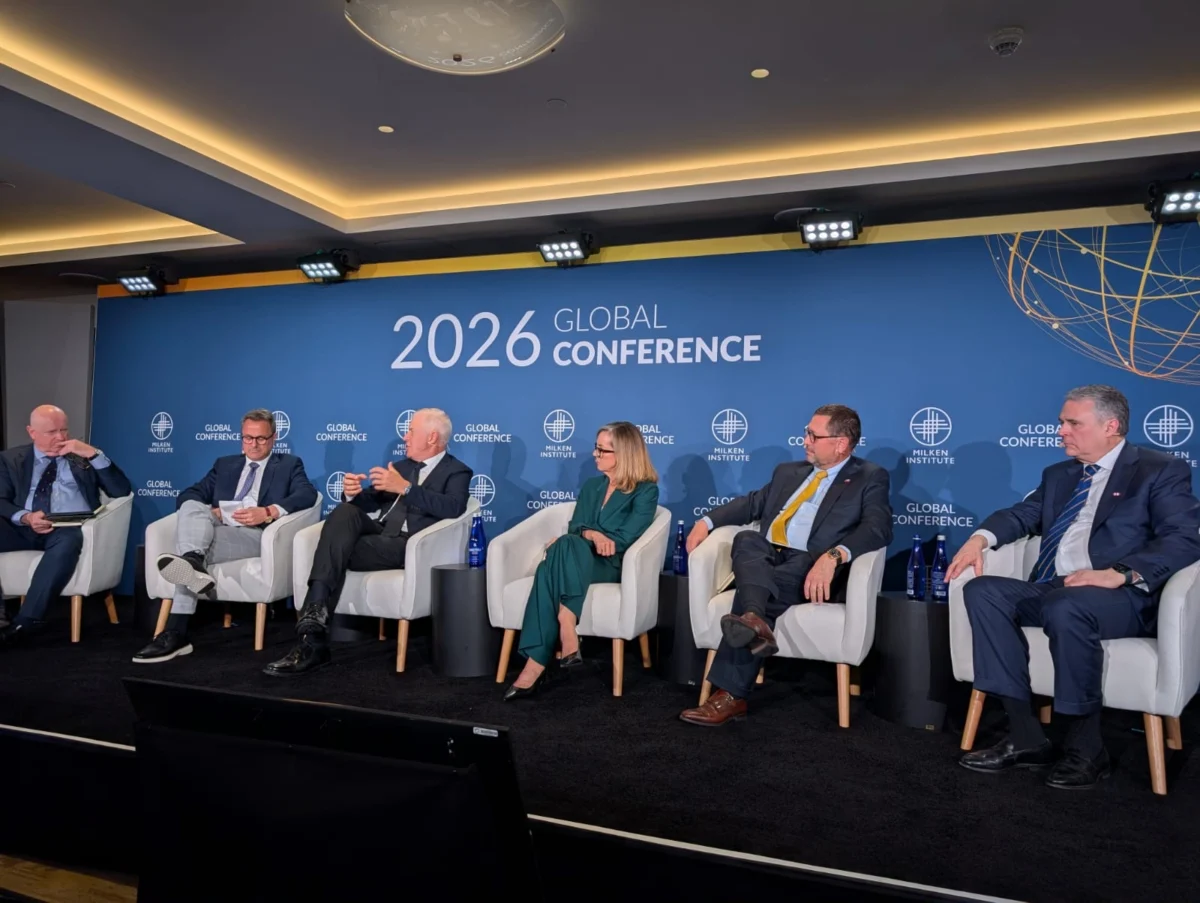
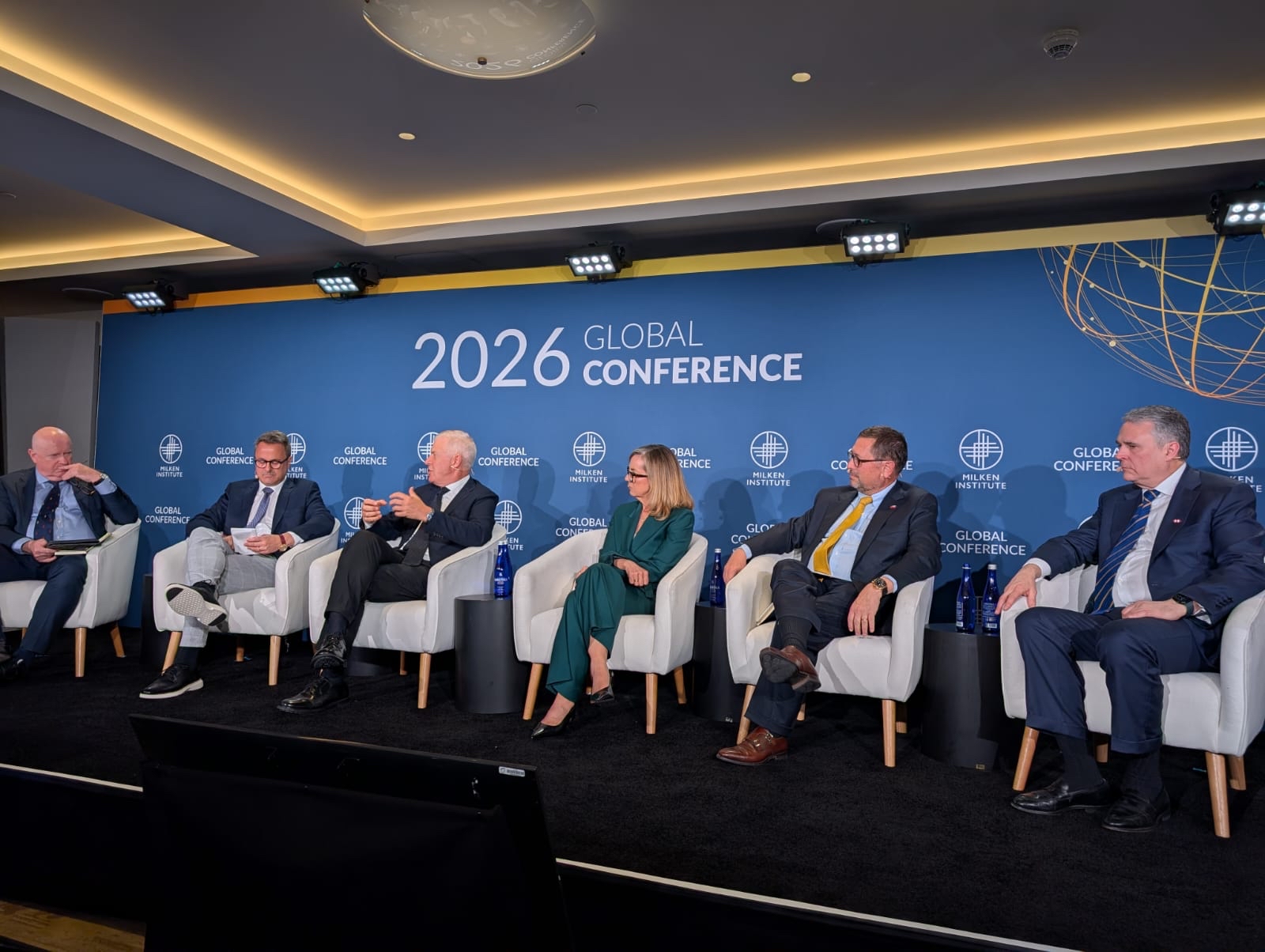
Speaking at the high-level panel Tradewinds: Navigating Economic Uncertainty, Denton warned that the fixation on oil and gas exports from the Middle East has obscured a brewing "cataclysmic" food crisis. As the world watches the geopolitical tensions in the region through the lens of energy security, the vital artery for the world’s agricultural inputs is hardening, potentially triggering a food supply shock that could echo the instability of the 2008 food crisis.
The Fertilizer Bottleneck: A Looming Agricultural Cataclysm
At the heart of the crisis is the Strait of Hormuz, a critical maritime chokepoint. While the world’s attention is rightfully drawn to the stability of energy markets, Denton argues that the conversation is dangerously narrow.
"We are looking down the line at a very significant food crisis," Denton noted during his appearance on Bloomberg Radio. "Because the whole discussion on Hormuz is obviously shrouded in the behaviour of the combatants and overwhelmed by oil and gas. What’s unfocused on is fertiliser."
Fertilizer is the lifeblood of modern industrial agriculture. Without consistent access to nitrogen, phosphorus, and potassium-based inputs, crop yields plummet. For regions like sub-Saharan Africa and parts of Latin America, the impact is already being felt. Farmers, facing a "perfect storm" of skyrocketing input costs and severe supply shortfalls, are making the grim decision to reduce planting or abandon their fields entirely.
The ripple effect of this decision is not immediate, but it is inevitable. When farmers cut back on planting, the harvest shortfall manifests in global markets within months. This isn’t merely an economic statistic; it is a fundamental threat to human security.
Chronology of a Mounting Emergency
To understand the severity of the current situation, one must look at the recent history of global supply chain fragility:
- 2022: The Black Sea Precedent: The ICC played a pivotal role in the Black Sea Grain Agreement, a rare diplomatic success that facilitated the export of grain from war-torn regions. This demonstrated that private-sector advocacy and international cooperation could prevent localized conflict from turning into a global famine.
- 2023–2024: The Escalation of Regional Conflict: As tensions in the Middle East intensified, the Strait of Hormuz—through which a massive percentage of the world’s fertilizer components pass—became increasingly hazardous for commercial shipping.
- 2025: The Rise of Structural Uncertainty: Trade policy shifted from a focus on efficiency to a focus on security, yet the security of essential agricultural inputs remained a secondary concern to energy and defense.
- 2026: The Current Crisis Point: With the failure of recent multilateral trade negotiations—notably the MC14 summit in Yaoundé—the global community finds itself without a cohesive, consensus-based mechanism to ensure that the flow of essential life-sustaining goods remains unencumbered by political conflict.
Supporting Data: The High Cost of Policy Uncertainty
The threat to food security is exacerbated by a broader, pervasive environment of "policy uncertainty." According to a recent analysis conducted by the ICC in collaboration with Oxford Economics, the cost of this instability is not merely theoretical—it is measured in hundreds of billions of dollars.
The Economic Drain
- 2025 Impact: Policy uncertainty acted as a significant drag on global economic activity, costing the world economy approximately US$250 billion.
- Projected Losses: Looking ahead, this figure is projected to rise to US$380 billion annually if current trends in trade fragmentation and protectionist policies persist.
Denton emphasizes that these are not just numbers on a balance sheet. "That’s opportunities to employ people that’s not happening," he explained. "There are real consequences in the real economy." When businesses cannot predict the regulatory or trade environment, they freeze investment. This paralysis creates a feedback loop: lower investment leads to lower efficiency, which in turn leaves the global economy less resilient to supply shocks like the one currently threatening the fertilizer market.
Official Responses and Strategic Interventions
The International Chamber of Commerce is not standing by as these threats materialize. Currently, the ICC is in active engagement with the UN Secretary-General’s Strait of Hormuz Task Force.
The objective is to establish a robust mechanism—modeled on the successes of the 2022 Black Sea Grain Agreement—to insulate fertilizer shipments from the broader geopolitical conflict. This is a delicate diplomatic and logistical task that requires the cooperation of both regional powers and global shipping entities.
However, Denton is clear-eyed about the limitations of current governance structures. The failure of the MC14 summit highlighted that the era of relying solely on broad, consensus-based multilateralism to solve urgent crises may be coming to a close. "The failure of MC14 in Yaoundé confirmed that consensus-based multilateralism is no longer functioning effectively," Denton remarked.
In this vacuum, the ICC is advocating for a more agile approach, where plurilateral arrangements and the direct involvement of the private sector take center stage.
Implications: The Private Sector’s New Responsibility
The transition from state-led multilateralism to private-sector-led crisis management is perhaps the most significant shift in the global economic landscape today. As governments struggle to find common ground, the global business community holds the capital, the logistics infrastructure, and the operational expertise necessary to bypass gridlock.
"The biggest challenges we’re confronting are going to require the private sector to really step up," Denton told Bloomberg. He pointed to the massive concentration of private capital currently moving through international financial hubs as a potential, yet underutilized, force for good. "What we see here is probably the biggest gathering of private capital, which will actually be incredibly important if we’re ever going to fix some of the problems we’ve got."
Potential Consequences of Inaction
- Food Insecurity and Political Unrest: The most immediate concern is that a decline in fertilizer availability will lead to a repeat of the 2008 food crisis. History shows that when the price of bread and staples spikes, political stability often collapses, as seen in the lead-up to the Arab Spring.
- Market Fragmentation: If the private sector fails to organize its own corridors of trade, nations will continue to build "fortress economies," hoarding resources and further driving up costs for the most vulnerable developing nations.
- Long-term Agricultural Stagnation: A prolonged lack of fertilizer investment won’t just cause a one-year shortage; it will degrade soil quality and agricultural productivity for years to come, potentially leading to a permanent shift in global food pricing.
Conclusion: A Call for Pragmatism
The warnings issued by the ICC reflect a shift in the global zeitgeist. The era of "business as usual" in international trade has ended. We have entered a period defined by "structural uncertainty," where the most significant risks are not the ones dominating the daily news cycle, but the ones happening behind the scenes in the supply chains of our most basic necessities.
The food crisis is not a distant possibility; it is a risk that is being baked into the global economy through inaction today. Addressing the fertilizer bottleneck in the Strait of Hormuz is not merely a matter of trade policy; it is a humanitarian imperative. As Denton has urged, the private sector must transition from a passive observer of geopolitical decay to an active architect of global resilience.
Without such a pivot, the "cataclysmic problem" in the real economy—the one that leaves shelves empty and nations unstable—may soon be the only story left to tell. The time for reactive policy is over; the time for proactive, private-sector-led supply chain security has arrived.