
In the high-stakes world of industrial packaging, the term "superplant" is often used with hyperbole. However, for Smurfit Westrock, the label is a deliberate designation for a new class of facilities that define the pinnacle of modern, large-scale corrugated box manufacturing. The crown jewel of this strategy is a sprawling 595,000-square-foot facility in Pleasant Prairie, Wisconsin, which represents a $136 million investment in the future of North American supply chains.
By consolidating operations and integrating cutting-edge robotics, Smurfit Westrock is not merely building a factory; it is re-engineering how consumer goods reach the marketplace. This facility, which began production in May 2025, stands as a testament to the company’s vision of replacing fragmented, legacy infrastructure with centralized, high-efficiency hubs.
The Strategy: Why "Superplants" Matter
The industrial logic behind the superplant model is simple: scale and proximity. Rather than maintaining multiple smaller, aging facilities in highly populated regions, Smurfit Westrock is shifting toward single, massive hubs capable of meeting all the corrugated needs of a complex, high-demand market.
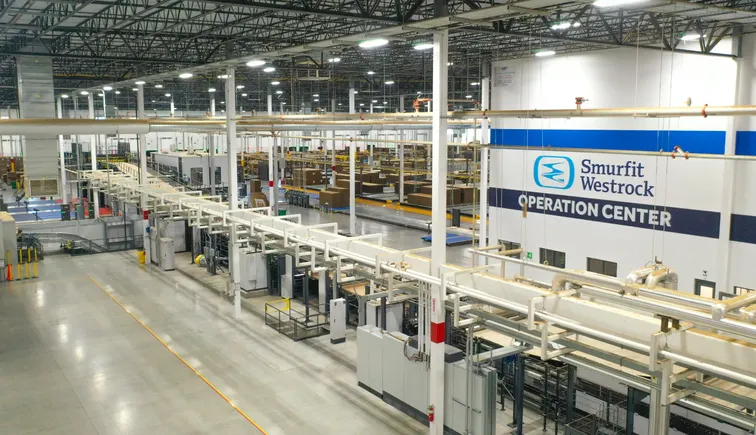
This philosophy was clearly demonstrated when the company chose to shutter a legacy plant in North Chicago, Illinois, just as the Pleasant Prairie facility came online. By centralizing operations 20 miles away in a state-of-the-art environment, the company has achieved a "hub-and-spoke" efficiency that traditional manufacturing models struggle to replicate.
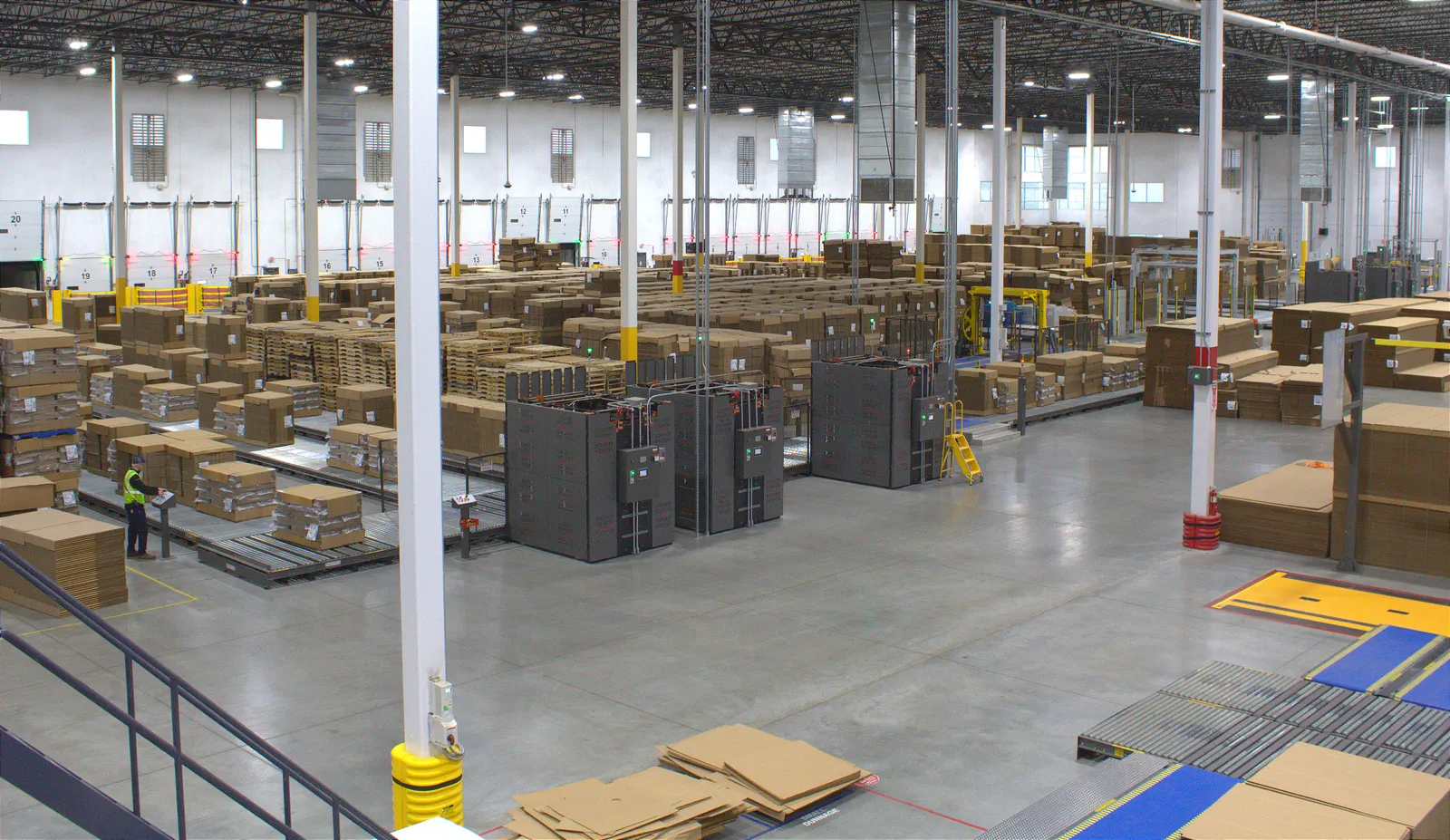
These hubs are designed to serve as the beating heart of their respective regions, producing a massive variety of products—from mid-sized moving cartons to intricate pizza boxes and jumbo industrial containers for chemicals and produce. With an annual output of roughly 3 billion square feet of corrugated board—triple that of a typical facility—the Pleasant Prairie site is engineered to dominate the Great Lakes market.
A Chronology of Innovation
The journey to the Pleasant Prairie superplant began with a vision to modernize Smurfit Westrock’s asset footprint.
- June 2024: During the groundbreaking ceremony, leadership colloquially dubbed the project a "superplant." At the time, the facility was under the WestRock banner, which would soon undergo a historic merger to become Smurfit Westrock.
- Late 2024: The Wisconsin Department of Transportation awarded the village of Pleasant Prairie $885,000 to develop a rail spur connecting the plant to the Union Pacific mainline. This infrastructure investment solidified the site’s status as a critical logistical node.
- April 2025: Construction was completed, marking the transition from a vision to a physical, operational asset.
- May 2025: Full-scale production commenced. The plant began integrating best practices learned from the company’s only other "superplant" in Longview, Washington, which had opened in November 2023.
By documenting every operational success and engineering nuance at the Longview site, Smurfit Westrock was able to hit the ground running in Wisconsin, refining the flow of materials and the configuration of the plant floor to minimize downtime.
The Technological Backbone: Automation and Robotics
The defining feature of the Pleasant Prairie superplant is its aggressive pursuit of automation. According to Don Sparaco, Smurfit Westrock’s president of corrugated packaging for North America, a facility of this caliber operates with approximately 60% of the labor force required by a traditional box plant.
The Para Crab System
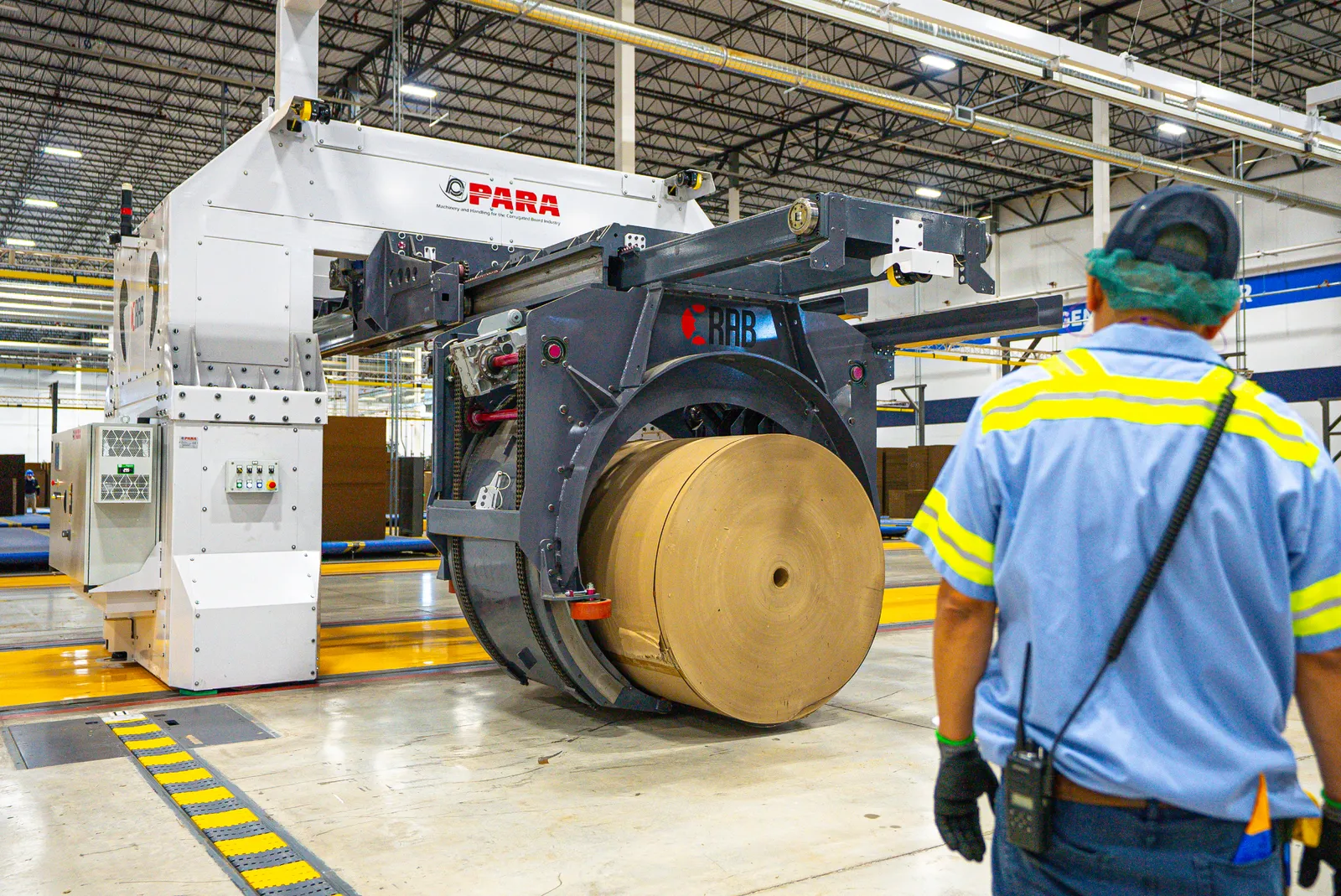
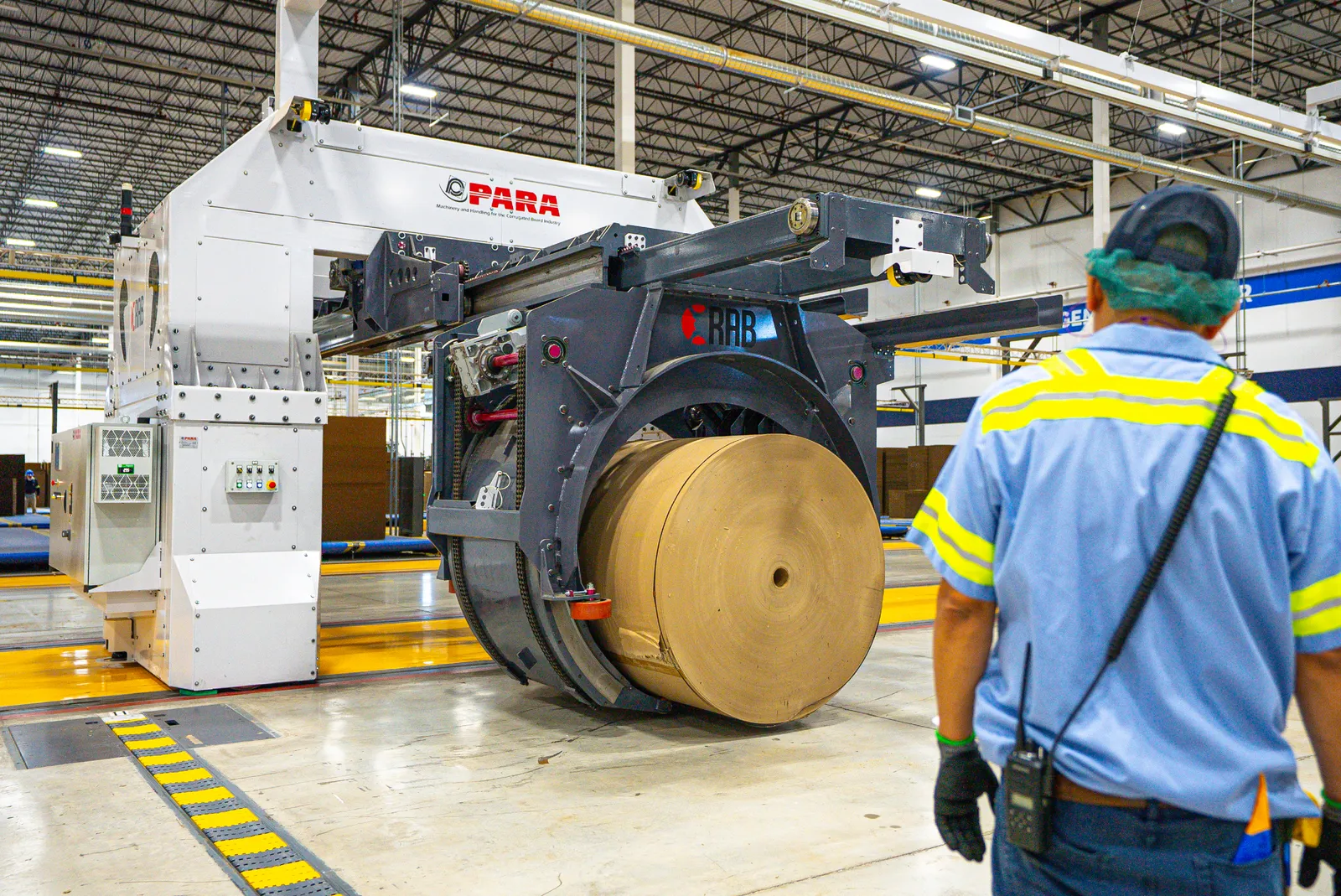
One of the most impressive installations is the "Para Crab" roll stock delivery system. This floor-mounted, track-based automation handles the transport of heavy paper rolls from storage to the single facer without human intervention. By removing the need for manual forklift transport, the system reduces the risk of accidents and minimizes the physical damage often sustained by paper rolls during transit.
The 80% Automated Corrugator
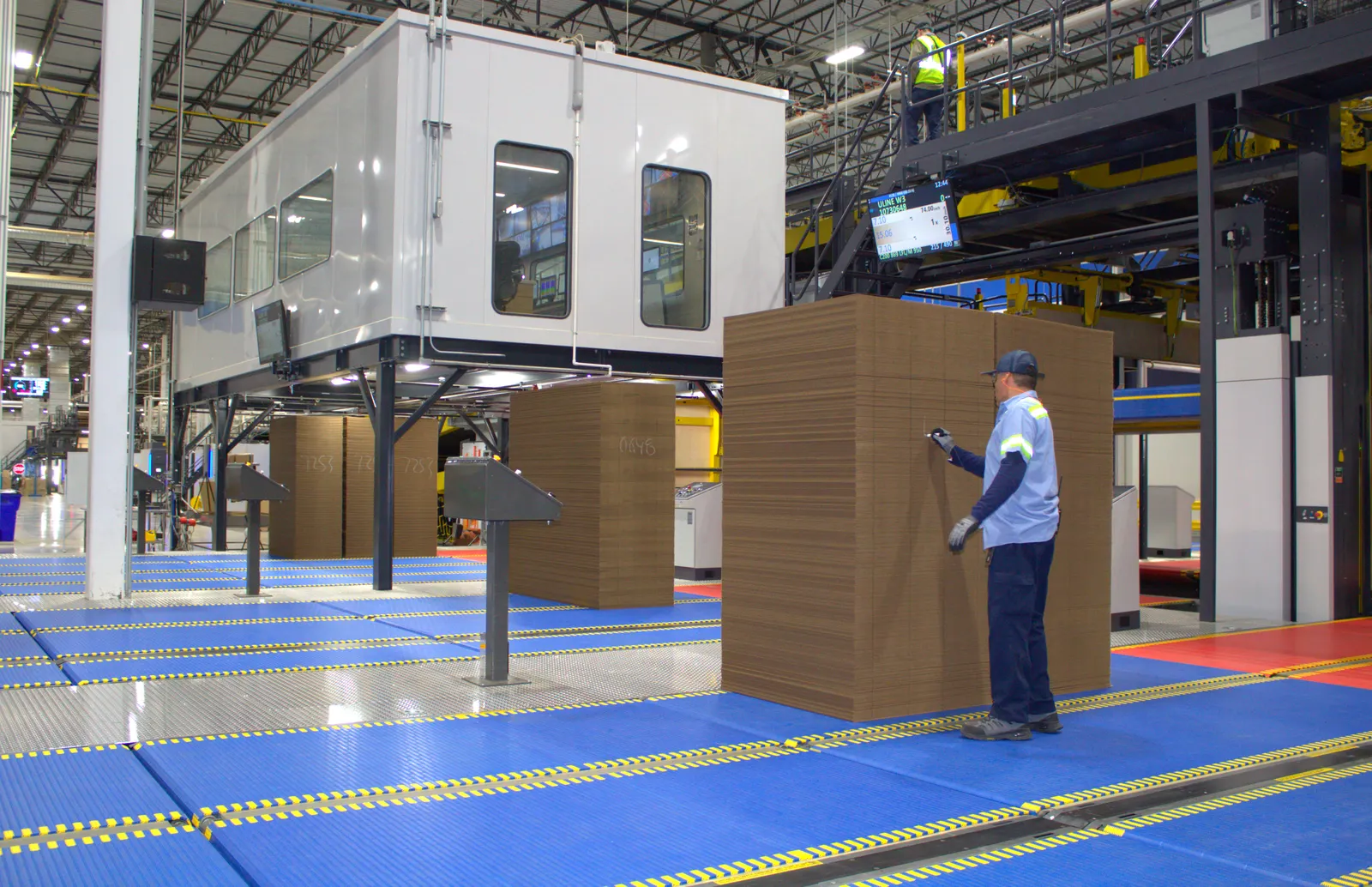
At the center of the facility is a 132-inch BHS corrugator that operates at an 80% automation level. The system is equipped with a "zero defect" quality control suite that automatically ejects any board with bonding deficiencies, folds, or splices in real time.
Operators manage this complex machinery from an elevated, climate-controlled command center. Using real-time data, they can monitor temperature, steam, and tension across the entire line. If the system detects a deviation—such as the beginning of "warp" in the board—it alerts the operator to adjust the tension instantly, maintaining perfect uniformity without stopping the line.
Converting and Finishing
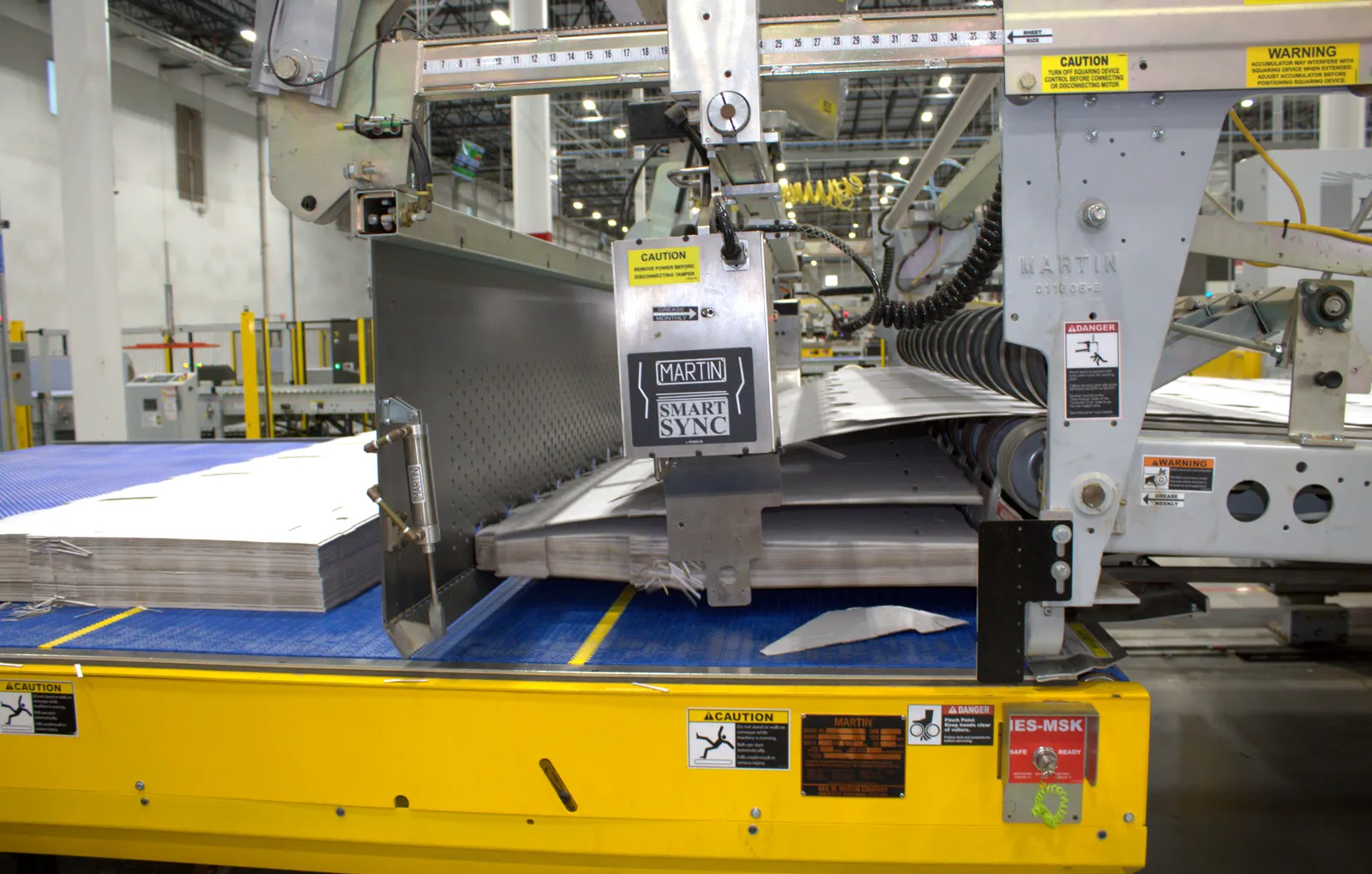
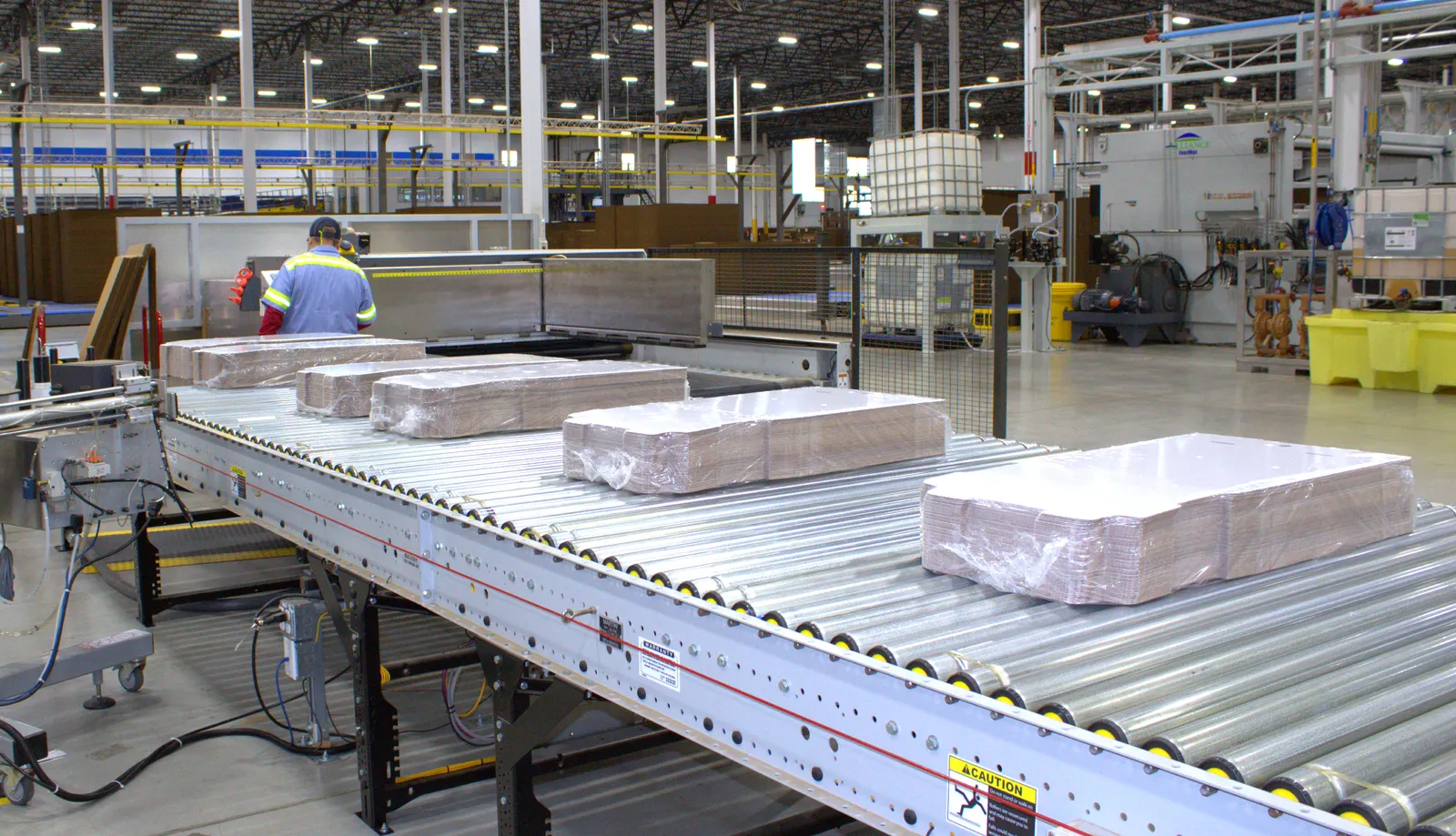
The converting department features two Mitsubishi Heavy Industries EVOL Flexo Folder Gluers, which can churn out 350 boxes per minute. For specialized needs, the plant utilizes Ward 66-inch and BGM Jumbo Flexo Folder Gluers, as well as Bobst rotary die cutters capable of 12,000 feeds per hour. Whether it is intricate food-grade packaging or heavy-duty industrial shipping containers, the plant’s versatility is supported by robotic palletizers that handle stacking and bundling, further removing the "human-to-machine" interaction that often leads to workplace injuries.
Supporting Data: The Power of Geography
The selection of Pleasant Prairie is far from accidental. The village has become a hotbed for industrial giants, hosting corporate headquarters for Uline and major manufacturing sites for Amazon and Haribo.
The plant’s strategic placement on the Wisconsin-Illinois border is designed to serve the greater Chicago area—the second-largest market for corrugated box consumption in the United States, trailing only Los Angeles. Chicago’s status as the nation’s food and beverage manufacturing capital, anchored by giants like Conagra, Kraft Heinz, and Mondelēz International, ensures a constant, high-volume demand for reliable, high-performance packaging.
Furthermore, with Chicago serving as the busiest freight rail hub in the U.S.—handling roughly one in four of the nation’s freight trains daily—the Pleasant Prairie site is perfectly positioned to distribute its 3 billion square feet of annual production to the rest of the country. The integration of the rail spur into the Union Pacific mainline allows for the efficient inbound shipment of raw materials, ensuring the plant never faces a supply shortage.
Official Responses and Leadership Insight
Smurfit Westrock leadership views the Pleasant Prairie facility as a blueprint for the company’s future. Don Sparaco emphasizes that this is not just about producing boxes; it is about "optimizing our footprint" to serve both legacy and new customers.
"Investing in the Great Lakes area was the right thing to do," Sparaco noted during the facility’s opening phase. "Every time we do a modernization, an expansion, or a greenfield plant, we make sure that we document all of those learnings [from previous projects]. A lot of them have to do with the engineering and the flow of material through the plant."
Eugenia Rivero Loyola, senior manager of financial planning and analysis, echoes this sentiment, highlighting the human element within the high-tech environment. "There are little things that you don’t think about capability-wise that just make the difference with the quality of the box that we can provide the customer," she said, noting that the technology is there to support the team, not to replace the need for skilled oversight.
Implications for the Industry
The success of the Pleasant Prairie superplant carries significant implications for the broader manufacturing sector:
- Safety as an Engineering Priority: By automating the "pedestrian-clamp truck interface," Smurfit Westrock has created an environment where safety is baked into the floor plan rather than relying solely on training. Features like sound-dampening enclosures and optimized airflow further demonstrate a shift toward valuing employee comfort in high-speed industrial settings.
- The Shift Toward High-Value Roles: As the plant shifts repetitive, hazardous tasks to robotics, the demand for "higher value-add" workers has increased. The company has implemented a rigorous three-week onboarding process that combines classroom instruction with hands-on machinery training, ensuring that operators are masters of their specific segment of the production line.
- Culture in the Age of Automation: Despite the heavy reliance on machines, management is doubling down on building a cohesive team culture. By fostering an environment where employees feel valued and empowered by their tools, Smurfit Westrock is attempting to solve the common issue of high turnover in manufacturing.
- Resilience through Regionalization: By creating a massive hub that serves a localized, high-demand region, Smurfit Westrock is insulating itself from the volatility of long-distance logistics. This localized approach is likely to become the gold standard for companies looking to mitigate supply chain disruptions.
In conclusion, the Pleasant Prairie "superplant" is more than a building; it is a manifestation of the future of American manufacturing. By balancing massive, automated throughput with the strategic precision of location and employee-centric design, Smurfit Westrock has established a new benchmark for excellence in the corrugated packaging industry. As the company continues to refine its network, the lessons learned in Wisconsin will undoubtedly shape the development of the next generation of industrial hubs.