This article is part of the Brands Briefing series, a deep dive into the growth strategies defining modern retail.
After years of drifting into the generic, 44-year-old accessories powerhouse Vera Bradley is finally finding its footing. By abandoning a misguided attempt to modernize through minimalism and instead embracing the "joyful optimism" of its own archives, the company has officially turned a corner. This summer, the brand reported its first quarterly revenue growth in nearly five years, signaling that its latest strategic pivot—dubbed "Project Sunshine"—is resonating with both nostalgic loyalists and a new generation of trend-conscious shoppers.
The Chronology of a Turnaround: From "Restoration" to "Sunshine"
Vera Bradley’s journey back to relevance has been a volatile one. In 2024, the brand launched "Project Restoration," a high-stakes pivot that sought to drag the brand into the contemporary fashion mainstream. The strategy involved introducing a wider variety of leather goods, solid-colored silhouettes, and a complete overhaul of the brand’s iconic logo and store aesthetic.
The result was a misalignment that alienated its core demographic. Longtime shoppers, who defined their relationship with the brand through its signature vibrant florals and quilted cotton, felt the brand was losing its identity. Sales slumped, and the market reaction was tepid at best. The company was forced to pivot, leading to a change in leadership and a fundamental rethink of what makes Vera Bradley "Vera Bradley."
Enter "Project Sunshine." Launched in 2025, the strategy is explicitly framed as a return to roots rather than a radical rebranding. Under the leadership of CEO Ian Bickley and Chief Brand Officer Melinda Paraie, the company stopped trying to compete with luxury leather houses and began reinvesting in the very DNA that made it a household name in the early aughts: whimsy, color, and community.
Strategic Pillars: Why "Project Sunshine" Is Working
The success of the current turnaround is not accidental; it is the result of a calculated effort to marry heritage aesthetics with modern consumer behavior.
1. Product Refinement and the "Small Bag" Shift
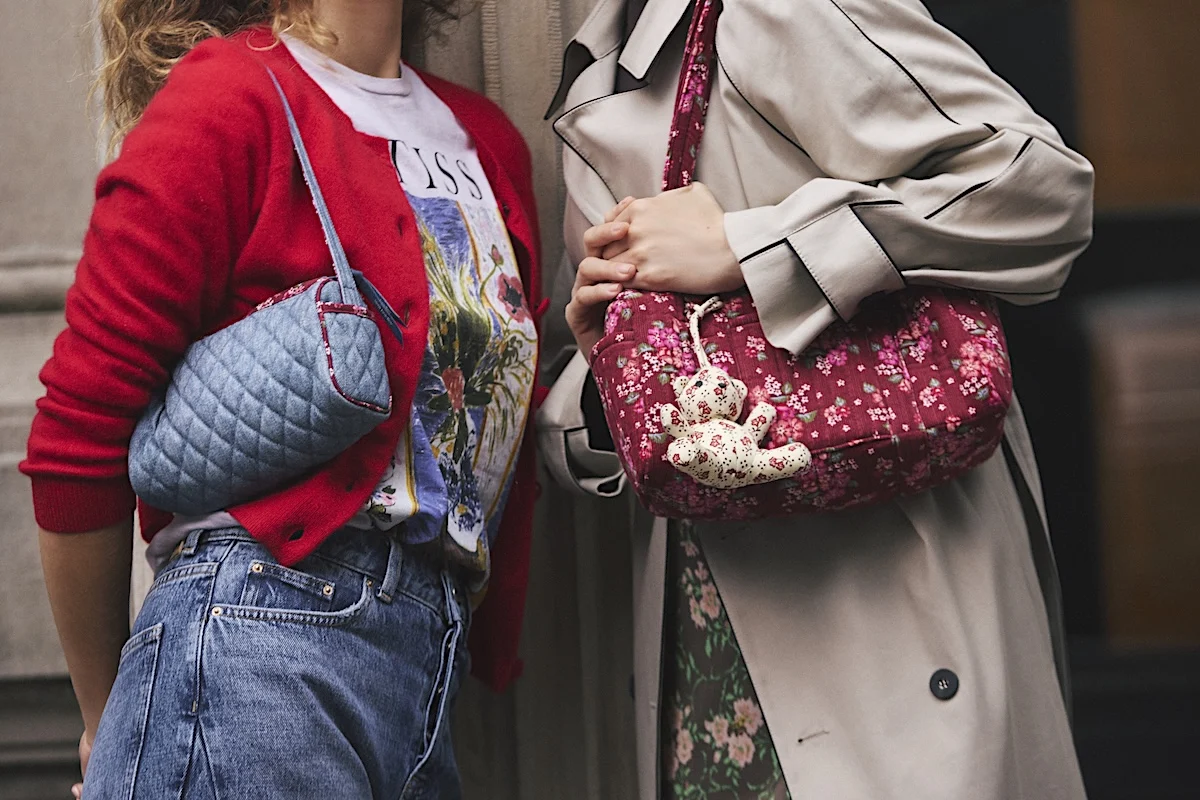
Vera Bradley has doubled down on the shoulder bag, recognizing that younger consumers carry significantly fewer items than previous generations. As Melinda Paraie noted, "Everything is on your phone." By shifting the design focus toward compact, functional shoulder bags that prioritize aesthetics, the brand has aligned itself with current Gen Z fashion trends. Furthermore, the company has reintroduced tactile elements—velvet, corduroy, beading, and ruffles—that provide the sensory appeal today’s consumers crave.
2. The Power of Personalization
Perhaps the most effective tool in the brand’s arsenal has been the move toward hyper-personalization. When the brand revisited its "Original 100" handbag design earlier this year, the bespoke collection sold out in under three minutes. The brand has since scaled this momentum by introducing bag charms—ranging from whimsical cookies to mini-totes—and offering in-store personalization events where customers can apply custom patches and monograms. This strategy taps into a broader retail trend: the desire for unique, self-expressive accessories that allow a consumer to distinguish their items from the masses.
3. Tapping into "Anemoia"
Younger shoppers, fatigued by the environmental and social costs of ultra-fast fashion, are increasingly turning to "vintage" aesthetics. Vera Bradley has leaned into this sentiment by mining its own archives. The release of the "Remix Collection" in September proved that the brand’s classic ditsy patterns and muted floral prints have a second life. By providing authentic access to the brand’s history, Vera Bradley is effectively capitalizing on "anemoia"—a longing for a past the shopper may not have lived through, but finds comfort in.
Data and Market Performance
The financial metrics back up the strategic shifts. By September 2026, the company reported its second consecutive quarter of revenue growth, reaching $71.6 million—a 1.1% increase year-over-year. While modest, the growth represents a significant break from a five-year downward trajectory.
The digital performance has been equally telling. As of October 26, the brand had successfully moved over 24,000 units via TikTok Shop. This shift toward a digital-first ecosystem is not merely about sales volume; it is about visibility. By positioning its signature quilted products at the heart of viral TikTok trends like "grandmacore" and "coastal grandma," Vera Bradley has successfully inserted itself into the algorithmic conversation of the Gen Z and Gen Alpha demographics.
The Expert Perspective: Why the Strategy Resonates
Jessica Ramirez, co-founder and managing director of the retail advisory firm The Consumer Collective, notes that Vera Bradley is successfully "tapping into the right trends." Her recent field research, which included surveying teenagers in Texas malls, confirmed that the accessories landscape is currently dominated by the very elements Vera Bradley specializes in: charm-heavy, small, colorful, and patterned bags.
"I think people are happy to mismatch," Ramirez says, highlighting a shift in consumer behavior where maximalism and individual expression have replaced the need for perfectly color-coordinated sets. By leaning into the "one-of-a-kind" appeal of its products, Vera Bradley is moving away from being a "brand you buy" to a "brand you curate."
Official Perspectives: The Philosophy of "Brand DNA"
The leadership team has been candid about where the brand went wrong and why the current path is the only sustainable one. CEO Ian Bickley’s assessment from March was blunt: "We lost track of what made Vera Bradley special and unique… We became indistinguishable from other brands and over-reliant on promotions."
For Melinda Paraie, the CBO, the mission is clear: "We’ve gone back to our DNA and where we see strength and what made us unique, which is joyful optimism." This philosophy extends beyond product design to the brand’s administrative and legal backbone. As Mark Dely, the company’s chief administrative and legal officer, summarized, the goal is to build from the existing foundation rather than attempting to construct a brand identity that feels foreign to the legacy consumer.
Implications for the Future of Retail
Vera Bradley’s turnaround offers a masterclass in the importance of brand integrity. For legacy brands, the temptation to chase fleeting trends often leads to an identity crisis that risks alienating the customer base that built the company in the first place.
The implications for the broader retail sector are clear:
- The Power of Nostalgia: When executed with authenticity, heritage-focused marketing can provide a powerful moat against fast-fashion competitors.
- Omnichannel Integration: The brand’s ability to host "Strawberry Girl Summer" activations in physical retail stores while simultaneously driving massive traffic via TikTok Shop demonstrates that digital and brick-and-mortar experiences must be symbiotic.
- The "Community" Model: By involving influencers and fostering user-generated content, Vera Bradley is shifting the burden of marketing from the corporate office to the customer. When consumers feel they are "co-creating" their style with the brand—via charms and personalization—they become significantly more invested in the brand’s success.
Conclusion: A Delicate Balance
The challenge for Vera Bradley moving forward will be to maintain this momentum without over-saturating the market or diluting its "vintage" appeal. The company has successfully navigated its most difficult hurdle: the realization that it was trying to be everything to everyone. By narrowing its focus, embracing its history, and listening to the younger generation’s desire for tactile, personalized accessories, Vera Bradley has proven that a legacy brand doesn’t need to reinvent itself to stay relevant—it just needs to remember what it was in the first place.
As the brand moves into the next fiscal year, the focus will remain on refining its go-to-market processes and deepening its presence on social platforms. For now, the "Project Sunshine" strategy has brought a much-needed ray of light to a brand that was, until recently, struggling to find its way in a crowded and rapidly evolving retail landscape.