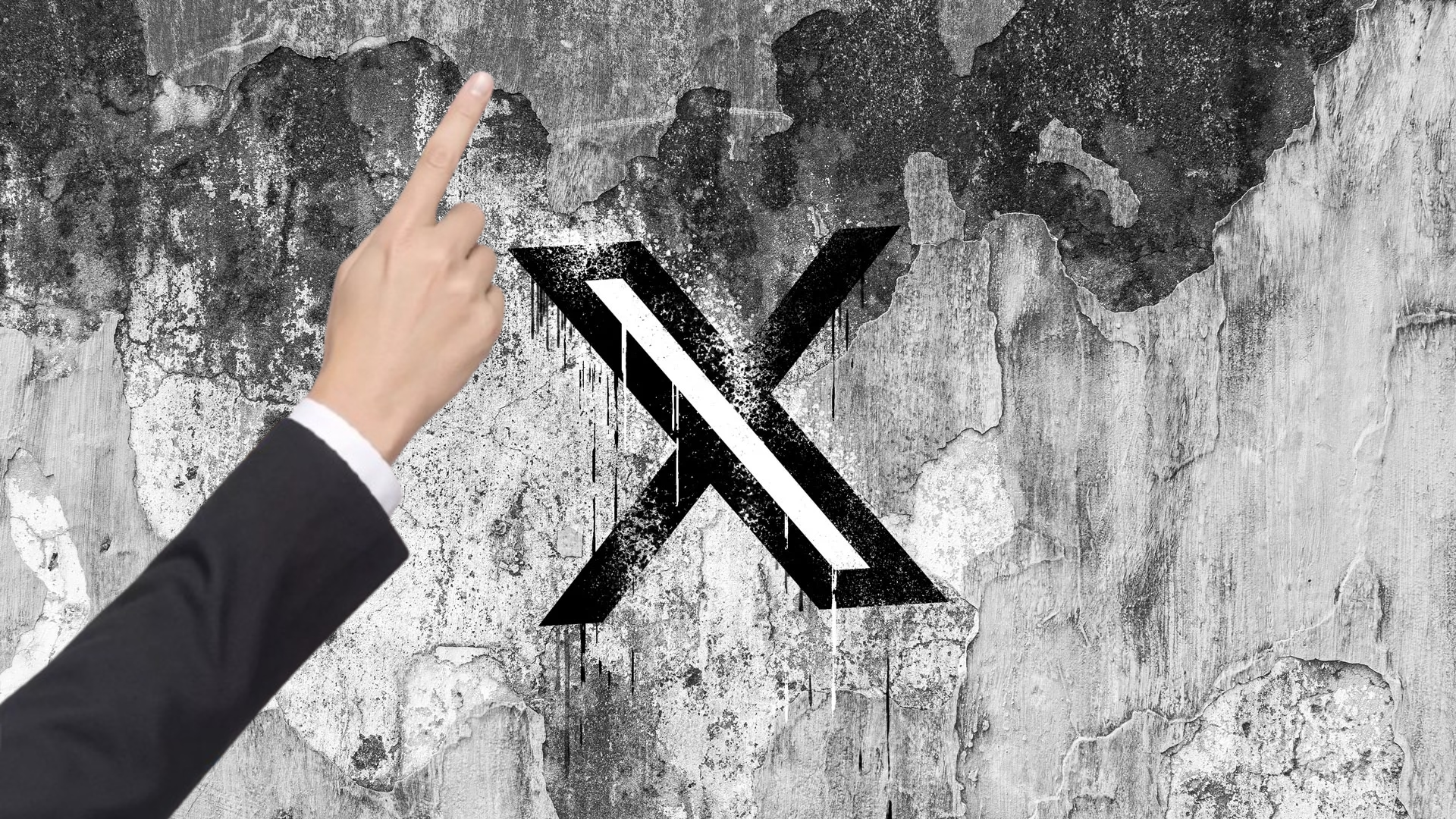
In the rapidly evolving landscape of social media, the fine line between user engagement and aggressive monetization is often blurred. However, as of late October 2026, X (formerly Twitter) has managed to cross that line in a way that has left its user base feeling, at best, startled, and at worst, actively alienated. A new, intrusive UI element—a disembodied hand that appears out of nowhere to point toward the "Promote" button—has become the latest flashpoint in the ongoing debate over how Elon Musk’s platform balances revenue generation with user experience.
The feature, which began appearing in the last 24 hours, has been described by users as a "jump scare" in the middle of their drafting process. As the platform navigates a significant leadership transition, this aggressive growth tactic has ignited a firestorm of criticism, raising questions about the direction of the company’s product strategy under new leadership.
The Anatomy of the Nudge: A Chronology of the Disruption
The incident began to gain traction on October 26, 2026, when power users and casual posters alike began flooding their feeds with screenshots of the bizarre interface update. While users are accustomed to "nudges" from social media platforms—often in the form of persistent banners, pop-up tutorials, or brightly colored buttons urging subscriptions—the "pointing hand" marks a departure in terms of sheer visual obtrusiveness.
According to reports, the hand manifests while a user is actively composing a post. For many, the appearance is context-sensitive, triggering when a user types specific keywords related to "engagement" or "growth," suggesting a sophisticated, albeit intrusive, algorithm at work.
Timeline of Events:
- October 26, 2026 (Early Day): The first reports of the "pointing hand" appear on X. Users report the feature appearing spontaneously while drafting tweets.
- October 26, 2026 (Late Evening): As word spreads, the sentiment turns negative. Users begin mocking the platform for what they perceive as a "Halloween-themed" or simply broken design choice.
- October 26, 2026 (Night): Peter Sellis, the newly appointed head of product, takes to the platform to announce his tenure, though he makes no direct mention of the new UI element.
- October 27, 2026: Public discourse intensifies, with users comparing the tactic to aggressive dark patterns used in mobile gaming and fringe e-commerce sites.
The "Nikita-Coded" Philosophy: Understanding the Strategy
The timing of this update is particularly notable. It follows closely on the heels of a major management shakeup at X. In August 2026, Nikita Bier, the former head of product known for his aggressive growth-hacking tactics, stepped down from his position. For many industry observers, the pointing hand is a quintessential example of "Nikita-coding"—a term used by those familiar with his design philosophy to describe features that are undeniably annoying but statistically effective at driving specific user behaviors.
Dylan Abruscato, president of the TBPN podcast, was among the most vocal critics, noting that while the feature is "so obstructive," it is also "so effective" at drawing the eye. This creates a paradox for X: while the feature succeeds in making the "Promote" button impossible to ignore, it also creates a negative brand association. For many, the sight of a hand pointing at an upsell button while they are trying to communicate feels less like a helpful tool and more like an unwelcome intrusion into their personal expression.
Supporting Data and User Sentiment
Social media platforms have long relied on "dark patterns"—design choices intended to trick or manipulate users into taking actions they might not otherwise take. While the "promote" button itself is a standard feature for monetization, the delivery mechanism here is being widely criticized for its lack of elegance.
Data gathered from the reaction on X indicates a significant degree of user frustration. Common themes in the backlash include:
- The Jump Scare Factor: Users are reporting that the sudden animation breaks their flow of thought, making the act of writing a post stressful rather than creative.
- Brand Degradation: Long-term users are expressing concern that the platform is beginning to look like a "cheap" or "spam-heavy" site, which could deter professional creators and advertisers.
- Inefficacy: Many users noted that the obtrusiveness of the hand actually deterred them from using the Promote button. Instead of being encouraged to spend money, they felt "spooked" or annoyed, creating a psychological barrier to conversion.
Official Responses and the New Leadership Era
The silence from X’s official corporate channels has been deafening. Despite multiple requests for comment from media outlets, the company has remained tight-lipped regarding whether this is a permanent feature, an A/B test, or a Halloween-themed temporary prank.
The transition of power to Peter Sellis adds another layer of complexity to this story. Sellis, who previously held senior product roles at Snap and Discord, has a reputation for being a "builder." In his introductory post on Monday, Sellis wrote, "I am a huge believer in SpaceX’s mission to extend human consciousness to the stars, so it’s time to make shitposting multiplanetary."
Whether Sellis is responsible for the pointing hand remains an open question. Critics argue that if this is his first major product intervention, it represents a continuation of the high-friction, high-growth environment that has defined the platform since its acquisition by Elon Musk. Conversely, supporters of the move might argue that X is simply experimenting with ways to monetize its massive user base, an essential step if the company intends to survive in a tightening ad market.
Implications for the Future of Social Media
The "pointing hand" incident is more than just a momentary annoyance; it represents a broader shift in how social media companies perceive the relationship between the platform and the user. As platforms struggle to maintain profitability, the temptation to prioritize conversion rates over user satisfaction becomes increasingly difficult to resist.
1. The Death of Subtle UX
If this trend continues, we may see the end of "invisible" design. UX designers have historically aimed for seamlessness, but the success of aggressive growth tactics suggests that "in-your-face" design might become the industry standard for companies under pressure to show quarterly growth.
2. The Potential for Creator Flight
If professional creators—who are the lifeblood of X—find the environment too hostile or "noisy," they may look to move their communities elsewhere. Discord, Substack, and decentralized alternatives like Bluesky have historically benefited whenever X introduces controversial UI changes.
3. Regulatory Scrutiny
In several jurisdictions, including the EU, "dark patterns" are coming under increased regulatory scrutiny. While a pointing hand may seem trivial, the underlying intent to manipulate user behavior could, if taken to extremes, draw the attention of regulators concerned with consumer protection in the digital age.
Conclusion: A High-Stakes Game
The pointing hand on X is a litmus test for the platform’s current identity. By choosing to prioritize an aggressive, almost cartoonish nudge over a more refined UI, X is signaling that it is willing to trade goodwill for potential revenue.
For the everyday user, the takeaway is clear: the platform is no longer interested in being a neutral town square. It is a commercial engine, and the "jump scare" is simply the cost of doing business in a digital space where attention is the ultimate commodity. Whether this specific experiment will be retired after the Halloween season or become a permanent fixture of the X experience remains to be seen. For now, users are left to grapple with a platform that, more than ever, is trying to point them toward their wallets.