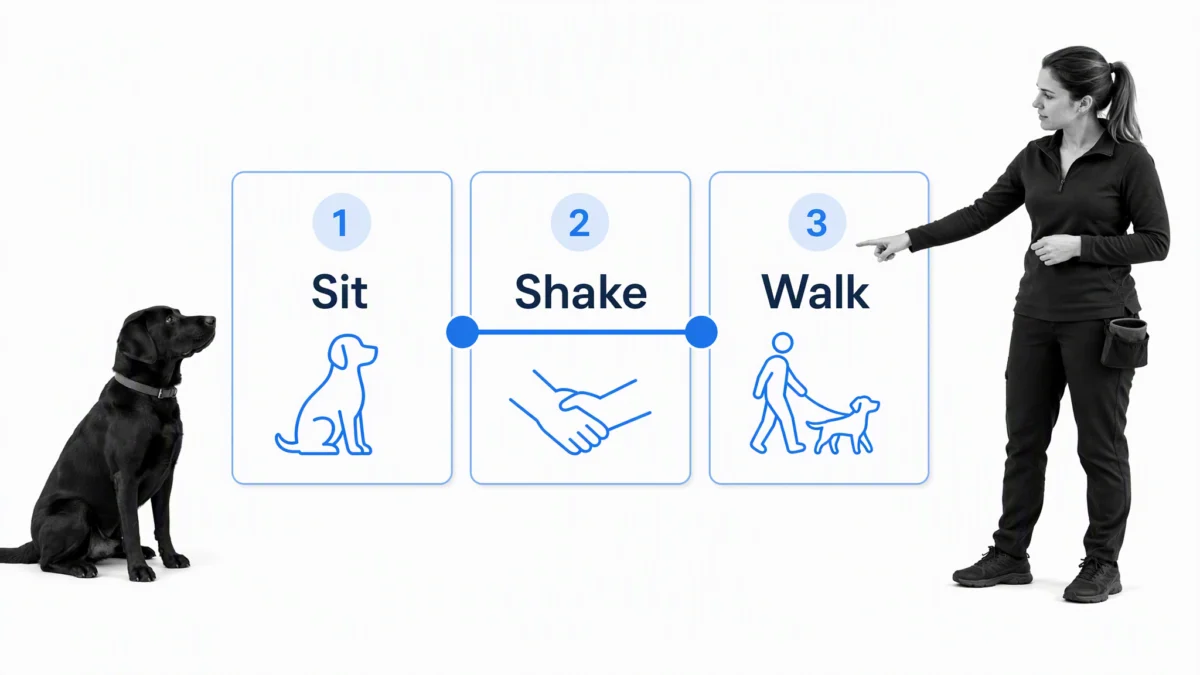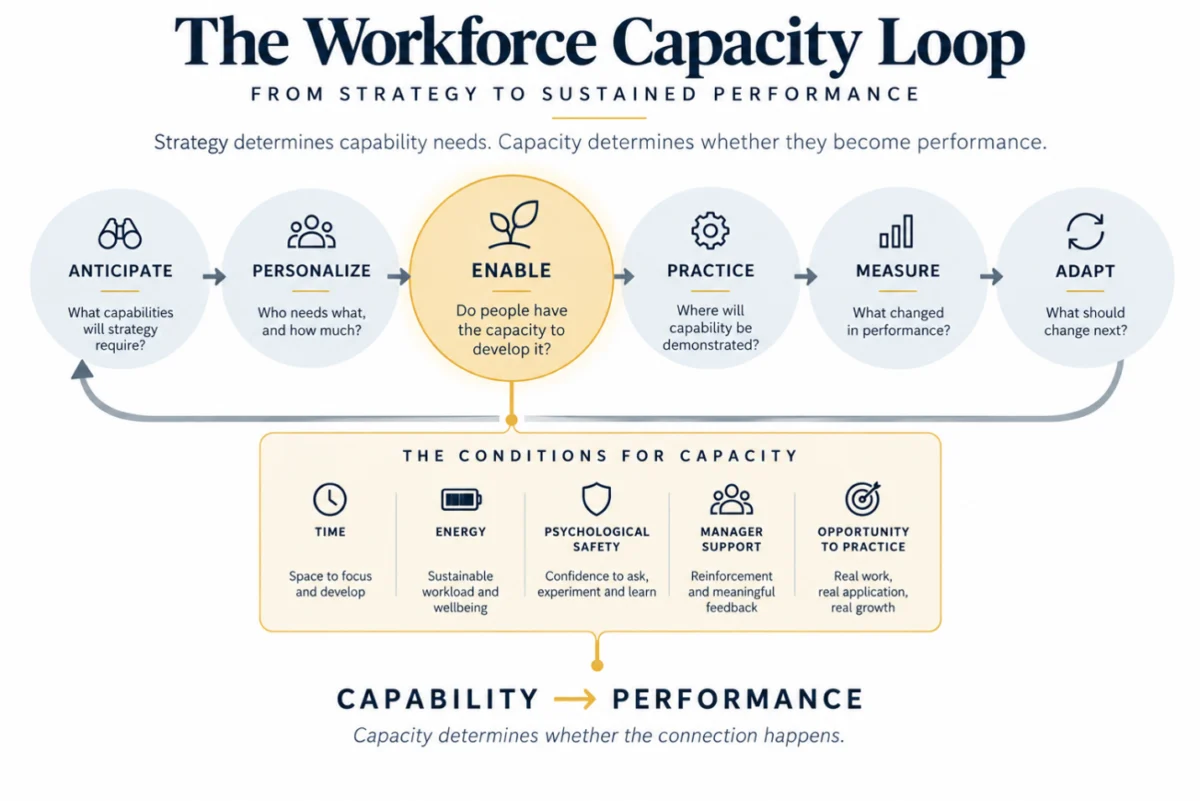
In the modern professional landscape, the ability to pivot, iterate, and persist through failure is often cited as the hallmark of high-performing individuals. While much has been written about the necessity of a "growth mindset"—a term popularized by psychologist Carol Dweck—less has been said about the unconventional environments where this mental framework is forged. For many, the crucible was not a boardroom or a traditional classroom, but the high-pressure, unforgiving arena of competitive multiplayer video games.
While video games do not act as a panacea for cognitive development, evidence suggests that the right kind of interactive play provides a unique sandbox for practicing the core components of growth: rapid feedback loops, strategic adaptation, and the decoupling of failure from personal identity.
The Growth Mindset: Information vs. Verdict
At the heart of the growth mindset, as articulated by Khan Academy founder Sal Khan, is a fundamental shift in perspective. It is the transition from viewing difficulty as a "verdict" on one’s innate capabilities to viewing it as raw "information" to be used for improvement.
In a fixed mindset, a setback is a confirmation of a limit. In a growth mindset, a setback is an analytical data point. Khan argues that the myth of "natural ability" often prevents learners from engaging with complex material because they fear that hitting a wall signifies a permanent intellectual ceiling.
However, academic literature reminds us to temper our expectations. While growth-mindset interventions can produce context-dependent benefits, large-scale studies—such as those published in Nature—often find that the effects are modest. A slogan alone, or a simple change in attitude, is insufficient to transform performance. True development requires the trifecta of challenge, iterative feedback, and an environment that facilitates safe experimentation.
Chronology: From Digital Playgrounds to Professional Resilience
For many who grew up in the digital age, the seeds of professional persistence were sown in the late 90s and early 2000s, during the rise of competitive titles like Counter-Strike, StarCraft, and X-Men vs. Street Fighter.
The Early Days: The "Trial by Fire"
In the early days of online gaming, the barrier to entry was high and the feedback was immediate. Players were not pitted against scripted artificial intelligence that followed predictable patterns; they were pitted against human opponents whose creativity and malice made every match unique.
The Mid-Cycle: Pattern Recognition and Adaptation
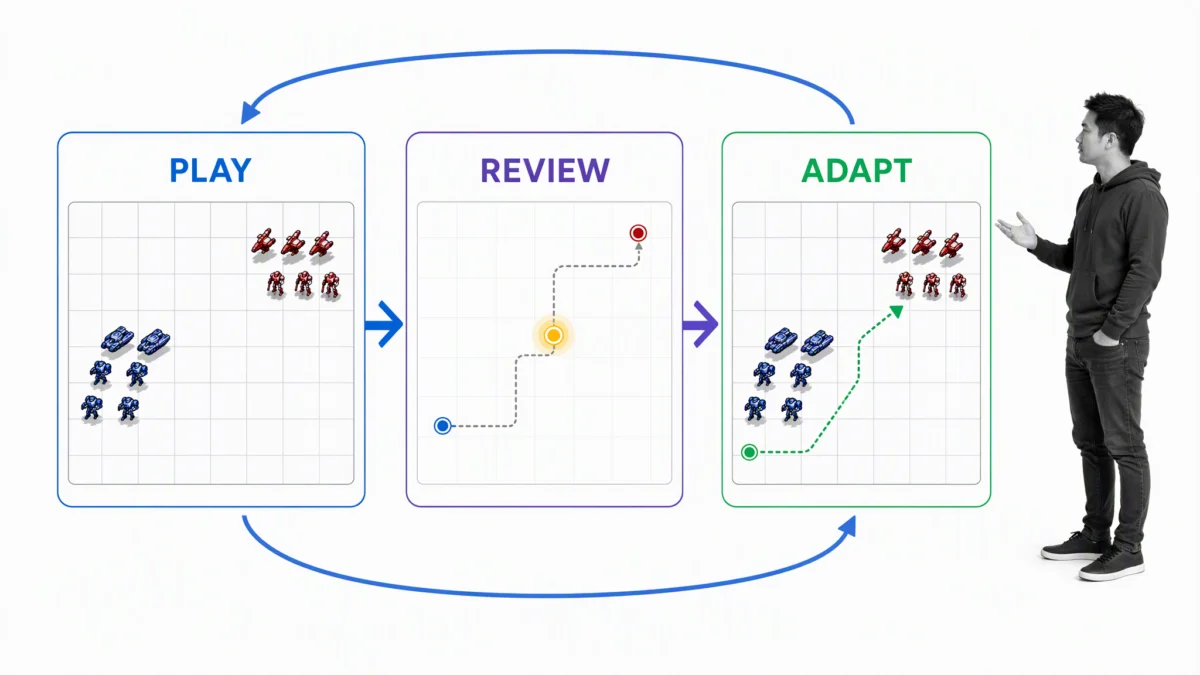
As players spent hundreds of hours in these environments, the gameplay transitioned from frantic button-mashing to systematic analysis. A loss was not merely a defeat; it was a breakdown of a strategy. Players learned to ask: Why did I die? Was my positioning poor? Did I misread the opponent’s economy? This cycle—play, review, adapt—mirrored the lean startup methodology long before it became a standard business curriculum.
The Modern Era: Applying the Loop
Today, those same individuals—now startup founders, software engineers, and project managers—are applying that exact logic to their professional lives. The transition from "I failed" to "I learned why this iteration failed" is a direct carry-over from the gaming experience. The uncertainty inherent in a startup is effectively managed by viewing it as an "endgame" scenario where the goal is to survive long enough to iterate toward success.
Supporting Data: What Does Science Say?
While the anecdotal evidence is compelling, scientific consensus on the cognitive benefits of gaming is nuanced.
Cognitive Gains and Spatial Cognition
Research into action-oriented video games has shown modest improvements in spatial cognition, visual attention, and the ability to process high-speed information. A meta-analysis published in 2023 noted that while the "brain-training" industry often exaggerates its claims, specific gameplay features—such as high-frequency decision-making and complex resource management—do yield small, statistically significant training effects.
The Importance of Specificity
Crucially, researchers are moving away from broad claims about "genre" and toward the "features" of the experience. It is not that "gaming" makes you smarter; it is that games which force a player to constantly re-evaluate their tactical position, manage limited resources under pressure, and recover from emotional frustration provide a specific type of cognitive friction that strengthens resilience.
Official Perspectives: The AAP and Responsible Engagement
The conversation around gaming and development often turns to the impact on children. The American Academy of Pediatrics (AAP) offers a measured approach that emphasizes context over blanket condemnation.
The AAP suggests that when parents evaluate games, they should focus on four pillars:
- The Child: Is the game appropriate for their developmental stage?
- The Content: Does the game encourage problem-solving and social interaction, or is it purely repetitive/addictive?
- The Context: Is the gaming done in isolation, or is it a social, collaborative activity?
- Displacement: Does the time spent gaming displace essential activities like sleep, exercise, or face-to-face social interaction?
The guidance highlights that parents should be actively involved in the digital lives of their children, including understanding privacy settings, managing voice chat, and utilizing reporting tools to ensure the environment remains safe and constructive.
Implications for Future Skill Acquisition
The most profound implication of this phenomenon is that we have an untapped, widely accessible tool for teaching persistence. The "feedback loop" utilized in gaming—attempt, observe, adjust, repeat—is a universal mechanism for learning.
The Anatomy of the Feedback Loop
For this loop to be effective in any context, it requires three elements:
- Low-Stakes Failure: The environment must allow the learner to fail without catastrophic consequences. In a video game, you respawn. In business, you pivot.
- Granular Feedback: The learner must be able to identify exactly what caused the failure.
- Agency: The learner must have the power to change their approach in the next attempt.
Beyond the Screen
If we can bridge the gap between gaming and professional development, we can create better systems for education. By encouraging learners to "gamify" their approach to difficult tasks—breaking them into smaller segments, setting clear KPIs, and viewing errors as data rather than character flaws—we can foster a culture that values the process of learning over the immediate result.
Conclusion: The Persistence of the Gamer
Video games do not automatically grant intelligence, nor are they a replacement for traditional education. However, for a generation raised on the feedback loops of digital competition, they have served as a training ground for a crucial modern skill: the ability to remain calm in the face of uncertainty.
The next time you find yourself stuck on a project or fearing a failure, consider the gamer’s perspective. Do not look for a verdict on your talent; look for the data. Examine the mechanics of your failure, adjust your strategy, and try again. As any competitive gamer knows, the "game over" screen is rarely the end—it is simply an invitation to start the next round with more knowledge than you had before.
Key Takeaways:
- Growth mindset is a practice, not a personality trait. It requires active, consistent exercise through challenging tasks.
- Feedback loops are the key. The value of any activity lies in the ability to identify mistakes and implement immediate corrections.
- Gaming is a tool, not a shortcut. Its benefits are tied to the way we play, not just the act of playing itself.
- Context matters. Whether for children or adults, the utility of any high-intensity activity is determined by safety, reflection, and balance.