Introduction: A Political Resurrection
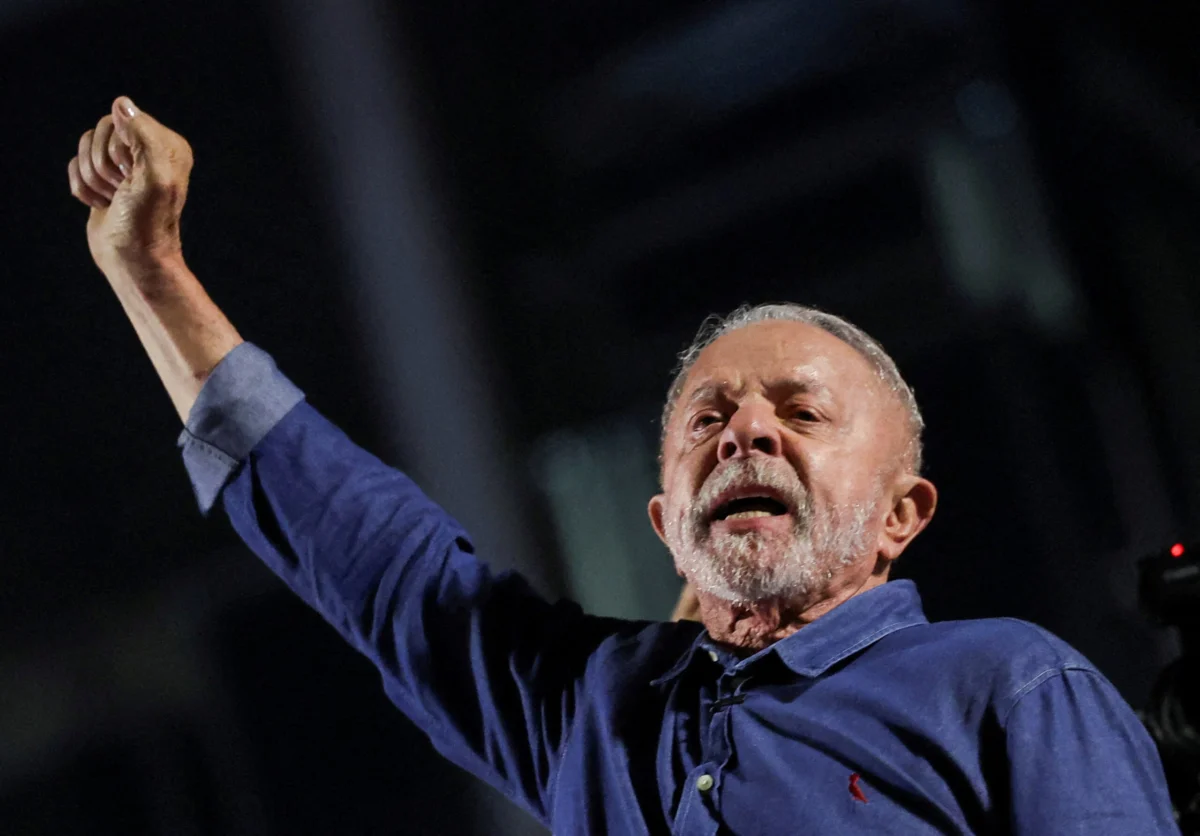
In a political comeback that has defied conventional expectations, Luiz Inácio Lula da Silva has secured a historic fourth term as the President of Brazil. The runoff election, which concluded on a tense Sunday, saw Lula defeat Flávio Bolsonaro—the son of former President Jair Bolsonaro—in a contest that was defined by deep ideological polarization, economic anxiety, and the looming shadow of Brazil’s populist past.
Lula’s victory is not merely a win for the Workers’ Party (PT); it is a seismic shift in the Latin American geopolitical landscape. However, as the dust settles on the streets of São Paulo and Brasília, the reality of the incoming administration’s challenges has begun to take center stage. With a defiant opposition, a hostile legislature, and a rapidly shifting regional environment, Lula faces a path that is as treacherous as it is transformative.
Main Facts: The Anatomy of a Runoff
The election results, finalized late Sunday evening, confirmed that Lula had successfully bridged the gap from the first round, where he had trailed the younger Bolsonaro. This victory marks the return of a leader who has previously defined Brazil’s "Golden Age" in the early 2000s, only to see his legacy tarnished by corruption investigations and imprisonment—convictions that were later annulled by the Supreme Court.
The key dynamics of the election include:
- The Turnaround: Lula’s ability to mobilize base voters and swing moderates in the final weeks proved decisive, overcoming the momentum Flávio Bolsonaro had garnered in the initial polling.
- The Legislative Hurdle: While Lula holds the executive office, his party does not hold a majority in Congress. The legislative branch remains firmly under the control of a right-of-center bloc, suggesting that any attempt to pass significant social or economic reforms will require delicate coalition building.
- The Refusal to Concede: Mirroring the rhetoric of his father, Flávio Bolsonaro has thus far refused to acknowledge the results, citing irregularities that have not been substantiated by the Superior Electoral Court. This refusal sets the stage for a period of political instability during the transition of power.
Chronology of a Volatile Campaign
The road to this victory was paved with volatility, marked by intense debate and unprecedented public discourse.
- Pre-Campaign Phase: Lula’s eligibility was confirmed following the Supreme Court’s decision to overturn his previous convictions, effectively resetting his political standing.
- First Round: Flávio Bolsonaro performed better than many mainstream polling outlets predicted, forcing a runoff and creating a narrative of a "dead heat" that kept the country on edge for weeks.
- The Final Stretch: The final month was characterized by an aggressive ground game, focusing on the impoverished Northeast—Lula’s traditional stronghold—and targeted outreach to suburban voters disillusioned with the current economic climate.
- Election Day: Sunday witnessed record turnout, with the TSE (Superior Electoral Court) reporting the final tally late in the evening. The announcement of the result triggered massive celebrations on Paulista Avenue, contrasted by silence and protests from the opposition camps.
Supporting Data: The Economic and Social Context
Brazil enters this new term facing a trifecta of economic pressures: high inflation, stagnant wage growth, and a fractured social safety net. According to recent data from the Brazilian Institute of Geography and Statistics (IBGE):
- Inflation: Consumer prices have risen by over 7% in the last year, putting immense pressure on the working class.
- Unemployment: While the rate has declined from its peak, underemployment remains a chronic issue, with millions working in the informal sector.
- Fiscal Deficit: The government’s debt-to-GDP ratio remains a point of contention for international investors, who are looking to see if the new administration will maintain fiscal responsibility while attempting to fund social programs like Bolsa Família.
The demographic split in the vote was equally telling. Lula dominated in the lower-income brackets and among younger voters, while the Bolsonaro camp maintained strong support in the agricultural heartlands and among the religious right, highlighting a country bifurcated by class and culture.
Official Responses and International Reaction
The international response has been swift and divided, reflecting the global polarization that has colored this election.
- The Washington Perspective: The Biden administration has signaled a desire to work with the new Brazilian government, particularly on climate change and environmental protection of the Amazon. However, the shadow of former President Donald Trump looms large; Trump’s vocal support for the Bolsonaro family throughout the campaign has complicated the optics of US-Brazil relations.
- Regional Neighbors: The "Pink Tide" in Latin America is far less uniform than it was in the early 2000s. While Colombia, Chile, and Mexico have moved toward the left, the broader region is characterized by economic fragility. Leaders from across the continent have offered cautious congratulations, emphasizing the need for regional stability.
- Domestic Opposition: The Bolsonaro camp has called for "audits" of the electoral system. While these claims have been dismissed by international observers, they remain a potent rallying cry for his base, ensuring that the new administration will spend its first hundred days fighting for its own legitimacy.
Implications: The Challenges Ahead
The Washington Reset
For Lula, the most critical foreign policy challenge is recalibrating the relationship with Washington. With the US political climate in flux, Lula must navigate the balance between asserting Brazilian sovereignty—a cornerstone of his platform—and maintaining a productive trade and diplomatic relationship with the White House. Experts suggest that climate policy will be the primary bridge for this cooperation. If Lula can demonstrate tangible progress in curbing deforestation, he may find a reliable partner in the Biden administration.
The Regional Exception
Lula finds himself as an outlier. In a region where many of his ideological allies are struggling with low approval ratings and economic mismanagement, he must prove that his model of "social developmentalism" still works. If he fails to deliver economic growth, he risks being a "lame duck" leader in a region that is increasingly leaning toward right-wing populism as a response to perceived failure on the left.
Domestic Governance: The "Art of the Deal"
Perhaps the greatest challenge for the new President is the legislature. The right-of-center bloc that controls Congress is not merely a hurdle; it is a wall. To pass any meaningful legislation, Lula must master the "art of the deal," likely involving the appointment of centrist cabinet members and the dilution of his more radical campaign promises.
Furthermore, the "Bolsonarismo" phenomenon has not disappeared. It has transitioned into a powerful cultural movement. Lula must govern not just for the people who voted for him, but for a nation that remains deeply suspicious of his motives.
Conclusion: A Precarious Future
Lula da Silva has achieved the impossible: a return to the presidency after being relegated to the political wilderness. But victory is only the beginning. His fourth term will not be a return to the prosperity of the 2000s, as the global and domestic environments have changed too drastically.
The success of his administration will hinge on his ability to provide economic relief to the poor while reassuring the markets, and his capacity to heal a country that is currently warring with itself. As the world watches, Brazil stands at a crossroads. Whether this term will be a period of national renewal or a final, exhausting chapter in a long political career remains to be seen. One thing is certain: in the halls of power in Brasília, the work has already begun. The era of the "comeback" is over; the era of governing has arrived.